
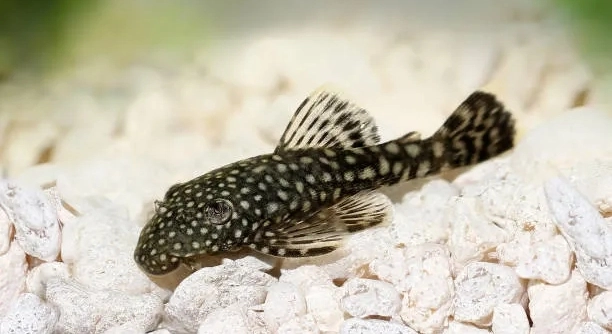
Choosing the right substrate for your plecos can make all the difference in their health and happiness. These bottom-dwelling fish need a suitable environment to thrive, and the substrate plays a key role in their well-being.
There are several safe substrates for plecos, including fine sand, smooth gravel, and natural river stones. These options mimic their natural habitat, providing a comfortable surface for grazing and burrowing. Avoid sharp or large materials that could harm their delicate barbels.
Selecting the right substrate can be easy once you understand what works best for your pleco. Keep reading to learn which options provide the best care for your fish and help them live a long, healthy life.
Fine Sand: A Natural Choice for Plecos
Fine sand is a popular choice for plecos due to its gentle texture and natural appeal. This substrate is soft, allowing plecos to sift through it without damaging their sensitive barbels. Additionally, sand closely resembles the riverbeds found in their natural habitat, which can help reduce stress and promote healthier behavior. It’s important to choose sand with small grains to avoid any potential irritation. While sand may require more regular cleaning to prevent debris buildup, it provides a comfortable and natural environment for plecos to thrive.
Sand is a safe, natural option that supports your plecos’ instincts. They enjoy sifting through it for food, which can also help reduce boredom. Just be sure to clean it regularly, as debris can get trapped.
When setting up your tank with sand, consider using a fine, smooth variety that’s free of sharp edges. Rinse the sand thoroughly before adding it to your aquarium to remove dust that could cloud the water. This will help maintain clear, clean water for your plecos. Furthermore, keep in mind that sand may compact over time, so it’s important to use a gentle substrate vacuum to keep the sand aerated and prevent areas from becoming stagnant.
Smooth Gravel: A Safe Alternative
Smooth gravel is another excellent substrate for plecos. Its rounded stones provide a stable base without posing any risk to the fish’s delicate barbels. This type of gravel is easy to clean and offers good water flow, preventing debris from accumulating.
Smooth gravel is often more durable and easier to maintain than sand, making it a practical option for plecos. Be sure to avoid sharp-edged gravel, which could cause injury to your fish. This type of gravel also allows for efficient water circulation.
River Stones: A Natural Look
River stones are a popular choice because they mimic the environment of plecos’ native habitats. These stones are smooth and provide plenty of hiding spots. They create a more natural and visually appealing look in the tank while ensuring plecos feel secure and comfortable.
While river stones are visually appealing, it’s important to select ones that are smooth to avoid injuring your plecos. They come in a variety of sizes and colors, allowing you to create a custom look for your tank. Make sure they are large enough so plecos won’t accidentally ingest them, which could be harmful.
Cleaning river stones can be a bit more difficult than sand or gravel, as debris may get trapped in the crevices. Regularly rinse them to keep the tank water clear and prevent buildup. Additionally, check for any sharp edges that could have developed, as these can potentially harm your plecos. River stones are a great option if you want to add a more natural aesthetic to your aquarium while providing a safe environment for your fish.
Plant-Based Substrates: An Eco-Friendly Option
Plant-based substrates, such as coconut fiber or clay-based options, offer eco-friendly alternatives. These are excellent for aquariums with live plants. They help maintain good plant growth, which can enhance the overall environment of the tank and benefit the plecos’ health.
Coconut fiber is particularly beneficial, as it retains moisture and promotes healthy root development for plants. Plecos often enjoy resting in or near plants, and a plant-based substrate helps them feel at home. The natural look it provides can improve the aesthetic of the aquarium, giving it a lush, vibrant feel.
While plant-based substrates are fantastic for live plants, they may require more maintenance than sand or gravel. They tend to compact over time, so it’s important to periodically re-aerate the substrate. You’ll also want to ensure the substrate doesn’t decompose too quickly, as it could affect water quality. With the right care, plant-based substrates can provide a great environment for both plants and plecos.
Crushed Coral: A Beneficial Option
Crushed coral can help raise the pH level in aquariums, making it ideal for plecos that thrive in slightly alkaline water. It’s also a sturdy substrate, resistant to compacting and easy to maintain.
While crushed coral can help maintain water conditions, it’s essential to monitor pH levels closely. Over time, it may cause the water to become too alkaline, affecting your plecos. Regular water testing is crucial for maintaining a healthy environment.
Pea Gravel: Affordable and Practical
Pea gravel is a cost-effective option that offers good water flow and is easy to clean. Its small, smooth stones provide a safe environment for plecos. Regular maintenance will ensure the gravel stays clean and the water remains clear.
FAQ
What is the best substrate for plecos?
The best substrate for plecos depends on the species and tank setup. Fine sand is often recommended because it is soft and resembles their natural environment. However, smooth gravel and river stones are also good options if you want something with more texture. The key is to choose a substrate that will not harm their barbels or cause discomfort.
Can I use sand for plecos?
Yes, sand is a good choice for plecos. It provides a comfortable surface for them to sift through and won’t irritate their sensitive barbels. Just ensure that the sand is fine and smooth to prevent any abrasions. Be prepared to clean it regularly, as debris can easily get trapped in the sand.
Should I avoid using sharp gravel for plecos?
Yes, sharp gravel should be avoided. It can damage the delicate barbels and fins of your plecos. Choose smooth gravel with rounded edges to ensure your plecos stay safe while exploring the tank. If you want to use gravel, always inspect it to ensure there are no sharp points.
Is crushed coral safe for plecos?
Crushed coral can be used in pleco tanks, but it is not always the best option for all species. It raises the pH and hardness of the water, which some plecos prefer. However, it is essential to monitor water parameters regularly, as too much crushed coral can cause the water to become too alkaline for certain pleco species.
Can I use plant-based substrates for plecos?
Yes, plant-based substrates like coconut fiber or clay-based options are safe for plecos. These substrates are ideal for tanks with live plants, as they support plant root growth. However, they may require more maintenance than sand or gravel, as they tend to compact over time. Ensure that the substrate remains aerated to prevent poor water quality.
Is it safe to use large rocks or decorations in a pleco tank?
Large rocks and decorations can be safe as long as they are smooth and free from sharp edges. Plecos enjoy hiding and grazing on decorations, but sharp or rough surfaces can cause injuries. Make sure any rocks or ornaments are securely placed to prevent them from toppling over and causing harm.
Do plecos need a deep substrate?
Plecos do not require a deep substrate, but they do benefit from having enough to dig and sift through. A layer of 1 to 2 inches is sufficient for most pleco species. If you’re adding plants, you may need a deeper substrate to support their roots. However, too deep a substrate can lead to anaerobic pockets, which can affect water quality.
How do I clean the substrate in my pleco tank?
Cleaning the substrate involves regular water changes and siphoning the substrate to remove debris. For sand, use a gentle vacuum to avoid disturbing it too much. For gravel or larger substrates, a gravel vacuum will help remove waste that settles between the stones. It’s essential to clean the substrate regularly to maintain good water quality.
Is gravel or sand better for plecos?
Both gravel and sand can work well for plecos, depending on the type of environment you want to create. Sand is often preferred for its soft texture, which plecos enjoy sifting through. However, gravel provides better water flow and is easier to clean. If you have a lot of plants, sand may be a better choice as it retains moisture.
Can plecos live in bare-bottom tanks?
Plecos can survive in bare-bottom tanks, but they may not thrive as well as in tanks with substrate. A bare bottom can cause stress, as plecos enjoy grazing and sifting through substrate. It’s also harder for them to feel secure without hiding spots. If you use a bare-bottom tank, provide plenty of hiding places and other enrichments for the plecos.
How do I prevent substrate from compacting in my pleco tank?
To prevent substrate from compacting, you should gently stir the substrate every few weeks to ensure water can flow through it. For sand, a substrate vacuum can help keep it aerated. If you’re using a plant-based substrate, ensure the substrate doesn’t get too dense by adding a layer of gravel or rocks for added structure.
What size gravel should I use for plecos?
The size of the gravel depends on your preference, but it’s best to choose gravel with small, rounded stones. The stones should be large enough that the plecos can’t accidentally swallow them, but small enough to allow them to graze comfortably. Aim for gravel that is around 1-2 mm in diameter for the best results.
Can plecos live in aquariums with no substrate?
While plecos can live in aquariums without substrate, they may not feel as comfortable. Substrate provides natural behavior opportunities, such as grazing and burrowing. If you choose a bare-bottom tank, provide other enrichment, such as driftwood, plants, or rocks, to mimic their natural environment and make them feel secure.
Final Thoughts
Choosing the right substrate for your plecos is crucial for their well-being. Plecos are bottom-dwelling fish, and they spend most of their time exploring the substrate, searching for food, or finding a place to rest. The substrate not only affects their comfort but also influences water quality and the overall health of the tank. Different substrates serve different purposes, and understanding which one suits your tank setup and pleco species can make a big difference in their happiness and health.
When selecting a substrate, consider the specific needs of your plecos. Some species prefer softer substrates like fine sand, while others might do better with smoother gravel or river stones. It’s also important to think about the tank’s ecosystem. For example, if you have live plants, a plant-based substrate will support growth and contribute to a healthier environment. However, you should always keep in mind that certain substrates, like crushed coral, can alter the pH and hardness of the water, which may not be suitable for all pleco species. Regular water testing is essential to maintain the right balance.
Ultimately, the best substrate will provide your plecos with a safe and comfortable environment while being easy to maintain. Whether you opt for sand, gravel, or something else, make sure it is smooth, clean, and compatible with the overall tank setup. Keeping your tank clean, monitoring water conditions, and adjusting substrate as necessary will ensure your plecos thrive. By giving careful thought to the substrate choice, you can create a habitat where your plecos feel at home and can live a long, healthy life.

Hello,
If you enjoy the content that we create, please consider saying a "Thank You!" by leaving a tip.
Every little bit helps us continue crafting quality advice that supports the health, happiness, and well-being of pets around the world, for pets of all shapes, sizes, and species.
We really appreciate the kindness and support that you show us!