
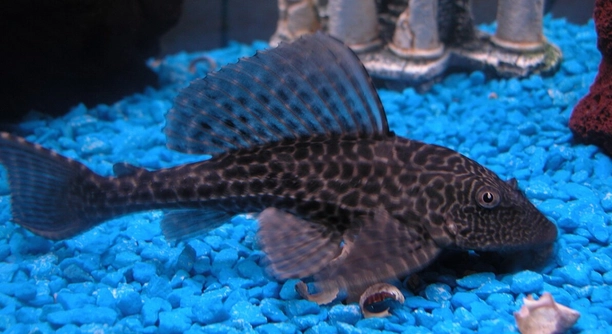
Do you have a Plecostomus in your aquarium and wonder what types of activities they enjoy? Understanding their natural behavior can help you better care for your aquatic pets and provide them with an enriching environment.
Plecostomus, or “plecos,” are not particularly known for chasing bubbles. While they may show interest in air bubbles due to their curiosity, they do not actively pursue them for recreation. Their main behaviors include grazing on algae and exploring their environment.
Plecos have specific needs when it comes to their habitat, and their interaction with bubbles is just one small part of their behavior.
Why Plecostomus Might Show Interest in Bubbles
Plecostomus are curious creatures. They may swim around bubbles in an aquarium, attracted by their movement and the change in water. This behavior can be seen as a form of exploration. While they do not actively chase bubbles as a form of entertainment, they may investigate the bubbles to understand their environment better. In nature, Plecos are bottom-dwellers, focusing on algae and debris. Their curiosity about bubbles likely stems from their instinct to explore new elements in their habitat.
Aquariums often have air pumps or filters that create bubbles, which may capture the attention of your Plecostomus. However, these bubbles don’t hold much long-term interest for them. They are more focused on their natural behaviors such as feeding or hiding in caves.
In most cases, the bubbles don’t serve a purpose for the Plecostomus. These fish are bottom feeders and do not engage with the water’s surface in the same way as more active swimmers. Understanding this helps aquarium owners manage their Plecos’ expectations regarding interactive behaviors.
The Benefits of Bubbles for Plecostomus
Although they don’t chase bubbles, Plecos still benefit from a tank with bubbles. The bubbles help oxygenate the water, which is crucial for maintaining water quality. Plecostomus, like most fish, need well-oxygenated water to thrive. Without sufficient oxygen levels, the health of your Pleco could suffer, leading to stress or even disease.
Ensuring proper water circulation can also prevent stagnant spots in the tank, promoting a cleaner environment for your Plecos. They will spend more time in areas with better water flow and clearer surfaces. While Plecos may not be actively chasing bubbles, they are indirectly benefiting from the improved water conditions that bubbles help create.
Additionally, the oxygenation provided by bubbles can aid in keeping the entire aquarium ecosystem balanced. When the water is properly circulated and oxygenated, the overall health of your aquatic pets improves. This is particularly important for Plecostomus, who rely on a stable and well-maintained environment.
Plecostomus Behavior in the Wild
In their natural habitats, Plecostomus are primarily bottom-dwellers. They spend much of their time grazing on algae and debris. Their curiosity may lead them to explore different parts of their environment, including the occasional bubbles they encounter. However, their main focus remains on finding food and shelter.
Plecos are known for their ability to maintain a clean environment by feeding on algae, detritus, and biofilm. This diet helps them stay close to the tank’s bottom. They are nocturnal, often more active during the night, and prefer environments with plenty of hiding spaces like caves or rocks. While bubbles in their natural surroundings are rare, Plecos will explore any changes in their environment.
These fish have adapted to low-light conditions and spend most of their time hiding during the day. Their primary role in the ecosystem is to clean surfaces and maintain the balance of the water quality. Even in the wild, bubbles are not an essential part of their behavior but are still seen as an interesting feature when encountered.
Plecostomus and Aquarium Environment
In an aquarium, Plecostomus rely on a stable, well-maintained environment. The bubbles in your tank can provide oxygen, which is essential for their well-being. However, the presence of bubbles alone doesn’t capture their attention. Instead, their behavior revolves around exploring their surroundings, looking for food, or resting.
While bubbles may look entertaining in a tank, they are mainly there to help maintain water quality. Plecostomus are more likely to investigate their tank’s surfaces or hide in caves than actively chase or interact with air bubbles. A well-planted tank with smooth surfaces and a steady flow of water can provide the perfect environment for them. Regular maintenance of the aquarium ensures Plecos have access to clean, oxygenated water, contributing to their health.
Plecos do not require bubbles to survive, but they will appreciate the cleaner, oxygen-rich environment that bubbles help create. Their behavior will be focused on their natural instincts—cleaning surfaces, exploring, and finding shelter. While they may show brief interest in the bubbles, their main activities are connected to their feeding habits and shelter-seeking.
How to Keep Plecostomus Happy
Plecostomus thrive in an environment that mimics their natural habitat. Ensure your tank has plenty of hiding spaces like caves or driftwood for them to rest. They also enjoy clean, well-oxygenated water. Regular water changes help maintain their health.
Providing a balanced diet is essential for a Pleco’s well-being. They feed on algae and other plant matter, so supplement their diet with algae wafers or vegetables like zucchini. Avoid overfeeding to maintain good water quality. They appreciate a quiet, stable environment, as sudden changes can stress them out.
Adding live plants can further enhance their tank. Plecos enjoy nibbling on plant matter, and plants help improve water quality. A well-maintained tank with proper filtration and steady oxygenation will keep them happy and healthy.
Plecostomus and Tankmates
Plecostomus generally get along with peaceful tankmates. They are non-aggressive and tend to keep to themselves, making them a good choice for community tanks. However, they do require enough space to thrive and avoid territorial issues.
Choosing appropriate tankmates is crucial for a harmonious aquarium. Avoid keeping them with overly aggressive fish, as Plecos prefer a calm environment. Smaller fish or those that don’t compete for food will make the best companions. Plecos may share space with other bottom-dwellers, as long as they aren’t competing for resources or space.
Plecos are also sensitive to water quality, so tankmates should share similar water parameters. Keep in mind their need for hiding spots. Providing plenty of caves and decorations will reduce stress from overcrowding or competition for space.
The Role of Filters and Bubbles
Filters are essential in any aquarium, especially for Plecostomus. They help keep the water clean and provide the necessary oxygenation. Bubbles, created by air pumps or filters, help maintain water quality, but Plecos do not interact with them much.
Plecostomus are more focused on their surroundings, looking for algae and food. The bubbles in the water are not their main attraction, but they do indirectly benefit from cleaner, oxygenated water. Proper filtration systems can help prevent algae overgrowth, which could affect their food supply. Additionally, bubbles create a gentle flow, which Plecos prefer.
FAQ
Do Plecostomus need bubbles to survive?
Plecostomus do not specifically need bubbles to survive, but they do benefit from oxygenated water. Bubbles, typically created by air pumps or filters, help oxygenate the water, which is essential for their health. Plecos are bottom-dwellers, and while they do not interact with the bubbles directly, they still require a stable, well-oxygenated environment to thrive. It is more important to focus on providing clean water and proper filtration rather than relying solely on bubbles. If the water is well-filtered and oxygenated, Plecos will thrive without needing bubbles as an active part of their behavior.
Can Plecostomus live with other fish?
Yes, Plecostomus can live with other fish, especially peaceful species. They are generally non-aggressive and tend to keep to themselves, making them good candidates for community tanks. However, they do need adequate space and hiding places to feel secure. Avoid keeping them with aggressive or overly territorial fish, as this can lead to stress. Plecos also need to be in a tank with appropriate water conditions, so make sure any tankmates share similar water parameter preferences. Additionally, providing plenty of caves and decorations in the tank will help minimize stress and territorial behavior among all inhabitants.
How do I know if my Plecostomus is stressed?
Signs of stress in a Plecostomus include unusual hiding behavior, erratic swimming, loss of appetite, and discoloration. They may also appear more lethargic than usual. Stress can be caused by various factors, such as poor water quality, overcrowding, aggressive tankmates, or sudden changes in their environment. If you notice your Pleco exhibiting these behaviors, it’s important to check the water conditions, remove any aggressive fish, and ensure they have plenty of hiding spaces. Providing a stable, calm environment can help reduce stress levels and improve your Pleco’s well-being.
What should I feed my Plecostomus?
Plecostomus are primarily herbivores and feed on algae in the wild. In an aquarium, you should provide them with algae wafers or vegetables like zucchini, cucumber, and spinach. They will also enjoy occasional treats like blanched peas or lettuce. Make sure to avoid overfeeding, as this can lead to poor water quality. Plecos are efficient algae eaters and will help keep your tank clean, but it’s essential to supplement their diet with additional food sources to meet their nutritional needs. Always remove any uneaten food after a few hours to prevent water contamination.
Can Plecostomus live in a small tank?
Plecostomus require a large tank to thrive. While some species may appear small when young, they grow quickly and can reach sizes of up to 24 inches, depending on the species. A tank that is at least 30 gallons is recommended for a single Plecostomus. Smaller tanks can cause stress due to lack of space, and overcrowding can affect water quality. In a larger tank, your Pleco will have enough room to swim, hide, and explore, contributing to a healthier and more comfortable environment for them.
Why is my Plecostomus not eating?
If your Plecostomus is not eating, there could be several reasons. It may be due to stress from poor water quality, incompatible tankmates, or changes in its environment. Plecos are nocturnal, so try feeding them at night when they are more active. Ensure they have a varied diet, including algae wafers, vegetables, and occasional treats. If the water temperature is too high or too low, this can also cause a loss of appetite. If the problem persists, check the water parameters and look for any signs of illness.
Do Plecostomus need a filter?
Yes, a filter is essential for maintaining water quality in an aquarium. Plecostomus require clean, oxygenated water, and a filter helps keep the water circulating and free of waste. The filter will also help maintain stable water conditions, which are crucial for the health of your Pleco. Even though Plecostomus are bottom-dwellers, they still benefit from the water movement and filtration. Make sure the filter is appropriately sized for your tank and that it is regularly cleaned to avoid clogging. This will help keep your Pleco’s environment healthy.
How do I care for a Plecostomus tank?
Caring for a Plecostomus tank involves maintaining good water quality, providing appropriate food, and ensuring a suitable environment. Make sure to perform regular water changes, typically 20-30% weekly, to keep the water clean and oxygenated. Keep an eye on the water parameters, such as temperature, pH, and ammonia levels, to ensure they are within the ideal range for your Pleco. Provide plenty of hiding spaces with caves, driftwood, and plants to help them feel secure. Regularly clean the filter to ensure proper water circulation. Lastly, avoid overcrowding and make sure your Plecostomus has enough space to grow.
How fast do Plecostomus grow?
Plecostomus grow relatively quickly, especially when provided with the right conditions. They can reach around 4-6 inches in the first year, depending on their diet and environment. After that, their growth rate slows but continues steadily until they reach their full size. Most Plecostomus species can grow up to 12-24 inches, so it’s important to provide a large tank to accommodate their growth. Proper care, including a balanced diet and regular water changes, can help support healthy growth and ensure they reach their full potential size.
Can Plecostomus live without a heater?
Plecostomus are tropical fish and prefer water temperatures between 74-80°F (23-27°C). While they may survive in cooler water for short periods, they will not thrive without a heater in most environments. A consistent water temperature is essential for their health, as fluctuations can cause stress or illness. If you live in an area where temperatures drop significantly, using a heater is necessary to maintain a stable environment. Make sure the heater is appropriately sized for your tank and monitor the water temperature regularly to ensure it remains within the ideal range.
Are Plecostomus active during the day?
Plecostomus are primarily nocturnal, meaning they are more active at night. During the day, they tend to hide in caves or other dark areas of the tank, conserving their energy. If you want to observe your Pleco’s activity, it is best to provide low light and feed them at night when they are more active. They may also become more active during feeding times, especially if they detect food in the water. However, they tend to be much more visible and active during the night when the lights are off and the aquarium is quieter.
Why is my Plecostomus swimming erratically?
Erratic swimming in Plecostomus can be caused by stress, poor water quality, illness, or injury. If your Pleco is swimming frantically or in circles, it may be stressed due to changes in its environment, such as fluctuating water temperature, poor water quality, or the presence of aggressive tankmates. Check the water parameters, including ammonia, nitrites, and pH levels, to make sure they are within the safe range. If the problem persists, observe your Pleco for signs of illness, such as abnormal coloring or lesions, and consider seeking advice from a veterinarian or fish expert.
Final Thoughts
Plecostomus are fascinating and low-maintenance fish that can thrive in various tank environments. While they are not known for being overly interactive with bubbles, they do benefit from clean, well-oxygenated water. Their primary role in the aquarium is to help control algae growth, but they also require a balanced diet and appropriate water conditions to stay healthy. Understanding their natural habits, such as their nocturnal nature and preference for hiding spaces, can help create an ideal environment for them. Regular tank maintenance, proper feeding, and attention to water parameters will ensure that your Pleco remains happy and healthy.
Though Plecos are generally peaceful, they can grow large and require plenty of space to avoid stress. A tank that provides enough room for swimming, hiding, and exploring is essential for their well-being. It is important to consider their size and potential growth when setting up their environment, as smaller tanks will quickly become unsuitable as the fish mature. Keeping Plecos with other peaceful fish and monitoring their interactions will also help maintain a harmonious aquarium. With the right setup, Plecos can coexist well with many other species without becoming territorial or aggressive.
Ultimately, caring for a Plecostomus comes down to ensuring that the fish have a comfortable and stable environment. Regular water changes, proper filtration, and a varied diet will keep your Pleco in good health. While they do not actively chase bubbles, the presence of air bubbles in the tank can contribute to better water circulation and oxygenation, which benefits them indirectly. By understanding their behavior and needs, you can provide the best care for your Plecostomus, ensuring that it remains a healthy, happy addition to your aquarium.

Hello,
If you enjoy the content that we create, please consider saying a "Thank You!" by leaving a tip.
Every little bit helps us continue crafting quality advice that supports the health, happiness, and well-being of pets around the world, for pets of all shapes, sizes, and species.
We really appreciate the kindness and support that you show us!