
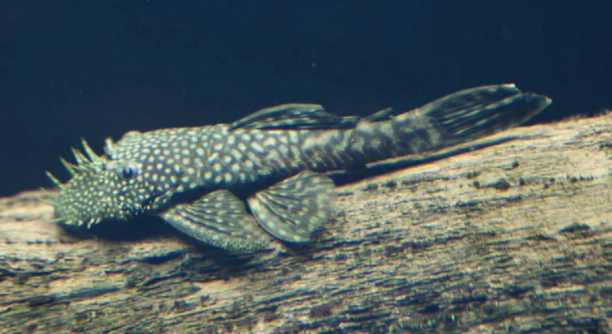
Do your plecos often seem sluggish or lose interest in food, leaving you unsure if they’re feeling their best or getting sick?
The best way to prevent plecos from getting sick is by maintaining clean water conditions, offering a balanced diet, and minimizing stress. Proper tank size, consistent monitoring, and regular maintenance also play essential roles in promoting long-term health.
Discover simple strategies that can make a lasting difference in your pleco’s overall health and create a stress-free environment for them.
Keep the Water Clean and Stable
Clean water is one of the most important things your plecos need to stay healthy. Poor water conditions can lead to stress and disease, especially if ammonia or nitrite levels are too high. Do regular water changes and test your tank weekly. Use a good quality filter that matches your tank size. Make sure it runs properly and stays clean. A stable environment with the right temperature, pH, and water hardness helps prevent sudden changes that can harm your plecos. Don’t overcrowd the tank, as more fish create more waste. Watch out for cloudy water, bad smells, or unusual behavior—these are signs something may be wrong. Use a water conditioner to treat tap water before adding it to the tank. Always clean the tank glass, substrate, and decorations gently to avoid stirring up too much debris. Keeping your tank stable takes effort but protects your fish from harm.
Water changes help remove waste, excess nutrients, and harmful substances. Aim to change 20–30% of the water each week for best results.
Avoid sudden changes in temperature or water quality. Sudden shifts in the tank can stress your plecos and lead to common illnesses like ich or fin rot.
Offer a Balanced and Varied Diet
Feeding your plecos the right mix of food is essential to keep them healthy and active.
Give your plecos more than just algae wafers. They also need protein, vegetables, and occasional treats like shrimp or bloodworms. Zucchini, cucumber, and spinach are good choices for plant matter. Blanch these vegetables before feeding to make them softer. Offer food in small portions to avoid leftovers rotting in the tank. Remove uneaten food within 24 hours to maintain water quality. You can also use sinking pellets made for bottom-feeders to make sure your plecos get what they need. Avoid feeding only one type of food, or your plecos might develop nutritional deficiencies. Young plecos need more protein, while older ones benefit from more plant-based foods. Watch how much they eat and adjust the amount as needed. Overfeeding can make your tank dirty and harm your fish. A well-fed pleco will have brighter colors, be more active, and show healthier behavior in the tank overall.
Reduce Tank Stress
Too much stress can make plecos more likely to get sick. Stress can be caused by sudden tank changes, loud noises, poor water quality, or aggressive tank mates. A calm and stable tank helps plecos stay healthier and live longer.
Keep the tank in a quiet space, away from foot traffic and loud sounds. Avoid placing it near speakers, doors, or windows with direct sunlight. Too much light can also stress your plecos. Use a soft light and provide hiding spots like caves, driftwood, or decorations. These give your plecos a place to rest and feel safe. Don’t change the tank setup too often, and never tap on the glass. Stressful conditions can weaken their immune system, making them prone to illnesses like ich or bacterial infections. The more stable and peaceful the tank environment, the less likely your plecos will experience health problems over time.
Avoid adding or moving fish too often. Every new tank mate changes the dynamics in the aquarium. This can create territorial issues or increase stress levels. Quarantine new fish before adding them to the main tank. Always observe how your plecos react to changes and make adjustments when needed to keep them relaxed.
Maintain Proper Tank Size and Equipment
Plecos need space to grow and stay healthy. A tank that’s too small can lead to stunted growth, waste buildup, and stress. Always choose a tank size that fits the adult size of your pleco species.
Common plecos can grow over a foot long and need at least a 75-gallon tank. Bristlenose and clown plecos stay smaller but still need room to move. A cramped space limits their activity and increases waste concentration, which can damage water quality. Use equipment suited for the tank’s volume, especially a filter that can handle your pleco’s bioload. Include a heater if your pleco species prefers warmer water. Make sure your equipment runs quietly and reliably—loud vibrations can disturb plecos and cause stress. Also, ensure good water circulation without creating strong currents, since plecos are bottom dwellers and prefer slower water flow near the substrate. Proper planning makes a big difference in their health.
Quarantine New Fish and Plants
Always quarantine new fish for at least two weeks before adding them to your pleco tank. This helps prevent the spread of parasites or infections that could harm your healthy fish.
New plants can also carry harmful bacteria or pests. Rinse them well and consider using a plant-safe disinfectant before planting.
Observe Behavior and Physical Changes
Watch your plecos daily for signs of illness. Unusual swimming, hiding more than normal, or loss of appetite could mean something is wrong. Physical symptoms like faded color, white spots, or damaged fins also need attention. Early signs are often subtle, so keep an eye on changes. Prompt action helps stop sickness from getting worse. If something seems off, check your water parameters first, then consider isolating the fish. Catching problems early can make treatment easier and reduce the risk of spreading illness to other tank mates. A simple habit of daily observation can go a long way.
Avoid Overmedicating
Only use medication when it’s truly needed. Too many treatments can weaken your pleco’s immune system or upset the tank’s balance. Always research the medication and follow instructions closely to avoid accidental harm.
FAQ
How often should I feed my plecos?
Most plecos should be fed once a day. Offer just enough food that they can eat within a few hours. For larger plecos, or more active species, a small feeding twice a day is fine. Remove uneaten food after 24 hours to prevent water issues. Feeding times can also depend on the pleco’s age and size—juveniles usually eat more often than adults. Feeding after the tank lights go off can also be helpful, especially for nocturnal species. Stick to a schedule that suits their natural habits and doesn’t overload the tank.
Can plecos live with other fish?
Yes, plecos can live peacefully with many other freshwater fish. Avoid aggressive or fin-nipping species that may cause stress. Choose tank mates that prefer the upper or middle levels, so your pleco can stay near the bottom undisturbed. Make sure the tank is large enough for all species involved. Overcrowding can lead to stress, competition for food, and faster buildup of waste. Peaceful community fish like tetras, mollies, or guppies are generally good options. If you notice any signs of bullying or unusual hiding behavior, consider separating the fish or adjusting the tank layout.
What is the ideal water temperature for plecos?
The best temperature range depends on the species. Common plecos and bristlenose plecos do well between 72–80°F (22–27°C). Always check the needs of your specific pleco type. Use an aquarium heater to maintain a consistent temperature, especially in colder seasons. Sudden temperature drops or spikes can cause stress or illness. Place the heater near the filter output to help distribute warm water evenly. Monitor the tank temperature with a reliable thermometer and adjust settings as needed. Consistency is more important than exact numbers, so aim to keep things steady within the safe range.
How can I tell if my pleco is sick?
Signs of sickness include white spots, clamped fins, lack of appetite, abnormal swimming, or spending too much time at the surface. Other clues are weight loss, faded color, or inflamed skin. If you notice something unusual, test your water first—many illnesses are caused by poor tank conditions. Quarantine the sick fish if possible and research treatment options based on the symptoms. Don’t start medication without knowing what you’re treating. A quiet, clean environment, stable water parameters, and proper nutrition can all support recovery. Catching early signs often leads to better outcomes and protects other tank mates.
Do plecos need driftwood in the tank?
Yes, many plecos—especially bristlenose and clown plecos—benefit from having driftwood in their tank. Some species nibble on it for fiber, which helps with digestion. It also gives them a natural place to hide and reduces stress. Use aquarium-safe driftwood and rinse it well before placing it in the tank. Over time, driftwood can release tannins, slightly darkening the water, which is not harmful and may even lower stress for some plecos. Replace driftwood when it starts to break down. Providing structure like this keeps your plecos happy and supports their overall well-being.
Why is my pleco not eating?
Lack of appetite can be caused by stress, poor water quality, or an unsuitable diet. First, check your tank’s temperature, pH, and ammonia levels. Make sure your pleco is getting the right type of food for its age and species. Some plecos are nocturnal and may only eat at night, so try feeding after the lights go out. It may also take time for a new pleco to adjust to its environment. If your fish is still not eating after a few days, look for signs of illness and consider isolating it. Consistent feeding routines help prevent long-term issues.
Can plecos get bored or stressed?
Yes, plecos can experience stress if they lack hiding spots, are exposed to constant noise, or are kept in poor conditions. A plain, bare tank can also affect their behavior. Include caves, plants, and driftwood so your pleco feels safe and engaged. Stress can make them hide all day, stop eating, or develop illnesses. Monitor their behavior regularly, and if something seems off, check your tank setup. Adding more structure and improving water conditions often helps reduce stress and bring back healthy behavior. A quiet, clean, and enriched tank helps plecos feel secure and active.
Final Thoughts
Keeping plecos healthy does not have to be difficult. It starts with providing a clean tank, offering proper nutrition, and creating a space where they feel safe. Each tip shared earlier is a small step that helps reduce stress and avoid illness. A good filtration system, routine water changes, and stable water parameters are the foundation of their care. Along with these, a balanced diet that includes both plant-based and protein-based food will keep your pleco strong and active. These simple actions, done regularly, make a big difference in how your pleco looks, eats, and behaves.
When a pleco starts showing signs of illness, it can often be traced back to a change in its environment. Poor water conditions, irregular feeding, and lack of hiding spots are common problems. Acting early when something seems off is important. Regularly checking for changes in appearance or behavior can help you catch issues before they get worse. Plecos do not need complicated care, but they do need consistency. Even small things like skipping a water change or overfeeding can have lasting effects. Once they get sick, recovery can be slow, so prevention is always better than treatment.
Over time, you will learn your pleco’s normal behavior and preferences. Some may be more active at night, while others might be more social during the day. Observing these patterns helps you notice when something is wrong. Keeping a log of water tests, feeding habits, and any unusual signs can be helpful too. A stable and quiet environment goes a long way in keeping your pleco calm and comfortable. With patience and care, plecos can live for many years and bring a lot of quiet beauty to your aquarium. Staying informed and consistent in your care routine will always be the best way to keep them healthy.

Hello,
If you enjoy the content that we create, please consider saying a "Thank You!" by leaving a tip.
Every little bit helps us continue crafting quality advice that supports the health, happiness, and well-being of pets around the world, for pets of all shapes, sizes, and species.
We really appreciate the kindness and support that you show us!