
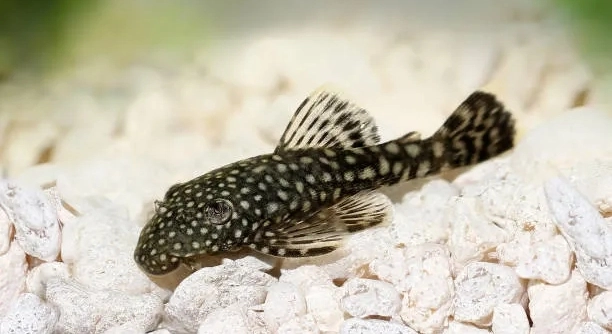
If you’re a pleco owner, you may have noticed your fish occasionally gasp at the water surface. Understanding whether this is a sign of distress or just a normal behavior can be tricky. Fish often exhibit subtle changes that may leave you uncertain.
Gasping is a common behavior in plecos when oxygen levels in the water are low or when they are stressed. However, they also rest near the surface from time to time, making it important to observe other signs of health.
Knowing the difference between a pleco’s resting behavior and a potential health issue is crucial. We’ll help you better understand what’s normal and what may require your attention.
Understanding Pleco Breathing Patterns
Plecos, like many fish, often breathe by swimming near the surface of the water. It’s common to see them gulp for air, but it doesn’t always mean something is wrong. Gasping can sometimes be a natural way for them to take in oxygen, especially if the tank is poorly oxygenated. If your pleco seems more active at the surface and then settles down, this could simply be a resting phase. However, frequent gasping paired with other signs of stress could indicate that something else is at play.
Their behavior is often linked to environmental conditions, so it’s essential to ensure your tank is set up properly. Adequate filtration and water movement can help keep the oxygen levels balanced. If you notice that your pleco seems to gasp frequently, it might be time to test the water and make sure everything is functioning as it should. Plecos are generally resilient creatures, but their comfort relies heavily on the conditions they are kept in.
Is Your Pleco Just Resting?
In many cases, the pleco may simply be taking a rest. After all, plecos are bottom dwellers by nature and often prefer hiding. It’s easy to mistake this for distress, but it’s not always a sign of health problems.
When a pleco rests, it usually stays in one spot, sometimes near the surface. It’s not always an indication that something is wrong. However, if you observe that your pleco is spending more time at the surface and not actively swimming or exploring, it could be a sign of discomfort. In such cases, a thorough check of water conditions, especially oxygen levels, is advised.
Tank Oxygen Levels
If your pleco is gasping for air, the most likely issue is low oxygen in the water. Stagnant water or poor filtration can cause this. It’s essential to keep the water moving and ensure a proper filtration system is in place.
Low oxygen can be especially common in tanks that are overcrowded or have low water movement. Plecos are sensitive to oxygen levels, and without enough, they will struggle to breathe efficiently. To fix this, consider adding an air pump or adjusting the filter to increase water circulation. Testing water quality regularly will help keep oxygen levels stable.
Another important aspect to consider is the temperature of the tank. Warmer water holds less oxygen, so if your pleco’s tank is heated too high, it could be contributing to the problem. Ensuring a balance between water temperature and oxygen levels is essential for maintaining your pleco’s health. Always remember to monitor the environment carefully.
Stress and Health Issues
Stress can also cause plecos to gasp for air or act lethargic. It’s important to identify potential sources of stress, such as aggressive tank mates or changes in the environment.
A stressed pleco might display more erratic behavior or hide more frequently. If they are unable to adjust to new tank conditions, such as different water parameters or a new environment, they could become agitated. Stress can also weaken their immune system, making them more susceptible to illnesses. If your pleco is showing these signs, it’s important to remove any potential stressors and create a calm environment. Stress management will help your pleco thrive long-term.
Water Quality
Poor water quality is a common cause of plecos gasping for air. High levels of ammonia, nitrites, or nitrates can harm their respiratory system, leading to shallow breathing. Regular water changes and testing can help maintain water quality.
Ammonia and nitrites are particularly toxic, and even small amounts can cause stress or illness in your pleco. If you notice any unusual behavior, it’s crucial to check your water parameters immediately. Keeping the water clean will help ensure your pleco is comfortable and thriving. Adding plants or using a good filtration system can also support water quality.
Tank Size
Plecos require a spacious tank to live comfortably. A tank that is too small can cause stress and force them to breathe harder due to limited oxygen. Make sure your pleco has enough space to swim and rest.
A small tank will only exacerbate oxygen depletion and stress. When choosing a tank, ensure it’s large enough to accommodate your pleco’s adult size. A minimum of 30 gallons is recommended for most plecos. This provides room for them to swim and reduces the chances of oxygen levels dropping too low. Proper tank size is a key factor in your pleco’s well-being.
Tank Maintenance
Maintaining your tank regularly is essential to keep the pleco healthy. Filtration systems, water changes, and removing waste can improve the overall environment. Clean the tank regularly, but avoid sudden changes to water temperature or chemistry.
Over time, waste can build up in the tank, which can affect both oxygen levels and water quality. Keeping the tank clean and performing routine water changes will ensure your pleco’s health is maintained. Also, make sure the filtration system is adequate and working properly, as it helps keep the water clean and oxygenated.
FAQ
Why is my pleco gasping for air at the surface?
Gasping at the surface usually means that your pleco is struggling to get enough oxygen. This could be caused by low oxygen levels in the water, poor filtration, or high water temperature. A good solution is to improve water circulation by adding an air pump or adjusting the filter. Regular water changes and testing for ammonia, nitrites, and nitrates will help ensure your pleco has a healthy environment.
How can I tell if my pleco is stressed?
Stressed plecos may exhibit behaviors like hiding more often, swimming erratically, or staying near the surface. Stress can also cause them to breathe heavily. Factors such as poor water quality, aggressive tank mates, or sudden changes in the tank environment can all contribute to stress. If you notice these signs, it’s important to assess the water parameters and remove any stressors from the tank.
Is it normal for plecos to stay at the surface?
Yes, it’s normal for plecos to stay at the surface occasionally, especially if they are resting or need more oxygen. Plecos are bottom-dwellers, but they will sometimes hover near the surface for air. However, if your pleco is spending an excessive amount of time there, it could indicate a water quality issue or low oxygen levels.
How can I improve the water quality for my pleco?
To improve water quality, perform regular water changes of about 25-30% every week. Test the water for ammonia, nitrites, and nitrates regularly to ensure they are at safe levels. You should also clean the filter regularly and avoid overfeeding, as uneaten food can contribute to poor water quality.
Can temperature affect my pleco’s breathing?
Yes, temperature can affect how much oxygen is in the water. Warmer water holds less oxygen, so if the water temperature is too high, your pleco may need to gasp more often to get enough air. Maintaining a stable, appropriate water temperature between 72-82°F (22-28°C) is ideal for plecos. Keep the temperature consistent to avoid stress.
What size tank does a pleco need?
Plecos can grow quite large, so a spacious tank is necessary. For most species, a minimum of 30 gallons is recommended, though some species may require larger tanks. Larger tanks not only give your pleco room to swim but also help maintain better water quality and oxygen levels.
Do plecos need a filter?
Yes, plecos require a filter to keep the water clean and oxygenated. Filters help remove waste and prevent harmful chemicals from building up in the tank. Without proper filtration, the water can become toxic and harm your pleco. Make sure the filter is sized appropriately for your tank.
What should I do if my pleco’s breathing seems abnormal?
If your pleco’s breathing is rapid, erratic, or labored, it could be a sign of a health issue. First, check the water quality and ensure there are no drastic changes in temperature or chemistry. If everything seems fine with the tank, consider consulting a veterinarian with experience in fish health.
Can I add more plecos to my tank?
Adding more plecos depends on the size of your tank. Plecos are solitary and territorial, so adding multiple plecos to a small tank can lead to stress and aggression. A 55-gallon or larger tank can support more plecos, but make sure there is enough space and hiding spots for each fish. Avoid overcrowding the tank to keep everyone healthy and comfortable.
How often should I feed my pleco?
Plecos are primarily herbivores, so feeding them once a day with algae wafers, vegetables, or specially formulated pleco food is usually sufficient. Overfeeding can cause water quality issues, so it’s important to remove any uneaten food after a few hours. Feeding your pleco a balanced diet will help keep it healthy and reduce stress.
Can plecos live with other fish?
Yes, plecos can live with other fish, but it’s important to choose peaceful tank mates. They generally get along with most community fish, but avoid aggressive species that may harass or stress them out. Plecos may also compete for space and resources, so ensure your tank has enough room and hiding spots for all the inhabitants.
Why is my pleco staying at the bottom of the tank?
It’s completely normal for plecos to spend most of their time at the bottom of the tank. They are bottom-dwelling fish and prefer to rest or feed on algae and other debris. However, if your pleco is spending excessive time at the bottom and seems lethargic or unresponsive, it could be a sign of illness or stress.
What type of water do plecos need?
Plecos do best in soft to moderately hard water with a pH of 6.5 to 7.5. They prefer stable water conditions and may struggle if there are sudden changes in the tank environment. Regular water testing and adjustments will help keep your pleco’s habitat healthy.
Do plecos need special lighting?
Plecos don’t require special lighting, but they do appreciate having areas to hide during the day. Providing caves, driftwood, or plants can help mimic their natural environment. Too much light can stress your pleco, so it’s best to have a balanced lighting schedule, with dim areas where your pleco can retreat when needed.
Final Thoughts
In conclusion, understanding the signs that your pleco may be gasping for air or simply resting is crucial for providing the right care. While plecos are generally hardy fish, they require stable water conditions, proper tank size, and adequate space to thrive. Gasping at the surface can be a sign of stress, low oxygen levels, or poor water quality, and it’s important to address these issues quickly. Regular water changes, maintaining proper filtration, and keeping the tank at the correct temperature are key steps to ensure your pleco remains healthy.
Another important factor to consider is the behavior of your pleco. Plecos can sometimes stay at the surface or hover near the bottom of the tank without it being a cause for concern. These fish are naturally bottom-dwellers, and they tend to rest in areas with less current. However, if their behavior changes drastically, such as excessive gasping or hiding for long periods, it might indicate something is wrong. It’s essential to monitor their behavior and environment closely to detect potential problems early.
Ultimately, caring for a pleco involves consistent maintenance and attentiveness to its needs. Regularly testing water parameters, keeping the tank clean, and ensuring the pleco has enough space will help prevent most issues. By providing a stable and well-maintained environment, you can help your pleco live a long and healthy life. Keeping an eye on their breathing and behavior will also allow you to spot any problems early and address them before they become serious.

Hello,
If you enjoy the content that we create, please consider saying a "Thank You!" by leaving a tip.
Every little bit helps us continue crafting quality advice that supports the health, happiness, and well-being of pets around the world, for pets of all shapes, sizes, and species.
We really appreciate the kindness and support that you show us!