
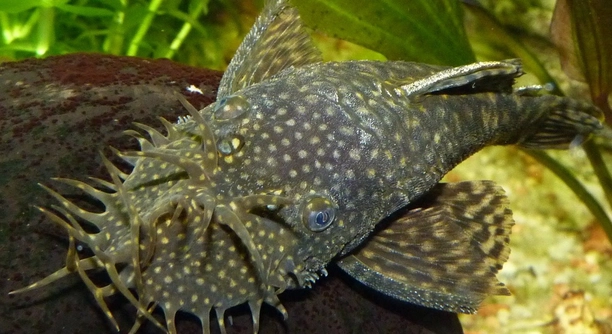
Plecos are unique and fascinating aquarium fish, known for their algae-eating habits. Small adjustments can make a big difference in their well-being, helping them thrive. These simple changes can improve their environment and overall health significantly.
The most effective way to enhance your pleco’s living conditions is by providing a clean, well-maintained tank. Regular water changes, appropriate tank size, and proper filtration are key factors. These adjustments ensure your pleco thrives in its environment.
Making these small changes can improve your pleco’s life in unexpected ways. It’s all about creating a stable, healthy environment.
Providing the Right Tank Size
A pleco needs plenty of space to grow and feel comfortable in its environment. Many aquarium owners make the mistake of underestimating the space these fish require. While small when young, plecos can grow quite large. Providing the right tank size from the start ensures your pleco doesn’t feel cramped as it matures. A larger tank also allows for better water circulation, reducing the risk of toxins building up, which can harm the fish.
With a larger tank, your pleco will have room to explore, which is essential for their health. It also gives you more flexibility in choosing the right filtration system, an essential factor for keeping the tank clean.
Keep in mind that a smaller tank is not only limiting for the fish but also increases the likelihood of frequent water changes. Larger tanks help reduce stress on both you and the pleco by maintaining a more stable environment. The right size is crucial for your fish’s comfort and longevity.
Choosing the Right Filtration System
The filtration system is one of the most important elements of maintaining a healthy pleco tank. A good filter keeps the water clear and free of harmful chemicals. It’s essential to choose a filter that can handle the size of your tank.
Proper filtration ensures that waste and leftover food are removed, reducing the buildup of toxins that can stress or harm your pleco. It also promotes better oxygen circulation, keeping the water clean and fresh.
Maintaining Water Quality
Water quality is vital for your pleco’s health. Regular water changes are crucial to prevent the buildup of harmful substances. Use a water testing kit to check for ammonia, nitrites, and nitrates. Keeping the water clean and balanced will help your pleco thrive for years.
In addition to regular water changes, using a reliable water conditioner can help eliminate chlorine and chloramine, which can harm your pleco. Maintaining a stable temperature is also key—most plecos prefer water temperatures between 75-80°F (24-27°C). Fluctuating temperatures can lead to stress and disease.
It’s also important to monitor pH levels. Plecos generally do well in slightly acidic to neutral water (pH 6.5-7.5). Too high or too low a pH can cause problems for your pleco. A stable, clean environment is essential to ensure the well-being of your fish.
Proper Feeding Habits
Feeding your pleco properly is essential for its growth and health. While plecos are often algae eaters, they need more than just algae to stay healthy. Supplement their diet with sinking pellets, vegetables like zucchini, and occasional protein-rich foods such as shrimp or worms.
Overfeeding can lead to water quality issues, as excess food breaks down and pollutes the tank. A good rule of thumb is to feed your pleco only what it can consume in 2-3 hours. Remove any uneaten food to avoid it affecting the water quality.
Monitor your pleco’s weight. If it appears too thin or too heavy, adjust its diet accordingly. Plecos are bottom dwellers, so it’s important to provide food that sinks, ensuring they can access it.
Providing Hiding Spaces
Plecos feel secure when they have places to hide. Adding caves, driftwood, or plants to your tank will help them feel safe. These hiding spots also help reduce stress, especially if the pleco is young or adjusting to a new environment.
Having hiding spaces encourages natural behavior and makes the pleco feel more at ease. It’s important to offer a variety of hiding options, as plecos may prefer different spots at different times. A well-planted tank can also mimic their natural habitat, where they often seek shelter in the wild.
Temperature Control
Maintaining a consistent temperature is essential for your pleco’s well-being. They prefer slightly warm water, around 75-80°F (24-27°C). Fluctuations in temperature can stress them and weaken their immune system. A reliable aquarium heater can help maintain a stable temperature.
Monitoring the water temperature regularly with a thermometer ensures you’re providing the best conditions for your pleco. Temperature stress can lead to illness, so consistency is key for a healthy, thriving fish.
FAQ
What size tank does a pleco need?
A pleco needs a large tank as it grows. For a single adult pleco, a tank of at least 75 gallons is recommended. They are active swimmers and can grow up to 24 inches, so providing ample space is crucial for their comfort and health. A larger tank also makes it easier to maintain water quality, which is essential for their well-being.
Can plecos live in small tanks?
While plecos may start in a smaller tank, they quickly outgrow it. They require space to roam, and being kept in a cramped tank can lead to stunted growth and stress. Small tanks also make it harder to maintain water quality, which can negatively impact your pleco’s health.
How often should I clean my pleco tank?
Tank maintenance depends on the size of the tank and the number of fish. Generally, you should perform a partial water change every 1-2 weeks to keep the water clean. Cleaning the filter regularly and vacuuming the substrate will help remove debris and prevent harmful buildups.
What do plecos eat?
Plecos are mostly herbivores, so they feed on algae, plant matter, and some fruits. However, they also need supplemental food like sinking pellets, vegetables (zucchini, cucumber), and occasional protein (shrimps or worms) to stay healthy. It’s important to offer a variety of foods to ensure a balanced diet.
Can plecos live with other fish?
Plecos can live with most peaceful fish but might be territorial. It’s important to choose tank mates carefully, avoiding aggressive species that may bully or harm the pleco. Also, be mindful of tank size—larger fish or many other species might create too much competition for food and space.
Why is my pleco not eating?
If your pleco isn’t eating, several factors might be at play. Stress from a new environment, poor water quality, or an improper diet can all affect their appetite. Ensure your pleco has enough hiding spots, check water parameters, and provide a variety of food options. If the problem persists, it’s best to consult an aquarium expert or veterinarian.
Do plecos need a filter?
Yes, plecos produce a lot of waste, so a good filter is essential for maintaining water quality. A filter helps remove toxins, excess food, and debris. It’s important to choose a filter that’s appropriately sized for your tank. Make sure to clean the filter regularly to keep it functioning efficiently.
Can plecos live in cold water?
Plecos are tropical fish and require warm water to stay healthy. They prefer water temperatures between 75-80°F (24-27°C). Keeping them in cold water can lead to stress and a weakened immune system. Ensure the tank is equipped with a heater to maintain a stable temperature.
How do I know if my pleco is stressed?
Stressed plecos may display signs such as hiding more than usual, not eating, or exhibiting unusual swimming behavior. Stress can be caused by poor water quality, overcrowding, aggressive tank mates, or sudden changes in the environment. It’s important to assess the tank conditions and make adjustments as needed to reduce stress.
Why is my pleco turning brown or losing color?
Color changes in plecos can occur due to several factors, including stress, poor water quality, or incorrect water parameters. Ensure the tank is clean, the temperature is stable, and the pH level is within the proper range. Some plecos naturally darken in color as they mature, but drastic changes are often a sign of a problem.
How can I encourage my pleco to eat more algae?
While plecos love algae, they may need encouragement if the algae in the tank isn’t sufficient. You can add algae wafers to supplement their diet, as well as provide a variety of vegetables like zucchini or cucumber. Ensure that your tank has proper lighting, as this helps algae grow naturally.
Can plecos eat too much algae?
Though plecos are known for their algae-eating habits, they can still overeat, especially if given excessive amounts of algae wafers. Overfeeding can cause bloating and affect their digestion. It’s important to maintain a balanced diet and ensure they are getting other nutrients, such as vegetables and protein, in addition to algae.
How can I tell if my pleco is healthy?
A healthy pleco should have a smooth, well-formed body and be active in the tank. Their color should be vibrant, and they should show a natural interest in food. If your pleco is lethargic, losing weight, or showing signs of disease like discoloration or fins that appear torn, it may be unwell.
How do I breed plecos?
Breeding plecos can be challenging but rewarding. They require a well-maintained environment with stable water conditions, including slightly acidic to neutral pH and temperatures between 75-80°F (24-27°C). Breeding typically occurs when males create a nesting spot, often in caves or hollow logs, to attract females.
Are plecos good for beginner aquarists?
While plecos are relatively low-maintenance, they can require specific conditions that make them more suitable for intermediate aquarium keepers. If you’re a beginner, it’s essential to understand their needs, including tank size, water quality, and diet, before getting one. With proper care, they can be a rewarding addition to your tank.
How long do plecos live?
Plecos can live up to 10-15 years in a well-maintained tank. However, their lifespan can be significantly shorter if they are kept in unsuitable conditions. Proper care, including maintaining water quality, a balanced diet, and a stable environment, can help them live a long and healthy life.
Final Thoughts
Plecos are fascinating and hardy fish that can be a great addition to your aquarium when given the right care. Their unique appearance and algae-eating habits make them popular among aquarium owners. However, understanding their needs is essential for ensuring their well-being. From the size of the tank to the quality of water, each detail plays a role in how healthy and happy your pleco will be. When these conditions are met, plecos can thrive and even live for many years.
One of the most important aspects of caring for a pleco is making sure they have enough space. They can grow quite large, and a small tank won’t provide the environment they need to live a healthy life. It’s crucial to choose the right tank size—at least 75 gallons for a single adult—and provide hiding spots, plants, and driftwood to mimic their natural habitat. This will help reduce stress and promote natural behaviors. Monitoring water quality and temperature is also vital. Clean water, proper filtration, and stable temperature conditions will support their health over time.
While plecos are known for being easy to care for, they still require regular attention. Offering a balanced diet, including algae, vegetables, and occasional protein, will ensure they get the nutrients they need. Additionally, cleaning the tank and keeping the water parameters in check will prevent many common issues. With the right care, plecos can make a beautiful and low-maintenance addition to your aquarium. Remember, each pleco is unique, and it’s important to pay attention to any signs of stress or illness to keep them happy and healthy.

Hello,
If you enjoy the content that we create, please consider saying a "Thank You!" by leaving a tip.
Every little bit helps us continue crafting quality advice that supports the health, happiness, and well-being of pets around the world, for pets of all shapes, sizes, and species.
We really appreciate the kindness and support that you show us!