
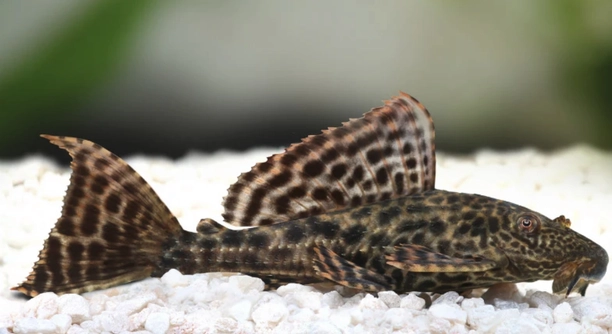
Have you ever set up a tank for your plecostomus and noticed it lingering around decorations or tucked behind rocks and plants?
Plecostomus do like to hide in caves, as it provides them with a sense of security and a dark, quiet place to rest. These hiding spots mimic their natural habitat and help reduce stress in captivity.
Creating safe hiding spots with caves and shaded areas can improve your pleco’s comfort and encourage more natural behaviors over time.
Why Plecos Feel Safe in Caves
Plecostomus are naturally shy fish that come from rivers with lots of driftwood, roots, and rock formations. In their native habitat, they often stay in dark crevices or under submerged logs. This helps them feel safe from larger fish and sudden movements in their environment. In a home aquarium, caves provide that same kind of comfort. These hiding spots also reduce stress levels, which can lead to a healthier fish. Stress in plecos may cause erratic behavior, loss of appetite, or illness. Adding a cave doesn’t just improve your tank’s look—it helps your pleco relax and feel more at home. Whether you use natural-looking rocks, clay tubes, or purchased decor, the effect is the same. The fish has somewhere to retreat to when it feels threatened or needs rest. Plecos are mostly nocturnal, so daytime hiding is part of their routine, not a sign of a problem.
Caves also help plecos feel territorial, which can reduce unnecessary roaming or aggression toward tank mates.
When you provide proper hiding spots, plecos can establish their own space in the tank. This lowers their stress and makes them less reactive.
Best Types of Caves for Plecostomus
You don’t need to overthink your cave choice, but the right shape and size can make a big difference for your pleco.
Clay tubes and natural-looking rock caves are ideal for most plecos. Choose one that is big enough for your fish to enter and turn around in, but not overly spacious. A snug fit helps them feel more secure. Avoid using any decorations with sharp edges or loose parts that could harm your fish. PVC pipes can work too, especially when camouflaged with plants or driftwood. Some plecos prefer horizontal caves, while others are comfortable in slightly vertical hideouts. If your tank has multiple plecos or other bottom-dwellers, it’s best to offer more than one cave to avoid competition. Keep caves placed in calm areas of the tank away from heavy water flow or bright lighting. The more it mimics a quiet riverbed, the better. Monitor how your pleco reacts—if it’s always hiding, there may be other stress factors, but regular use of a cave is usually a good sign.
How Caves Affect Pleco Behavior
Caves allow plecostomus to follow their natural behavior, especially when they’re resting or avoiding bright light. This helps them stay calm and reduces unnecessary movement or interaction with more active fish in the tank.
When plecos have access to caves, you’ll notice they become more predictable in their behavior. They’ll spend much of the day hidden and come out in the evening or at night to feed. This pattern matches their nocturnal nature. Caves give them a routine that supports their natural instincts. Without a proper hiding spot, a pleco might act stressed—darting around the tank or staying rigid behind decorations. A comfortable, dark space helps prevent this. You may also notice less aggression or skittishness when they have their own space. While plecos don’t usually pick fights, they can become territorial if there’s not enough room for everyone.
If you breed plecos or plan to, caves are essential for their mating habits. Male plecos often guard eggs inside the cave until they hatch. A good cave setup encourages this natural process. The male will clean the cave, protect the eggs, and stay close until the fry are ready. Without caves, this behavior won’t happen. Even if you’re not breeding plecos, it’s useful to understand this instinct. A cave serves more than one purpose: it provides shelter, promotes calm behavior, and supports the species’ natural routines. For larger tanks with multiple plecos, include multiple hiding areas to avoid fights. More caves mean less stress and better tank dynamics overall.
When to Add Caves to Your Tank
It’s best to add caves when you first set up your aquarium. This helps plecos settle in quickly and reduces early stress. Adding caves later can still help, but the fish may take time to adjust.
If your pleco is hiding behind the filter or decorations, it may need a better hiding spot. This is a good time to add a cave. Watch how the pleco responds—if it starts using the cave regularly, that’s a positive sign.
Cleaning and Maintaining Pleco Caves
Caves don’t need deep cleaning often, but it’s important to rinse them during regular tank maintenance. Debris and uneaten food can collect inside, especially if your pleco eats in or around the cave. Gently remove the cave and rinse it in old tank water—not tap water—to keep beneficial bacteria alive. Check for algae buildup or sharp edges that might have developed over time. If your pleco is using the cave for breeding, avoid disturbing it too much during that time. A quick visual check is usually enough unless something seems off. Keeping the cave clean helps with water quality and fish health.
Signs Your Pleco Enjoys the Cave
If your pleco regularly rests inside and comes out to eat, it likely feels secure. Staying in the cave during the day and emerging at night is a good sign.
FAQ
Do plecos need caves to survive?
Plecos don’t need caves to survive, but caves help them thrive. Without a proper hiding spot, plecos may feel exposed and stressed, which can weaken their immune system and affect their overall behavior. A cave gives them a place to rest, hide, and feel safe—especially during the day when they’re less active. While they can live without caves, their quality of life improves greatly when they have secure shelter. In tanks with other fish, caves also help plecos avoid unnecessary interactions, giving them peace and privacy.
Can I use anything as a cave for my pleco?
You can use a variety of materials, but they must be safe for aquariums. Ceramic, clay, and smooth rocks are all good choices. Avoid using metal or anything with paint or sharp edges. Even PVC pipes can work if they’re clean and positioned well. Make sure the opening is big enough for your pleco to swim through comfortably. A cave that’s too small can stress or injure your fish. You can also create a natural-looking cave by stacking stones or using driftwood, as long as it’s stable and won’t collapse.
How many caves should I put in my tank?
The number of caves depends on how many plecos or bottom-dwellers you have. One cave per pleco is a good starting point. If you have more than one pleco or other territorial fish, having multiple caves prevents fights over hiding spots. It’s also good to place them in different areas of the tank—some in shaded spots, others in open areas. This gives each fish a chance to claim a space that fits their comfort level. In larger tanks, more caves also create a more natural and enriched environment for your fish.
Do plecos only use caves during the day?
Plecos are mostly nocturnal, so they rest during the day and become more active in the evening. That’s why they tend to use caves more often during daylight hours. You might see them peek out or shift positions, but they usually stay inside or close to their hiding spot until the lights go out. At night, they’ll leave the cave to search for food, explore the tank, and interact more with their surroundings. This day-night routine is completely normal and part of their natural behavior.
Will plecos still come out if they have a cave?
Yes, plecos will still come out—especially when they’re hungry or exploring. Having a cave won’t make them disappear completely. It actually encourages healthier patterns because they feel less stressed. You’ll likely see them more at night or during feeding times. If your pleco is eating well and appears healthy, there’s no concern if it spends much of the day hiding. The key is to look for consistent patterns in their behavior. Sudden changes—like refusing food or not moving at all—may signal other issues unrelated to the cave.
Do baby plecos use caves too?
Yes, young plecos will use caves if they’re available. Smaller caves work better for fry or juveniles since oversized spaces may not feel as secure. Providing different sizes of hiding spots helps young fish feel safe as they grow. In breeding tanks, fry often stay near the area where they hatched. As they become more independent, they’ll explore and claim their own spots. It’s helpful to add extra cover, like plants or small rock structures, so the smaller fish have options while the adults use the larger caves.
Can too many caves cause problems?
Too many caves usually aren’t a problem, but placement matters. If caves take up too much space, your tank may feel crowded, and swimming space could be limited. It’s best to balance open areas with covered spots. Overcrowding with caves can also make cleaning harder, especially if debris collects inside. Just make sure each cave is stable and accessible. If your fish ignore certain caves, try adjusting their location or style. Plecos will usually choose the ones that feel the most secure based on lighting, flow, and surrounding decorations.
Do plecos get territorial over caves?
Yes, especially males. In community tanks, plecos may defend their chosen cave from others. This is more common in smaller tanks or when multiple plecos are present. If fights occur, it’s a sign that more caves or space are needed. Most of the time, though, plecos will settle into their own areas without too much trouble. Giving each fish a clear hiding option helps reduce conflict. Watching how your fish behave around their caves will help you know if changes are needed to improve their comfort and tank dynamics.
Final Thoughts
Plecostomus are peaceful and quiet fish that enjoy their time tucked away in safe, dark spaces. Caves are not a requirement for their survival, but they offer a level of comfort and safety that helps plecos stay calm and healthy. These hiding spots give your pleco a place to rest during the day, help lower stress levels, and allow them to feel secure in their environment. When fish feel secure, they are more likely to behave naturally, eat regularly, and interact in healthy ways. Without a cave, your pleco might stay hidden in corners, behind filters, or under decorations that weren’t made to be hiding spots. That can be stressful for the fish and sometimes even harmful, depending on what they try to squeeze into.
Caves also play an important role in community tanks. Plecos don’t usually go looking for trouble, but they can become territorial over their favorite hiding spots—especially males. If there aren’t enough caves or hiding places in the tank, it may lead to chasing or pushing among fish, which is something you want to avoid. One cave per pleco is a good place to start, and it helps to have a few extra spots scattered throughout the tank, especially if other bottom-dwellers are present. You don’t need to spend a lot on fancy decorations either. Clean PVC pipes, smooth rocks, or ceramic pots can work just fine, as long as they are safe and stable. It’s not about how they look—it’s about making sure your pleco feels protected.
Overall, adding caves to your pleco’s tank is a simple way to improve their daily life. These fish aren’t flashy or active all the time, but they do appreciate structure and stability. A cave helps with that. It encourages natural behavior, makes your pleco feel more at ease, and even helps reduce potential tank stress. Whether you have a common pleco, a bristlenose, or another type, offering a safe place to hide will always be appreciated. Just keep an eye on the size of the cave, how often your pleco uses it, and whether other fish are trying to claim the same space. With the right setup, your pleco will have a cozy spot they can call home, and you’ll get to enjoy watching a relaxed, healthy fish in return.

Hello,
If you enjoy the content that we create, please consider saying a "Thank You!" by leaving a tip.
Every little bit helps us continue crafting quality advice that supports the health, happiness, and well-being of pets around the world, for pets of all shapes, sizes, and species.
We really appreciate the kindness and support that you show us!