
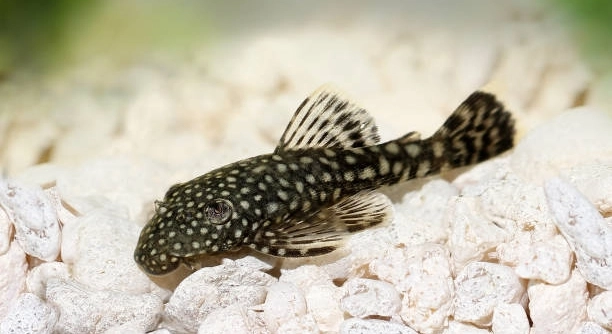
Do you love having a pleco in your tank but find yourself worried about its health?
Various factors in the environment or diet could be negatively impacting your pleco. Common issues like poor water quality, improper diet, and tank mates can contribute to your pleco’s declining health.
Understanding these factors will help you address potential problems and improve your pleco’s overall well-being.
Poor Water Quality
Your pleco’s health is closely tied to the quality of the water it lives in. Dirty or improperly maintained water can stress your fish and lead to various health issues. High levels of ammonia, nitrites, or nitrates are particularly harmful to plecos. These chemicals can be toxic and even lead to death if not controlled. Regular water changes, good filtration, and monitoring water parameters are essential to maintain a healthy environment for your pleco.
Inadequate water changes can also cause a build-up of waste, making the water dirty. Using a water testing kit will help you track levels of harmful substances.
Proper filtration ensures that harmful toxins are removed, while regular maintenance keeps your pleco from getting sick. Maintaining a stable temperature also helps your pleco thrive, as sudden shifts can stress the fish. All these factors combined create a safer and healthier space for your pleco to live in.
Wrong Diet
A poor diet can have long-term consequences on your pleco’s health. Many plecos are herbivores, but they also need a variety of foods. Not feeding your pleco enough vegetables or protein-rich foods can result in malnutrition.
If you’re only feeding your pleco algae wafers, it may not be enough for proper growth. Include options like zucchini, cucumber, or blanched spinach. Also, consider adding sinking pellets or occasional protein sources like shrimp.
Feeding your pleco a balanced diet helps avoid issues like stunted growth, lack of energy, or weakened immune systems. Over time, the wrong diet can lead to more severe health problems, making it crucial to provide variety in their meals.
Overcrowding in the Tank
Too many fish in a tank can stress your pleco. When there isn’t enough space, the water quality quickly deteriorates, and your pleco may become territorial. Overcrowding can also result in aggressive behavior, leading to injuries.
Having too many fish can lead to more waste, which impacts water quality. Plecos need room to swim, hide, and find their food, especially if they’re larger species. An overcrowded tank makes it harder for your pleco to thrive and may even cause it to stop eating due to stress.
Make sure the tank size suits the number and size of your fish. Consider the pleco’s adult size when planning its tank mates and space. Providing plenty of hiding spots and decorations allows your pleco to feel secure, reducing stress and improving its health.
Aggressive Tank Mates
Tank mates that are too aggressive can cause constant stress for your pleco. Some fish may harass the pleco, preventing it from feeding properly or disturbing its rest.
Plecos are generally peaceful, but they are slow movers and may become targets for quicker, more aggressive species. This can result in physical damage to your pleco’s body or fins, making it more vulnerable to infections.
Choosing tank mates that are peaceful and similar in size ensures your pleco isn’t stressed out. Consider fish species that are calm and won’t disturb your pleco. Also, adding plenty of hiding spots can give your pleco a safe retreat when it needs to rest.
Inadequate Tank Maintenance
Not cleaning the tank regularly can lead to harmful bacteria growth. Dirty tanks increase the chance of diseases and parasites that can hurt your pleco.
Tank cleaning includes removing uneaten food, waste, and algae. Poor filtration or clogged filters also contribute to poor water quality, affecting your pleco’s health.
Regularly check the filter, do partial water changes, and clean decorations to keep the tank clean. Keeping up with maintenance ensures your pleco stays healthy, and the water remains safe for its environment.
Stress from Strong Lighting
Strong lighting can cause stress for your pleco, especially since they prefer low-light environments. Bright lights can make them feel exposed, leading to anxiety.
Plecos naturally hide in darker, quiet spots in the wild. If the lighting is too bright, your pleco might hide more often or become inactive. A dim light or natural light cycle can help your pleco feel more at ease.
Providing shaded areas or adjusting the light can create a better environment for your pleco. Aim for a balanced light that mimics their natural habitat for optimal well-being.
Poor Water Temperature
Water temperature fluctuations can be harmful to your pleco. Plecos thrive in stable temperatures, usually between 74°F and 80°F.
Drastic changes in temperature can stress your pleco, making it more susceptible to diseases. Using a reliable heater and thermometer will help maintain a steady, comfortable environment for your pleco.
Check your tank’s temperature regularly to avoid sudden drops or spikes. Stability is key for your pleco’s overall health and comfort.
FAQ
What size tank does my pleco need?
Plecos can grow large, so providing a spacious tank is crucial. A minimum of 30 gallons is recommended for smaller species, while larger plecos may require a 50-gallon tank or more. This allows plenty of room for swimming and hiding.
Can I keep multiple plecos in the same tank?
It’s possible, but only if the tank is large enough. Plecos can be territorial, especially as they grow, so they may not get along with others of the same species. Providing plenty of hiding spots can help minimize aggression.
How often should I feed my pleco?
Plecos should be fed once or twice a day. Overfeeding can lead to poor water quality. Offer a variety of foods, including algae wafers, vegetables, and occasional protein sources like shrimp. Remove uneaten food after a few hours to keep the tank clean.
What is the best food for a pleco?
A well-rounded diet is key. Plecos are primarily herbivores but need a mix of plant-based foods, such as zucchini, cucumber, and spinach. Also, provide high-quality algae wafers and sinking pellets for added nutrients. Occasionally, offer protein like bloodworms or shrimp.
Can plecos live with other fish?
Yes, plecos can live with peaceful tank mates. However, avoid aggressive or territorial fish that might harass your pleco. Species like tetras, guppies, or angelfish are typically compatible. Ensure the tank size is adequate and the water conditions are stable.
How do I know if my pleco is sick?
Signs of illness in a pleco include loss of appetite, unusual swimming patterns, discoloration, or visible spots on the skin. If your pleco is hiding more than usual or showing signs of lethargy, it could be a sign of stress or infection. Consult a vet for advice.
Why is my pleco not eating?
If your pleco isn’t eating, it could be due to poor water quality, stress, or an inadequate diet. Check the water parameters and ensure they are within the ideal range. Try offering different types of food and make sure your pleco feels safe and secure in its environment.
How do I take care of a baby pleco?
Baby plecos require a similar environment to adults, but they need smaller food and more frequent feedings. Offer finely chopped vegetables, sinking pellets, and algae wafers. Keep the water quality high with regular maintenance and ensure they have hiding spots for protection.
What’s the ideal water temperature for a pleco?
Plecos prefer water temperatures between 74°F and 80°F (23°C to 27°C). Sudden temperature changes can stress them out. Use a reliable heater to maintain a steady temperature and avoid placing the tank in drafts or areas with fluctuating temperatures.
How do I clean my pleco’s tank?
To clean your pleco’s tank, start by removing uneaten food, debris, and waste. Perform a partial water change every 1-2 weeks, making sure to vacuum the substrate. Clean the filter regularly, but avoid doing everything at once to avoid disturbing the tank’s ecosystem.
Can plecos live without a filter?
A filter is essential for maintaining water quality in your pleco’s tank. Without a filter, harmful toxins can build up, leading to poor water quality and health problems. If you can’t use a filter, you’ll need to do more frequent water changes to keep the tank clean.
Are plecos nocturnal?
Yes, plecos are nocturnal creatures. They are most active at night, when they feed on algae and explore the tank. If your pleco hides during the day, it’s normal. Provide hiding spots, and you’ll likely see them more often after the lights go out.
How do I prevent algae growth in my pleco’s tank?
While plecos help control algae, too much light or overfeeding can lead to excess algae growth. To reduce algae, limit the light cycle to 8-10 hours a day and remove any visible algae from decorations and glass. A balance of clean water and proper feeding will help keep algae in check.
Can I use chemical treatments for my pleco?
Use chemical treatments cautiously, as they can harm your pleco and other tank inhabitants. Always read the label carefully and follow the instructions. It’s often better to address the root cause of issues, like poor water quality or improper tank conditions, rather than relying on chemicals.
Why is my pleco’s skin turning white?
White spots or discoloration on your pleco’s skin may indicate a parasitic or bacterial infection. It could be a condition like ich or velvet. Quarantining the pleco and adjusting water conditions is crucial. Consult a vet for the best treatment plan.
Do plecos need to be acclimated to new tanks?
Yes, plecos should be acclimated to new tanks to reduce stress. Slowly adjust the water temperature and parameters by floating the bag in the tank for 15-20 minutes. Then, gradually add small amounts of tank water to the bag before releasing your pleco into the tank.
What are the different types of plecos?
There are many types of plecos, such as the common pleco, bristlenose pleco, and clown pleco. Each species has its own size and care needs, so research the specific type you have. While the common pleco can grow quite large, others, like the bristlenose, remain smaller and easier to manage.
Can plecos eat meat?
While plecos are primarily herbivores, some species will eat small amounts of meat. A diet mainly focused on vegetables is best, but occasional protein like shrimp, bloodworms, or brine shrimp can be offered. Too much meat can lead to digestive issues.
Do plecos need hiding spots?
Yes, plecos need hiding spots to feel secure. They are naturally shy and will often retreat to darker areas of the tank. Providing caves, driftwood, or plants gives them a place to hide and reduces stress, especially in tanks with other active fish.
How do I breed plecos?
Breeding plecos can be challenging but possible with the right environment. Provide a large, well-maintained tank with stable water conditions. Plecos often breed in caves or crevices, so provide several options. Maintain a temperature around 78°F (25°C) to encourage breeding.
Final Thoughts
Taking care of a pleco is not too difficult if you understand the basic needs of this fish. Ensuring a proper tank size, regular water changes, and maintaining the right water conditions are the first steps toward keeping your pleco healthy. Overcrowding, poor water quality, and inadequate tank maintenance are common mistakes that can lead to serious issues. By being mindful of these factors, you can create a stable and comfortable environment for your pleco to thrive in.
Diet is another important aspect to consider. Plecos are herbivores, but they also need protein and variety in their diet. Feeding them algae wafers, vegetables, and occasional protein sources like shrimp or bloodworms will keep them well-fed and healthy. Overfeeding can lead to water pollution, so always ensure you’re removing any uneaten food after a few hours. A balanced and varied diet will keep your pleco active and strong.
Lastly, it’s important to consider tank mates and hiding spots. Plecos can become stressed if there are aggressive fish or if they don’t have enough space to themselves. Choose peaceful tank mates, and ensure there are plenty of hiding places where your pleco can retreat when needed. Stress can lead to poor health and make it harder for your pleco to eat, grow, or heal from injuries. By keeping a close eye on these factors, you can create an ideal environment for your pleco, helping it live a long and healthy life.

Hello,
If you enjoy the content that we create, please consider saying a "Thank You!" by leaving a tip.
Every little bit helps us continue crafting quality advice that supports the health, happiness, and well-being of pets around the world, for pets of all shapes, sizes, and species.
We really appreciate the kindness and support that you show us!