
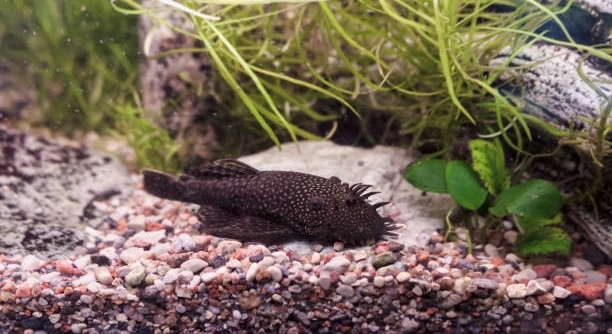
Do you ever find yourself offering the same food to your pleco day after day, wondering if it’s truly enough for them?
Plecos can get bored of the same food over time. While they are not as expressive as other pets, variety in their diet supports better health, keeps them stimulated, and mimics their natural foraging behavior.
Feeding your pleco the same thing may seem convenient, but offering different textures and nutrients can make a meaningful difference.
Why Variety Matters in a Pleco’s Diet
Plecos are known for eating algae, but that’s not all they need. In the wild, they graze on a wide range of plant matter, driftwood, and even small protein sources. When kept in a tank, offering only algae wafers or cucumbers might keep them alive, but it doesn’t give them everything they need to stay healthy. Over time, a repetitive diet can lead to nutritional gaps. Some plecos may even become less active or start to ignore food they once ate eagerly. Rotating food options like blanched vegetables, sinking pellets, and occasional protein-rich treats helps meet their needs. It also keeps them more engaged during feeding. Watching them explore and nibble on different foods can show just how curious and adaptable they are. A varied diet not only supports their digestion and immune system but also encourages natural feeding behaviors that can reduce stress and boredom.
Plecos are more likely to show interest in food when their meals are not always the same.
In addition to health benefits, switching up their food can improve their color, growth, and overall activity. Many plecos enjoy zucchini, spinach, green beans, and shelled peas. You can also add driftwood, which some species need for digestion. Occasionally, you can offer protein like bloodworms or shrimp pellets, depending on their type. For example, carnivorous and omnivorous plecos require more protein than herbivorous ones. Even a small change in diet can make a difference. Try rotating foods every few days or combining different options at feeding time. Feeding them in different ways, like using clips or spreading food along the tank bottom, also stimulates their natural instincts. Just be sure not to overfeed. Remove leftovers to keep the tank clean and healthy.
Signs Your Pleco Might Be Bored
Some plecos lose interest in eating when offered the same food daily. Others may stay hidden more often or become less active overall.
If your pleco used to come out during feeding time but now stays in its hiding spot, that might be a sign. Some plecos will nibble and leave food untouched, or they might pick at tank decor. These behaviors can suggest boredom or even slight stress. It’s important to keep an eye on how they respond to feeding. A healthy pleco should show curiosity and steady interest when you put food in the tank. If that changes, try offering something new. You don’t have to make big changes all at once. Start with one different vegetable or pellet type. Gradually introduce variety and observe what your pleco responds to best. Each one has its own preferences. With a few small adjustments, you can help your pleco stay healthy, active, and more engaged in its environment.
Best Foods to Rotate in Their Diet
Feeding the same thing each day can make your pleco lose interest. Rotating foods keeps them curious and helps meet their nutritional needs. Mixing vegetables, sinking pellets, and occasional protein works well for most types.
Blanched vegetables like zucchini, cucumber, spinach, and green beans are great staples. These can be rotated every few days to prevent boredom and add nutrients. Sinking algae wafers provide balance and are easy to portion. For variety, add shelled peas once a week and rotate in other leafy greens. Just make sure everything is soft enough for them to eat. You can also include wood in the tank, especially for plecos like the Panaque species. It’s not just for chewing—it helps with digestion. Change the veggies often to keep things interesting and remove uneaten food after a few hours to avoid water issues.
Protein should be added based on your pleco’s type. Omnivorous and carnivorous plecos benefit from shrimp pellets, bloodworms, or even slices of fish once a week. Herbivorous plecos, like the Bristlenose, need mostly plant matter but may still enjoy a rare protein treat. Don’t overdo it, though. Too much protein can lead to health issues or tank pollution. Rotate between different food sources to see what your pleco responds to best. Sometimes, it takes a few tries before they accept new foods. If a certain food sits untouched, try a different texture or soften it more. You’ll notice more activity and interest when the diet includes variety that matches their natural habits.
How to Keep Feeding Time Interesting
Changing how and where you place food can keep your pleco more active during feeding. This works especially well with shy or less motivated fish that tend to hide during mealtime.
Try attaching vegetables to clips at different heights or placing pellets in various areas of the tank. Some people even tuck food between rocks or under driftwood. These small changes mimic natural foraging and can make feeding more rewarding. Watching your pleco search and interact with the tank can also help you spot signs of good health or disinterest early. Feeding at the same time every day helps build a routine, but mixing up the presentation prevents mealtime from feeling repetitive. For tanks with more than one pleco or bottom-dweller, spreading out food helps reduce stress and competition. Feeding should be peaceful and engaging, not rushed or aggressive. Keep things fresh, but don’t overwhelm them with too many changes at once.
Foods to Avoid Giving Too Often
Feeding the same vegetable too often, like cucumber or zucchini, can limit the variety of nutrients your pleco receives. These foods are fine in moderation but should not be the only items in their diet.
Too many protein-rich foods can cause health problems. Overfeeding shrimp pellets or bloodworms can lead to bloating or dirty water. Stick to occasional use and always portion carefully.
Safe Feeding Frequency and Rotation
Most plecos do well when fed once a day. Offer a mix of vegetables three to four times per week, switching up the options. Algae wafers or sinking pellets can be included two to three times per week. Protein-based foods should be limited to once or twice a week, depending on your pleco’s type. Rotating between these food groups keeps them healthy and prevents boredom. If a food isn’t eaten within a few hours, remove it to maintain good water quality. Observe your pleco’s energy and appetite to help guide how often you rotate foods.
Signs of a Healthy, Interested Pleco
A healthy pleco will explore the tank, respond during feeding time, and show steady growth over time. Look for regular waste, bright colors, and clear eyes.
FAQ
How often should I feed my pleco?
Plecos generally do well when fed once a day. They are nocturnal creatures, so feeding them at night or late afternoon works best. However, it’s important not to overfeed. A small portion of food that they can finish within a few hours is ideal. Excess food left in the tank can cause water quality issues, so monitor how much they are eating and adjust accordingly. If your pleco is more active or seems particularly hungry, you can increase the amount slightly, but always aim for balance.
What vegetables are best for my pleco?
Plecos enjoy a variety of vegetables like zucchini, spinach, cucumber, and green beans. You can blanch these vegetables (place them in hot water for a few minutes) to soften them, making it easier for your pleco to eat. Avoid raw vegetables that are too hard, as they might be difficult for your pleco to consume. Rotate the vegetables regularly to provide variety and prevent boredom. Squash, peas, and even sweet potatoes can also be good options for variety. Just make sure to remove any uneaten portions after a few hours to avoid tank pollution.
Can I feed my pleco protein every day?
Protein should only be fed to your pleco once or twice a week, depending on the type of pleco. Omnivorous and carnivorous plecos need more protein than herbivores. Shrimp pellets, bloodworms, or even small bits of fish can be used, but overfeeding protein can lead to health problems such as bloating or water quality issues. Always aim for a balanced diet, and avoid feeding protein too often. Stick to plant-based foods like algae wafers and blanched vegetables as the main diet.
Can plecos live on just algae wafers?
Algae wafers are a convenient food source, but they shouldn’t be the only food your pleco eats. Plecos in the wild feed on a variety of algae, plants, and even small protein sources. While algae wafers do provide essential nutrients, they lack the full variety of foods that plecos would normally consume. Supplementing with other foods, such as blanched vegetables or protein sources, is necessary for a balanced diet. Offering a mix of foods ensures your pleco gets the right nutrients and stays healthy.
Why isn’t my pleco eating the food I give it?
There could be several reasons your pleco isn’t eating. First, check if the food is soft enough for them to consume. Some plecos are picky about texture. It could also be that your pleco is bored with the same food every day. Try rotating between different vegetables, sinking pellets, and protein sources. If your pleco is still not eating, check the water quality. Poor water conditions can lead to stress and loss of appetite. Ensure the water is clean, the temperature is appropriate, and the pH levels are stable. If the problem persists, consider consulting a vet.
How do I know if my pleco is healthy?
A healthy pleco should have clear eyes, bright colors, and should be active, especially during feeding times. They will regularly come out of their hiding spots to eat and explore the tank. If your pleco is spending too much time hiding or showing signs of lethargy, it could indicate a health issue. Also, check their waste. Healthy plecos produce firm, normal-looking waste. If you notice any drastic changes in behavior or appearance, it may be a sign to adjust their diet or check for water quality issues.
Can plecos eat fruits?
While plecos primarily thrive on plant-based and protein-rich foods, certain fruits can be a nice treat once in a while. Fruits like apple slices, pear, or watermelon can be offered, but make sure they are not sugary or high in acidity. Always remove uneaten fruit within a few hours to avoid tank contamination. Too much fruit can also disrupt the balance of their diet, so treat it as a special addition rather than a regular part of their meals.
How can I prevent my pleco from getting bored with its food?
To prevent your pleco from getting bored with its food, rotate different types of vegetables, pellets, and occasional protein sources. Offer a variety of textures and feeding methods, such as clipping food to the glass or hiding it around the tank. You can also add driftwood or tank decorations that encourage foraging behavior. Making feeding time more interactive helps stimulate your pleco mentally and physically, which is great for their overall well-being.
Do plecos need to eat algae, or is it just a treat?
Algae is an important part of a pleco’s natural diet, especially for species like the Bristlenose pleco. While they don’t rely solely on algae to survive, it provides essential nutrients and helps with digestion. In a tank, algae wafers or natural algae growth on tank surfaces can mimic this part of their diet. However, don’t rely on algae alone. Plecos also need other plant-based foods like vegetables and occasional protein. A combination of algae and other foods is the best approach to ensure proper nutrition.
Final Thoughts
Feeding your pleco a varied and balanced diet is essential for its health and well-being. While they are often seen as low-maintenance fish, they do have specific dietary needs that should be met to keep them thriving. Offering a mix of vegetables, sinking pellets, and occasional protein helps prevent boredom, encourages natural foraging behavior, and ensures they get all the nutrients they need. While algae wafers are a convenient food option, relying solely on them can lead to nutritional gaps. It’s important to offer other food choices regularly to keep things interesting for your pleco and to meet its dietary needs.
It’s also crucial to observe your pleco’s eating habits and overall health. If your pleco is losing interest in food, it might be a sign that it’s bored or that its diet isn’t varied enough. Changing the types of foods you offer or adjusting how you present them can make mealtime more engaging. Plecos are natural foragers, and making feeding time a more interactive experience can encourage them to eat more and stay active. Always keep an eye on your pleco’s behavior and waste to ensure it is eating properly and that its environment is clean.
Lastly, while feeding is an important part of pleco care, water quality, and tank conditions are just as critical. Poor water conditions can lead to stress and health issues, even if the diet is well-balanced. Regularly check water parameters like temperature, pH, and ammonia levels to ensure they’re within the proper range. By maintaining good water quality and offering a diverse diet, you can help your pleco live a long, healthy, and happy life.

Hello,
If you enjoy the content that we create, please consider saying a "Thank You!" by leaving a tip.
Every little bit helps us continue crafting quality advice that supports the health, happiness, and well-being of pets around the world, for pets of all shapes, sizes, and species.
We really appreciate the kindness and support that you show us!