
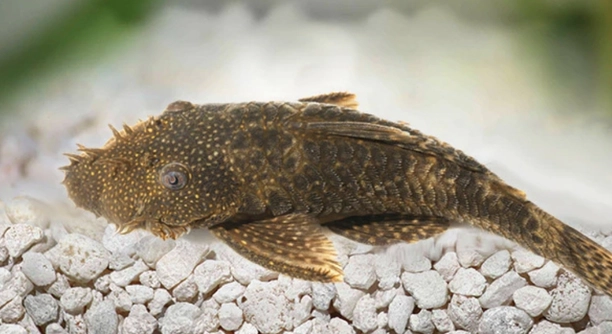
When selecting driftwood for your plecos, it’s essential to choose types that are both safe and beneficial for their environment. Driftwood can provide hiding spots and enhance the tank’s aesthetic. Understanding the right choices is key.
Several types of driftwood are safe for plecos, including Malaysian, Mopani, and Spiderwood. These woods offer hiding places, help with water acidity, and create a natural habitat for your fish. However, some types may alter water quality or leach tannins.
Choosing the right driftwood will contribute to your pleco’s well-being and ensure a stable aquarium environment.
Choosing the Right Driftwood for Plecos
When selecting driftwood for your plecos, it’s important to know which types are safe and beneficial. Driftwood can serve multiple purposes in an aquarium, providing your plecos with shelter and helping to maintain water chemistry. However, not all driftwood is suitable for aquarium use. Some woods may leach harmful substances or affect the water quality, leading to issues like changes in pH. Choosing the right type of driftwood ensures a safe and comfortable environment for your fish. As a general rule, driftwood should be properly treated before adding it to your tank to avoid complications.
Certain types of driftwood are preferred for plecos due to their durability and safety. Malaysian driftwood, for example, is known for its stability and ability to lower water pH. Mopani wood is another option, offering both aesthetic appeal and functional benefits. These types are commonly used in aquariums and are generally safe for plecos when used properly.
By selecting the correct driftwood, you not only provide a natural habitat but also help keep the water conditions stable. Be sure to research each type thoroughly before introducing it into your tank to prevent any unwanted water quality issues.
Preparing Driftwood for Aquarium Use
Before placing driftwood in your aquarium, it’s essential to prepare it properly. This step ensures the wood is free of contaminants and won’t negatively impact water chemistry. Many types of driftwood, especially those that are collected from natural environments, require soaking. This helps remove any dirt, debris, or toxins that could harm your fish. A simple method is to soak the wood in water for several days, changing the water regularly. This process also helps reduce the amount of tannins released into the water, which can discolor it.
If the driftwood floats, it can be weighted down until it sinks. You can use rocks or aquarium-safe materials to hold it in place. Make sure the wood is fully submerged before adding it to the tank. Allow the wood to soak for at least a week to ensure it is safe for your plecos and that it won’t cause any issues once it’s in the aquarium.
Proper preparation of driftwood ensures a smoother integration into your aquarium, creating a stable and pleasant environment for your plecos.
Malaysian Driftwood
Malaysian driftwood is a popular choice for plecos. It’s dense and sinks quickly, making it easy to add to your tank. This wood also helps maintain water acidity, which is beneficial for many freshwater species. However, it can leach tannins, so soaking is necessary before use.
The dark color of Malaysian driftwood adds a natural look to your aquarium. It provides hiding spots for plecos and creates an ideal environment for them to feel secure. The wood’s texture also allows algae to grow, which plecos enjoy grazing on. The wood tends to last long without breaking down, making it a durable option.
Because it may affect water parameters slightly, it’s important to monitor your tank’s pH after introducing Malaysian driftwood. Ensure that the water stays within the desired range for your plecos. If the water becomes too acidic, consider using aquarium supplements to stabilize it.
Mopani Driftwood
Mopani driftwood is another safe and widely-used option for plecos. It’s heavy and dense, making it sink easily without additional weight. Mopani wood provides great hiding places for plecos, who enjoy the nooks and crannies it offers. The wood’s unique appearance adds a striking visual element to your tank.
Like Malaysian driftwood, Mopani wood releases tannins into the water. These tannins can discolor the water, turning it a dark brown. While this is harmless to your plecos, it’s important to soak the wood beforehand to reduce tannin levels. The soaking process also prevents the water from becoming overly acidic.
When properly treated, Mopani driftwood is durable and long-lasting. It’s ideal for plecos because it provides a safe and stable environment. As with any driftwood, monitor the water parameters after introducing Mopani to ensure your tank remains suitable for your fish.
Spiderwood
Spiderwood is a unique type of driftwood that adds a stunning, intricate look to your aquarium. It is lightweight and easy to handle, making it a great option for aquascaping. It also provides plecos with ample hiding spots and crevices to explore.
This wood’s unusual shape makes it a popular choice for aquarium owners who want to create a visually appealing environment. While Spiderwood is relatively safe for plecos, it can still release tannins into the water. To avoid excessive discoloration, it’s best to soak the wood before introducing it to your tank.
Cholla Wood
Cholla wood is often used for both aesthetics and functionality in pleco tanks. It’s a natural wood with a spongy texture, providing great hiding spots for plecos. The wood also helps create a more natural environment, encouraging plecos to explore and forage.
Cholla wood is easy to prepare and sinks well without much effort. It’s often used to create a more rustic look while providing important surface area for algae growth. Algae helps to supplement the pleco’s diet, which is why this wood is especially beneficial in their habitat.
FAQ
What types of driftwood are best for plecos?
The best driftwood types for plecos are Malaysian, Mopani, Spiderwood, and Cholla wood. These varieties are safe, provide excellent hiding spots, and contribute positively to water conditions. Malaysian and Mopani wood help lower water pH, which is beneficial for plecos. Spiderwood and Cholla wood offer intricate shapes and natural textures that plecos enjoy exploring. Always ensure that the driftwood is properly soaked before adding it to your tank to avoid water discoloration and unwanted pH shifts.
Can I use regular wood from outside for my plecos’ tank?
It’s not recommended to use regular wood from outside without proper treatment. Outdoor wood may contain harmful chemicals, pests, or bacteria that can harm your plecos. Additionally, untreated wood can leach tannins or other substances that may affect water quality. Always ensure any driftwood used in your aquarium is specifically intended for aquatic environments and has been properly cleaned and treated.
How do I prepare driftwood before putting it in my pleco tank?
Preparing driftwood involves soaking it for several days to remove any dirt, debris, or harmful substances. Soaking helps to reduce the amount of tannins released into the water, preventing water discoloration. You should also weigh the driftwood down if it floats, using rocks or aquarium-safe materials until it sinks. This ensures the wood stays in place and doesn’t disrupt the tank’s environment. Make sure the water is changed regularly during the soaking process to keep it clean and remove any excess tannins.
Why does driftwood change the water color in my tank?
Driftwood, especially types like Mopani and Malaysian, releases tannins when soaked in water. Tannins are natural compounds that can turn the water a brown or tea-like color. While this isn’t harmful to your plecos, it may make the water look less clear. Some aquarium owners prefer the aesthetic of tea-colored water, while others may choose to reduce tannin levels by soaking the wood longer or using activated carbon to filter out the tannins.
How often should I replace driftwood in my pleco tank?
Driftwood generally doesn’t need to be replaced unless it begins to break down, become brittle, or starts releasing an excessive amount of tannins that can’t be controlled. The lifespan of driftwood depends on the type of wood, the conditions in your tank, and the amount of wear it gets. Always inspect your driftwood for any signs of decay or degradation. If you notice pieces breaking off or becoming excessively soft, it’s time to replace it.
Do plecos eat driftwood?
Yes, plecos are known to chew on driftwood. While their primary diet consists of algae and other plant matter, plecos enjoy nibbling on driftwood to aid their digestion. The wood provides a source of fiber and helps to maintain their overall health. It also encourages natural behaviors, such as grazing and hiding, which are essential for their well-being.
Is it necessary to soak driftwood for plecos?
Yes, soaking driftwood is necessary to remove excess tannins, dirt, and contaminants before introducing it to your tank. Soaking the driftwood for several days ensures it is safe and ready for aquarium use. This process also prevents the wood from floating, making it easier to position it in your tank. Soaking also helps reduce water discoloration, which can occur when tannins are released into the tank. Regular water changes during this process will keep the soaking water clean and free of excess tannins.
Can driftwood affect the pH of my aquarium water?
Yes, certain types of driftwood, like Malaysian and Mopani, can lower the pH of your aquarium water. This can be beneficial for plecos, as they prefer slightly acidic water. However, if the pH drops too much, it may cause stress to the fish. It’s important to monitor the pH regularly and make adjustments as needed. If the pH change is too significant, you may need to remove or replace the driftwood or use supplements to balance the water conditions.
How do I know if driftwood is safe for plecos?
To ensure driftwood is safe for plecos, it should be sourced from reputable suppliers that specialize in aquarium-safe wood. Driftwood types like Malaysian, Mopani, Spiderwood, and Cholla wood are considered safe and suitable for aquarium use. Avoid using wood that has been treated with chemicals or wood from outside sources, as it may contain harmful substances. Always soak the wood properly and monitor the water parameters to ensure the driftwood doesn’t alter the tank conditions negatively.
Can I use driftwood in a tank with other fish besides plecos?
Yes, driftwood is safe to use in tanks with a variety of fish species. However, different species may react differently to the wood, especially if it alters the water conditions. Plecos generally thrive with driftwood, but other species that prefer neutral or alkaline water may be affected by the pH changes that certain types of driftwood can cause. It’s important to ensure the water conditions match the needs of all your aquarium inhabitants. Always monitor the tank’s parameters after adding driftwood to ensure that all fish are comfortable.
Final Thoughts
Choosing the right driftwood for your pleco tank is essential for creating a healthy and comfortable environment. The types of driftwood you select will affect the water quality and aesthetics of your aquarium. Malaysian, Mopani, Spiderwood, and Cholla wood are all suitable options, each offering unique benefits. Malaysian and Mopani driftwoods are known for their ability to help lower the pH of the water, which plecos prefer. Spiderwood and Cholla wood add visual interest and provide excellent hiding places for plecos. Each of these driftwoods can improve the overall health of your plecos by offering grazing surfaces for algae and natural textures for exploration.
It’s important to properly prepare driftwood before adding it to your tank. Soaking the wood for several days helps remove excess tannins, dirt, and other contaminants. This process will also prevent your water from becoming too discolored and ensure the driftwood sinks properly. While driftwood can naturally leach tannins, which may affect water color, this is usually harmless to plecos. However, soaking the wood helps reduce the release of tannins, ensuring that your aquarium remains visually appealing and safe for your fish. Regular water changes and monitoring of water parameters are also necessary to maintain the right conditions.
Driftwood plays a key role in the health of your plecos. It provides them with a safe and secure environment, essential for their well-being. Not only does driftwood offer hiding spots, but it also encourages natural behaviors like grazing, which are important for their digestion. Although it may alter the water’s pH and color, these changes can benefit your plecos if managed correctly. By choosing the right driftwood and preparing it properly, you’ll ensure that your plecos thrive in their environment. Always keep an eye on the water quality and make adjustments as needed to maintain a healthy aquarium.

Hello,
If you enjoy the content that we create, please consider saying a "Thank You!" by leaving a tip.
Every little bit helps us continue crafting quality advice that supports the health, happiness, and well-being of pets around the world, for pets of all shapes, sizes, and species.
We really appreciate the kindness and support that you show us!