
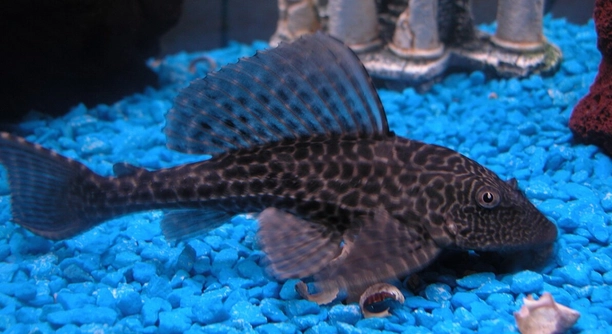
A Plecostomus, or Pleco, is a popular freshwater aquarium fish. As these fish grow, they may require more space to thrive. Recognizing the signs that your tank may be too small is important for their well-being.
As Plecos grow, their tank requirements change. When a tank becomes overcrowded, the fish may show signs of stress, such as stunted growth, poor water quality, or aggression toward tankmates. These indicators suggest the need for a larger tank.
Taking the right steps can ensure your Pleco remains healthy and comfortable in its environment.
Signs of Overcrowding in Your Pleco’s Tank
Overcrowding in an aquarium can lead to several issues. Plecos, as they grow, need more space to swim and feed comfortably. If the tank is too small, your Pleco may display signs of stress such as reduced activity or hiding more often. These behaviors occur because the fish feel confined and unable to move freely. The water quality can also deteriorate quicker in a crowded tank, causing an increase in toxins and a reduction in oxygen levels. If your Pleco is spending most of its time in hiding or not as active as usual, it could be an indication that the tank size is no longer suitable for its size and needs.
Many factors can affect the size of the tank your Pleco needs. Water quality, other tankmates, and the Pleco’s size all play a role. As the Pleco matures, its tank size should be adjusted accordingly.
It’s essential to understand that Plecos are bottom dwellers and need space for their natural behaviors. A cramped tank not only affects their physical health but can also reduce their lifespan. If you notice signs of stress, it’s important to consider whether your tank is adequately sized.
Water Quality and the Pleco’s Health
Water quality is essential for maintaining a healthy environment for your Pleco.
A crowded tank often leads to poor water conditions. High levels of ammonia, nitrates, and nitrites build up quickly in smaller tanks, which can harm your fish. Regular water changes are vital to remove toxins, but even with good maintenance, a small tank may still struggle to maintain ideal water conditions.
When the tank is too small, water filtration may not be sufficient to handle the waste produced by your Pleco. This leads to an increase in pollutants, which could result in health issues such as fin rot or stress. Regular testing of water parameters is crucial to avoid these issues. If water quality is compromised, your Pleco may exhibit signs of illness, such as discoloration or loss of appetite. A larger tank provides better filtration and space, allowing for a more stable environment.
Increased Aggression Among Tankmates
When the tank becomes overcrowded, your Pleco may start to act aggressively. Space limitations can make fish more territorial, leading to increased fights. Plecos, particularly when stressed, may become more defensive, especially around food. Other fish in the tank could become targets for aggression as a result of this behavior.
Larger Plecos need space to establish territories. If the tank is too small, they may feel threatened and act out by chasing or nipping at their tankmates. This aggression can lead to injuries, particularly for smaller or more timid species. Overcrowding also limits the Pleco’s ability to retreat and find peaceful spaces within the tank.
Aggression not only affects the Pleco but also the other inhabitants. Fish that feel constantly threatened or stressed may not thrive and could become ill. For the overall health of your aquarium, it’s vital to provide enough space to reduce this territorial behavior.
Stunted Growth and Development
A small tank can stunt the growth of your Pleco. Limited space and poor water quality can prevent them from growing to their full potential. As the fish struggles in a confined space, its growth rate slows down significantly, affecting its overall health.
Plecos are fast-growing fish when kept in suitable conditions. However, when confined to a smaller space, their growth can be restricted, and they may remain smaller than usual. The lack of adequate swimming area and the stress from overcrowding can interfere with their development, which may affect their immune system. This can make them more susceptible to diseases and infections.
To ensure your Pleco grows healthy and strong, a larger tank is essential. A spacious environment promotes better health, faster growth, and overall well-being. When given enough room, Plecos can grow to their full size and reach their maximum potential.
Limited Space for Feeding
A small tank limits your Pleco’s access to food. With less space to forage, they may not get enough nourishment. When confined, they can struggle to find food, leading to poor health and stunted growth. The issue worsens when multiple tankmates are competing for the same resources.
Plecos are bottom feeders and often scavenge for food in their environment. If the tank is overcrowded, they may have to compete with other fish for available food, and not all will get their fair share. This leads to malnutrition, as they may not be able to find enough algae or other food sources they prefer. A larger tank ensures they have space to access food and maintain a healthy diet.
Poor Tank Maintenance
In a small tank, maintenance becomes more challenging. Cleaning becomes more frequent, and it’s harder to maintain stable water parameters. The small volume of water makes it more difficult to manage changes, leading to increased risks of water quality issues.
A small tank also has a limited filtration capacity, making it harder to manage waste. When a Pleco produces waste in a cramped environment, the buildup of toxins can be faster, overwhelming the filtration system. Regular maintenance becomes essential, but even with proper care, a small tank is more prone to water imbalances, causing stress on your Pleco.
Impact on Tank Aesthetics
When a Pleco outgrows its tank, it can impact the overall aesthetics of the aquarium. The Pleco might not be able to display its natural behavior, and the tank can feel overcrowded. This can result in a less visually appealing aquarium.
FAQ
How big should my tank be for a Pleco?
A Pleco requires a tank size that allows it to grow to its full size comfortably. Generally, a minimum of 75 gallons is recommended for adult Plecos. However, the size may vary depending on the species. Some smaller Plecos may do fine in a 30-50 gallon tank, but larger species, like the common Pleco, need more space. When determining the right size, consider both the Pleco’s growth rate and the tank’s ability to maintain water quality.
Can my Pleco survive in a 20-gallon tank?
A 20-gallon tank is typically too small for a Pleco. While juvenile Plecos may fit in a smaller tank, they grow quickly and will soon outgrow the space. Once they reach adulthood, they require more room to swim, feed, and maintain good water quality. It is better to start with a larger tank to accommodate their growth and ensure their well-being.
How can I tell if my Pleco needs a bigger tank?
If your Pleco is consistently hiding, seems lethargic, or shows signs of stress like excessive fin flicking or scratching, these may be indications that the tank is too small. Additionally, if the water quality is consistently poor despite regular maintenance, it may be a sign that the tank cannot handle the waste produced by your Pleco. A noticeable growth rate slowdown is another sign that your Pleco might need more space.
What happens if my Pleco outgrows its tank?
If a Pleco outgrows its tank, it may suffer from stunted growth, poor health, and increased stress. The confined space can also lead to aggressive behavior toward other tankmates and a drop in water quality. This may result in a weakened immune system, making the Pleco more susceptible to illness and parasites. A larger tank will provide the necessary space for the Pleco to thrive.
How often should I clean the tank when I have a Pleco?
Tank cleaning depends on the tank’s size, the number of fish, and the filtration system. However, for tanks housing Plecos, a general rule is to perform partial water changes every 1-2 weeks, cleaning the substrate and filter regularly. Overcrowding can increase waste, so more frequent cleaning might be needed. It’s important to test water parameters frequently to ensure the environment remains stable for your Pleco.
What type of filter should I use for a Pleco tank?
A good filter is essential for maintaining water quality in a Pleco tank. Plecos produce a significant amount of waste, and a filter with strong mechanical, chemical, and biological filtration is necessary. A canister filter or a powerful hang-on-back filter is recommended for larger tanks, as they offer more filtration capacity. Ensure the filter is suitable for the tank size and provides adequate water circulation without being too strong to stress the fish.
Do Plecos need specific water conditions?
Yes, Plecos have specific water condition requirements. They generally prefer water temperatures between 72°F and 78°F (22°C to 25°C) and a pH level between 6.5 and 7.5. Ammonia and nitrite levels should always be at 0 ppm, and nitrate levels should stay under 20 ppm. Regular water testing is essential to monitor these conditions, as poor water quality can lead to stress and health issues for your Pleco.
Can I keep more than one Pleco in the same tank?
It depends on the tank size and the species of Pleco. Some species are more territorial than others and may fight if kept together in a small space. If you plan to keep more than one Pleco, make sure the tank is large enough to accommodate both fish, and provide plenty of hiding spaces. For species that are more social, keeping them together may be fine as long as space and water quality are maintained.
What do I feed my Pleco?
Plecos are primarily herbivores, and their diet should consist mainly of plant matter. They enjoy algae, which can be supplemented with sinking vegetable wafers, blanched vegetables like zucchini or cucumber, and occasional fruits. Some species of Plecos may also eat small amounts of protein, like frozen bloodworms or shrimp. Ensure the food is suitable for your specific type of Pleco and avoid overfeeding.
How do I prevent my Pleco from becoming too aggressive?
Aggression in Plecos can be reduced by providing adequate space, hiding spots, and proper tank mates. Overcrowding, lack of food, and poor water quality can contribute to territorial behavior. If you notice your Pleco becoming aggressive, consider upgrading the tank size or rearranging the decor to break up sight lines and give the fish areas to retreat. Additionally, make sure the Pleco has enough food to avoid competition with other fish.
What should I do if my Pleco is showing signs of stress?
If your Pleco is showing signs of stress, such as hiding, rapid gill movement, or loss of appetite, assess the tank environment. Check the water quality, temperature, and pH levels to ensure they are within the ideal range for Plecos. Stress can also be caused by overcrowding or incompatible tank mates. If necessary, provide a larger tank or rehome other fish to alleviate the stress on your Pleco.
Do Plecos need to be in a species-only tank?
No, Plecos do not need to be in a species-only tank. They can live with other peaceful fish species as long as they are compatible in terms of water parameters and temperament. However, some Plecos can be territorial, especially as they grow larger. It’s important to avoid keeping them with overly aggressive or fin-nipping fish. Proper tank size and adequate hiding places can help mitigate potential conflicts.
How can I provide better space for my Pleco?
Providing better space for your Pleco involves upgrading to a larger tank as they grow. The tank should be equipped with proper filtration, sufficient hiding places, and plants or driftwood to replicate their natural environment. Maintaining stable water quality is also crucial. A larger tank with appropriate tank mates will provide a more comfortable and healthy environment for your Pleco.
Final Thoughts
When caring for a Pleco, tank size is one of the most important considerations. A tank that is too small can lead to a variety of health issues for your Pleco, including stress, poor growth, and decreased water quality. These problems can also affect the other fish in the tank. As Plecos are bottom dwellers, they require space to swim, forage, and find food. Inadequate space can prevent them from engaging in natural behaviors, leading to overall discomfort. For the health of your Pleco, providing a larger tank is essential.
It is important to remember that Plecos can grow quite large, especially the common species. If you plan to keep a Pleco for the long term, a tank size of at least 75 gallons is usually the best choice. Smaller tanks might suffice for young Plecos, but once they reach adulthood, they need more room. The extra space will allow them to move around freely, reducing stress and helping to maintain the water quality. In addition, larger tanks are easier to maintain because they help stabilize fluctuations in water parameters. Over time, investing in a larger tank will lead to a healthier and happier Pleco.
In conclusion, the size of the tank plays a crucial role in the overall well-being of your Pleco. Keeping your Pleco in a tank that is too small can lead to a range of issues, such as stunted growth, poor water quality, and increased stress. A larger tank provides more space for the Pleco to grow, thrive, and maintain a healthy lifestyle. As your Pleco grows, continue to monitor its health and adjust the tank environment as needed. A spacious tank is the key to a long, healthy life for your Pleco.

Hello,
If you enjoy the content that we create, please consider saying a "Thank You!" by leaving a tip.
Every little bit helps us continue crafting quality advice that supports the health, happiness, and well-being of pets around the world, for pets of all shapes, sizes, and species.
We really appreciate the kindness and support that you show us!