
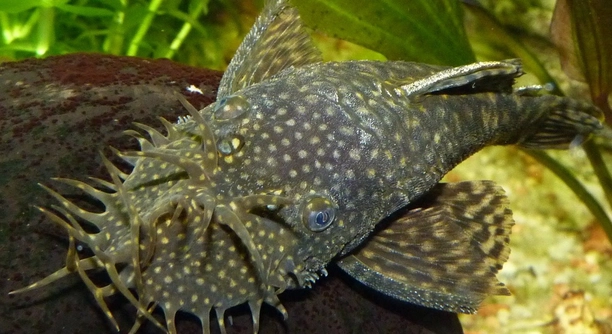
Feeding your pleco can be a challenge, especially when it comes to deciding when to feed them. Many aquarium owners wonder if it’s okay to feed their fish after the lights go out. This is a common question.
Feeding your pleco after lights out is generally acceptable, but it’s important to monitor water quality and ensure that food does not decay in the tank. It’s best to avoid overfeeding and always clean up uneaten food promptly.
Understanding the factors surrounding nighttime feeding can help ensure your pleco remains healthy while maintaining a clean tank environment.
Benefits of Feeding Your Pleco After Lights Out
Feeding your pleco after the lights go out can have several advantages. Plecos are nocturnal creatures, meaning they are more active at night. Offering food when the lights are off ensures your fish can easily find and consume the food. This timing can also reduce stress for the pleco, as they won’t feel as exposed to activity in the tank. Moreover, feeding them at night mimics their natural feeding pattern, allowing them to forage for food without interference from other fish. The pleco can graze at its own pace without being disturbed by bright lights or other tank inhabitants.
Feeding at night can also keep your pleco engaged in its natural behavior. The darkness provides a more suitable environment for the pleco to explore its surroundings and find food naturally.
Plecos play an important role in keeping your aquarium clean. They consume algae and detritus, helping maintain water quality. By offering food after lights out, you also allow them to receive more of the nutrients they need to support this important function. However, it is important to monitor water quality after feeding to prevent excessive waste build-up. Uneaten food can decay and degrade water quality, leading to potential problems for your fish. Regular water changes and cleaning the tank substrate can help keep your pleco’s habitat healthy.
Risks to Consider When Feeding at Night
Feeding your pleco at night may not always be the best option. If you tend to overfeed or leave uneaten food for too long, you risk polluting the tank. Leftover food can quickly decompose, causing a spike in ammonia or nitrate levels, which could stress your pleco or other tank inhabitants. This can lead to harmful water conditions that are difficult to correct without significant intervention. In addition, plecos may be less active during the day if they are constantly fed at night, as they may have built up enough energy from nighttime feeding.
Monitoring the tank’s conditions is essential to ensure your pleco stays healthy while enjoying nighttime feeding. Regular testing of water parameters and prompt removal of uneaten food is key. Keeping a balanced feeding schedule and feeding appropriate amounts will help prevent water quality issues.
Best Foods to Feed Your Pleco at Night
When feeding your pleco at night, choose foods that are easy to digest and provide essential nutrients. Algae wafers, sinking pellets, and fresh vegetables like zucchini or cucumber are good options. These foods mimic their natural diet and are more likely to be consumed in the dark. Ensure the food sinks properly, as plecos prefer to forage near the bottom of the tank.
Algae wafers are a great staple, offering the pleco the necessary fiber and nutrients. They can be broken into smaller pieces, ensuring your pleco can finish them without leaving leftovers that may pollute the water. Fresh vegetables like zucchini or cucumber can be cut into thin slices, making them easy for the pleco to consume. Offering variety helps maintain your pleco’s health, providing a mix of essential vitamins and minerals. Avoid overfeeding, as any uneaten food can affect water quality, especially when feeding at night.
Another important consideration is the amount of food. Plecos are often more active at night, which might encourage overeating. It’s essential to offer a small amount of food that the pleco can consume within a few hours. This will help maintain tank cleanliness and ensure that the pleco receives the right amount of nutrition. Always monitor the food consumption and remove any leftovers before they decay.
Monitoring Your Tank After Night Feeding
After feeding your pleco at night, it’s crucial to monitor the water quality. Excess food or waste can lead to spikes in ammonia, nitrites, or nitrates, which can harm the fish. Test the water regularly to ensure that levels remain stable.
Keeping a close eye on the pleco’s environment after feeding can prevent problems. Uneaten food may sink to the bottom and decay, introducing harmful bacteria into the tank. If you notice the water becoming cloudy or the pleco showing signs of stress, you may need to adjust your feeding habits. Regular water changes and tank maintenance are key to maintaining a healthy environment for your pleco.
To prevent any water quality issues, consider removing any leftover food after a few hours. Plecos are nocturnal, so they may not finish the food immediately. By clearing uneaten food promptly, you’ll help reduce the risk of water contamination. Keeping your tank clean will also ensure that your pleco remains healthy and active.
How Often to Feed Your Pleco at Night
Feeding your pleco once a day, preferably in the evening or after lights out, is often enough. They are scavengers and can go without food for extended periods, especially if they are grazing on algae. Overfeeding can lead to poor water quality and health problems.
It’s essential to avoid feeding your pleco multiple times during the night. A single feeding should suffice, with the amount of food adjusted to ensure it is consumed by morning. If the pleco does not finish the food within a few hours, it’s better to remove it and reduce future portions.
Plecos are opportunistic feeders, and while they enjoy a variety of foods, their needs are usually met with a once-daily feeding schedule. This approach prevents overfeeding and ensures that your tank remains clean. By feeding at night, you align with their natural behavior, providing them the opportunity to forage without interruption.
Nighttime Feeding and Other Tank Inhabitants
While feeding your pleco at night, keep in mind the behavior of other tank inhabitants. Some species may be more active during the day and may not appreciate food being left overnight.
If you have other fish in the tank, make sure they’re not competing for food once it’s dark. Plecos are slower feeders, so you don’t want other fish to consume the food before your pleco has a chance to eat. If necessary, use a feeding ring to help direct food to your pleco.
Water Quality Maintenance After Feeding
After feeding your pleco, it’s crucial to maintain water quality. Remove any uneaten food within a few hours to avoid it decaying and affecting the water. Overfeeding, in particular, can lead to an excess of waste and nutrients, which can harm the fish.
FAQ
Should I feed my pleco every night?
Feeding your pleco every night is generally fine, but it depends on your pleco’s size, age, and tank conditions. As nocturnal creatures, plecos tend to be more active in the evening, making nighttime feeding ideal. However, overfeeding can lead to poor water quality, so be mindful of the portion size. Feeding once a day is often enough to meet their nutritional needs.
Can I leave food in the tank overnight for my pleco?
It’s not recommended to leave food in the tank overnight. Plecos are slow feeders, and uneaten food can rot, which leads to water quality issues. If food is left too long, it may decompose, leading to spikes in ammonia and other harmful substances in the water. Always remove leftovers within a few hours.
What should I feed my pleco at night?
Plecos enjoy a variety of foods, including algae wafers, sinking pellets, and fresh vegetables like zucchini or cucumber. Algae-based foods are particularly important for their diet. Choose foods that sink to the bottom, as plecos tend to forage there. Fresh vegetables can be a great addition, providing them with extra nutrients.
How much should I feed my pleco at night?
You should feed your pleco only what it can consume in a few hours. Start with a small amount and observe how much the pleco eats. If the food is consumed quickly, you can offer more next time. Overfeeding can lead to waste buildup and deteriorate the water quality. Always remove any uneaten food promptly.
How do I know if my pleco is getting enough food?
If your pleco seems active, has a healthy appearance, and is foraging during the night, it’s likely getting enough food. If it appears underweight or lethargic, it may need more food. Observe its eating habits, and ensure the food you offer is being consumed within a reasonable time.
Can I feed my pleco live food at night?
Yes, you can feed your pleco live food, such as worms or brine shrimp, occasionally. However, live food should not be a regular part of its diet, as it may lead to imbalances in nutrition. Stick to algae wafers, sinking pellets, and vegetables for the majority of its meals.
Will my pleco eat the leftover food from other fish?
Plecos will often eat leftover food from other fish, especially if it sinks to the bottom. However, they should not rely solely on this. It’s important to provide a balanced diet specifically suited to plecos, which includes algae and other nutrients they require to stay healthy.
Can I feed my pleco frozen food at night?
Frozen food, such as bloodworms or brine shrimp, is a good occasional treat for plecos. Ensure that the food is fully thawed before feeding to avoid water temperature issues. Frozen foods are high in protein but should not be the primary food source, as they lack the fiber that plecos need for optimal digestion.
How long can my pleco go without food?
Plecos can go for several days without food, especially if they have access to algae and other natural food sources in the tank. If your pleco appears healthy and well-fed, it can survive without regular feeding for a while. However, it’s not advisable to leave them without food for extended periods as it can affect their health in the long run.
Can I feed my pleco only vegetables?
While vegetables are a great addition to your pleco’s diet, they should not be the only food source. Plecos need a balanced diet that includes algae and other nutrients. Vegetables like zucchini, cucumber, and spinach can supplement their diet, but it’s essential to offer algae wafers or sinking pellets as well.
Should I stop feeding my pleco if it’s not eating at night?
If your pleco isn’t eating at night, first check the water quality and make sure the food you are offering is appropriate. Stress, poor water conditions, or even the presence of other fish competing for food can affect your pleco’s appetite. It’s worth adjusting the food offered and checking the tank’s health before stopping feeding altogether. If the issue persists, consider consulting with a vet.
Do plecos need a special light for nighttime feeding?
No, plecos do not need a special light for nighttime feeding. As nocturnal creatures, they are naturally adapted to feeding in low light. It’s better to feed them after the main tank lights are off, as this allows them to forage in a more natural environment. Ensure the tank has a healthy environment without excessive light, as bright lighting can cause stress.
Can plecos eat fruit at night?
While plecos can eat certain fruits, such as apples or berries, it’s important to do so in moderation. Fruit contains sugars that aren’t ideal for plecos in large amounts. Offering small pieces of fruit occasionally can be a good way to add variety to their diet. Just make sure the fruit is cut into small pieces and does not stay in the tank for too long.
What happens if I overfeed my pleco at night?
Overfeeding your pleco can lead to several problems. Excess food will decay and release harmful substances like ammonia into the water, affecting both the pleco’s health and the overall water quality. Overfeeding can also lead to obesity in plecos and cause them to become sluggish. Always monitor how much food your pleco consumes and remove any uneaten portions promptly.
Can I feed my pleco more than once a night?
Feeding your pleco more than once a night is not necessary and could lead to overfeeding. A single feeding at night is typically sufficient to meet their nutritional needs. Plecos are slow eaters and may not finish the food immediately. Monitor how much your pleco consumes and avoid offering excess food to prevent water quality issues.
Final Thoughts
Feeding your pleco at night can be beneficial, as they are naturally nocturnal creatures. A single feeding at night is typically enough, as they are slow eaters and prefer to graze on algae and other food sources. It’s important to provide them with a balanced diet that includes algae-based foods, sinking pellets, and occasional vegetables like zucchini or cucumber. Overfeeding should be avoided, as it can lead to excess waste in the tank, affecting both the pleco’s health and the water quality. By observing their eating habits, you can ensure they get the right amount of food while keeping the tank clean.
Water quality plays a crucial role in the health of your pleco. Any uneaten food should be removed promptly to avoid decay, which can cause harmful spikes in ammonia and other chemicals. The key to maintaining a healthy environment for your pleco is balancing their food intake with good tank maintenance practices. Regular water changes, monitoring the tank’s filtration system, and removing waste build-up will help prevent water contamination. Maintaining a clean environment is essential not only for your pleco but for any other fish or creatures living in the same tank.
Ultimately, feeding your pleco at the right time, with the appropriate amount of food, will keep them healthy and happy. Avoid overfeeding, and focus on offering high-quality foods that match their dietary needs. Plecos are resilient creatures, but their long-term well-being depends on how well their diet and tank conditions are managed. By following a regular feeding schedule and keeping the water quality high, you can help your pleco thrive in its aquatic home.

Hello,
If you enjoy the content that we create, please consider saying a "Thank You!" by leaving a tip.
Every little bit helps us continue crafting quality advice that supports the health, happiness, and well-being of pets around the world, for pets of all shapes, sizes, and species.
We really appreciate the kindness and support that you show us!