
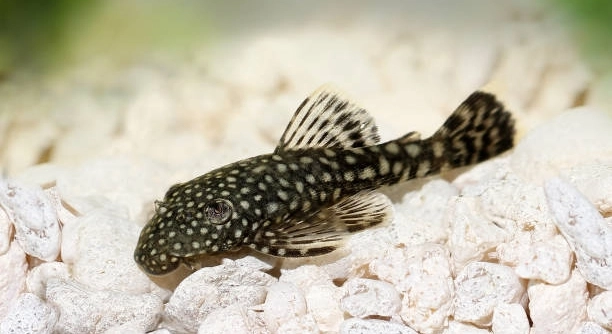
Do you ever find yourself wondering if your pleco is feeling lonely in its tank, even when it looks perfectly fine?
Plecos can show signs of loneliness through reduced activity, lack of appetite, unusual hiding behavior, and decreased interaction with their environment. These behaviors may indicate the need for environmental enrichment, companionship, or adjustments in tank setup.
Recognizing these signs early can help you create a more comfortable and stimulating environment for your pleco’s overall well-being.
Reduced Activity and Lack of Movement
When plecos become less active, it can be a clear sign they are not mentally or socially stimulated. While they are generally nocturnal and calm, they should still show interest in their surroundings during active hours. A lonely pleco may stop exploring or grazing, spending most of its time resting in one spot. This behavior can come from stress, boredom, or a lack of interaction. A tank that lacks proper enrichment, hiding spots, or tank mates can contribute to this issue. Providing driftwood, caves, and surfaces for algae grazing helps encourage natural behaviors. Adding peaceful fish that share similar environmental needs may also promote engagement and activity. It’s important to observe any change in routine, especially if the pleco was once more active.
A pleco that no longer explores its tank may need more environmental stimulation or a better social setting to stay healthy and comfortable.
If you notice this drop in movement, start by checking the tank setup. A larger space with more hiding areas or textured surfaces can help. Dim lighting during active hours can also encourage nighttime behaviors. If compatible, introducing calm tank mates can reduce isolation. Keep an eye on interactions and make changes gradually to avoid stress.
Poor Appetite or Eating Less
A sudden drop in appetite can be linked to stress or loneliness, especially in solitary or poorly enriched tanks.
When plecos feel isolated or uncomfortable, their natural routines often change. Eating less is a strong indicator that something may be off in their environment. Plecos are usually slow eaters, but they still graze regularly and should be seen eating algae, vegetables, or sinking wafers. If yours stops showing interest in food, rule out common causes like illness or poor water quality first. If those are fine, emotional stress might be the issue. A bland environment or lack of stimulation may lower their interest in feeding. Adding new textures, objects, or even soft tank mates can sometimes improve their behavior. Monitor how quickly food disappears and look for any signs of leftover food going untouched. Adjust the tank setup as needed to support healthier, more regular eating habits over time.
Unusual Hiding or Isolation
If your pleco is hiding more than usual or staying in one spot all day, it may be due to emotional discomfort or loneliness. Excessive isolation, especially in a quiet tank, can be a response to limited stimulation.
Plecos enjoy hiding places, but they still need mental stimulation and a sense of safety. A lonely or bored pleco may spend more time tucked away, refusing to interact with the tank. It’s helpful to create a layout with multiple hiding options while still leaving open areas for movement. Rearranging tank decor can also make things more interesting. When plecos feel mentally engaged, they are more likely to come out and graze, even if briefly. Consider adding plants, driftwood, or new textures they can explore. Just a few changes in setup can support more natural activity. Check for changes in behavior, and act early to improve their comfort level.
Sometimes, a pleco may isolate itself if the tank is too quiet or lacks tank mates. Though not all plecos need company, some species do better with compatible fish that don’t compete for space or food. Fish like peaceful tetras or corydoras can help encourage normal activity. A more active tank can improve their comfort level. Always monitor compatibility and avoid aggressive species. If social additions don’t help, focus on enriching the tank space with new textures and layouts. Over time, even subtle changes can help your pleco feel more secure and engaged.
Lack of Interaction with Tank Mates
A pleco that ignores other fish or avoids interaction might be experiencing loneliness or stress. While plecos are mostly solitary, some still show mild interest in their surroundings when they feel safe and comfortable in their tank.
If your pleco doesn’t respond to nearby movement or activity, it could be withdrawing due to poor tank conditions or lack of engagement. Even simple behaviors like slow swimming near others or grazing near community fish can indicate better comfort. Watch for changes and make gradual adjustments to tank enrichment or social setup.
Unusual or Repetitive Behaviors
Repetitive swimming patterns, constant pacing along the glass, or rubbing against objects can point to boredom or lack of stimulation. These behaviors are not always a medical issue but may reflect a need for environmental changes. Introducing plants, wood, or rearranging the layout can provide variety and reduce these patterns.
Dull or Faded Coloration
Color changes in plecos may be linked to emotional stress or environmental discomfort. A lonely pleco might appear paler or duller than usual.
FAQ
Can plecos live alone, or do they need company?
Plecos are generally solitary fish, but some species do better with company. It depends on the specific pleco type you have. Some can thrive alone in a peaceful, well-enriched tank, while others may benefit from compatible tank mates. However, they are not schooling fish, and it’s important to choose calm, non-aggressive companions. If your pleco is isolated and seems stressed, adding peaceful species like corydoras or small tetras could help. Just ensure there’s enough space and hiding spots for each fish to feel secure.
What are the best tank mates for a pleco?
The best tank mates for a pleco are species that do not compete aggressively for food or space. Smaller, peaceful fish like tetras, guppies, or corydoras are good options. Avoid larger, territorial fish that may bully the pleco or try to take its food. Ensure the tank has plenty of hiding places and room to roam, so all fish can coexist without stress. Also, make sure the tank has a proper filtration system, as plecos produce a lot of waste.
How can I tell if my pleco is stressed?
Signs of stress in plecos include changes in behavior, like hiding more frequently, rubbing against tank surfaces, or unusual swimming patterns. They may also stop eating or show changes in coloration, such as dull or faded skin. Poor water quality, aggressive tank mates, or inadequate tank size can contribute to stress. Regular water changes and ensuring a proper tank setup can help reduce stress.
What are some common signs of loneliness in plecos?
Loneliness in plecos may be displayed through lack of movement, hiding more often, or appearing uninterested in food. Plecos need environmental enrichment to stay mentally engaged, and without it, they may become withdrawn. If your pleco is less active than usual, consider adding new objects, like driftwood, plants, or tank mates, to stimulate them.
Do plecos need a lot of space?
Yes, plecos need a spacious tank to thrive. Even though they start small, plecos grow large and need enough room to swim freely. A tank size of at least 75 gallons is recommended for larger species. Ensuring that your pleco has enough swimming space, along with hiding places and surfaces to graze on, is essential for their well-being.
How often should I feed my pleco?
Plecos are typically herbivores, feeding on algae, vegetables, and sinking wafers. It’s important to provide food daily, but avoid overfeeding. A balanced diet helps ensure your pleco stays healthy and active. Supplementing their diet with blanched vegetables like zucchini, cucumber, or spinach can also provide variety. Monitor your pleco’s food intake and remove any uneaten food to prevent water quality issues.
Can plecos live with other bottom-dwelling fish?
Plecos can live with other bottom-dwelling fish, but there should be enough space and resources for everyone. Avoid species that are aggressive or territorial. Peaceful species like corydoras or loaches can make good tank mates, as long as the pleco has its own space to hide. It’s essential to make sure there’s no competition for food and that the tank is large enough to accommodate all fish comfortably.
What are the signs that my pleco is happy?
A happy pleco is active and curious about its surroundings. It will often graze on surfaces and explore the tank, especially at night when it is more active. A pleco that’s well-fed and properly housed will interact with its environment, swim freely, and show vibrant colors. Keeping the tank clean, offering a variety of food, and maintaining good water quality are key to ensuring your pleco remains content.
Why is my pleco not eating?
If your pleco is not eating, it could be due to poor water conditions, stress, or loneliness. Check the water parameters, such as temperature, pH, and ammonia levels. Sometimes, plecos stop eating if they are feeling stressed or overwhelmed by their environment. Ensuring a stable, enriched tank environment with enough hiding places and suitable tank mates can help your pleco feel secure and encourage feeding.
How can I help my pleco feel less lonely?
To help your pleco feel less lonely, create an enriching environment that stimulates its natural behaviors. Adding plants, driftwood, and surfaces for grazing can encourage exploration. If your pleco is a species that benefits from companionship, consider introducing peaceful tank mates. Just make sure they won’t compete for food or space.
Is my pleco lonely or just shy?
Plecos can be shy, especially if they are new to a tank. They might take time to adjust and may hide for the first few days or weeks. However, if your pleco continues to isolate itself and shows no interest in its surroundings, it could be a sign of loneliness or stress. Keep an eye on its behavior and make changes to the tank environment if necessary.
Can plecos get along with other types of fish?
Plecos are generally peaceful and get along well with many types of fish, as long as the tank mates are not aggressive or territorial. Community fish like small tetras, barbs, or peaceful gouramis are usually compatible with plecos. Ensure the tank is large enough to accommodate all species and that food is plentiful to avoid competition.
What temperature is best for plecos?
The ideal water temperature for plecos is between 72°F and 78°F (22°C to 26°C). Keeping the water within this range helps maintain your pleco’s health and encourages normal behavior. Sudden temperature changes can stress your pleco, so avoid placing the tank in areas with fluctuating temperatures.
Do plecos need to be in a tank with other fish?
Plecos do not necessarily need other fish, but some species may benefit from the company of peaceful tank mates. If you keep your pleco in a tank by itself, ensure it has enough space and environmental enrichment to stay active. For certain species, adding compatible fish can reduce stress and promote a more balanced tank environment.
Final Thoughts
Observing your pleco’s behavior and adjusting the tank environment can significantly impact its well-being. While plecos are known for being solitary creatures, they still require a comfortable and enriching environment to stay happy and healthy. If your pleco is showing signs of loneliness, stress, or unusual behavior, it’s important to address the underlying cause. By creating a stimulating environment with ample hiding spots, plants, and appropriate tank mates, you can help your pleco feel secure and content.
Even though plecos are often content living alone, they may still benefit from some companionship, depending on their species. Introducing peaceful tank mates can provide some social interaction without causing stress. However, it’s crucial to choose tank mates that won’t compete for food or space. Regular water changes and maintaining optimal water conditions are equally important to ensure your pleco thrives. A clean and stable tank is essential for your pleco’s physical and emotional health.
Ultimately, understanding your pleco’s unique needs and preferences is key to providing the best care. Pay attention to its behavior and make adjustments to the environment as needed. Whether your pleco enjoys solitude or a little company, creating a comfortable habitat with the right tank mates, decor, and food will help ensure it remains healthy and active. Keeping an eye on any changes in behavior or appearance is essential in preventing potential issues and ensuring that your pleco is happy and well-cared for.

Hello,
If you enjoy the content that we create, please consider saying a "Thank You!" by leaving a tip.
Every little bit helps us continue crafting quality advice that supports the health, happiness, and well-being of pets around the world, for pets of all shapes, sizes, and species.
We really appreciate the kindness and support that you show us!