
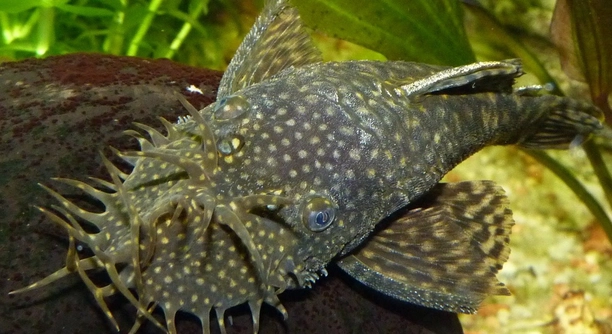
Plecostomus fish are popular tank inhabitants, known for their algae-eating habits. As a pet owner, you might wonder if these fish enjoy the presence of onlookers. Their behavior can be interesting to observe, as they interact with their surroundings.
Plecostomus fish do not exhibit any particular preference for human attention or being watched. They are primarily focused on feeding and maintaining their habitat. While they may tolerate observers, their activities are driven by instinct rather than curiosity about humans.
Their behavior and activity patterns reveal much about their preferences. Understanding these aspects can help you create a comfortable environment for your pleco while ensuring it thrives in its tank.
Plecostomus Fish Behavior in Aquariums
Plecostomus fish, commonly known as plecos, are bottom dwellers that spend much of their time feeding on algae and debris. Their natural habitat in the wild includes slow-moving rivers and lakes, where they stay mostly out of sight. In aquariums, they may seem uninterested in interacting with their owners, focusing instead on cleaning surfaces. Observing their behavior can be soothing, as plecos are generally calm and methodical in their movements. They do not seek attention, but they are not fearful either. The presence of humans does not seem to have a significant impact on their behavior.
They usually prefer to stay hidden during the day, often resting in caves or against rocks. This natural tendency means they are not looking for constant interaction. It’s important to note that they will become more active at night when their feeding patterns peak. At this time, they may move around more, though they still aren’t displaying any curiosity towards humans.
Though they are not interactive, plecos do thrive in a stable environment with the right conditions. These fish need clean water and ample hiding spots to feel secure. Their algae-eating habits are a natural part of their diet, which also makes them helpful in keeping the tank clean. If you’re looking for a fish that can help manage algae but doesn’t require much attention, the pleco is a great choice.
How Plecostomus Fish Interact With Tank Mates
Plecostomus fish are peaceful and generally get along with other tank mates. They are not aggressive and usually avoid confrontations. Their focus on feeding means they rarely engage in territorial disputes with other fish. However, some plecos may become more active during feeding time, which could lead to minor skirmishes with fish that are more competitive for food.
When it comes to tank mates, plecos can coexist well with species of similar size that are not overly aggressive. Their bottom-dwelling nature means they don’t typically compete for space at the surface, allowing other fish to enjoy the upper levels of the tank. These fish also tend to avoid being around particularly aggressive or fast-moving species. Plecos usually stay to themselves, silently going about their business of cleaning surfaces and scavenging for food. They can also tolerate mild disturbances from curious fish, as long as they are not constantly harassed.
The peaceful nature of plecos makes them ideal for community tanks. With the right mix of fish, plecos will continue to thrive without being disturbed. It’s important to remember that while they do not interact much with their human owners, they do engage with their environment. Providing a diverse and calm tank setting will ensure the health and well-being of your pleco.
Do Plecostomus Fish Enjoy Watching Humans?
Plecos are not known to show interest in watching humans. Their behavior is mainly focused on their surroundings, particularly food sources. They do not actively engage with their owners or exhibit curiosity about human activity. Instead, they are more concerned with maintaining their habitat and searching for algae.
Their lack of interaction with humans should not be mistaken for disinterest. It is simply their natural behavior. Plecos are not social creatures, and they don’t seek attention. While they may swim near the glass of the aquarium occasionally, it’s likely due to hunger or a sense of security in that area.
Though humans are often watching them, plecos remain more focused on their feeding habits and environmental surroundings. Their attention stays directed at the surfaces they clean, not the people observing them. As a result, they do not display signs of liking or disliking being watched by humans.
Understanding Plecostomus Fish Feeding Habits
Plecostomus fish are often considered the cleanup crew in an aquarium due to their algae-eating habits. They can spend hours scraping algae off surfaces, especially in aquariums with high algae growth. This natural behavior helps maintain a clean environment, but it also means they focus most of their energy on feeding. They typically graze on plants, rocks, and aquarium glass, moving methodically through their tank.
Plecos need a variety of foods to maintain a balanced diet. In addition to algae, they will eat sinking pellets, vegetables like zucchini or cucumber, and occasionally, protein-rich foods like shrimp or fish flakes. Ensuring they have access to a variety of foods is important for their health.
Although plecos are not known to prefer watching humans, their feeding behavior can become more noticeable when they are actively seeking food. You may see them attached to the glass or moving around more frequently during feeding time. This is their main activity, and they are not focused on anything else, such as human observation.
The Pleco’s Role in Tank Cleanliness
Plecos play an important role in maintaining the cleanliness of an aquarium. Their algae-eating nature helps prevent excessive algae buildup, which can improve water quality. This makes them beneficial for tank owners looking to reduce maintenance. However, they won’t remove all algae or replace regular cleaning.
Their diet primarily consists of algae and organic matter in the tank, which they consume throughout the day. As a result, they help keep surfaces like rocks, decorations, and aquarium glass free from algae. However, they do not perform the same cleaning functions as other methods, such as regular water changes.
Maintaining a balanced diet for your pleco ensures that it stays healthy and active, contributing to the cleanliness of the tank without overtaxing the environment. A pleco should be viewed as a helper but not as a complete solution to aquarium maintenance.
Ideal Tank Setup for Plecostomus Fish
Plecos thrive in aquariums with plenty of space and hiding spots. They are shy creatures and need places to retreat, such as caves or dense plants. A tank with a well-established filtration system helps keep the water clean, which is important for plecos as they can be sensitive to poor water conditions.
Additionally, plecos prefer tanks with a substrate that allows them to sift through for food. Soft, smooth substrates are ideal to avoid injury to their sensitive bodies. The temperature should be maintained in a range between 74-80°F (23-27°C) for optimal health and comfort.
The Impact of Tank Size on Plecostomus Fish
Plecos can grow quite large, and their size should be taken into account when choosing a tank. A small tank can cause stress and limit their movement, affecting their health. A larger tank gives them the space they need to grow and explore their environment.
FAQ
Do plecos need a lot of attention?
Plecos are low-maintenance fish. They do not require a lot of attention from their owners. Their focus is on eating algae and cleaning their environment, not interacting with humans. While they may occasionally be seen swimming near the glass, it’s typically because they are looking for food or familiarizing themselves with their surroundings. If you’re looking for a pet that doesn’t demand much interaction, a pleco is a great choice.
Can I have multiple plecos in the same tank?
Yes, plecos can coexist with others, but there are a few things to keep in mind. It’s important to provide enough space for each pleco, as they can become territorial, especially during feeding. Larger tanks with plenty of hiding spots and territories will reduce the chance of aggression. It’s also important to consider their size, as plecos can grow large and need room to move around comfortably.
What size tank does a pleco need?
Plecos need a fairly large tank to thrive. A minimum tank size of 75 gallons is recommended for most species of plecos, especially as they grow. Larger plecos, like the common pleco, can grow up to 24 inches long and need ample space. Smaller plecos, such as the bristlenose pleco, can do well in a 40-gallon tank, but they will still need plenty of hiding places and clean water.
Do plecos eat fish?
No, plecos are not predatory and generally do not eat other fish. Their diet primarily consists of algae, detritus, and leftover food from other fish. While they may occasionally nibble on plant matter or even small invertebrates, they are not a threat to other fish. However, in crowded tanks with limited food resources, they might compete for food, but they do not actively hunt other fish.
What do plecos eat besides algae?
Aside from algae, plecos can eat a variety of foods. It’s important to provide them with a balanced diet to ensure their health. You can feed them sinking pellets, vegetables like zucchini, cucumber, or spinach, and occasional protein sources like shrimp or bloodworms. Plecos are opportunistic feeders, so offering a variety of food ensures they get the nutrition they need.
How often should I feed my pleco?
Plecos should be fed once a day, though you can also provide them with food in the evening if they are more active at night. It’s important not to overfeed, as plecos will graze on algae and leftover food in the tank. Too much food can lead to water quality issues and obesity in your pleco. Be sure to remove any uneaten food after a few hours.
Are plecos good for cleaning tanks?
Yes, plecos are often used as natural cleaners in aquariums because they eat algae and detritus. However, they should not be relied upon as the sole method of cleaning your tank. Plecos can help keep the glass, rocks, and decorations free from algae, but regular tank maintenance, such as water changes and substrate cleaning, is still necessary.
Do plecos need a filter?
Yes, plecos do best in tanks with a good filtration system. They produce waste, and a filter helps keep the water clean and oxygenated. A strong filter will also help prevent the buildup of ammonia and nitrates, which can harm plecos and other fish. Regular water changes are still important, but a filter will make maintenance easier.
Why is my pleco not eating?
There are several reasons why a pleco may stop eating. Stress from poor water quality, temperature fluctuations, or aggressive tank mates can cause them to refuse food. Make sure the tank conditions are optimal, with stable temperature and clean water. It’s also possible that your pleco is simply not interested in the type of food you’re offering. Try varying their diet with different vegetables or sinking pellets.
Can plecos live with other types of fish?
Plecos are generally peaceful and can live with many types of community fish. However, they may not do well with particularly aggressive or fast-moving species. Plecos are bottom dwellers and prefer to stay on the tank floor, so they need tank mates that won’t disturb them. Fish like tetras, guppies, or other calm species can cohabit peacefully with plecos.
How long do plecos live?
Plecos have a relatively long lifespan for aquarium fish. On average, they live between 10 to 15 years, although some species can live even longer. The lifespan of a pleco depends on factors like water quality, diet, and tank conditions. A well-maintained tank with proper care can help extend the life of your pleco.
What is the best substrate for plecos?
Plecos prefer soft, smooth substrates that won’t harm their sensitive bodies. Sand is often considered the best option, as it is gentle on their skin and allows them to sift through it in search of food. Gravel can also work, but avoid sharp-edged gravel, as it can cause damage to their delicate undersides. A substrate that mimics their natural environment will make them feel more comfortable.
Do plecos require a specific water temperature?
Plecos do best in water temperatures between 74-80°F (23-27°C). Water that is too cold or too hot can cause stress and make it harder for plecos to thrive. Maintaining a stable temperature is essential for their health. Make sure to use a reliable aquarium heater to keep the water within the recommended range.
Are plecos nocturnal?
Yes, plecos are primarily nocturnal. They tend to be more active at night, when they feed and explore their environment. During the day, they are usually hiding in caves or other dark areas of the tank. This behavior is natural and helps them avoid predators in the wild, as they are more vulnerable to attack during daylight hours.
Can plecos live without algae?
While plecos do eat algae, they can survive without it. In the absence of algae, they will rely on supplemental food sources like sinking pellets, vegetables, and other organic matter. It’s important to feed them a varied diet to ensure they receive all the nutrients they need to stay healthy.
Final Thoughts
Plecostomus fish, or plecos, are low-maintenance and peaceful creatures that can be a great addition to an aquarium. They are primarily focused on feeding and cleaning their surroundings, which makes them valuable for keeping algae under control. However, it’s important to understand that they don’t seek out attention or interaction with humans. They won’t engage with their owners in the same way some other pets might, but they can still offer enjoyment simply by observing their natural behaviors in a well-maintained tank. As long as their basic needs are met, plecos are likely to thrive in their aquatic environment.
While plecos are generally easy to care for, tank size, water conditions, and diet all play a significant role in their well-being. These fish require enough space to grow comfortably and explore, with larger tanks being the best option. Plecos can live up to 15 years, so providing them with the right environment is important for their long-term health. Ensuring that the tank is equipped with proper filtration, temperature control, and hiding spots is key to creating a stress-free habitat for them. Without these factors, plecos can become stressed, which may affect their overall health and behavior.
Ultimately, plecos are not high-maintenance pets, but they still require a bit of attention to their environment. They won’t form bonds with humans or seek out interaction, but they can be fascinating to watch as they go about their business of cleaning the tank. If you’re looking for a peaceful, independent fish that helps maintain tank cleanliness without needing much attention, the pleco could be the perfect choice. Just remember that while they don’t need to be watched or entertained, providing a stable, clean environment will ensure they live a healthy, happy life.

Hello,
If you enjoy the content that we create, please consider saying a "Thank You!" by leaving a tip.
Every little bit helps us continue crafting quality advice that supports the health, happiness, and well-being of pets around the world, for pets of all shapes, sizes, and species.
We really appreciate the kindness and support that you show us!