
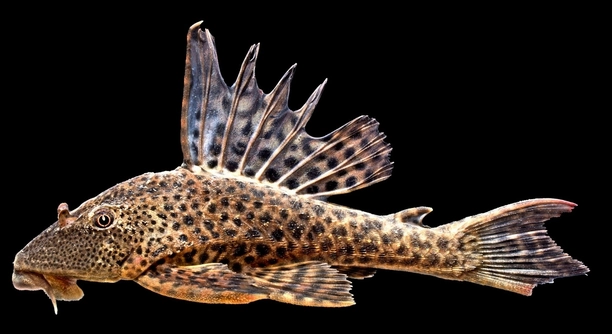
Do your plecos sometimes behave in ways that leave you scratching your head? Their odd movements and actions can be puzzling, but these behaviors might actually be completely normal for these fascinating fish.
Plecos exhibit several behaviors that might seem unusual but are entirely natural. These include their tendency to suck on surfaces, rapid fin flaring, and even nighttime activity. These actions are part of their instinctual behavior and should not raise concern.
Understanding why plecos act the way they do can help you provide a better environment for them. This article will explore some of their most common but curious behaviors.
1. Why Plecos Suck on Things
One behavior many plecos display is their habit of suctioning to surfaces in the aquarium. This might look odd, but it’s a natural feeding and resting behavior. Plecos are bottom-dwelling fish that use their specialized mouths to cling to rocks, glass, and other surfaces. Their suction helps them feed on algae, debris, and leftover food. This action also gives them a sense of security, allowing them to rest comfortably.
The suctioning behavior can be observed more frequently when the aquarium has algae present, as plecos use it as their primary food source. This action is not harmful, as long as the pleco isn’t spending excessive time attached to one spot, which could indicate stress or illness.
Plecos may also suck on surfaces to maintain stability during swimming. Their sucker mouths help them cling to rocks and other surfaces, allowing them to avoid being swept away by water currents. This adaptation allows plecos to thrive in the wild where strong currents are common, ensuring they don’t get carried off while feeding.
2. The Nighttime Activity
Plecos are often active at night, which can be surprising for some owners. These fish are nocturnal by nature, meaning they are most active during the darker hours. During the daytime, they tend to rest or hide in crevices, emerging only when the aquarium is quieter.
Nighttime activity usually involves feeding on algae, foraging for food, or simply moving around the tank. This behavior is completely normal and is linked to their instinctual patterns in the wild, where they avoid predators during the day. At night, plecos feel safer and more at ease to explore their surroundings.
If you notice your pleco is more active after the lights are off, there’s no need to worry. It’s just their natural rhythm at play. However, if your pleco becomes unusually active or agitated during the day, it may be worth checking the water conditions or ensuring they have adequate hiding spots to feel secure.
3. Fin Flare Behavior
Sometimes, your pleco might flare its fins in a way that looks like it’s about to fight. This behavior isn’t always a sign of aggression; it can be part of their natural communication. Plecos flare their fins when they feel threatened, or when they want to establish their space.
The flaring is a defensive mechanism. When plecos feel like another fish is getting too close or intruding on their territory, they’ll flare up their fins to appear larger and more intimidating. This can help them keep other fish at a distance. If multiple plecos are in the same tank, some may flare their fins at each other as a way to assert dominance.
In some cases, plecos may also flare their fins when they are excited or exploring new areas in the tank. If the behavior doesn’t escalate into aggression or chasing, it’s usually harmless. However, keep an eye on the situation if the flaring becomes frequent.
4. Sudden Speedy Swims
It can be startling when your pleco suddenly speeds around the tank in short bursts. This erratic swimming behavior may seem unusual, but it’s often nothing to be concerned about. Plecos are known to make sudden, quick movements when startled or excited.
These bursts of speed are part of their instinctual behavior to quickly flee from perceived threats in their natural habitat. In an aquarium, plecos may dart across the tank in response to sudden movements, changes in water conditions, or even shadows. It’s a way for them to escape potential danger, even if no immediate threat is present.
In some cases, plecos may swim quickly after being fed, especially if they are trying to claim their share of food. This can happen during feeding time when they detect new food entering the tank. While it might seem like unusual behavior, it’s simply their instinct to quickly grab food before other fish can get to it. As long as it doesn’t cause injury, this behavior is completely normal.
5. Hiding in Tight Spaces
Plecos have a habit of hiding in small, dark spaces, which may seem odd to those unfamiliar with their behavior. It’s perfectly normal for them to seek out these areas, as they feel more secure in tight, enclosed spaces. This is a survival instinct.
In the wild, plecos hide in cracks and crevices in rocks and submerged structures to protect themselves from predators. In your aquarium, they will seek similar hiding spots, especially during the day when they rest. Providing them with caves or tunnels can give them a sense of security, making them feel safe.
If your pleco is constantly hiding, check that the tank setup provides enough shelter. Hiding behavior can be a sign of stress or a lack of appropriate places to retreat. It’s important to ensure that your pleco has access to spots where it can rest comfortably.
6. Excessive Cleaning
Plecos are known for their cleaning habits. They spend a lot of time scraping algae off surfaces with their sucker mouths. It might seem like they’re overdoing it, but this cleaning behavior is essential to their diet and overall health.
Their primary food source is algae, and by scraping it off the aquarium surfaces, they help keep the tank clean. However, it’s important to ensure that the algae growth is balanced. Too much algae can result in poor water quality, while too little may cause your pleco to become undernourished.
Ensure you maintain proper water conditions so the pleco can feed as needed. If they are cleaning excessively, it may also be a sign they are looking for more food or that the tank has inadequate algae growth.
FAQ
Why does my pleco swim upside down?
It’s unusual to see your pleco swimming upside down, but it can happen. Plecos might turn upside down for brief moments, often while foraging or maneuvering in tight spaces. This is generally not a cause for concern. However, if your pleco stays upside down or struggles to swim properly, it might indicate a health issue, such as swim bladder disease. Check for other symptoms, such as floating uncontrollably or difficulty swimming to the surface. Ensuring your pleco has proper water conditions and diet can help avoid such problems.
Is it normal for plecos to eat plants?
Yes, plecos sometimes eat plants, although it’s not their primary food source. Plecos are primarily algae eaters, but some species may nibble on soft plants if they run out of algae or other food sources. If your pleco is eating your plants, it could be a sign that the tank’s algae levels are insufficient. Adding more algae or providing supplemental food like sinking pellets or vegetables can help prevent damage to your plants. It’s also important to choose plant species that are more resilient to pleco nibbling.
How can I tell if my pleco is stressed?
Stressed plecos often show physical signs like changes in behavior, such as hiding more than usual, rubbing against tank surfaces, or appearing lethargic. You might also notice that they are less interested in eating. Stress in plecos can be caused by poor water quality, overcrowding, aggressive tankmates, or lack of hiding spaces. To reduce stress, maintain stable water conditions, ensure proper filtration, and provide your pleco with enough places to hide. Make sure they’re not being harassed by other fish, as this can also cause stress.
Can plecos live with other fish?
Yes, plecos can generally live with other fish, but it’s important to choose tankmates carefully. Plecos are peaceful bottom dwellers, but some species may become territorial or aggressive towards smaller or more passive fish. It’s also worth noting that plecos can grow large, so tankmates should be able to coexist with them without feeling threatened. Avoid placing them with overly aggressive or fin-nipping species, as plecos can become stressed. Peaceful community fish, such as tetras, gouramis, and other non-aggressive species, are ideal companions.
How often should I feed my pleco?
Plecos are not demanding eaters, but they still need regular feeding to maintain good health. Generally, plecos should be fed once a day. However, you can adjust feeding based on the size and age of your pleco. Young plecos require more food than adults, so feeding them twice a day can be beneficial. Plecos mainly eat algae, but you should supplement their diet with sinking pellets, vegetables like zucchini or cucumber, and occasional protein-rich food like brine shrimp. Make sure any uneaten food is removed after a few hours to maintain water quality.
Why is my pleco swimming erratically?
Erratic swimming can be a sign that something is wrong. It could be caused by several factors, such as poor water quality, a lack of food, or stress from tankmates. If your pleco is swimming frantically or unusually, first check the water conditions, such as temperature, pH, and ammonia levels. Poor water quality can cause plecos to act erratically. Also, ensure that the tank has enough hiding spots for your pleco to retreat to when needed. If the erratic behavior persists, it’s a good idea to observe any other symptoms and consult a vet if necessary.
Do plecos need a lot of oxygen?
Plecos do require oxygen, but they aren’t as sensitive as some other fish. They breathe oxygen from the water through their gills, and they also have the ability to gulp air from the surface if necessary. In general, plecos prefer tanks with good water circulation, which helps oxygenate the water. As long as your tank has proper filtration and water movement, your pleco should have sufficient oxygen. If your pleco is gasping at the surface, it could indicate low oxygen levels or water quality issues.
Why does my pleco keep hiding?
Hiding is a normal behavior for plecos, especially when they feel insecure. Plecos are nocturnal and tend to rest during the day in sheltered spaces. However, if your pleco is hiding more than usual or seems stressed, it could be due to poor water quality, aggressive tankmates, or a lack of hiding spots. If hiding becomes excessive or if your pleco refuses to come out to eat, it’s a good idea to check the water parameters and ensure the tank provides enough safe spaces for your pleco to retreat.
Can plecos live in a small tank?
Plecos are typically not suited for small tanks, especially as they grow larger. Some species of plecos can reach over a foot in length, and they need plenty of space to swim and establish their territory. A minimum of a 30-gallon tank is recommended for most plecos, with larger tanks being preferable as they grow. Overcrowding can lead to stress and health issues. In a small tank, plecos may struggle to find enough food and may not thrive in such confined spaces. Larger tanks with good filtration will provide a better environment for plecos.
Final Thoughts
Understanding pleco behavior can help ensure that your fish is happy and healthy. Although some of their actions may seem strange at first, most are natural and important for their well-being. From their tendency to suck on surfaces to their occasional nighttime activity, these behaviors are part of their instinctual nature. Plecos are not high-maintenance fish, but they do need certain conditions to thrive. Proper tank setup, water quality, and a balanced diet are key to keeping them healthy.
It’s also important to observe your pleco for any changes in behavior that might indicate stress or illness. If they’re hiding too much, swimming erratically, or showing signs of aggression, it could be a sign that something is wrong. Common causes of stress include poor water conditions, overcrowding, or incompatible tankmates. If your pleco seems off, check the water quality first, and make sure it has enough hiding spots. If the problem persists, it’s always a good idea to seek advice from an aquarium expert or a vet who specializes in fish.
With the right care and attention, plecos can live long, healthy lives. They are fascinating creatures that play an important role in maintaining a balanced aquarium. By understanding their behaviors and needs, you can create an environment that makes them feel secure and allows them to thrive. Whether it’s providing them with a proper diet, enough space, or just a little extra care, you’ll find that keeping plecos can be a rewarding experience for both you and your fish.

Hello,
If you enjoy the content that we create, please consider saying a "Thank You!" by leaving a tip.
Every little bit helps us continue crafting quality advice that supports the health, happiness, and well-being of pets around the world, for pets of all shapes, sizes, and species.
We really appreciate the kindness and support that you show us!