
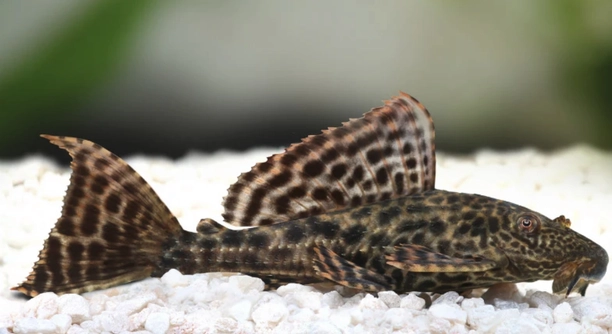
Is your pleco getting enough algae wafers? Plecos are often known for their love of algae, but how do you know if they’re getting enough of their favorite treat?
Plecos should be provided algae wafers in addition to other foods like vegetables or protein. The amount depends on the size of your pleco and how much it consumes. Overfeeding or underfeeding can cause issues.
The balance between the right amount of food and variety is essential for a healthy pleco.
What Are Algae Wafers, and Why Do Plecos Need Them?
Algae wafers are a type of fish food made from algae and other plant-based ingredients. These wafers are designed specifically for herbivorous fish like plecos, who naturally consume algae in their habitats. Plecos will often graze on algae found on rocks and decorations in the tank. The algae wafer acts as a supplement, ensuring that your fish get enough nutrients to maintain a healthy diet.
These wafers provide a convenient way to mimic the natural food source plecos would find in the wild. When placed in the tank, the pleco can nibble on them throughout the day. Algae wafers contain important vitamins and minerals that support your pleco’s health, making them an essential part of their diet.
The right type of algae wafer can also help prevent nutrient deficiencies, especially when tank algae is not abundant enough for them to graze on. It’s essential to give them a balanced diet that includes more than just algae wafers. Adding vegetables like zucchini or cucumber and occasional protein sources will keep your pleco in top shape.
How Much Should You Feed Your Pleco?
Feeding the right amount of algae wafers to your pleco can be tricky.
A general rule is to provide the amount your pleco can eat in about 12 hours. Overfeeding can lead to waste buildup, while underfeeding may cause malnutrition. If you’re unsure, start with a small amount and monitor your fish.
Observing your pleco’s behavior will help you determine if you need to adjust the amount. If they’re still actively eating when you check on them the next day, it could mean they need more food. If the wafer is untouched, you may be giving them too much. When you spot uneaten food, remove it to avoid water quality issues.
Signs Your Pleco Might Not Be Eating Enough
If your pleco isn’t eating enough algae wafers, you may notice some changes in their behavior. A pleco that isn’t getting enough food can appear lethargic or spend more time hiding. Additionally, they may lose weight over time, which can lead to other health issues.
A healthy pleco should be active during the night, which is when they typically feed. If your pleco isn’t eating algae wafers or other foods, it might be due to an imbalance in their diet. It’s important to ensure they have enough variety, as a single food source can’t meet all their nutritional needs. Observe your pleco closely to check if they’re showing signs of distress like a lack of appetite or decreased energy levels.
If you notice these signs, you may need to adjust the quantity or type of food you offer. Sometimes a change in the type of algae wafer can spark interest. Make sure you’re not overfeeding them either, as this can cause stress and digestive problems.
The Right Environment for Plecos to Thrive
The environment plays a big role in whether your pleco will eat enough algae wafers.
Make sure your tank has plenty of hiding spots, like rocks or driftwood. Plecos feel safer and are more likely to eat when they have these areas to retreat to. If your pleco feels threatened by tankmates or the environment, it may avoid eating. The temperature and water quality also affect their appetite.
Proper water conditions are essential for your pleco to thrive. Regular water changes and maintaining a consistent water temperature between 74°F and 80°F will help keep your fish active and hungry. Without good water quality, your pleco might become stressed, causing them to eat less or ignore food entirely. Additionally, check for any tankmates that could be competing for food, as this can also deter your pleco from feeding properly. Keep your tank environment stable, and your pleco should feel comfortable eating the algae wafers you provide.
Can Other Fish Affect Your Pleco’s Feeding Habits?
Other fish in your tank can influence how much your pleco eats. If tankmates are aggressive or overly competitive, they might prevent your pleco from accessing the food.
Plecos often prefer to eat at night when other fish are less active. However, if the tank has many fast or dominant fish, they might take the algae wafers before the pleco has a chance. Consider adding food in areas where your pleco can eat undisturbed or using a feeding station. This can give your pleco time to eat and reduce competition.
Choosing the Right Algae Wafers
Not all algae wafers are the same, so it’s important to choose the right one for your pleco.
Look for high-quality wafers made from a mix of algae and other plant-based ingredients. The best wafers are high in fiber and low in fillers like soy or wheat. Plecos need a diet rich in algae, but variety is important for a balanced diet.
When to Offer Algae Wafers
The timing of when you feed your pleco can make a difference.
Offer algae wafers at night, as plecos are nocturnal feeders. Place the wafers in spots where your pleco can easily access them without competition. If you have other fish, consider offering the food after lights go out to avoid conflicts.
FAQ
How often should I feed my pleco algae wafers?
Plecos should be fed algae wafers once or twice a day, depending on their size and appetite. Start with a small amount and adjust based on how much they eat. Ensure they have enough time to consume the wafers, usually about 12 hours, before removing any leftovers. Feeding at night, when plecos are most active, will ensure they get the nutrition they need without competition from other fish.
Can plecos eat too many algae wafers?
Yes, plecos can eat too many algae wafers. Overfeeding can lead to water quality problems as the excess food breaks down, causing ammonia buildup. It can also result in obesity or digestive issues for the pleco. Pay attention to how much food they consume and avoid leaving large amounts of uneaten food in the tank. If you notice that your pleco is leaving a lot of food behind, you may be overfeeding.
Can I just feed my pleco algae wafers?
Algae wafers are an important part of a pleco’s diet, but they should not be the only food source. Plecos are omnivores, so they need a variety of foods to stay healthy. Along with algae wafers, offer vegetables like zucchini, cucumber, or spinach. Occasionally, you can also provide protein-rich foods like bloodworms or shrimp. A varied diet helps prevent nutritional deficiencies and ensures that your pleco gets all the essential nutrients it needs.
What if my pleco isn’t eating algae wafers?
If your pleco is not eating algae wafers, there may be several reasons. It could be a matter of the type or brand of wafer not appealing to your pleco. Some plecos are picky eaters, so you may need to try different brands or flavors. It could also be due to competition with other tankmates or stress from the tank environment. Ensure that the tank is peaceful, and consider offering food at night when the pleco is more likely to feed. If your pleco still isn’t eating, check the water quality and ensure that your tank conditions are optimal.
Can plecos eat algae wafers during the day?
While plecos are primarily nocturnal feeders, they can eat algae wafers during the day if they’re hungry. However, they are less likely to be active and feeding when the lights are on. If you have other fish in the tank, they may also take the wafers before your pleco gets the chance to eat. It’s best to offer algae wafers in the evening or night when the pleco feels more comfortable and is naturally more active.
Are there any other foods I should feed my pleco besides algae wafers?
Yes, plecos need more than just algae wafers to stay healthy. Along with algae wafers, feed them vegetables like zucchini, cucumber, and sweet potato, as these provide essential fiber and nutrients. Additionally, you can offer protein-based foods like bloodworms, brine shrimp, or sinking pellets. These added food sources will ensure that your pleco gets a balanced diet and avoids nutritional deficiencies. Variety is key for their health.
How do I know if my pleco is getting enough algae?
A healthy pleco will actively graze on the surfaces of rocks, decorations, and glass in the tank to find algae. If you notice that your pleco is spending time hiding or not eating the algae wafers, it could be an indication that they are not getting enough food. To make sure they have enough algae, you can monitor their eating habits, check if the wafers are being eaten, and observe their overall health. If they are losing weight or showing signs of malnutrition, you may need to provide more food or consider adding live plants to the tank to encourage grazing.
What’s the best type of algae wafer for plecos?
The best algae wafers for plecos are those that are made from high-quality ingredients with a good mix of algae, spirulina, and plant-based elements. Avoid wafers with a lot of fillers like soy or wheat, as they don’t provide the necessary nutrients. Look for algae wafers with a high fiber content, as fiber is crucial for digestive health. Some plecos may prefer wafers with added garlic or other attractants, which can help stimulate feeding. Experiment with different brands until you find one that works best for your pleco.
Can plecos eat algae wafers meant for other fish?
Algae wafers made for other types of fish can be fed to plecos, but it’s important to check the ingredients. Some algae wafers designed for other fish may not have the right nutritional balance for plecos, especially if they are designed for omnivores or carnivores. Always read the label to ensure that the wafers are appropriate for herbivores like plecos. While these wafers won’t harm your pleco, they might not provide the ideal diet.
Should I soak the algae wafers before feeding them to my pleco?
Soaking algae wafers is not necessary for most plecos, but it can help in certain situations. If you have a younger or smaller pleco, soaking the wafer will make it softer and easier to consume. Additionally, if your pleco has trouble eating dry food, soaking it in tank water for a few minutes before feeding might encourage them to eat. However, for adult plecos, it’s generally fine to drop the wafer directly into the tank.
What if my pleco is not growing?
If your pleco isn’t growing, it could be a sign that it’s not getting enough food or the right kind of food. Plecos need a well-balanced diet to grow at a healthy rate. Along with algae wafers, make sure your pleco is eating a variety of vegetables and occasional protein. Poor water quality or stress can also impact growth, so check the tank’s conditions to ensure they’re optimal. If you’ve ruled out feeding issues and environmental factors, consult a veterinarian to rule out any health concerns.
Final Thoughts
Feeding your pleco algae wafers is an important part of their diet, but it should be done in balance with other food types. While algae wafers provide essential nutrients, they alone cannot meet all of a pleco’s dietary needs. A well-rounded diet that includes vegetables like zucchini and cucumber, along with occasional protein-based foods, will ensure your pleco stays healthy and active. Consistent feeding times, along with monitoring how much food they consume, can help you determine if you are feeding them the right amount.
The environment in which your pleco lives also plays a big role in its eating habits. Make sure the tank has plenty of hiding spots, rocks, or driftwood, as this provides a more natural environment where your pleco can feel comfortable. Proper water conditions are just as important; maintaining the right temperature and ensuring good water quality will help reduce stress and encourage your pleco to feed regularly. Tankmates can affect how much your pleco eats, so make sure there’s enough space and that no other fish are competing for food.
If your pleco isn’t eating algae wafers or seems to be losing weight, it’s time to investigate further. Changing the brand of algae wafers, adjusting feeding times, or ensuring that your pleco has access to the food without competition can all help. Be patient and observe your pleco’s behavior closely, as this will help you adjust the diet or environment as needed. A healthy pleco will show good growth and activity levels, and making sure they have the right food in the right conditions will support them in thriving long-term.

Hello,
If you enjoy the content that we create, please consider saying a "Thank You!" by leaving a tip.
Every little bit helps us continue crafting quality advice that supports the health, happiness, and well-being of pets around the world, for pets of all shapes, sizes, and species.
We really appreciate the kindness and support that you show us!