
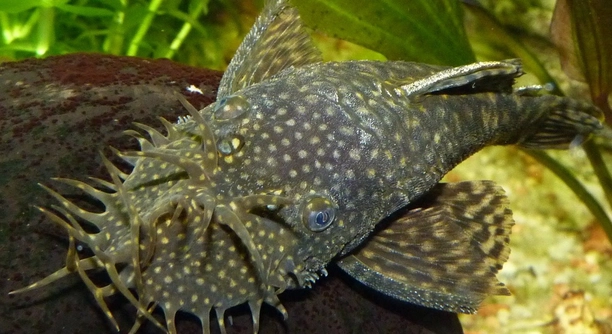
Have you noticed that your pleco seems to be less active than usual?
Plecos can become less active for several reasons, such as environmental stress, water quality issues, or health problems. Proper care and monitoring are essential in ensuring your pleco remains healthy and active in the tank.
Addressing these concerns early can help restore your pleco’s energy levels. Keep reading to learn how to identify the causes and solutions.
Poor Water Quality
One of the most common reasons plecos become less active is poor water quality. Plecos are sensitive to changes in their environment, especially when it comes to water parameters like pH, ammonia, nitrite, and nitrate levels. If the water becomes too dirty or imbalanced, plecos may exhibit signs of stress, such as reduced movement or hiding. Dirty tanks can also increase the likelihood of infections, which can further weaken their energy levels.
To prevent this, regularly check the water conditions with a reliable testing kit. Make sure your filtration system is working efficiently and clean the tank as needed. Water changes should be done routinely, especially if you notice any signs of poor water quality.
Keeping the water clean not only helps maintain the pleco’s health but also supports its natural behaviors. A stable, clean environment encourages your pleco to feel secure and active, allowing it to display its full range of behaviors. This will keep your fish thriving and energetic.
Temperature Fluctuations
Temperature changes in the tank can also impact the activity of plecos. They are cold-water fish, and any significant fluctuations in the water temperature can cause stress, leading to less movement. A sudden drop or rise in temperature can disrupt their biological functions, making them sluggish or even unresponsive.
Maintaining a consistent water temperature is essential for their well-being. Using a reliable aquarium heater can help stabilize the temperature and prevent drastic changes. Make sure the heater is correctly sized for the tank and monitor the temperature regularly.
Consistent temperature control allows plecos to remain more active and comfortable. They are more likely to exhibit natural behaviors like foraging and cleaning algae when the environment feels stable. This can also contribute to better overall health and reduced risk of illness.
Overfeeding
Overfeeding is a common issue for plecos that can make them lethargic. When plecos are given more food than they need, it can lead to digestive problems, making them less active. Leftover food also deteriorates water quality, further contributing to the decline in their behavior.
It’s important to feed plecos only what they can consume in a few minutes. Avoid leaving uneaten food in the tank, as this can quickly degrade water quality. If you’re unsure how much to feed, start with a small portion and monitor how much they eat.
Feeding your pleco appropriately will help prevent overeating and avoid health problems. Plecos are natural algae grazers, so providing them with algae wafers, vegetables, or driftwood to nibble on throughout the day can better match their needs. This also reduces the likelihood of overeating and helps maintain a cleaner tank.
Illness or Injury
Plecos, like any fish, can suffer from illness or injury that may affect their activity levels. Common illnesses include internal parasites, bacterial infections, or external wounds from rough surfaces or tankmates. These health problems can make a pleco sluggish and less interested in moving.
If you suspect your pleco is unwell, carefully inspect its body for any signs of injury, discoloration, or abnormal behavior. It’s important to separate the affected pleco if other tankmates may be contributing to the injury or spreading illness. You may also need to treat the tank with medication.
Proper diagnosis and quick action can help your pleco recover and regain its activity levels. Keeping the tank clean and regularly monitoring their behavior will help you spot any potential health issues early. Regular water changes also support their immune system, aiding in quicker recovery.
Lack of Hiding Spots
Plecos are shy creatures that enjoy having hiding spots in their environment. Without places to retreat, they may become stressed, leading to reduced activity. Stress can cause them to hide more often and be less interested in exploring the tank.
Providing hiding places such as caves, plants, or driftwood is essential for plecos. This creates a more secure environment where they can feel safe when they need a break. A pleco that feels secure will be more likely to stay active and engage in natural behaviors.
Hiding spots also give plecos space to clean themselves and rest without being disturbed by other tankmates. It encourages them to feel less vulnerable, which is vital for their overall well-being. A tank with adequate hiding spaces promotes more natural behavior, allowing your pleco to thrive.
Incompatible Tankmates
Some plecos may become less active when housed with aggressive or overly active tankmates. These fish can stress out plecos, causing them to hide more or avoid certain areas of the tank. It’s important to match plecos with peaceful fish.
Aggressive tankmates may bully plecos or steal food, making them more stressed and less likely to move around the tank. This can lead to your pleco being more sedentary. You should observe your pleco’s behavior around tankmates to make sure it’s not being harassed.
To ensure a happy pleco, house them with calm and non-territorial species. This will reduce stress and encourage the pleco to move more freely. A peaceful tank environment can help bring back your pleco’s energy and natural activity levels.
Lighting Issues
Lighting can impact a pleco’s activity levels, as they are more active during the night. Too much bright light can make them hide, leaving them less active. Plecos need dimmer conditions to feel comfortable exploring their surroundings.
A good way to address this is by using a timer for the tank lights. This ensures the light isn’t on for too long, especially during the day when plecos prefer to rest. Dim lighting can allow them to roam and forage more during nighttime hours.
By managing lighting, you can encourage your pleco to be more active during its preferred hours. Too much daylight can make them inactive, while proper lighting lets them engage naturally with their environment.
FAQ
Why is my pleco hiding all the time?
Plecos are naturally shy fish, and hiding is part of their instinctual behavior, especially when they feel stressed. This can be caused by changes in the water quality, aggressive tankmates, or even too much light in the aquarium. Providing adequate hiding spots like caves, plants, or driftwood can help your pleco feel more secure. If hiding persists, check the water parameters, temperature, and ensure the other tankmates are not bullying the pleco. Stress can make them hide more, so creating a peaceful, stable environment can reduce their desire to retreat.
How can I make my pleco more active?
To encourage your pleco to be more active, start by ensuring the water conditions are optimal. This includes checking the pH, ammonia, nitrites, and temperature. A stable and clean environment is crucial. Also, avoid overfeeding, as this can lead to sluggishness. Offering a varied diet, including algae wafers, vegetables, and driftwood, will keep your pleco engaged. If you have tankmates, ensure they are peaceful to avoid causing stress. Lastly, dim lighting during the day can help make your pleco feel more comfortable exploring and moving around.
Should I be worried if my pleco isn’t eating?
If your pleco isn’t eating, it could be a sign of stress, illness, or poor water quality. Plecos are generally bottom feeders and enjoy algae or plant matter, so make sure you’re providing the right types of food. If you’ve recently introduced new tankmates, this may be causing stress. Check your water quality regularly and make sure it is within the proper range for your pleco’s species. If the lack of appetite continues for more than a couple of days, consider isolating the fish to observe closely for any symptoms of illness, and consult a vet if needed.
How often should I feed my pleco?
Plecos should be fed once or twice a day, with the portion size being enough to last a few minutes. Overfeeding can lead to uneaten food that pollutes the tank, which affects both the pleco and the water quality. If you have a pleco that’s not eating all of the food, reduce the amount you offer. As plecos are algae grazers, providing natural food like algae wafers, or placing vegetables like zucchini or cucumber in the tank can give them something to nibble on throughout the day.
Can plecos live with other fish?
Yes, plecos can live with other fish, but it’s important to choose compatible tankmates. Plecos generally prefer peaceful, non-aggressive fish. Aggressive or territorial fish can stress out plecos, leading to less activity and even hiding. Avoid fish that may try to nibble on the pleco’s fins or compete for food. Some smaller fish or even other plecos might make good companions, but always monitor the interactions to ensure your pleco isn’t being harassed. It’s best to introduce new tankmates slowly and observe the behavior to ensure a harmonious environment.
Why does my pleco seem to be losing color?
A pleco losing color could be due to a variety of reasons, such as stress, poor water quality, or illness. Stress caused by changes in the tank, new tankmates, or fluctuating water parameters can lead to color loss. Similarly, certain diseases or parasites can cause discoloration. If the color loss is significant, it’s important to check the water conditions and consider any changes in the tank setup. If the color loss persists or is accompanied by other symptoms like lethargy, seek medical advice to rule out illness.
Can plecos live without a filter?
While plecos can survive without a filter for a short period, it’s not ideal for long-term health. Plecos produce waste, and without proper filtration, this waste will accumulate, leading to poor water quality. This can cause stress and even health problems for your pleco. A filtration system helps maintain clean water by removing toxins like ammonia and nitrites. If you must go without a filter for a while, it’s essential to perform regular water changes and monitor the water quality closely to ensure your pleco remains healthy.
How long do plecos live?
Plecos have the potential to live for many years when given the right care. On average, a pleco can live anywhere from 10 to 15 years, though some species can live even longer. To ensure a long and healthy life, it’s important to provide a stable environment with proper water quality, the right diet, and enough space to grow. Keeping the tank clean, offering a varied diet, and managing stress will help your pleco thrive for many years.
Is it normal for plecos to eat algae off the glass?
Yes, it is completely normal for plecos to eat algae off the glass. Plecos are known for being excellent algae eaters, and they will often graze on the tank surfaces, including the glass, to help clean the tank. While this behavior is natural, it’s important to supplement their diet with other food sources like algae wafers, vegetables, and driftwood to ensure they are getting enough nutrients. Just be sure the algae on the glass is not from harmful types that could affect your pleco’s health.
Final Thoughts
Taking care of a pleco requires attention to its environment, diet, and overall well-being. Plecos are generally hardy fish, but they can become less active if something in their environment is not right. Poor water quality, temperature fluctuations, overfeeding, or stress from aggressive tankmates can all contribute to a pleco becoming sluggish or hiding more than usual. By addressing these factors and making the necessary adjustments, you can encourage your pleco to be more active and enjoy a better quality of life.
Regularly monitoring water parameters, providing proper food, and creating a peaceful tank environment are the main factors in ensuring your pleco stays healthy and active. It’s also important to offer hiding spots, as plecos are naturally shy and like having places to retreat when they need to feel secure. Keeping the tank clean and free from excessive debris is essential, as plecos often help with cleaning, but they still need a stable, clean environment to thrive. With the right care and attention, your pleco can live a long, happy life and remain active in the tank.
If you ever notice your pleco becoming less active, it’s essential to observe its behavior and check for any possible issues. Simple adjustments like improving water quality, reducing stress, or offering better food options can make a big difference. As always, if the lack of activity persists despite your best efforts, consulting an expert or aquarium vet can help you get to the bottom of the issue. Taking a proactive approach to your pleco’s care will help ensure it remains healthy and vibrant for years to come.

Hello,
If you enjoy the content that we create, please consider saying a "Thank You!" by leaving a tip.
Every little bit helps us continue crafting quality advice that supports the health, happiness, and well-being of pets around the world, for pets of all shapes, sizes, and species.
We really appreciate the kindness and support that you show us!