
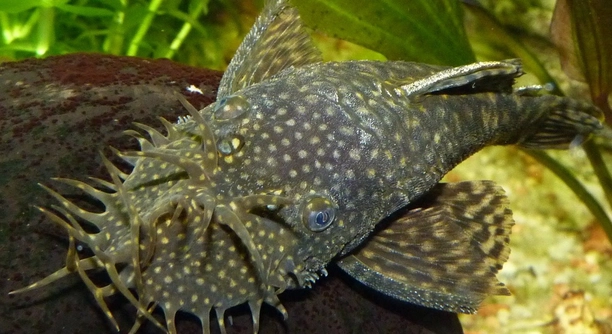
Plecos are popular fish known for their helpful algae-eating habits. If you own one, you might wonder if a heater is necessary for their well-being. In this article, we’ll explore whether or not a heater is essential for keeping your pleco happy and healthy.
A pleco can live without a heater, but it depends on the environment and water temperature. Plecos are adaptable and can survive in a range of temperatures, typically between 72°F and 78°F. However, consistent temperatures are key to their health.
By understanding plecos’ temperature preferences and natural habitat, you can make informed decisions about their care. We’ll explore factors that can affect your pleco’s well-being and provide tips for creating the best environment for them.
What Temperature Do Plecos Prefer?
Plecos are hardy fish and can tolerate a range of temperatures, but they thrive best in stable conditions. The ideal water temperature for a pleco falls between 72°F and 78°F (22°C – 26°C). If your home’s temperature fluctuates too much, this can cause stress. Stress can weaken a pleco’s immune system, leading to health problems like infections or slower growth.
Even though plecos can survive outside of this range, they might not grow as fast or be as active. This is why it’s essential to monitor the water temperature closely. Having a thermometer in the tank helps ensure the temperature stays in the ideal range.
While plecos do fine without a heater in warmer climates or if your home stays at a consistent temperature, it’s still better to use one. The heater will prevent fluctuations that could stress your fish, keeping them healthy and comfortable in their tank. If you decide not to use a heater, be sure to monitor the water temperature regularly, especially during colder months.
Why Stability Matters for Your Pleco
Stability in water temperature is key for your pleco’s health. Fluctuations cause stress, which can lead to long-term health issues.
Plecos are sensitive to sudden changes in their environment, especially when it comes to temperature. Even a small shift can cause a shock to their system. For example, if the water cools suddenly, your pleco’s metabolism slows down, and it might not eat as much. Similarly, warmer water increases their metabolism, making them more active but also increasing their need for oxygen. In both cases, it’s important to avoid drastic changes.
A heater allows you to maintain a consistent temperature. This stability promotes healthy growth, reduces the risk of disease, and helps your pleco feel secure in its environment. In fact, if you live in an area with significant temperature changes, using a heater is one of the best ways to ensure your pleco stays happy. Even during winter, when the air temperature drops, a heater can keep your pleco comfortable and thriving.
Can a Pleco Live Without a Heater in Warmer Climates?
In warmer climates, a pleco might do just fine without a heater. If your home stays at a stable temperature between 72°F and 78°F, your pleco won’t need any extra warmth. However, it’s still important to monitor the water temperature regularly.
The main concern in warmer climates is the potential for sudden temperature drops, particularly during the night or in winter. Without a heater, these fluctuations could lead to stress and discomfort for your pleco. While plecos are adaptable, abrupt changes in temperature are harder for them to handle over time.
If you live in an area with consistent warm temperatures, your pleco may not need a heater. However, it’s a good idea to keep an eye on water temperature with a thermometer. Small changes in the environment can have a big impact on your fish’s health.
What Happens If the Water Gets Too Cold?
Cold water can slow down a pleco’s metabolism and make it more sluggish. This could lead to a lack of appetite, slower growth, and an increased risk of disease.
Plecos are more prone to illness in cold water because their immune systems weaken when their metabolism drops. If the temperature falls too low, they may stop eating altogether, leading to malnourishment. They may also become stressed, which makes it harder for them to recover from illness.
If the water temperature is too cold for extended periods, your pleco could even become lethargic or stop moving. This is a clear sign that your fish is struggling to cope. In these cases, it’s best to add a heater to stabilize the temperature. Keeping the water within the ideal range of 72°F to 78°F helps your pleco stay active, healthy, and strong.
How to Maintain a Consistent Temperature Without a Heater
If you choose not to use a heater, you must find other ways to maintain a stable temperature. You can place your tank in a room that stays warm and avoids temperature fluctuations.
It’s crucial to avoid putting your tank near windows, drafts, or air conditioners. These can cause sudden temperature changes, especially during the night or in colder seasons. Keeping the tank in a room with consistent temperatures is key.
Another option is using a tank cover or insulating materials. These can help keep the water temperature steady, especially if you experience chilly nights or cooler seasons. Regularly monitor the temperature to make sure it stays within the ideal range for your pleco.
The Importance of a Quality Thermometer
A quality thermometer is essential for keeping track of your pleco’s environment. A reliable reading helps you adjust the conditions accordingly.
When using a thermometer, aim for one that is easy to read and accurate. Stick-on thermometers or digital thermometers placed inside the tank can give you an ongoing, clear view of the water temperature. This allows for quick adjustments if necessary. Without one, it’s harder to monitor fluctuations and prevent any issues.
Regularly checking the temperature also helps catch any sudden changes that might affect your pleco. Inconsistent temperature can be as damaging as the wrong temperature, so investing in a thermometer is an important part of your fish care routine.
Why a Heater is Still the Best Option
A heater is the most effective way to maintain a stable environment for your pleco. It ensures the water stays within the preferred temperature range, avoiding fluctuations that can harm your fish.
With a heater, you don’t need to worry about your pleco’s comfort as much, even if there are changes in the surrounding room temperature. A heater helps regulate the water temperature consistently, reducing stress for your pleco and promoting healthy growth.
FAQ
Can a pleco survive in water that’s too cold?
A pleco can survive in cooler water for a short period, but prolonged exposure to low temperatures can harm them. Cold water slows their metabolism, making them less active and less likely to eat. Over time, this can lead to weakened immune systems, making them more susceptible to diseases. If the water drops below 70°F (21°C), it’s essential to address the temperature issue as soon as possible. The longer a pleco is exposed to cold water, the higher the risk of stress and illness.
Is a heater necessary for plecos in tropical environments?
In tropical environments where the temperature is consistently warm, a heater may not be strictly necessary. However, having a heater can still provide stability in water temperature. Even in warmer climates, temperatures can fluctuate, especially during the night or cooler seasons. A heater helps maintain a steady temperature, reducing the chance of sudden drops that could stress your pleco. Regular monitoring of water temperature is still essential to ensure the pleco stays within its ideal temperature range of 72°F to 78°F (22°C – 26°C).
How can I tell if my pleco is stressed due to temperature changes?
Stressed plecos may exhibit signs such as reduced activity, lack of appetite, or erratic swimming patterns. They might also hide more frequently or spend time near the surface of the tank gasping for air. If the water temperature is fluctuating or too low, these signs are common. In some cases, temperature stress can cause discoloration or unusual behavior like lethargy. A pleco that’s stressed due to temperature changes may also become more prone to illnesses, so it’s important to keep the water temperature stable.
What happens if I don’t use a heater for my pleco?
Without a heater, your pleco may not reach its full growth potential, as the water temperature might fall outside of the ideal range. If your home experiences frequent temperature changes, this could stress the pleco and make it harder for the fish to thrive. In some cases, a pleco living without a heater may become less active, eat less, and grow more slowly. Additionally, cold temperatures could lead to weakened immune responses, making the fish more susceptible to diseases. Keeping a thermometer to track the water temperature is crucial in these conditions.
Can a pleco live with other fish in a tank without a heater?
Plecos are generally peaceful fish and can coexist with many other species. However, if you have other fish in the tank, they will also be affected by the water temperature. If your pleco is comfortable without a heater, the other fish should be able to adapt as well, as long as the water temperature remains within the acceptable range for all species. It’s essential to consider the temperature preferences of each fish species in the tank and ensure they’re all compatible with the environmental conditions.
How can I maintain the right water temperature without a heater?
If you decide not to use a heater, maintaining the right water temperature relies on keeping the tank in a stable, warm environment. Avoid placing it near windows, air conditioners, or heaters that could cause temperature fluctuations. Using a tank cover or insulation can help retain heat during cooler periods, especially during the night or winter months. A reliable thermometer is a must to track the temperature. If you notice drops in temperature, you may need to adjust the tank’s location or even invest in a low-wattage heater to ensure the pleco’s comfort.
What is the best temperature for a pleco tank?
The ideal temperature for a pleco tank is between 72°F and 78°F (22°C to 26°C). Keeping the temperature within this range allows your pleco to stay active, healthy, and stress-free. Temperature stability is just as important as maintaining the right range. Consistent temperatures prevent stress, which can lead to illness and other health issues. If the temperature regularly falls outside of this range, it can slow down your pleco’s metabolism, affecting its growth and immune system.
Should I use a heater if my pleco tank is in a warm room?
Even if your pleco tank is placed in a warm room, it’s still a good idea to use a heater to maintain a consistent temperature. While a warm room can help prevent drastic temperature drops, room temperatures can still fluctuate due to changes in seasons or weather. A heater ensures that the water stays within the ideal range for your pleco, reducing the risk of temperature stress. It’s especially helpful if you live in an area where temperatures can get cold at night or during certain months.
Can plecos live in water temperatures higher than 78°F?
Plecos can tolerate temperatures above 78°F for short periods, but anything higher than 80°F (27°C) can start to cause problems. Elevated temperatures increase their metabolism, leading to higher oxygen demands and stress. Long exposure to high temperatures can also cause rapid growth in harmful bacteria, affecting water quality. If the water temperature goes above 80°F, it’s important to take steps to cool it down, such as using a fan or adjusting the tank location. Consistent temperatures are vital for your pleco’s well-being.
What is the best heater for a pleco tank?
The best heater for a pleco tank is one that is reliable, adjustable, and suitable for the size of your aquarium. A submersible aquarium heater is a popular choice because it works efficiently in maintaining a stable temperature. Look for heaters with an adjustable thermostat so you can set the water temperature precisely. It’s also important to choose a heater with a built-in thermometer to monitor the temperature and ensure it stays within the ideal range. Be sure to select a heater that can handle the size of your tank for optimal performance.
Final Thoughts
When it comes to keeping a pleco, temperature stability is one of the most important factors for their health and well-being. While plecos are adaptable and can survive in a range of temperatures, they thrive best in a stable environment where the water stays between 72°F and 78°F. If your home’s temperature fluctuates too much, it can stress your pleco and lead to health issues. This is why using a heater can be beneficial, as it helps maintain the ideal temperature range consistently.
It’s important to note that plecos can survive without a heater in warmer climates where temperatures are already within the appropriate range. However, you need to be cautious about any sudden temperature drops. Without a heater, any changes in the environment, such as a cold breeze or nighttime cooling, can negatively impact your fish. A good thermometer is essential for monitoring the water temperature, whether you use a heater or not, to ensure the temperature stays stable.
In the end, whether you use a heater or not depends on the conditions in your home. If the room temperature stays consistent and falls within the pleco’s preferred range, a heater might not be necessary. But for most fish keepers, using a heater is the easiest way to ensure the water temperature remains stable and suitable for their pleco’s health. Maintaining a comfortable and stress-free environment for your pleco will lead to a happier, healthier fish.

Hello,
If you enjoy the content that we create, please consider saying a "Thank You!" by leaving a tip.
Every little bit helps us continue crafting quality advice that supports the health, happiness, and well-being of pets around the world, for pets of all shapes, sizes, and species.
We really appreciate the kindness and support that you show us!