
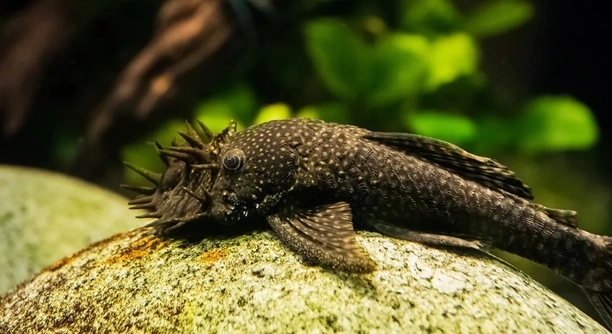
Setting up a pleco-only tank can be both exciting and rewarding. With the right setup, your plecos will thrive and show off their beautiful behaviors. This guide offers simple tips to create the perfect environment for these fascinating fish.
The key to a successful pleco-only tank is ensuring proper tank size, water quality, hiding spots, and suitable substrate. Plecos are sensitive creatures that require a stable environment with plenty of space to roam and places to feel secure.
There are several factors to consider when creating the ideal home for your plecos. From choosing the right size tank to selecting proper tank mates, this guide will help you create an ideal habitat for your fish.
Choosing the Right Tank Size for Your Plecos
When setting up a pleco-only tank, the tank size is one of the most crucial factors. Plecos are active swimmers and can grow quite large, especially certain species like the Common Pleco. A tank size of at least 75 gallons is recommended for a single pleco, with bigger tanks being ideal for multiple plecos. A larger tank provides ample space for them to swim, explore, and establish their own territories. Overcrowding in small tanks can lead to stress and poor health for your plecos.
To avoid health issues, it’s important to give each pleco enough room. If you’re considering a community of plecos, opt for a tank of 100 gallons or more. With more space, your plecos will have enough room to interact with each other, and you’ll have better water quality, too.
A spacious tank not only benefits the plecos but also enhances the overall aesthetic of your aquarium. With proper space, plecos will display more natural behaviors like grazing and exploring, making the tank more enjoyable to watch. You’ll also be able to add plants and other decor for the plecos to interact with, giving them more opportunities for enrichment.
Maintaining Proper Water Quality
Water quality is vital for plecos. They are very sensitive to water changes and need stable conditions to thrive. Make sure your water parameters are within the ideal range for plecos.
Regular water changes are necessary to maintain healthy water conditions. You’ll need a good filtration system that can handle the size of your tank and the waste produced by your plecos. Keeping the water clean will prevent harmful toxins from building up, which could harm your fish. Testing the water regularly ensures the pH, hardness, and temperature are optimal for plecos, so they can remain healthy and active.
Providing Hiding Spots and Decor
Plecos need plenty of hiding spots to feel secure. Without these, they may become stressed, affecting their health. Adding caves, driftwood, and plants will give them places to retreat and rest. It’s important to make sure the decor is not too sharp or rough, which could injure the fish.
Use materials like smooth rocks, driftwood, and PVC pipes to create hiding spaces. Plecos, especially the larger species, enjoy places to retreat to, especially during the day when they are less active. Live plants also provide hiding spots while contributing to water quality by absorbing excess nutrients. Make sure your plecos can easily swim in and out of their hiding spots without feeling cramped.
A well-decorated tank with multiple hiding spots not only benefits plecos but also makes the tank more visually appealing. It mimics their natural environment and helps them feel safe and comfortable. By using a variety of decor types, you allow your plecos to explore and adapt to different spaces in the tank.
Choosing the Right Substrate
The substrate you choose can greatly impact the health of your plecos. They often sift through the substrate in search of food, so the material should be gentle on their barbels. Avoid sharp gravel, as it can irritate or injure them.
A fine, smooth substrate like sand is the best choice. Sand allows plecos to dig and forage comfortably without damaging their sensitive barbels. Some plecos, like the bristlenose variety, enjoy burrowing, so having a soft substrate is essential. You can even layer it with small, smooth pebbles to give a natural look and texture.
The right substrate also helps with water filtration. Sand allows waste to settle on top for easy removal during cleaning. A clean substrate ensures that your plecos’ environment remains healthy and that debris doesn’t build up. By taking time to choose the right material, you help create a comfortable and safe space for your plecos to thrive.
Providing Proper Lighting
Plecos don’t require bright lighting, but a balanced day-night cycle is important for their health. Low to moderate lighting is ideal for plecos, as it mimics their natural habitat. Too much light can stress them out, causing them to hide more often.
Invest in a gentle aquarium light that allows you to maintain a natural photoperiod. A timer is helpful to ensure the light is on for about 10-12 hours a day. This will help your plecos stay active and healthy. Consider adding live plants to the tank, which can also benefit from proper lighting while offering additional cover for your fish.
A dimly lit tank also prevents unwanted algae growth, which can occur with excessive light. Proper lighting can help create a more peaceful and natural environment, making it easier for your plecos to thrive without feeling constantly exposed.
Tank Temperature and Heater
Plecos prefer warm water, with the ideal temperature range being between 75°F and 80°F. Having a reliable heater ensures that the water stays at a stable temperature, which is crucial for their well-being.
It’s important to regularly check the temperature using a thermometer to prevent fluctuations that could stress your plecos. A temperature spike or drop can lead to illness or discomfort. Make sure your heater is properly rated for the size of your tank to avoid overheating or underheating the water.
When setting up the tank, ensure that the heater is positioned at one end to allow the temperature to spread evenly. This will give your plecos a consistent environment to swim in, reducing stress and promoting healthy growth.
Water Filtration
A high-quality filtration system is essential for keeping the water in your pleco tank clean and clear. Plecos produce a lot of waste, so a strong filter helps maintain good water quality and prevents harmful toxins from building up.
Choose a filter that is rated for your tank size and has a good turnover rate. It should be capable of handling both mechanical and biological filtration to ensure waste is broken down efficiently. Keep in mind that plecos prefer slower water currents, so consider a filter with adjustable flow settings to avoid disturbing them.
In addition to maintaining clean water, proper filtration will reduce the need for frequent water changes, making tank maintenance easier. Regularly clean the filter to ensure it continues to work efficiently, keeping your plecos’ home safe and comfortable.
FAQ
What do plecos eat?
Plecos are primarily herbivores, but they can also eat some animal-based food. Their diet should consist mostly of algae, plant matter, and some protein. You can feed them algae wafers, blanched vegetables like zucchini, cucumbers, or spinach, and occasional protein sources like shrimp pellets or freeze-dried bloodworms. It’s important to vary their diet to ensure they get all the nutrients they need.
They are also excellent at grazing on natural algae in your tank. If your tank is not producing enough algae, supplement with algae wafers or other plant-based foods. However, be careful not to overfeed them as it can lead to water quality problems. Keep their diet balanced and monitor their eating habits.
How often should I feed my plecos?
Plecos generally need to be fed once or twice a day. Young plecos may require more frequent feedings to support their growth, while adult plecos can be fed once daily. The key is to give them enough food that they can eat in 2-3 hours, removing any excess to avoid polluting the water.
Make sure the food you offer sinks to the bottom, as plecos are bottom dwellers. They tend to forage and graze on algae and other plant material throughout the day, but regular feedings help ensure they get enough nutrition. Overfeeding can cause water quality problems, so be mindful of the quantity.
Can plecos live with other fish?
Yes, plecos can live with other fish, but it’s important to choose compatible tank mates. They are peaceful and tend to keep to themselves, so they do well with other non-aggressive fish. Avoid aggressive species that may stress out the pleco or compete for food.
Plecos can sometimes be territorial, especially as they grow larger. If you’re keeping multiple plecos, make sure your tank is large enough to avoid overcrowding. Species like tetras, guppies, and corydoras are good companions, while fast-moving fish should be avoided. Also, make sure that the water parameters match the needs of all your tank mates.
Why is my pleco always hiding?
Plecos are nocturnal creatures, so they may hide during the day to rest and feel secure. It’s normal for them to spend much of the day in hiding, especially when the tank is well-lit. They usually come out at night to feed and explore the tank.
If your pleco is hiding all the time, it could be a sign of stress or poor water conditions. Make sure the water temperature, pH, and hardness are within the ideal range for plecos. Also, check if the tank is overcrowded or if any aggressive fish are stressing them out. Adding more hiding spots can also help make them feel more secure.
How big do plecos get?
The size of a pleco depends on the species. Common plecos, for example, can grow up to 24 inches (60 cm) in length, while smaller species like the bristlenose pleco usually max out around 4-6 inches (10-15 cm). It’s important to consider the adult size of the species you choose before setting up the tank.
If you’re keeping a larger pleco, you’ll need a bigger tank to accommodate their size. Small tanks are not suitable for adult plecos, as they need plenty of space to swim and graze. Make sure to plan for their potential growth to avoid the stress of overcrowding.
Do plecos need a filter?
Yes, plecos need a filter in their tank to maintain water quality. Plecos are known for producing a lot of waste, and a strong filtration system helps keep the water clean by removing debris and harmful toxins. A filter also helps oxygenate the water, which is crucial for the health of your plecos.
Be sure to choose a filter that’s appropriate for the size of your tank. Overpowered filters can create strong currents, which plecos do not enjoy. Make sure the filter flow is gentle enough to allow your plecos to swim and graze comfortably. Regular cleaning of the filter is also important to keep it functioning properly.
What is the ideal water temperature for plecos?
Plecos prefer water that is slightly warmer, between 75°F and 80°F (24°C to 27°C). A stable temperature is important because sudden changes can stress them out or lead to illness. It’s best to use a heater to maintain a consistent temperature and avoid fluctuations.
In colder environments, plecos may become sluggish or stop eating, which can lead to health problems. A thermometer in the tank will help you monitor the water temperature, ensuring that it stays within the optimal range for your plecos to thrive.
Do plecos need a lot of oxygen?
While plecos do not require extra oxygen beyond what is provided by a good filtration system, they do benefit from oxygenated water. Using an air pump or sponge filter can help increase water movement and oxygen levels if needed. This is especially important in smaller tanks or tanks with high bio-load.
A well-maintained filter ensures that oxygen is evenly distributed throughout the tank, allowing plecos to breathe comfortably. Keep the water surface agitated to allow gas exchange, ensuring a healthy environment for your fish.
Final Thoughts
Setting up a pleco-only tank can be a rewarding experience if you take the time to meet their specific needs. These fish require space, clean water, and appropriate decor to thrive. Choosing the right tank size is one of the most important factors, as it ensures your plecos have enough room to swim and explore. A larger tank also allows for better water quality, which is crucial for the health of your plecos. In addition to space, providing hiding spots and a soft substrate like sand can help your plecos feel safe and comfortable in their environment.
Water quality is another key element to focus on. Plecos are sensitive to changes in water conditions, so keeping the water stable and clean is vital. A strong filtration system will help manage the waste produced by plecos and maintain the tank’s overall health. Regular water changes and monitoring water parameters like pH, temperature, and hardness will prevent harmful toxins from building up. Ensuring the temperature stays within the ideal range of 75°F to 80°F is also important, as it supports their overall well-being.
In the end, creating the right environment for plecos involves more than just choosing the right tank size and decor. It’s about understanding their needs and making adjustments along the way. Whether it’s feeding them a varied diet or choosing compatible tank mates, every decision counts. By focusing on providing proper care, your plecos will not only survive but thrive in their new home. The process may take time and attention to detail, but the result is a healthy, vibrant pleco-only tank that is both enjoyable to maintain and watch.

Hello,
If you enjoy the content that we create, please consider saying a "Thank You!" by leaving a tip.
Every little bit helps us continue crafting quality advice that supports the health, happiness, and well-being of pets around the world, for pets of all shapes, sizes, and species.
We really appreciate the kindness and support that you show us!