
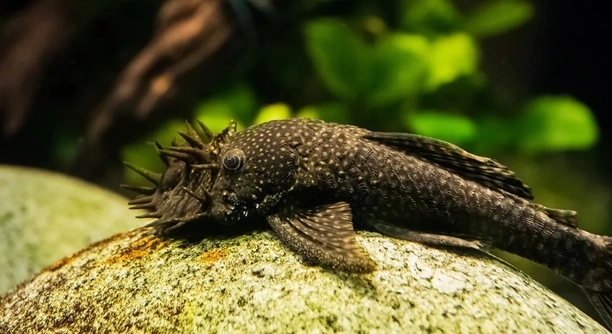
If your pleco seems unusually sluggish and lacking energy, it could be a sign that something needs to change. These fish, while generally low-maintenance, can sometimes show signs of fatigue that need addressing.
Boosting a lazy pleco’s energy involves ensuring a clean, well-maintained tank, providing a balanced diet rich in fiber, and offering appropriate hiding spots. Increasing water temperature and offering supplements such as algae wafers can also help.
These simple steps can help revive your pleco’s energy levels, leading to a more active and healthy aquarium companion.
Clean Water and Proper Tank Maintenance
A clean tank is essential for maintaining your pleco’s health and energy. If the water quality is poor, your pleco may become lethargic and show little interest in swimming or eating. Regular water changes and proper filtration are key to keeping your pleco active and happy. Make sure to check the water parameters regularly—keeping the water pH, hardness, and temperature within the ideal range can help prevent health issues and promote a more energetic pleco.
For plecos, a tank that is properly maintained means they can focus on their activities rather than stress from poor water quality. Regular cleaning, such as removing debris and vacuuming the substrate, is a quick but vital step to improve their environment.
Don’t forget to clean the filters as well. Over time, filters can become clogged with waste and debris, which affects their efficiency. Cleaning them regularly ensures your pleco’s tank stays clean and oxygenated, helping boost their energy. A dirty tank can quickly lead to low oxygen levels, making it harder for your pleco to thrive.
Balanced Diet
Feeding your pleco a well-rounded diet is a simple but effective way to boost its energy. Plecos are primarily herbivores and need plenty of plant-based food. Offer algae wafers, blanched vegetables, and the occasional live food to keep their diet balanced. A variety of nutrients helps them maintain optimal energy levels.
If your pleco’s diet lacks variety, it might cause them to become sluggish. Stick to foods that mimic their natural diet in the wild. Algae wafers provide the essential fiber they need, while blanched zucchini or spinach offer a good source of vitamins. Adding occasional protein-rich food like bloodworms can complement their diet and prevent deficiencies. Plecos also enjoy grazing on natural algae that grow in the tank, providing them with additional stimulation.
Incorporating a well-balanced diet ensures that your pleco receives all the necessary nutrients to stay healthy and active. Regularly changing up their meals can also prevent them from becoming bored with their food and encourage them to move more.
Water Temperature
Plecos are more active when the water temperature is within their preferred range. The ideal water temperature for most species is between 74°F and 80°F. When the water is too cold, plecos may become sluggish and less inclined to swim or feed.
If the tank water is too cold, your pleco may become stressed and lethargic. A stable water temperature is essential for their well-being. Using a heater to regulate the temperature ensures your pleco stays comfortable. Ensure that the heater is suitable for the size of the tank and that the temperature is monitored regularly.
Overheating the water can be harmful as well, so it’s important to avoid temperature fluctuations. Too much heat can lead to oxygen depletion, which can make it harder for your pleco to thrive. Always check the temperature with a thermometer to avoid extreme changes.
Hiding Spots and Tank Environment
Plecos are nocturnal creatures, often preferring quiet, dark spaces during the day. Adding caves, driftwood, or dense plants can provide these much-needed hiding spots. A tank with these features will make your pleco feel secure and comfortable, which can increase activity.
Plecos can become stressed if they do not have enough hiding spots. They need a safe place to retreat to when they feel overwhelmed or want to rest. Without such areas, they may exhibit lethargic behavior and become more prone to illness. Be sure to add decorations that allow them to feel secure without overcrowding the tank.
A balanced environment helps them thrive by reducing stress and encouraging natural behavior. A healthy pleco will be more likely to explore the tank and swim around actively when they feel safe.
Supplementing with Algae Wafers
Algae wafers are an excellent supplement for boosting your pleco’s energy. These wafers are rich in nutrients, especially fiber, which helps with digestion and overall health. Offering them regularly can keep your pleco active and healthy.
Algae wafers provide essential nutrients that promote a healthy digestive system, making it easier for your pleco to process food and maintain high energy levels. They’re especially beneficial because they cater to the pleco’s herbivorous diet and encourage natural grazing behavior, which boosts their activity.
By introducing algae wafers into your pleco’s diet, you can provide a consistent, reliable food source that supports their energy needs. They’re easy to find and use, making them a great addition to your pleco’s feeding routine.
Avoiding Overfeeding
Overfeeding can lead to sluggishness in your pleco. When your pleco is given too much food, it can become inactive, focusing more on digesting than on swimming or foraging.
A controlled feeding schedule helps maintain your pleco’s energy levels. By offering smaller portions, you ensure they stay active and healthy, avoiding the risk of overeating, which can lead to poor water quality and inactivity. Regular feeding prevents the stress of overconsumption and keeps your pleco engaged in its natural behaviors.
FAQ
Why is my pleco so lazy?
Several factors can cause a pleco to become sluggish. Common causes include poor water quality, lack of hiding spots, inappropriate water temperature, or an unbalanced diet. If your pleco is not getting enough nutrients or if its environment is not suitable, it will likely become less active. Regular maintenance of the tank, feeding the right foods, and providing a proper temperature range can help boost their energy levels.
How often should I feed my pleco?
Plecos should be fed once a day, but this can vary based on their size and tank conditions. Avoid overfeeding, as it can lead to lethargy and water quality issues. A good rule of thumb is to provide a portion that your pleco can consume within a few hours, removing any uneaten food afterward. Additionally, consider providing varied food options like algae wafers, vegetables, and occasional protein supplements.
What temperature should my pleco’s tank be?
The ideal water temperature for most plecos is between 74°F and 80°F. If the water is too cold, your pleco may become sluggish, while temperatures that are too high can stress the fish and reduce oxygen levels in the water. Use a reliable aquarium heater and thermometer to maintain a stable temperature. Regularly check the water’s temperature to ensure it stays within the safe range.
Can plecos live with other fish?
Yes, plecos can live with most other fish, but it’s important to choose tank mates carefully. Avoid placing them with very aggressive fish that may harm or stress them. Plecos do well in community tanks with peaceful species. Ensure there is enough space in the tank to prevent territorial disputes. They also need access to hiding spots where they can feel secure.
Are plecos nocturnal?
Yes, plecos are nocturnal creatures, meaning they are most active at night. During the day, they tend to rest in dark corners or hide in caves. This behavior is natural and helps them conserve energy. It’s important to provide them with plenty of hiding spots during the day to ensure they feel safe.
How can I encourage my pleco to eat more?
If your pleco isn’t eating enough, check the water quality, ensure the food is appropriate for their diet, and make the food more enticing. Try offering a variety of foods, such as algae wafers, blanched vegetables like zucchini or spinach, and occasional live foods like bloodworms. Plecos enjoy grazing, so allow them time to forage. You can also try feeding at night when they are more active.
What should I do if my pleco is not swimming much?
If your pleco isn’t swimming much, it may be stressed, uncomfortable, or sick. First, check the water quality, as poor conditions can cause lethargy. Ensure the water is clean, with proper filtration, and the temperature is within the ideal range. Make sure the tank has enough hiding spots for your pleco to feel secure. If the problem persists, consult an aquarium professional to rule out any health issues.
Can plecos survive without algae?
While plecos primarily feed on algae, they can survive without it if provided with alternative food sources. Algae wafers, blanched vegetables, and other plant-based food are excellent substitutes. However, allowing natural algae to grow in the tank will keep your pleco active and engaged. Regular algae growth can also help provide variety in their diet and encourage natural foraging behavior.
How big do plecos get?
The size of your pleco depends on the species. Common plecos (Hypostomus plecostomus) can grow up to 24 inches long, while smaller species like the bristlenose pleco typically reach around 4 to 6 inches. Make sure your tank is large enough to accommodate your pleco as it grows. A pleco that outgrows the tank can become stressed and lethargic.
How can I improve the water quality for my pleco?
To improve water quality, perform regular water changes (about 25% every two weeks) and ensure your filter is working effectively. Keep the tank free from debris by using a gravel vacuum and cleaning the filter. Test the water regularly for pH, ammonia, nitrites, and nitrates, ensuring they stay within acceptable levels. Adding live plants can help maintain water quality by absorbing excess nutrients.
Should I add any supplements to my pleco’s diet?
Supplements like calcium or other vitamins can be helpful, especially for plecos that are not getting all the nutrients they need from their regular diet. Offering algae wafers is a good start, but adding other options like calcium-rich foods (blanched spinach or kale) or protein sources (bloodworms, brine shrimp) can provide essential nutrients. However, supplements should only be used when necessary and in moderation.
How can I tell if my pleco is stressed?
A stressed pleco may exhibit signs such as hiding more often, reduced activity, loss of appetite, or strange swimming patterns. Stress can also lead to physical signs like faded coloration or rapid gill movement. Common causes of stress include poor water quality, sudden temperature changes, overcrowded tanks, or incompatible tank mates. By addressing these issues, you can reduce your pleco’s stress and improve its energy levels.
Do plecos need a filter in their tank?
Yes, plecos benefit from a well-maintained filtration system. They produce a significant amount of waste, and a filter helps keep the water clean and oxygenated. A good filter ensures that harmful chemicals like ammonia and nitrites don’t build up in the tank, which could harm your pleco and cause lethargy. Make sure to choose a filter appropriate for the size of your tank and clean it regularly.
Final Thoughts
Boosting your pleco’s energy is largely about providing the right environment, food, and care. By focusing on water quality, appropriate tank mates, and a balanced diet, you can ensure your pleco stays active and healthy. Regular water changes, maintaining the right temperature, and offering a variety of foods will make a big difference in keeping your pleco energized. Algae wafers and blanched vegetables are great options, but it’s also important to avoid overfeeding. Overfeeding can lead to lethargy and poor water quality, so it’s essential to offer the right amount of food at the right times.
The pleco’s natural behaviors, such as grazing and exploring, are key to its well-being. Giving your pleco plenty of space, hiding spots, and time to explore the tank can help stimulate its activity. Plecos are nocturnal creatures, so their peak energy is often at night. Observing their behavior and ensuring they have access to a varied diet will help mimic their natural environment. Keeping track of the water parameters and maintaining a consistent, stable environment will also keep your pleco from becoming stressed and lethargic.
Finally, always be patient with your pleco. Each fish has its own personality, and some plecos may naturally be more active than others. If you notice any signs of stress or unusual behavior, it’s important to investigate the cause, whether it’s related to water quality, tank conditions, or diet. By making these small adjustments and being mindful of their needs, your pleco will likely become more energetic and healthier over time. Ensuring your pleco’s tank is well-maintained and offering a proper diet will provide the foundation for a happy and active fish.

Hello,
If you enjoy the content that we create, please consider saying a "Thank You!" by leaving a tip.
Every little bit helps us continue crafting quality advice that supports the health, happiness, and well-being of pets around the world, for pets of all shapes, sizes, and species.
We really appreciate the kindness and support that you show us!