
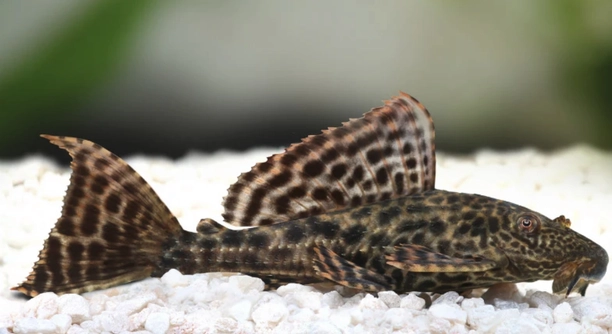
Plecos are popular fish in many aquariums, known for their peaceful nature and algae-eating habits. However, certain tank mates can create challenges for them. Understanding which fish can bother your plecos is essential for a harmonious tank environment.
Several common tank mates can stress plecos, including aggressive species, fin-nippers, and overly active fish. These tank mates may outcompete plecos for food or invade their space, leading to increased stress and potential health problems.
Knowing the best fish to keep with plecos is essential for a balanced aquarium. Keeping plecos with suitable companions will promote their well-being and prevent unnecessary stress in the tank.
Aggressive Fish
Aggressive fish are one of the most common reasons plecos experience stress. Plecos are naturally peaceful creatures, and they prefer calm environments where they can move freely. Fish like cichlids, Oscars, and certain types of barbs are known to be territorial and will often challenge plecos. These fish may chase, nip, or even bully plecos, leading to anxiety and potential injury. While plecos have protective armor, they are not always able to defend themselves against more aggressive tank mates. It’s important to research each species’ temperament before adding them to your aquarium.
Certain fish species are more aggressive than others and should be avoided in tanks with plecos. Keeping peaceful fish with similar temperaments will create a more harmonious atmosphere for your pleco. Monitoring their behavior regularly can help identify potential issues early on.
If you’re looking for a more peaceful community tank setup, species like tetras, guppies, and mollies are ideal companions for plecos. These fish are generally calm and won’t disrupt the pleco’s environment, allowing it to thrive.
Active Fish
Fish that are overly active can create problems for plecos as well. Plecos are generally slow movers, and they need space to graze and rest. Fish like goldfish or fast-swimming species such as danios and rainbowfish can create chaos in a tank, leaving little room for plecos to feel comfortable. These fish are always darting around, often disturbing the pleco’s resting spots and eating areas.
When tank mates are too active, it can cause plecos to become stressed and less likely to eat. This lack of food intake can lead to malnutrition over time. Additionally, constant movement can prevent plecos from establishing a safe territory in the aquarium, which is essential for their well-being.
To ensure your pleco thrives, it is crucial to balance tank activity. Consider adding slower-moving fish that won’t constantly interfere with your pleco’s habits. Species like angelfish or peaceful catfish can be suitable choices as they move at a slower pace and won’t disrupt the pleco’s lifestyle.
Fin-Nippers
Fin-nippers, such as certain types of barbs and tetras, can cause significant stress for plecos. These fish often nip at the fins and tails of slower-moving species. Plecos, while equipped with protective spines, are vulnerable to persistent attacks, which can lead to injury and stress. Over time, this can affect their overall health.
Barbs are known for their aggressive, playful nature. Their nipping behavior can be irritating and harmful to plecos, especially since plecos tend to stay near the substrate and are often not as fast as their more active counterparts. When kept together, plecos may avoid areas where fin-nippers swim, limiting their access to food.
The constant harassment can cause plecos to become more reclusive, hiding away in the tank, and avoiding interaction with tank mates. This lack of socialization and movement can weaken their immune system, making them more susceptible to illness. It’s essential to pair plecos with tank mates that are peaceful and won’t engage in such behavior.
Overcrowding
Overcrowding is another issue that can stress plecos. When there are too many fish in a tank, it leads to increased competition for food and space. Plecos need their space to graze and explore, and overcrowding can make it difficult for them to thrive. When the tank is too crowded, plecos may have to compete for hiding spots, food, and oxygen, which can lead to stress.
Fish that are too close in size and appetite to plecos often create more problems. They can outcompete plecos for algae and other food sources, leading to malnutrition. Additionally, high stocking densities can increase the waste levels in the tank, making the water quality worse, which is harmful to plecos.
Maintaining an appropriate stocking density and ensuring each fish has enough space is key to a healthy tank environment. With fewer fish in a well-maintained tank, plecos can easily find their food and enjoy the space they need to feel secure. Consider reducing the number of active fish in the tank to avoid overcrowding, ensuring your pleco remains stress-free.
Noisy Fish
Noisy fish like some species of catfish and certain cichlids can make plecos feel uneasy. Plecos thrive in calm environments, and loud or constant noise can disrupt their peaceful nature. This constant sound can lead to stress, affecting their overall health. A quieter tank is often more suitable for them.
Fish that make loud sounds or splash a lot can disrupt the calm behavior plecos prefer. For example, fish like pacu or large catfish can produce a lot of noise while feeding or moving around. This type of environment can result in a pleco becoming more reclusive and stressed.
Creating a peaceful environment is essential for plecos to feel secure. It is better to select quieter tank mates that don’t produce constant noise. Fish with calm temperaments, like certain species of gouramis or rasboras, will help your pleco remain comfortable in the tank.
Poor Water Quality
Plecos are sensitive to water quality. When water conditions are poor, they can suffer from stress and even health issues. Poor water quality can come from overfeeding, overstocking, or inadequate filtration. Keeping the water clean and well-maintained is crucial for the pleco’s well-being.
High levels of ammonia, nitrites, or nitrates can cause stress and weaken the pleco’s immune system. This makes them more susceptible to diseases, and their behavior can change. Plecos might hide more often or refuse to eat if the water quality is compromised.
Regular water changes and maintaining proper filtration systems help keep water conditions stable. Test the water frequently to ensure that levels of ammonia, nitrites, and nitrates are within safe limits. Keeping the water quality optimal is key for a healthy and stress-free environment for plecos.
Unnatural Lighting
Bright or unnatural lighting can stress plecos, especially those that are nocturnal by nature. Excessive lighting or rapid changes in light can disorient plecos, making them feel exposed or unsafe. Plecos prefer dimly lit environments, and too much light can cause them to hide in the tank’s corners.
If your pleco seems more reclusive or inactive during the day, the lighting might be too harsh for them. Fish that prefer lower light conditions, such as plecos, often become stressed when exposed to bright lights for long periods. This can affect their feeding and resting habits, leading to poor health.
To avoid stressing your pleco, consider using softer lighting or providing shaded areas in the tank. A dimmer light schedule, especially at night, helps create a more comfortable environment. Use low-intensity lights or cover areas where plecos can retreat for rest, mimicking their natural habitat.
FAQ
What fish should not be kept with plecos?
Fish that are aggressive, fin-nippers, or overly active can cause stress to plecos. Species like cichlids, barbs, and large tetras should be avoided. These fish may harass plecos, outcompete them for food, or invade their space. Aggressive fish often cause plecos to become reclusive, leading to health problems. It’s essential to choose peaceful, calm tank mates, such as mollies, tetras, and angelfish, that won’t disturb the pleco’s peaceful nature.
Can plecos live with other plecos?
Yes, plecos can live with other plecos, but it’s important to consider their size and species. Some plecos, like the common pleco, can become quite large, and having multiple plecos in a small tank can lead to territorial disputes. Larger tanks with plenty of hiding spots are ideal for multiple plecos. Smaller plecos, such as bristlenose plecos, may get along better with others. Proper space and hiding areas can prevent aggression between plecos.
How can I reduce stress for my pleco?
To reduce stress, maintain a clean tank with proper water quality. Make sure the tank is not overcrowded and provide plenty of hiding spots for the pleco. Additionally, ensure that tank mates are peaceful and won’t bully or outcompete the pleco. Avoid bright or harsh lighting and provide food sources that match the pleco’s dietary needs. Regular water changes and good filtration also play a crucial role in keeping the pleco healthy and stress-free.
Are plecos aggressive towards other fish?
In general, plecos are not aggressive. They are peaceful and prefer to keep to themselves, focusing on grazing on algae and resting. However, plecos may become territorial if they feel overcrowded or if there are other aggressive fish in the tank. It’s important to choose tank mates wisely to avoid stressing the pleco and encourage a harmonious environment.
What are the signs that my pleco is stressed?
Signs of stress in plecos include hiding more frequently, loss of appetite, and changes in behavior. If the pleco seems more reclusive or reluctant to come out during feeding times, it may be feeling stressed. Additionally, excessive hiding, frequent scratching on objects, or rapid gill movement could indicate that the water quality is poor or the pleco is not comfortable with its tank mates. It’s important to observe your pleco regularly and address any potential causes of stress.
Can plecos live in a tank with other bottom dwellers?
Plecos can live with other bottom dwellers as long as there is enough space for each fish to have its own territory. Fish like catfish or loaches can coexist with plecos in larger tanks with proper space and hiding spots. However, smaller or more aggressive bottom dwellers might compete with plecos for food and territory. Always ensure that the tank is well-maintained and not overcrowded to prevent stress and territorial conflicts.
What temperature is best for plecos?
Plecos generally prefer water temperatures between 74°F and 80°F (23°C to 27°C). They thrive in a warm, stable environment and should not be exposed to sudden temperature fluctuations. Maintaining the right temperature is important for their digestion and overall health. It’s also essential to avoid extreme heat or cold, as this can cause stress or illness. Use a reliable aquarium heater to maintain a consistent temperature in the tank.
How often should I feed my pleco?
Plecos are bottom-feeding fish and can be fed 2-3 times a week. They mainly eat algae, but you can supplement their diet with sinking pellets, vegetables like zucchini or cucumber, and occasional protein sources. It’s important not to overfeed, as this can lead to water quality issues. Removing uneaten food after a few hours helps maintain good water conditions. Plecos also graze on algae in the tank, so ensure they have a steady supply of algae to nibble on.
Do plecos need a lot of space?
Yes, plecos require ample space to thrive. Some species, like the common pleco, can grow quite large and need a tank with a minimum size of 75 gallons. Smaller species, like the bristlenose pleco, may do fine in tanks as small as 30 gallons. Having enough space allows plecos to establish territories and reduces the likelihood of stress. Tanks with plenty of hiding spots and a well-maintained filtration system will help your pleco feel comfortable.
Can plecos live with other species of fish?
Plecos can live with many other species of fish, but it’s important to choose peaceful companions. Species that are known to be compatible with plecos include tetras, guppies, and angelfish. Avoid keeping plecos with aggressive or overly active fish that might outcompete them for food or space. The key is to maintain a peaceful community with enough space and hiding areas for all the fish.
Are plecos good tank cleaners?
Plecos are often called “natural tank cleaners” because they eat algae and detritus from the tank. However, they should not be relied upon as the sole method for cleaning your aquarium. While plecos help keep the tank free of algae, they cannot clean all surfaces or manage other waste. Regular water changes, filtration, and manual cleaning are still necessary to maintain a clean and healthy tank environment. Plecos can help reduce algae buildup, but they are not a substitute for proper tank maintenance.
Do plecos need a filter?
Yes, plecos need a filter to maintain clean water. Plecos produce waste, and without a filter, the water can quickly become polluted, leading to poor water quality. A good filter helps maintain the balance of beneficial bacteria, keeps the water oxygenated, and removes waste. It’s essential to choose a filter that is appropriate for the size of your tank and the number of fish you have. Regular maintenance of the filter is also necessary to ensure it continues to function properly.
How long do plecos live?
The lifespan of a pleco can vary depending on the species. On average, plecos live between 10 to 15 years in a well-maintained tank. Some species, like the common pleco, can live even longer, sometimes reaching up to 20 years with proper care. To ensure a long and healthy life for your pleco, provide a stable environment, maintain good water quality, and feed them a balanced diet.
What do plecos eat besides algae?
In addition to algae, plecos enjoy a variety of other foods. Sinking pellets, blanched vegetables like zucchini, spinach, and cucumbers are great options. Plecos also benefit from occasional protein sources, such as shrimp, bloodworms, or other invertebrates. It’s important to offer a balanced diet to keep plecos healthy and prevent malnutrition.
Can plecos live with bettas?
Plecos and bettas may not always get along, especially if the betta is aggressive. Bettas are known to be territorial and may attack plecos if they feel threatened. Additionally, plecos tend to stay at the bottom of the tank while bettas often prefer the top. If you keep them together, ensure there is plenty of space and hiding spots for both fish. In many cases, it’s safer to keep them in separate tanks.
Final Thoughts
When choosing tank mates for your plecos, it’s important to prioritize peaceful and compatible species. Plecos are generally calm fish, but they can become stressed or territorial if housed with aggressive or overly active fish. Fish like cichlids, barbs, and large tetras should be avoided, as they may harass plecos or compete for space and food. Choosing peaceful species such as mollies, angelfish, or other non-aggressive fish can ensure a harmonious environment for your pleco. Keeping in mind their need for space, hiding spots, and proper water conditions is essential for their well-being.
Maintaining a healthy and stress-free environment is key to ensuring your pleco thrives. Regular water changes, good filtration, and a balanced diet are crucial factors. Since plecos often graze on algae, it’s important to ensure that their tank is not overly cleaned of natural algae growth. A healthy tank ecosystem includes a mix of algae, occasional vegetables, and protein-rich foods. While plecos help keep the tank clean by eating algae and waste, they should not be solely relied upon for cleaning. Routine maintenance, such as removing uneaten food and checking water parameters, helps to keep the tank stable and clean.
In summary, understanding your pleco’s needs and choosing the right tank mates are the first steps to creating a peaceful aquarium. Plecos can live harmoniously with many species, but it’s crucial to avoid aggressive or overly active tank mates. Offering plenty of hiding spots, keeping the tank clean, and providing a balanced diet will help your pleco live a long and healthy life. By observing your pleco’s behavior and ensuring their environment is comfortable, you’ll foster a thriving and stress-free aquarium for all its inhabitants.

Hello,
If you enjoy the content that we create, please consider saying a "Thank You!" by leaving a tip.
Every little bit helps us continue crafting quality advice that supports the health, happiness, and well-being of pets around the world, for pets of all shapes, sizes, and species.
We really appreciate the kindness and support that you show us!