
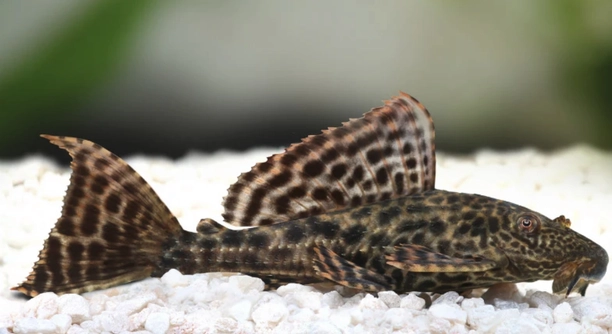
If you have a pleco in your aquarium, you may have noticed how temperature affects its behavior. Plecos, like other fish, are sensitive to water temperature, which can impact their health and well-being.
The ideal water temperature for plecos typically ranges from 74°F to 80°F (23°C to 27°C). If the water becomes too warm, it can stress your pleco, leading to lethargy or even health problems. Monitoring the temperature is essential.
Understanding the temperature requirements for your pleco will help you ensure it stays healthy and comfortable. We will go over how to prevent overheating and signs to watch for.
How Temperature Affects Your Pleco
The water temperature is crucial for your pleco’s comfort and overall health. If the water is too hot, the fish will begin to show signs of stress. Lethargy is often the first symptom, followed by decreased appetite and erratic swimming behavior. Over time, prolonged exposure to warm water can weaken the pleco’s immune system, making it more susceptible to diseases. If you’re noticing these signs, it’s important to act quickly to correct the temperature.
If the water temperature exceeds the recommended range, your pleco will likely become more sluggish. Fish are ectothermic creatures, so they depend on their environment to regulate their body temperature. When the water is too warm, their metabolism increases, and they can easily become stressed.
Regularly checking the water temperature with a thermometer is essential. It’s also important to remember that room temperature can fluctuate, especially with changes in weather. Keep an eye on your pleco and the environment it lives in to avoid creating an unhealthy atmosphere for your fish.
How to Adjust Your Aquarium Temperature
If the water temperature rises too much, there are several ways to adjust it. The simplest method is to use an aquarium cooler or fan.
In cases where the temperature fluctuation is severe, cooling fans can provide a quick, temporary solution. Aquarium chillers, on the other hand, are an investment for precise control over the water temperature. These devices regulate the temperature consistently, ensuring the fish remain comfortable. Another option is to place the aquarium in a cooler room or away from direct sunlight. Additionally, reducing the aquarium lights can help lower the temperature. Keeping the pleco in a more stable environment is key to avoiding the stresses that come with fluctuating temperatures.
Signs Your Pleco Is Overheated
When a pleco is too hot, its behavior will quickly change. One of the first signs is unusual movement or swimming erratically. The fish may also stay near the surface of the water, struggling to breathe. If left unchecked, this can lead to exhaustion or even death.
Plecos may also stop eating if the water temperature is too high. This is because their metabolism speeds up, causing them to feel stressed. You may notice the pleco hanging in one area of the tank, avoiding normal activity. If the temperature continues to rise, the pleco may become lethargic or unresponsive.
Overheating can weaken your pleco’s immune system, making it more prone to diseases. If you suspect your pleco is too hot, it’s important to act quickly by lowering the temperature and observing its response. Consistently monitoring the water temperature is the key to preventing future issues.
How to Spot Stress in Your Pleco
Stress in plecos often manifests through abnormal behavior. If your pleco is hiding more than usual or seems to be in constant motion, it may be under stress from the temperature.
Plecos will sometimes swim rapidly to the top of the tank or breathe heavily at the surface. These are signs that the fish is struggling to find cooler, oxygenated areas. If stress continues, the pleco may become more susceptible to bacterial or fungal infections. Keeping a close watch on these changes can help identify potential issues before they escalate.
If you notice any of these signs, check the water temperature and adjust as needed. Ensure your pleco has enough space and clean water to help minimize the stress and restore balance.
How to Prevent Overheating in Your Aquarium
To avoid overheating, keep your aquarium in a stable room temperature. Avoid placing the tank near heaters, windows, or direct sunlight, as this can cause temperature fluctuations. Investing in a reliable aquarium heater with a thermostat will help maintain the right temperature.
Make sure the tank is not overcrowded. Overcrowding can lead to higher water temperatures due to more fish producing heat. Keep the water well-oxygenated with the help of a filter or air pump, as this will also support a stable environment for your pleco. Ensure the filter is the right size for your tank, as a strong filter promotes better water circulation, preventing heat buildup.
An aquarium chiller can also be a good investment for larger tanks or areas with consistently high temperatures. They help regulate the water temperature effectively, providing a more comfortable environment for your pleco. Keep the tank clean and perform regular water changes to maintain an optimal aquatic environment.
Using a Thermometer
Using a thermometer is essential for monitoring your tank’s temperature. A digital thermometer is more accurate than a traditional one and can easily be placed inside the tank.
Check the temperature regularly, especially during seasonal changes or after adjusting the tank setup. Consistent monitoring ensures that any sudden temperature spikes are caught early, allowing for immediate action to cool the water if necessary.
When to Seek Help
If you find your pleco consistently struggling despite efforts to adjust the temperature, it’s time to consult with a veterinarian who specializes in fish. They can identify underlying issues and offer solutions for restoring your pleco’s health.
FAQ
How do I know if the water temperature is too high for my pleco?
If the water temperature is too high, your pleco may display signs of stress like erratic swimming or lingering near the surface. They may also stop eating or become lethargic. If the temperature remains high for too long, the pleco may become unresponsive. The ideal water temperature for most plecos is between 74°F and 80°F (23°C and 27°C). Regularly checking the water with a thermometer can help you spot any dangerous changes.
Can a pleco survive in warmer water for short periods?
Yes, plecos can tolerate warmer water for short periods, but it stresses them. Prolonged exposure to higher temperatures, especially beyond their comfort zone, can weaken their immune system, leading to health issues. It’s essential to monitor the temperature consistently and take action if it rises too high for a long time.
What should I do if the water temperature gets too high?
If the water temperature exceeds the safe range for your pleco, you should start by turning off the aquarium lights to prevent extra heat. Then, use a fan or a cooling device to lower the temperature gradually. Adding ice packs to the tank can help in extreme cases, but don’t add too much at once, as it can shock the fish. Make sure the water doesn’t cool too quickly, as sudden changes can be harmful. Always monitor the temperature to ensure it returns to the optimal range.
How often should I check the water temperature in my tank?
It’s a good idea to check your aquarium’s temperature at least once a day, especially during warmer months or if you live in an area with fluctuating room temperatures. Consistent monitoring helps you catch any sudden temperature changes before they affect your pleco’s health. If you have a thermometer in the tank, check it whenever you feed or clean the aquarium.
What are the best ways to maintain a stable water temperature?
To maintain a stable water temperature, place your aquarium in a room with consistent temperatures. Avoid areas with drafts, direct sunlight, or near heaters. Invest in an aquarium heater with a thermostat to control the water temperature automatically. A chiller might be necessary for larger tanks or areas that regularly experience high temperatures. You can also use fans or other cooling methods during hot weather.
Can a pleco live in colder water?
Plecos can tolerate cooler water for short periods, but they thrive in warmer conditions. If the water temperature drops below 70°F (21°C), the pleco’s metabolism slows, which can lead to stress and health problems. Prolonged exposure to cold water can weaken the pleco’s immune system and make it more susceptible to disease. Keep the water within the recommended range to ensure your pleco’s health.
Is it safe to use an aquarium heater for my pleco?
Yes, an aquarium heater is a safe and effective way to maintain a consistent temperature in your tank. Be sure to choose a heater with an adjustable thermostat so you can keep the water within the pleco’s ideal temperature range. Ensure that the heater is the right size for your tank to avoid overheating or underheating the water.
How do I know if my pleco is too stressed from heat?
If your pleco is stressed from heat, you may notice it staying at the surface, gasping for air, or swimming erratically. The fish may also refuse food or appear sluggish. If the stress continues, it can lead to serious health issues, including weakened immunity and susceptibility to infections. Watch for these signs and adjust the temperature accordingly.
Can I use a fan to cool the aquarium?
Yes, using a fan can be an effective way to cool your aquarium, especially during hot weather. Positioning a fan near the surface of the water helps evaporate some of the heat, lowering the water temperature. However, this method may not be effective for larger tanks or very high temperatures. Make sure to monitor the water temperature to ensure it stays within the safe range.
What are some common mistakes when regulating aquarium temperature?
One common mistake is not monitoring the temperature regularly. You may not notice small changes that can stress your pleco. Another mistake is adjusting the temperature too quickly. Rapid changes in water temperature can shock your pleco. It’s also important not to rely solely on the heater’s built-in thermometer; an external thermometer will provide a more accurate reading.
Can a pleco get used to higher water temperatures over time?
No, plecos cannot adapt to temperatures outside of their natural range. While they may tolerate higher temperatures for short periods, consistent exposure to heat will eventually cause stress. It’s important to keep the temperature within the recommended range to maintain their health.
How do I ensure my pleco stays healthy in the summer?
During the summer, the temperature of the tank can rise due to heat in the room. To keep your pleco healthy, use a fan or chiller to prevent the water from getting too warm. Be sure to check the water temperature regularly and avoid placing the tank in areas with direct sunlight. Consider reducing the amount of time the aquarium lights are on to keep the temperature lower.
What temperature range is best for plecos?
The ideal water temperature for plecos is between 74°F and 80°F (23°C to 27°C). Staying within this range will help your pleco stay healthy, active, and stress-free. If the temperature goes outside this range, the pleco may show signs of stress, such as lethargy, erratic swimming, or loss of appetite.
Can I use ice packs to cool the water quickly?
Ice packs can be used to lower the water temperature, but they should be added gradually. Adding too many ice packs at once can cause a sudden temperature drop, which can shock your pleco. Use ice packs sparingly and always monitor the water temperature after each addition to avoid causing stress to your fish.
Is it normal for plecos to swim near the surface in warmer water?
Yes, it’s normal for plecos to swim near the surface in warmer water. As the temperature rises, plecos may try to get closer to the cooler surface or breathe more air due to lower oxygen levels in warmer water. This is a sign of stress and should be addressed by lowering the water temperature.
Final Thoughts
Maintaining a stable temperature in your aquarium is essential for the health and well-being of your pleco. These fish are sensitive to temperature fluctuations, and exposure to extreme heat or cold can lead to stress, illness, and even death. It is crucial to understand your pleco’s ideal temperature range, which is generally between 74°F and 80°F (23°C and 27°C), and make sure that the water remains within this range. A reliable aquarium heater, thermometer, and occasional cooling methods can help you regulate the temperature effectively.
In addition to monitoring the temperature, the environment around the aquarium also plays a significant role. Avoid placing your tank near windows, heating vents, or areas that receive direct sunlight. These factors can cause rapid temperature changes that can stress your pleco. It’s also important to avoid overcrowding your aquarium, as more fish can increase the water temperature due to the heat they produce. Regular water changes and proper filtration are also key to maintaining a stable and healthy environment for your pleco.
Finally, keeping a close eye on your pleco’s behavior is essential. If your pleco starts showing signs of stress, such as gasping at the surface, lethargy, or erratic swimming, it may be an indication that the water temperature is not within the ideal range. Immediate action, such as adjusting the temperature, can prevent further stress and health issues. By taking proactive steps and ensuring that your pleco’s tank is set up in the best possible way, you can help your fish thrive and live a long, healthy life.

Hello,
If you enjoy the content that we create, please consider saying a "Thank You!" by leaving a tip.
Every little bit helps us continue crafting quality advice that supports the health, happiness, and well-being of pets around the world, for pets of all shapes, sizes, and species.
We really appreciate the kindness and support that you show us!