
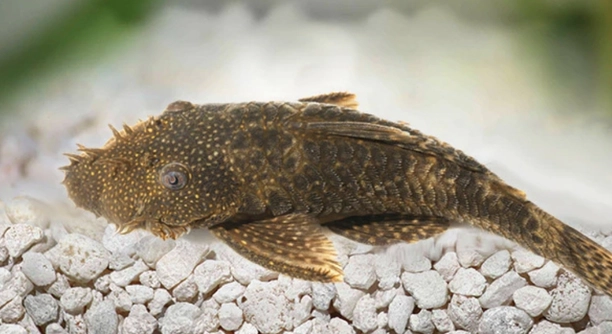
Sometimes, observing your pleco swimming in circles can be concerning. This behavior might leave you wondering what could be causing it, especially when your fish seems healthy in other ways. Understanding this behavior can help ensure your fish’s well-being.
Plecos swimming in circles can be caused by several factors, including stress, poor water quality, or a lack of space in the tank. It is essential to check water parameters, tank conditions, and ensure the fish has enough room to move freely.
By paying attention to their environment and habits, you can help your pleco feel more comfortable and address any underlying issues.
Possible Causes for Your Pleco’s Behavior
When your pleco swims in circles, it’s important to first consider water quality. High levels of ammonia, nitrites, or nitrates can stress fish, leading to abnormal behavior. Regular water changes and proper filtration are key in maintaining a healthy tank environment. It’s also worth checking the temperature and pH levels. If either is outside the ideal range for your pleco species, this could contribute to erratic swimming patterns.
Another factor to consider is tank size. Plecos are large fish that require space to move freely. A cramped tank can cause them to feel confined and anxious, which might explain circular swimming. If the tank is overcrowded or lacks hiding spots, it could increase the likelihood of stress and behavioral changes.
Fish that swim in circles may also be displaying signs of boredom. Without enough enrichment, plecos may swim in repetitive patterns simply out of a lack of stimulation. Offering a variety of tank decorations, plants, and caves will provide your pleco with the opportunity to explore and engage with their environment.
Stress and Its Impact
Stress in plecos often leads to unusual behavior like swimming in circles. If your fish feels threatened or uncomfortable, it may try to escape or display nervous habits.
A sudden change in its environment, whether through new tankmates or unfamiliar objects, can disrupt the pleco’s sense of security. Fish are sensitive creatures, and even minor disturbances can lead to distress. Identifying and removing stressors quickly is vital to prevent further harm. If possible, separate any aggressive tankmates and monitor the pleco’s reaction. A calm environment is essential for your fish to thrive.
Poor Water Quality
Water quality plays a major role in your pleco’s health. High levels of toxins like ammonia or nitrates can cause distress. It’s important to test your water regularly to ensure safe conditions. Poor filtration or infrequent water changes can quickly deteriorate tank conditions, leading to the pleco’s erratic behavior.
If the water quality is not up to par, your pleco may exhibit signs of stress, including swimming in circles. Contaminants build up in the tank over time, especially if the tank is not maintained properly. Regular water testing, along with consistent water changes, can keep these toxins at bay. Additionally, upgrading your filtration system may help to improve water quality and minimize any harmful substances that could trigger abnormal swimming patterns. Make sure your pleco’s environment is as clean and stable as possible.
Water testing kits and regular maintenance routines can help ensure your pleco lives in a healthy tank. These measures will reduce stress, keeping your pleco from feeling trapped or uncomfortable. Clean water conditions are a critical factor in promoting a calm, happy pleco.
Tank Size and Space
A small tank or overcrowding could cause your pleco to swim in circles. Plecos are large fish that require plenty of space to move around freely. Insufficient space can make them feel confined and stressed, leading to repetitive behaviors.
When you house a pleco in a tank that is too small, it limits their ability to explore or hide. This lack of stimulation can result in constant swimming in circles as they attempt to find a comfortable spot. The more space your pleco has, the less likely it is to develop these behaviors. If possible, upgrade to a larger tank to give your pleco the room it needs to thrive.
In addition to providing more space, creating a varied environment with plants and decorations can help your pleco feel more at ease. Adding caves or hiding spots will give your pleco areas to rest, reducing stress and helping to eliminate unwanted swimming behaviors.
Water Temperature
The temperature of the water affects your pleco’s behavior. Plecos thrive in warm water, typically between 74°F and 80°F. If the water is too cold, it can cause stress and make them swim aimlessly in circles. Regularly checking the temperature can help maintain a comfortable environment for your pleco.
When the water temperature fluctuates too much, your pleco may struggle to adjust, leading to abnormal movements. A stable and consistent temperature will help keep your pleco comfortable and healthy. Investing in a reliable aquarium heater can prevent temperature drops and keep your pleco from experiencing unnecessary stress.
Lack of Stimulation
Without sufficient stimulation, your pleco may resort to swimming in circles out of boredom. Plecos need enrichment in their environment, such as plants, rocks, and caves, to explore. If your pleco lacks places to hide or areas to forage, it may become restless and repeat circular swimming patterns.
Adding new decorations or rearranging the tank can provide new places for your pleco to explore. This can reduce boredom and encourage more natural behaviors. Offering food in different locations or using aquarium-safe materials to create hiding spots will help keep your pleco mentally engaged.
Tank Mates
The presence of tank mates can influence your pleco’s behavior. If your pleco feels threatened by more aggressive fish, it may swim in circles as a form of stress relief. The size, temperament, and compatibility of tank mates can all impact the well-being of your pleco.
FAQ
Why is my pleco swimming in circles all the time?
If your pleco swims in circles frequently, it could be due to stress, poor water quality, or lack of space. Fish, especially plecos, are sensitive to environmental changes. Ammonia or nitrate spikes in the water, cramped tank conditions, or incompatible tank mates may cause your pleco to act this way. First, check the water quality, ensure the tank is spacious enough, and observe the other fish in the tank to see if any aggression is occurring. Correcting these factors often reduces abnormal behaviors like swimming in circles.
How can I fix my pleco’s behavior?
To fix your pleco’s behavior, ensure its environment is clean, spacious, and stimulating. Perform regular water changes and monitor the water’s ammonia, nitrite, and nitrate levels. You should also make sure the tank is large enough for the pleco to move freely. Adding plants, caves, and other decorations will keep your pleco entertained. Lastly, check if the tank mates are causing stress, and separate any aggressive fish. Adjusting these factors should help calm your pleco down and stop the repetitive swimming patterns.
Can poor water quality make my pleco swim in circles?
Yes, poor water quality is one of the main reasons plecos swim in circles. High levels of toxins like ammonia, nitrites, and nitrates can cause severe stress and abnormal behavior. Test your water regularly and perform partial water changes every week to maintain a healthy environment. Poor filtration or stagnant water can exacerbate this issue, so upgrading your filter and ensuring proper circulation can help. Clean, stable water is essential for your pleco’s well-being.
Does the tank size matter for my pleco?
Yes, the size of the tank is very important for your pleco’s health. Plecos can grow large, and they need a lot of space to move freely. A small tank will restrict their movement and could cause stress, leading to abnormal behaviors like swimming in circles. If your pleco is in a tank that’s too small, consider upgrading to a larger one. A 75-gallon tank is typically recommended for most pleco species to allow them room to thrive. A spacious environment will help reduce stress and support healthy behavior.
Can plecos get bored and swim in circles?
Yes, plecos can get bored, especially if their environment lacks variety and stimulation. A pleco’s natural behavior involves exploring, foraging, and resting in dark places. If they don’t have enough places to hide or explore, they might resort to repetitive actions like swimming in circles. Adding decorations, plants, and caves to the tank will provide mental stimulation and help keep your pleco engaged. You should also try feeding them in different parts of the tank to encourage natural foraging behaviors.
Are plecos aggressive toward other fish?
Plecos are generally peaceful, but they can become territorial if they feel crowded or stressed. Some species of plecos may show aggression toward other fish if they’re not given enough space or if the tank has insufficient hiding spots. Aggressive tank mates could also cause your pleco to swim in circles as a stress response. To minimize aggression, ensure your pleco has enough room to establish its territory and that its tank mates are compatible. Monitoring interactions and separating any aggressive fish can also help maintain peace.
Can changes in temperature affect my pleco’s behavior?
Yes, changes in temperature can affect your pleco’s behavior. Plecos are sensitive to water temperature, and fluctuations can cause stress. They prefer temperatures between 74°F and 80°F. If the water gets too cold or too hot, your pleco may exhibit unusual behaviors, like swimming in circles. Install an aquarium heater to maintain a stable temperature, and regularly check the water’s temperature to ensure it stays within the ideal range for your pleco’s species.
Is it possible that my pleco is sick?
Yes, illness can also cause abnormal swimming behaviors, including swimming in circles. If your pleco seems lethargic, has abnormal coloration, or displays signs of disease like lesions or bloating, it might be suffering from an infection or parasite. Check your pleco for any visible signs of illness. If you suspect your pleco is sick, isolate it from other fish and treat the tank according to the symptoms. It’s best to consult a veterinarian or fish expert for a proper diagnosis and treatment plan.
How often should I clean my pleco’s tank?
Regular cleaning is crucial to keeping your pleco healthy. Plecos are known for being “clean-up crew” fish, but they still need a well-maintained environment. Perform partial water changes every week to maintain water quality, and clean the substrate to remove debris. You should also clean the filter regularly to ensure proper filtration. A clean tank will reduce stress and help prevent behaviors like swimming in circles. Make sure to remove excess algae as well, as plecos love to eat it but may overeat if it’s too abundant.
Can adding new fish make my pleco swim in circles?
Adding new fish to the tank can potentially cause stress, especially if the new fish are aggressive or overly active. Plecos are often peaceful but may become stressed by unfamiliar tankmates. If the new fish are constantly invading the pleco’s space, your pleco may start swimming in circles out of frustration or fear. If you add new fish, monitor your pleco’s behavior closely and ensure that the new fish are compatible with its temperament. Providing hiding spots and plenty of space will help minimize stress during this adjustment period.
Final Thoughts
Understanding why your pleco swims in circles is important for maintaining its health and well-being. There are various factors to consider, including water quality, tank size, and the presence of other fish. If the water quality is poor, your pleco may become stressed and exhibit abnormal behaviors like swimming in circles. Regularly testing the water and performing necessary maintenance can help keep your pleco comfortable. Additionally, ensuring your tank is the right size and providing enough space for your pleco to move around freely is essential for reducing stress.
Another key aspect is keeping your pleco’s environment stimulating. Plecos are active creatures that require hiding spots, plants, and rocks to explore. Without enough stimulation, your pleco may become bored, leading to repetitive behaviors like swimming in circles. By adding more decorations or rearranging the tank, you can create a more engaging environment for your pleco. Also, consider feeding your pleco in different areas of the tank to encourage natural foraging behavior, which can help prevent boredom and improve its overall well-being.
Lastly, always keep an eye on your pleco’s behavior and health. If swimming in circles becomes a consistent issue, it may be a sign of stress or illness. If you suspect your pleco is sick, isolate it from other fish and consult a veterinarian or aquarium specialist for advice. Monitoring your pleco’s behavior, adjusting its environment, and ensuring it has a healthy and stress-free life will help keep it happy and reduce any strange swimming patterns. With proper care and attention, your pleco will thrive in its tank, free from the anxiety that causes such repetitive movements.

Hello,
If you enjoy the content that we create, please consider saying a "Thank You!" by leaving a tip.
Every little bit helps us continue crafting quality advice that supports the health, happiness, and well-being of pets around the world, for pets of all shapes, sizes, and species.
We really appreciate the kindness and support that you show us!