
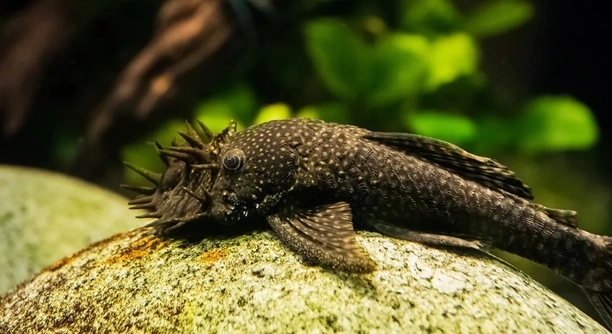
Plecos are fascinating fish, often admired for their peaceful nature and unique appearance. However, it’s not uncommon for these bottom dwellers to seem uninterested in interacting with their tank mates. This behavior can leave aquarists puzzled.
The most common reason your pleco is ignoring its tank mates is due to its solitary nature and territorial instincts. Plecos prefer spending time alone and may not actively engage with other fish. They are also nocturnal, often becoming more active at night.
Understanding this behavior can help you create a more harmonious tank environment. This knowledge will also guide you in ensuring your pleco’s well-being and the overall balance of your aquarium.
Why Do Plecos Prefer Solitude?
Plecos are naturally solitary fish that thrive in peaceful environments. Their independent nature means they typically don’t seek out companionship with other tank mates. In the wild, they prefer hiding in crevices and only interact with other fish when necessary. This behavior can be observed in captivity, where they may seem to ignore tank mates altogether.
While it might seem odd, this preference for isolation isn’t a sign of illness or stress. Plecos are simply not social fish, and they are more focused on finding food and shelter than engaging with others. They are also nocturnal, which can contribute to the lack of interaction during the day when most other fish are active.
Ensuring your pleco’s tank has plenty of hiding spots and stable water conditions is crucial for its well-being. You’ll notice that when these conditions are met, your pleco will thrive without needing to engage with other fish. In fact, adding too many active or aggressive tank mates can cause your pleco stress.
Plecos’ Territorial Instincts
Plecos are known for their territorial instincts. While they aren’t aggressive, they will defend their space, especially in smaller tanks. This territorial behavior means that even if they don’t show direct aggression, they may actively avoid other fish.
To maintain a peaceful tank, it’s best to provide ample space and hiding spots for your pleco. A tank that is too crowded can lead to stress and a lack of interaction with other fish, as the pleco will feel the need to protect its territory. Plecos may also become more active at night, patrolling their territory when other fish are less active.
Proper tank setup can alleviate potential issues and keep your pleco content. It’s vital to remember that plecos, though peaceful, are happiest when they have control over their environment and aren’t constantly challenged by other fish.
The Impact of Tank Size on Plecos’ Behavior
Plecos need enough space to feel comfortable and secure. A cramped tank can lead to stress and cause your pleco to retreat into corners or avoid interacting with others. The more space your pleco has, the more likely it is to exhibit natural behaviors and maintain its peaceful nature.
A larger tank allows your pleco to claim its own territory without feeling threatened by other fish. It also gives it room to explore and hide when needed. With more space, your pleco will likely feel more relaxed and less focused on defending its area, making it less likely to ignore its tank mates.
In smaller tanks, plecos may become more territorial and less active, sticking to one area. This can make interactions with other fish less common, as your pleco may feel cornered or unable to move freely. By providing a spacious tank, you’re giving your pleco the freedom to coexist peacefully with other fish, even if it doesn’t engage with them often.
Tank Environment and Its Effects on Plecos
Water conditions play a significant role in your pleco’s behavior. Changes in water quality, such as fluctuating temperature or high levels of ammonia, can cause stress, leading your pleco to hide or ignore other fish. Stable water parameters are key to a happy pleco.
Plecos are bottom dwellers that thrive in clean, well-maintained tanks. Poor water conditions may make them less active or even cause them to hide for long periods, avoiding interactions with tank mates. Additionally, water temperature and oxygen levels should be consistent to prevent discomfort. When plecos feel safe and healthy, they’re more likely to remain active and not retreat into isolation.
A tank with proper filtration and water flow allows your pleco to thrive. If water quality is consistently maintained, it helps ensure that your pleco remains healthy and comfortable. Stable conditions help prevent stress-induced behaviors, like ignoring other fish, and support the pleco’s overall well-being.
Plecos’ Feeding Habits and Social Behavior
Plecos are primarily nocturnal and focus on finding food at night. This may make it seem like they’re ignoring their tank mates during the day when they’re resting or staying out of sight. Their feeding habits influence their social interactions.
Since plecos are bottom feeders, they tend to forage for algae, leftover food, and detritus at the bottom of the tank. They don’t usually compete for food with other fish, which can lead to less interaction. Their feeding times often differ from those of other fish, further contributing to their solitary behavior.
The Role of Tank Mates in Pleco Behavior
The type of fish you keep with your pleco matters. Peaceful, non-aggressive tank mates are best, as aggressive fish may stress your pleco, leading it to isolate itself. The presence of overly active or territorial fish can make your pleco less social.
Plecos are not typically aggressive, but they may still avoid overly dominant tank mates. In a community tank, it’s important to choose compatible fish that won’t threaten your pleco’s space. When the environment is peaceful, your pleco will feel more at ease and may interact more with its companions. Ensuring there’s enough room for each fish to thrive reduces the chances of isolation.
Lighting and its Effect on Plecos
Lighting can significantly impact a pleco’s activity levels. Bright lights may cause stress, as plecos prefer dimmer conditions that mimic their natural habitat. Too much light during the day can lead to your pleco hiding and avoiding interaction.
Plecos are naturally more active at night, when the light is lower. Bright lighting may encourage them to stay in hiding during the day, avoiding other fish. To keep your pleco comfortable and less prone to isolation, try to use dim lighting or create shaded areas within the tank. This will help your pleco feel secure and allow for more natural behavior.
FAQ
Why is my pleco not interacting with other fish?
Plecos are naturally solitary creatures and prefer to spend their time alone, especially during the day when they tend to rest. They are also nocturnal and often become more active at night when most other fish are resting. This could make it appear as if your pleco is ignoring its tank mates. Additionally, plecos may not seek interaction because they are more focused on foraging for food at the bottom of the tank.
How can I make my pleco feel more comfortable with other fish?
To help your pleco feel more comfortable, ensure that your tank has enough hiding spots and caves where it can retreat when needed. Peaceful tank mates that won’t compete for the same food or territory are essential. If your pleco feels safe in its environment, it may become more comfortable and interact with other fish over time.
Can I keep other fish with my pleco?
Yes, but it’s important to choose peaceful tank mates. Fish that are too aggressive can stress your pleco, making it more likely to isolate itself. Ideal tank mates include other peaceful bottom dwellers like catfish, or small, non-aggressive species. It’s essential to ensure that all fish have enough space to avoid territorial conflicts.
How can I tell if my pleco is stressed?
Stressed plecos often exhibit behaviors like hiding for extended periods, avoiding food, or showing signs of physical damage such as torn fins or a dull color. Poor water conditions, overcrowding, or aggressive tank mates can cause these stress reactions. Monitoring water quality, ensuring the right tank size, and observing your pleco’s behavior can help identify stress early.
What is the best tank size for a pleco?
Plecos require a spacious tank to feel secure and comfortable. A tank that is at least 75 gallons is ideal for most adult plecos. This provides enough space for them to explore, find food, and establish a territory. Smaller tanks can lead to overcrowding and stress, which may cause your pleco to isolate itself from tank mates.
Why does my pleco hide so much?
Hiding is a natural behavior for plecos, especially if they feel threatened or stressed. Plecos are nocturnal creatures, so they are more active during the night. During the day, they tend to rest or hide in caves or under plants. Providing your pleco with sufficient hiding spots and ensuring it feels safe can help reduce this behavior.
What should I feed my pleco?
Plecos are primarily herbivores and thrive on algae, plant matter, and biofilm found in the tank. You can also provide sinking algae wafers or vegetable-based foods like zucchini or cucumber. Offering a varied diet ensures your pleco gets all the necessary nutrients. However, be sure not to overfeed, as this can cause water quality issues.
Can lighting affect my pleco’s behavior?
Yes, plecos prefer dim lighting or low light conditions, as they are more active during the night. Bright lights can stress them out, leading to them hiding more often. Adjusting your lighting to create shaded areas or using dim lights during the day can help your pleco feel more comfortable and reduce its tendency to hide.
Is it normal for my pleco to ignore other fish?
Yes, it is normal for plecos to ignore their tank mates. They are bottom-dwelling fish that prefer to stay to themselves. Plecos are not aggressive and do not seek out interaction with other fish unless necessary. They’re more focused on finding food and maintaining their territory than engaging socially.
How do I know if my pleco is healthy?
A healthy pleco will have clear, smooth skin and will actively forage for food. It should swim freely, albeit it might prefer resting in its favorite spots. Healthy plecos are also responsive to their environment, but they may still spend most of their time hidden or foraging alone.
What are the signs that my pleco is unhealthy?
Signs of an unhealthy pleco include lethargy, a lack of appetite, abnormal swimming behavior, and visible damage to its fins or body. If your pleco is constantly hiding or its skin appears discolored, it could be a sign of stress, poor water quality, or illness. Addressing water quality, tank mates, and diet can help improve your pleco’s health.
Can plecos live with other bottom-dwelling fish?
While plecos are bottom dwellers, they can live with other peaceful bottom-dwellers as long as there is enough space in the tank. It’s important to avoid overcrowding, as plecos need plenty of room to move around and establish their own space. Also, make sure there’s enough food for everyone.
Why is my pleco not eating?
If your pleco isn’t eating, it could be due to stress, poor water conditions, or a diet that doesn’t suit its needs. Ensure the water temperature is stable and that your pleco has access to a variety of foods, including algae wafers, vegetables, and plant matter. Check if there are any aggressive tank mates that could be causing stress. If your pleco still refuses to eat, it may be a sign of an underlying health issue.
How often should I clean my pleco’s tank?
You should clean your pleco’s tank regularly to maintain good water quality. This includes performing partial water changes (about 25% every week or two) and vacuuming the substrate to remove any excess waste. A clean tank is essential for the overall health of your pleco, as poor water quality can lead to stress and illness.
Why does my pleco keep swimming upside down?
If your pleco is swimming upside down, it may be suffering from swim bladder disease, which affects its buoyancy. This can be caused by a variety of factors, including poor water quality, a high-fat diet, or physical injury. It’s important to monitor your pleco closely and check the water conditions. If the issue persists, consider consulting a vet who specializes in fish.
Final Thoughts
Plecos are fascinating fish with unique behaviors that can sometimes make them seem distant or aloof in a tank setting. Their natural tendency to be more solitary, especially during the day, is often mistaken for ignoring tank mates. In reality, plecos are not unfriendly; they are simply more focused on their own activities, such as foraging for food and resting. As nocturnal creatures, they thrive in environments where they can feel secure during the day and become more active at night. Understanding these natural tendencies can help in managing expectations and fostering a better environment for your pleco.
While plecos might not interact much with other fish, they still play a crucial role in maintaining a healthy tank. Their bottom-dwelling habits help keep algae levels in check, which can prevent overgrowth in the tank. However, they can be sensitive to changes in their environment. Factors like water quality, the presence of aggressive tank mates, or the availability of hiding spots can all affect how your pleco behaves. By providing a peaceful, spacious environment and ensuring the right tank conditions, you can encourage your pleco to feel more at ease, even if it still prefers to keep to itself.
Ultimately, it’s important to accept your pleco’s natural behavior and adjust the tank setup to suit its needs. A well-maintained tank with appropriate lighting, peaceful tank mates, and hiding spaces will make a significant difference in your pleco’s well-being. While they may never be the most social fish in the tank, with a little understanding, they can still thrive and contribute to a balanced, healthy aquarium.

Hello,
If you enjoy the content that we create, please consider saying a "Thank You!" by leaving a tip.
Every little bit helps us continue crafting quality advice that supports the health, happiness, and well-being of pets around the world, for pets of all shapes, sizes, and species.
We really appreciate the kindness and support that you show us!