
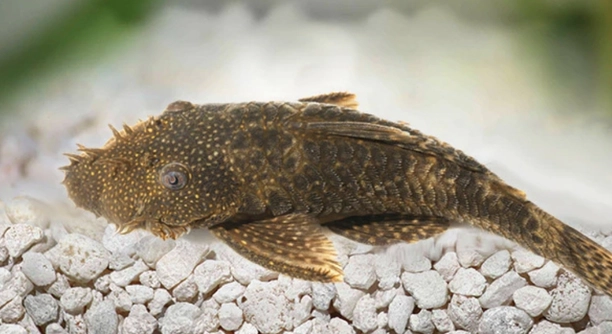
Plecostomus, commonly known as plecos, are popular aquarium fish, often admired for their algae-eating abilities. However, they can sometimes face malnutrition if not properly cared for. Identifying the signs early is crucial for their well-being.
Malnourishment in plecos can manifest through several signs, including poor growth, lack of appetite, faded coloration, lethargy, and unusual behavior. A diet lacking essential nutrients can lead to these symptoms, which may worsen without proper dietary adjustments or intervention.
Recognizing these signs will help you better care for your pleco and ensure they receive the proper nutrition they need. Understanding the cause behind these issues is essential for their recovery and long-term health.
Lack of Appetite
A pleco that refuses to eat is one of the first signs that something may be wrong. Typically, plecos enjoy a varied diet of algae, vegetables, and high-quality fish pellets. If your pleco stops eating or shows a reduced appetite, it could be a sign of malnutrition. In some cases, they may stop eating entirely, leading to rapid weight loss and weakened health. A lack of proper nutrients can cause them to lose interest in food. This can be concerning, especially if it continues for an extended period, as it will likely impact their overall well-being.
One way to address this issue is by offering a more varied diet. If your pleco is ignoring the food you typically provide, try introducing different vegetables, such as zucchini, cucumbers, or even sinking algae wafers. Ensure that the food is fresh and not contaminated.
If your pleco’s appetite doesn’t improve despite offering different options, it’s crucial to check the water conditions. Poor water quality can cause stress and lead to a decrease in appetite. Ensure that the water is well-filtered and properly maintained to prevent unnecessary health issues.
Faded Coloration
Fading coloration is often a sign of a malnourished pleco. Healthy plecos typically have vibrant colors, but a lack of essential nutrients can lead to a noticeable loss in their natural hue. If you observe your pleco becoming paler than usual, this may indicate that they aren’t receiving the vitamins or minerals they need for optimal health. A diet lacking in variety or the proper balance of nutrients can contribute to these changes.
Malnourished plecos may also appear dull or lack the shiny, glossy finish that they usually have. Along with faded colors, you may notice other signs of distress, such as lethargy or erratic swimming behavior. This is when addressing their diet becomes vital. Including nutrient-rich foods like spirulina or algae in their meals can make a significant difference.
Lethargy and Lack of Movement
If your pleco becomes unusually sluggish or stays in one spot for long periods, it may be a sign of malnutrition. A healthy pleco is typically active, exploring the tank and scavenging for food. When they lack the necessary nutrients, their energy levels drop, and they become less active. This can lead to other health issues like weakened immune systems.
Malnutrition can also weaken their ability to perform natural behaviors, such as cleaning algae or interacting with other tank mates. If your pleco seems unresponsive or hides in corners of the tank more often, it could be a direct result of a poor diet. In this case, providing a more balanced and nutrient-rich food option, like algae wafers, is essential. If the lethargy continues, water quality and temperature should also be checked, as these can contribute to inactivity.
Poor Growth and Stunted Size
A pleco that is not growing as expected may be a clear indication of malnutrition. Healthy plecos should grow steadily over time, but without proper nutrition, they can experience stunted growth. Their development may slow down, and they may remain smaller than they should be for their age. This lack of growth often stems from a lack of vital nutrients like protein, vitamins, and minerals.
If you notice that your pleco seems smaller than similar ones in other tanks or is not reaching the usual growth milestones, a dietary change is needed. Increasing the variety of foods you offer and focusing on protein-rich options can help boost their growth. Over time, this should allow them to return to a healthier size and increase their activity levels. Regular water changes can also ensure they have a healthy environment to grow in.
Swollen Abdomen
A swollen abdomen in a pleco can indicate malnutrition or digestive issues. If you notice your pleco’s belly becoming distended, it may be struggling to properly digest food or absorb nutrients. This can be a result of a poor diet or an imbalance in their nutritional intake.
If your pleco’s abdomen appears unusually large, it’s important to check their diet. Ensure that you’re providing the correct balance of foods, including fresh vegetables and algae, and avoid overfeeding. Poor water quality can also contribute to digestive issues, so maintaining clean tank conditions is equally crucial.
Lack of Interest in Socializing
Plecos are typically peaceful creatures but will sometimes interact with other fish or explore the tank. When malnourished, they often become more reclusive and uninterested in socializing. This change in behavior can be a sign that they are not feeling well due to lack of nutrients.
To help your pleco regain normal behavior, offer them a variety of foods and ensure the tank environment is clean and stress-free. A well-balanced diet will not only improve their health but may also encourage more active interactions with other tank mates. Keep a close eye on any further changes in behavior.
FAQ
What are the best foods for a pleco to prevent malnutrition?
A well-rounded diet is crucial to prevent malnutrition in plecos. The best foods for them include high-quality algae wafers, sinking pellets, and fresh vegetables like zucchini, cucumber, and spinach. Adding spirulina algae is also highly beneficial due to its rich nutrient content. Some plecos also enjoy small pieces of blanched carrots or sweet potatoes. A variety of food sources ensures they get the necessary vitamins and minerals, helping to maintain a healthy, balanced diet.
How often should I feed my pleco to avoid overfeeding or malnutrition?
Plecos are usually fed once a day, but it’s essential to monitor how much they consume in one sitting. Overfeeding can lead to water quality issues and obesity, while underfeeding causes malnutrition. Offering small amounts of food they can consume in 3 to 5 minutes ensures that they’re not left with uneaten food in the tank. Keep track of their appetite to adjust feeding amounts and frequency accordingly.
How can I tell if my pleco is getting enough nutrients from its diet?
You can tell if your pleco is getting enough nutrients by observing its physical health and behavior. A well-fed pleco should have vibrant coloring, an active personality, and a normal growth rate. If your pleco is sluggish, showing signs of weight loss, or experiencing faded colors, it may not be receiving the necessary nutrients. If these signs appear, it’s time to reassess their diet and consider adding new foods, such as algae-rich options or protein sources like shrimp.
Can I feed my pleco only algae wafers?
While algae wafers are great for plecos, feeding them exclusively these may result in an unbalanced diet. Plecos need a variety of nutrients, including proteins, vitamins, and minerals, which are not provided by algae wafers alone. To ensure your pleco’s health, supplement their diet with fresh vegetables and occasional protein-rich foods like shrimp or snails. This variety helps provide a more balanced diet.
Is my pleco’s lack of appetite a sign of disease or stress?
A lack of appetite can be a sign of stress, disease, or poor water quality. Stressors such as aggressive tank mates, poor water conditions, or changes in the environment can cause your pleco to stop eating. It’s essential to check the water parameters, ensure the temperature and pH levels are suitable, and monitor tank conditions. If these factors are normal and the loss of appetite persists, it could be a sign of an underlying health issue, requiring further investigation.
How can I improve the water quality in my pleco’s tank?
Good water quality is essential for pleco health. To improve water quality, ensure you’re performing regular water changes (about 25-30% every 2 weeks), and use a reliable filtration system. Make sure the filter is rated appropriately for the tank size and is cleaned regularly. Testing water parameters such as ammonia, nitrites, and nitrates can also help identify any issues. Proper aeration and ensuring your pleco’s tank is not overcrowded will reduce stress and help maintain water quality.
Should I give my pleco supplements to improve its health?
While a balanced diet should provide most of the necessary nutrients, some plecos benefit from supplements, especially if they show signs of malnutrition or deficiencies. Supplements such as vitamin-rich foods, particularly for plecos that lack certain vitamins or minerals, can support their health. Be careful not to over-supplement, as this can lead to an imbalance. It’s always better to prioritize a varied diet first and use supplements as a secondary measure if needed.
What are the signs that my pleco’s water conditions are poor?
Poor water conditions can lead to several issues for your pleco. If the water quality is bad, you might notice increased lethargy, faded coloration, or abnormal swimming behavior. You may also see signs like clamped fins or rapid gill movement, indicating stress or oxygen deficiency. Checking for high ammonia, nitrite, or nitrate levels in the water will help you determine if it’s time for a water change or a deeper cleaning of the tank.
Can plecos recover from malnutrition?
Yes, plecos can recover from malnutrition if caught early. The key to recovery is improving their diet and ensuring optimal water quality. Providing a variety of fresh, nutrient-dense foods can help restore their health over time. It’s important to be patient, as it may take a few weeks to see noticeable improvements. If the pleco’s condition doesn’t improve or worsens, a vet or aquatic specialist should be consulted.
How can I encourage my pleco to eat more?
If your pleco isn’t eating, try offering a variety of foods to see what it prefers. Some plecos are picky eaters, so experimenting with different vegetables or sinking pellets may help. You can also try feeding at different times of day, ensuring that the food is fresh and appealing. Avoid overfeeding, as it can cause water quality issues and discourage eating. Ensuring a calm tank environment with minimal stress will also help your pleco feel more comfortable eating.
What’s the best way to prepare vegetables for my pleco?
Vegetables should be thoroughly washed and blanched before offering them to your pleco. Blanching helps soften the vegetables and makes them easier to eat. For example, slice zucchini or cucumber into thin pieces, and blanch them in boiling water for a minute or two. Once cooled, place them in the tank for your pleco to graze on. Keep in mind that removing uneaten vegetables after a few hours helps prevent water contamination.
How long does it take for plecos to show improvement after adjusting their diet?
After adjusting your pleco’s diet, it may take a few days to a few weeks for visible improvements. You should start seeing signs of increased activity and healthier coloring within a week if the diet change is significant. However, for growth and overall recovery, expect the process to take a few weeks. Consistency in providing a proper diet and maintaining a clean tank is key to supporting your pleco’s recovery.
Can plecos get too much protein?
While protein is essential for plecos, they can get too much if fed excessive amounts of protein-rich foods like shrimp or other animal-based products. Overfeeding protein can cause obesity, stress, and even damage to the kidneys over time. It’s important to offer protein in moderation and maintain a balance with plant-based foods like algae and vegetables to avoid any health issues.
Final Thoughts
Taking care of a pleco involves more than just feeding them. A healthy pleco requires a balanced diet, good water quality, and the right environment to thrive. If you notice signs of malnutrition or poor health, it’s important to act quickly to address the issue. Regularly checking the water parameters and providing a varied, nutritious diet will help prevent malnutrition and ensure your pleco stays healthy for years to come.
While malnutrition can be a serious concern for plecos, it’s usually preventable with the right care. By observing their behavior and appearance, you can catch early signs of malnutrition and take action before it becomes a bigger problem. Keep an eye on their eating habits, physical condition, and activity levels. If any changes are noticed, adjust their diet and tank environment accordingly. A variety of foods, including fresh vegetables and quality algae, along with regular water changes, can make a significant difference in your pleco’s health.
Maintaining a healthy and thriving pleco is achievable with some attention and effort. It’s all about balance—ensuring they get the right nutrients and maintaining a clean, stress-free environment. A well-cared-for pleco will not only survive but also grow and flourish, adding beauty to your aquarium for a long time. Keep track of their health and behavior, and always make adjustments to their care routine when necessary. With proper attention, your pleco will be a happy, vibrant addition to your aquatic setup.

Hello,
If you enjoy the content that we create, please consider saying a "Thank You!" by leaving a tip.
Every little bit helps us continue crafting quality advice that supports the health, happiness, and well-being of pets around the world, for pets of all shapes, sizes, and species.
We really appreciate the kindness and support that you show us!