
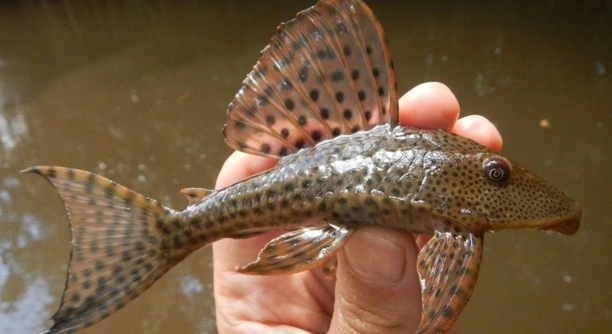
Plecos are popular aquarium fish known for their peaceful nature and ability to clean tank surfaces. However, it’s important to know when your pleco may be in distress, as they can be vulnerable to various health issues.
A pleco in distress may show signs such as unusual swimming patterns, changes in behavior, or physical symptoms like faded color or labored breathing. Observing these signs is essential in identifying any underlying issues and ensuring their well-being.
Recognizing these signs early can help you take the right steps to care for your pleco and improve their health. Understanding these indicators is key to maintaining a happy and healthy aquarium.
Unusual Swimming Patterns
One of the first signs a pleco may be in distress is changes in swimming patterns. A healthy pleco typically moves smoothly across the tank, often sticking to surfaces. If you notice your pleco struggling to swim, darting erratically, or swimming upside down, it could be a sign that something is wrong. This behavior can result from stress, water quality issues, or even illness.
If a pleco seems unable to swim properly, it’s important to check the water parameters immediately. Poor water conditions, such as high ammonia or nitrate levels, can harm their delicate systems. Ensuring the water temperature is appropriate and stable also plays a major role in their comfort.
Sometimes, their behavior may improve once water conditions are addressed. However, if unusual swimming continues, it’s crucial to consult a vet. A proper diagnosis can help guide you toward the best treatment for your pleco’s health.
Labored Breathing
If your pleco is struggling to breathe, this can signal serious issues. Labored breathing can indicate a problem with water quality, gill infections, or physical trauma.
A pleco should have a calm, rhythmic breathing pattern, but if you notice rapid gill movement or gasping at the water surface, it’s important to take action quickly. Poor water oxygenation or toxins in the tank may contribute to this distress.
Maintaining good water circulation is key to preventing these issues. If breathing difficulties persist, consider treating the water with specialized aquarium remedies. Proper filtration and regular water changes will also ensure your pleco remains healthy in the long term.
Faded or Darkened Color
When a pleco’s color fades or becomes darker, it could be a sign of stress or poor health. Plecos naturally have vibrant, varying colors, but a noticeable change in hue often indicates underlying issues like poor water quality or a lack of nutrients.
A pleco’s color can darken as a result of environmental stressors such as fluctuating temperatures, ammonia buildup, or aggressive tankmates. It’s essential to observe any changes in their appearance and act quickly to correct the water conditions. Provide plenty of hiding spaces to reduce stress from other fish.
A dull appearance can also stem from insufficient lighting or an improper diet. Be sure to offer a balanced variety of foods, including algae wafers and vegetables, to keep your pleco healthy. Addressing these factors should help restore your pleco’s natural color over time.
Loss of Appetite
A decrease in appetite can often signal distress or illness in a pleco. If your pleco suddenly stops eating or only eats very little, it’s essential to investigate possible causes. This behavior can result from changes in water quality or environmental factors.
Sometimes, a pleco’s appetite is affected by water temperature, pH levels, or stress from other fish. Check your tank’s parameters and make necessary adjustments. Keeping the tank clean and ensuring no harmful chemicals are present can help improve their eating habits.
If the loss of appetite persists, there could be an underlying health issue. Parasites or infections may cause a lack of interest in food, so a veterinarian specializing in aquatic animals should be consulted for treatment.
Labored Swimming
If your pleco is struggling to swim normally, it could be a sign of distress. Labored swimming is usually a result of poor water quality or physical injury. It’s important to monitor their movements closely and identify the cause of this issue.
Check water parameters, such as pH, temperature, and ammonia levels. If these are out of balance, they can affect your pleco’s ability to swim. Make sure the water is clean and well-filtered. Adding aeration to improve oxygen levels may also help ease their swimming difficulties.
Abnormal Skin Growths
Abnormal growths or lesions on a pleco’s skin can be a concerning sign. These growths may appear as lumps or sores, often indicating a bacterial or fungal infection.
Keep an eye on any unusual bumps or lesions. These growths may be linked to poor water quality or injury. Treatment for infections can range from salt baths to medicated water. Addressing water quality is crucial in preventing further issues.
Changes in Behavior
Changes in behavior, such as hiding more often or swimming aimlessly, can indicate that your pleco is stressed or unwell. Behavioral shifts are typically caused by poor tank conditions or health problems.
Consider factors like tank size, water parameters, and tankmates. Overcrowded or aggressive environments can cause stress, while improper water conditions may lead to physical discomfort. Providing a calm and stable environment is essential for their well-being.
FAQ
What causes a pleco to stop eating?
There are several reasons a pleco might stop eating. Poor water quality is a common cause, as high levels of ammonia or nitrates can affect a pleco’s appetite. Temperature fluctuations and stress from tankmates can also cause them to lose interest in food. If your pleco isn’t eating, check the water parameters first. Sometimes, a change in diet or introducing new foods can help, as plecos are known to be picky eaters at times.
How can I tell if my pleco is sick?
A sick pleco may show a variety of signs, including faded or darkened color, labored breathing, or unusual swimming behavior. They may also develop skin lesions, lose their appetite, or start hiding more frequently. If your pleco’s behavior changes suddenly, it’s essential to check the water quality and examine them closely for any physical symptoms. In more serious cases, a veterinarian specializing in fish may be needed for diagnosis and treatment.
Can stress affect my pleco’s health?
Yes, stress can significantly affect a pleco’s health. Stressful conditions, such as poor water quality, overcrowding, or aggressive tankmates, can weaken their immune system and lead to illness. Signs of stress include hiding more often, swimming erratically, and changes in appetite or behavior. Ensuring your pleco has a peaceful environment and stable water conditions can help reduce stress and keep them healthy.
How often should I change the water for my pleco?
Water changes are essential for maintaining a healthy environment for your pleco. Generally, a 25-30% water change every 1-2 weeks is recommended, depending on tank size and stocking levels. If your pleco is in a heavily stocked tank or the water quality seems off, more frequent changes may be needed. Always check the water parameters before and after each change to ensure a stable environment.
Is it normal for plecos to hide?
Yes, it is normal for plecos to hide. These fish are nocturnal and naturally enjoy hiding during the day. They seek out dark, quiet places to rest, such as caves or under decorations. However, if your pleco is hiding excessively, especially during feeding times, it could be a sign of stress or illness. Check for any changes in behavior, water quality, or tankmates that might be contributing to this.
How do I know if my pleco is getting enough food?
Plecos are herbivores that primarily feed on algae, but they also need supplementary food like algae wafers, vegetables, and occasional protein. If your pleco is not eating enough, it may start losing weight or show signs of malnutrition, like faded colors. To ensure they are getting enough, provide a variety of foods and make sure there’s plenty of algae in the tank for grazing. Over time, you’ll get to know their feeding habits and needs.
What should I do if my pleco’s fins are clamped?
Clamped fins can indicate stress or illness. If your pleco’s fins are clamped to its body, it could be a sign of poor water quality, disease, or physical injury. First, check the water parameters to ensure the tank environment is stable. If the fins remain clamped for a prolonged period, consider isolating your pleco in a quarantine tank to monitor its health more closely. Treat any potential infections or injuries with the appropriate medication.
Can I use aquarium salt to treat my pleco?
Aquarium salt can be used to treat certain fish ailments, such as mild infections, parasites, or injuries. However, plecos are sensitive to salt, and prolonged exposure can harm them. Use salt sparingly and only under guidance from a vet or a trusted source. Always dissolve salt in water before adding it to the tank, and never use it as a long-term treatment unless necessary. Be sure to remove the salt if your pleco shows signs of discomfort.
How can I improve my pleco’s water quality?
To improve your pleco’s water quality, start by testing for ammonia, nitrites, nitrates, and pH levels regularly. Make sure your filtration system is adequate for your tank size and the number of fish. You may need to upgrade your filter if it’s not keeping up with waste removal. Perform regular water changes to keep the levels in check. Additionally, adding live plants can help absorb excess nutrients and improve overall water quality.
Why does my pleco swim upside down?
Swimming upside down can indicate a serious health issue. It could be a sign of swim bladder disease, which is often caused by poor water quality or an internal infection. If you notice this behavior, check the water parameters immediately. If the water quality is good and the problem persists, consider isolating the pleco to a quarantine tank and consulting a vet for a proper diagnosis and treatment.
Final Thoughts
Recognizing when a pleco is in distress is crucial for ensuring its well-being. Plecos are relatively hardy fish, but they can suffer from various issues that impact their health. Early detection of signs like fading color, labored swimming, or abnormal behavior is essential in preventing more serious conditions. By observing your pleco regularly and understanding its behavior, you can identify potential problems before they escalate. Maintaining good water quality, a balanced diet, and a peaceful environment are key factors in keeping your pleco healthy and happy.
Taking proactive measures is just as important as reacting to distress signs. A well-maintained tank with proper filtration and regular water changes can go a long way in preventing stress and health issues. Plecos thrive in environments with stable water conditions, a proper diet, and minimal disturbances from other tankmates. Additionally, providing plenty of hiding spots can help reduce stress, as plecos prefer places where they can rest undisturbed. Offering a variety of foods like algae wafers, vegetables, and occasional protein will ensure they receive proper nutrition. These simple steps will help keep your pleco in optimal condition.
If distress signs persist despite efforts to improve their environment, it’s essential to seek help from a professional. Sometimes, even with the best care, plecos can develop illnesses that require veterinary attention. A vet specializing in fish can provide a proper diagnosis and treatment plan for any health issues. With proper care and attention, plecos can live long, healthy lives, adding beauty and personality to your aquarium. Understanding the signs of distress and responding quickly will ensure that your pleco thrives in its environment.

Hello,
If you enjoy the content that we create, please consider saying a "Thank You!" by leaving a tip.
Every little bit helps us continue crafting quality advice that supports the health, happiness, and well-being of pets around the world, for pets of all shapes, sizes, and species.
We really appreciate the kindness and support that you show us!