
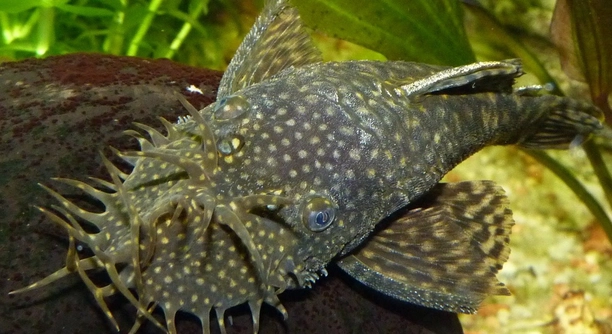
Loud noises can easily disrupt the peaceful environment of a pleco tank. Understanding how noise affects your fish is essential to creating a harmonious habitat. This article will explore how sound impacts your pleco and how much is too much.
Plecos, like most fish, are sensitive to loud noises and vibrations in their environment. Excessive sound can cause stress, which affects their overall health and behavior. A calm, quiet tank environment is crucial to their well-being.
Managing noise levels in your pleco tank is vital for maintaining a healthy and peaceful environment.
How Noise Affects Your Pleco’s Behavior
Plecos are sensitive creatures, and excessive noise can lead to unwanted behavior. They may become more reclusive, hiding away from the light or swimming erratically. This is often a direct result of stress caused by loud sounds or vibrations. A peaceful environment is key to their comfort, allowing them to feed and move naturally without interference. If your pleco starts avoiding certain areas of the tank or seems more lethargic, noise could be the cause.
The key to maintaining a healthy pleco is to limit sudden noises or strong vibrations near the tank. Keep in mind that plecos are nocturnal, meaning they rest during the day and may be more affected by daytime noise. It’s important to create a stable environment for them to thrive in.
By adjusting the placement of your tank and being mindful of loud activities nearby, you can help ensure your pleco stays calm and healthy. Maintaining a quiet, stable environment is the best way to encourage their natural behavior.
The Impact of Tank Placement on Noise
The location of your tank can play a huge role in the level of noise your pleco experiences. Keeping it away from high-traffic areas or noisy appliances is essential for reducing stress.
Placing the tank near a loud TV, music speakers, or other appliances that generate vibrations can negatively affect your pleco. Not only does sound impact their behavior, but the vibrations can interfere with their feeding and rest cycles. This makes it vital to place your tank in a quieter spot.
Additionally, consider the position of the tank within the room. Try to avoid corners or areas near windows where outside noises can easily seep in. Finding a calm, quiet space for your tank will help your pleco feel secure and reduce stress. A peaceful environment is key to ensuring the well-being of your fish.
How Loud Noises Affect Pleco Feeding
Loud noises can distract plecos during feeding times, making them feel insecure. This can cause them to lose interest in food or swim erratically, preventing them from eating properly.
When plecos feel stressed, they may become less active and avoid their food. This could result in malnutrition if the situation persists. They rely on a calm environment to comfortably eat, and noise disruptions can prevent them from settling in front of their food. For optimal feeding, keeping the tank environment quiet is essential to ensure your pleco gets the nutrition it needs.
If noise is a constant issue, it’s best to feed your pleco at night when the tank environment is naturally quieter. This allows them to eat in peace without being startled or distracted. A feeding schedule that matches their natural habits can help maintain their health and prevent feeding issues caused by noise.
Tank Vibration and Pleco Stress
Vibrations in the tank can also be a major source of stress for plecos. These vibrations are often unnoticed by us but can be overwhelming for fish that are highly sensitive to environmental changes.
Fish, including plecos, can detect vibrations through the water, and these movements can make them feel threatened. If your tank is placed near a vibrating appliance or equipment, such as a washing machine or heavy machinery, your pleco might not be comfortable. The vibrations disrupt the peaceful environment plecos need to thrive.
Reducing tank vibrations involves careful placement. Ideally, keep your tank away from areas where appliances are running. If possible, add vibration-dampening materials under the tank to lessen the impact. A quieter, stable environment helps reduce stress and ensures your pleco stays healthy.
Loud Noises and Pleco Health
Loud noises can lead to chronic stress for plecos, which can affect their overall health. Persistent stress weakens their immune system, leaving them more vulnerable to disease and infections.
When a pleco is constantly exposed to loud sounds, it can result in long-term health issues. Stress from noise affects their appetite, behavior, and general well-being. Over time, this can lead to more serious health concerns, including weakened immune responses and poor growth. A quiet, stable environment helps ensure your pleco stays strong and healthy.
Noise Levels and Breeding Behavior
Plecos are sensitive to their surroundings, and noise can significantly disrupt their breeding cycles. Excessive noise can cause them to feel unsafe, preventing successful breeding. During mating, plecos need a calm environment to perform their courtship behaviors, such as swimming in specific patterns or nesting.
If noise continues to disrupt their breeding cycles, it could lead to failed attempts at reproduction. Providing a quiet environment during breeding seasons can increase the chances of success. By ensuring the tank is peaceful, your plecos can feel secure enough to breed and carry on their natural behaviors.
Managing External Sources of Noise
External sources of noise, such as household appliances, can make plecos feel uncomfortable. It’s important to minimize these disturbances when possible. Keep the tank away from loud machines, such as refrigerators or blenders, which may vibrate or create noise that stresses out your fish.
Creating a dedicated space for your pleco tank can significantly reduce the impact of outside noise. The goal is to keep the environment as quiet and calm as possible to help your pleco feel secure and maintain a healthy lifestyle.
FAQ
How can I tell if the noise is affecting my pleco?
If your pleco is reacting to loud noises, you may notice them becoming more reclusive or hiding more frequently. They might swim erratically, lose interest in food, or even display signs of stress like rapid gill movement or darkening colors. These are clear signs that your pleco is being affected by the noise.
What kind of noises affect plecos the most?
Plecos are particularly sensitive to low-frequency noises and vibrations, which are often created by loud music, heavy machinery, or household appliances. Sounds from televisions, vacuum cleaners, or blenders can create enough disturbance to make your pleco feel unsafe. Avoid placing your tank near these noise sources.
Can I place my pleco tank near a window?
Placing a pleco tank near a window may expose it to external noise from outside traffic or outdoor activities. If the tank is too close to a busy street, loud vehicles or pedestrians might create noise that disturbs the pleco. Choose a location that minimizes external sounds to keep your pleco calm.
Is it okay to have a loud filter in my pleco tank?
While some noise from the filter is inevitable, it is best to choose a filter that operates quietly. If your filter produces excessive noise or vibrations, your pleco may be stressed. Look for filters designed with noise reduction features, and avoid placing the tank in a location where the filter noise will be amplified.
Should I avoid talking near my pleco tank?
It’s a good idea to avoid loud conversations near the tank. While talking won’t usually cause immediate harm, loud voices can add unnecessary stress to your pleco. It’s best to keep noise levels to a minimum around the tank, especially during feeding times or when the pleco is resting.
Can background music affect my pleco?
Background music, especially at high volumes, can disrupt your pleco’s peaceful environment. Plecos are more sensitive to sounds than humans, and loud music or high-pitched sounds may stress them out. Keep the volume low or avoid playing music near the tank to maintain a calm atmosphere for your pleco.
Does the noise from a nearby aquarium affect my pleco?
If you have multiple aquariums close together, the noise and vibrations from one tank can transfer to another. This can disturb your pleco if the other aquarium is noisy due to filter pumps, air stones, or water agitation. Try to space out aquariums to minimize the transfer of sound.
Can my pleco adapt to noise over time?
Some plecos may adapt to consistent, low levels of noise over time. However, sudden or loud noises can still cause stress. It’s important to monitor your pleco and adjust the tank’s environment if they start showing signs of stress or behavioral changes. If noise becomes a constant issue, it’s better to move the tank to a quieter area.
How do I reduce vibrations in my pleco tank?
Vibrations are just as problematic as loud sounds for plecos. To reduce vibrations, make sure your tank is placed on a stable surface, free from any appliances or machinery that could create vibrations. Using rubber pads or foam underneath the tank can also help absorb vibrations, creating a calmer environment for your pleco.
Can my pleco hear sounds from other fish in the tank?
Plecos may be able to hear sounds produced by other fish, such as water splashes or aggressive interactions. However, these sounds are typically less disruptive compared to external noises. Still, if the tank is overcrowded or if fish are overly aggressive, the resulting noise may stress your pleco. Monitor your tank for peaceful interactions.
Do plecos communicate through sound?
Plecos don’t communicate through sound in the same way that some other fish species do. However, they may make some noise, such as clicking or grinding their teeth, typically related to feeding or stress. These sounds are generally low in volume and are not a primary method of communication for plecos.
Can I reduce noise by using quieter aquarium equipment?
Yes, choosing quieter aquarium equipment can significantly reduce the noise level in the tank. Look for filters, pumps, and air stones that are specifically designed for silent operation. Maintaining the equipment well, such as cleaning and lubricating filters, can also help minimize noise production.
Should I keep my pleco tank in a room with a lot of foot traffic?
It’s best to place your pleco tank in a quiet room, away from high foot traffic. Constant movement or people walking by the tank can cause vibrations that stress out your pleco. A room with minimal disturbances will help create a safer, more comfortable environment for your fish.
Can my pleco tolerate the sound of household appliances?
Plecos can tolerate some noise from household appliances, but excessive or frequent noise can cause stress. Items like refrigerators, dishwashers, and washing machines often produce vibrations that can make plecos feel uneasy. Keep the tank away from these appliances to reduce stress levels and improve your pleco’s well-being.
How do I know if my pleco is stressed from noise?
Stress signs in plecos include hiding more often, swimming erratically, or losing interest in food. A stressed pleco may also display darker colors or rapid gill movement. If you notice these signs, it’s important to evaluate the noise levels in the environment and make adjustments to reduce stress.
Can noise affect my pleco’s lifespan?
Chronic exposure to high noise levels can shorten a pleco’s lifespan due to the ongoing stress it causes. Stress weakens the immune system, making plecos more susceptible to illness. A peaceful, quiet environment promotes overall health and can contribute to a longer, happier life for your pleco.
What other environmental factors can cause stress for plecos?
In addition to noise, other factors such as poor water quality, overcrowding, and inconsistent lighting can cause stress for plecos. Ensuring that all aspects of your pleco’s environment are stable will help prevent stress and promote better health. Regular water changes and monitoring tank conditions are key to a healthy pleco habitat.
Final Thoughts
When it comes to keeping a pleco, understanding their sensitivity to noise is crucial for their overall well-being. Loud and constant sounds can lead to stress, affecting both their health and behavior. Plecos are naturally shy and sensitive creatures, so their environment needs to be calm to ensure they thrive. By minimizing external noise, you can create a peaceful habitat where your pleco can feel secure and healthy. A quiet tank will also help them maintain a healthy appetite and engage in natural behaviors.
It’s not just about keeping your pleco away from loud music or the hum of household appliances; it’s also about the vibrations that noise creates. These vibrations can disrupt the peaceful environment plecos need to thrive. Simple changes, such as placing the tank in a quieter area, choosing quieter equipment, and keeping the space around the tank free of disturbances, can make a big difference. Remember, plecos are sensitive to even small changes in their surroundings. A consistent and calm environment is key to keeping them happy and healthy.
In the long run, maintaining a quiet, stable environment for your pleco will pay off. Stress-free plecos are more likely to show healthy growth, engage in their natural behaviors, and even breed successfully. If you notice signs of stress, such as erratic swimming or loss of appetite, it may be time to reconsider the noise levels around the tank. By adjusting the environment and reducing noise, you’ll create a comfortable and safe space for your pleco to thrive, ensuring a happier, healthier fish for years to come.

Hello,
If you enjoy the content that we create, please consider saying a "Thank You!" by leaving a tip.
Every little bit helps us continue crafting quality advice that supports the health, happiness, and well-being of pets around the world, for pets of all shapes, sizes, and species.
We really appreciate the kindness and support that you show us!