
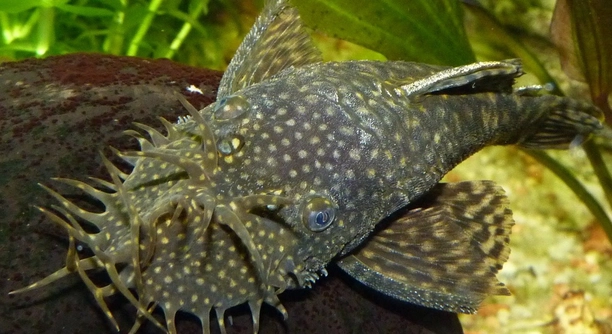
Breeding plecos can be a rewarding experience, especially for new aquarium owners. However, it can also be challenging without proper knowledge and preparation. Learning the basics of breeding will set you on the right track.
To breed plecos successfully, it is essential to ensure they are in optimal conditions, including water quality, temperature, and tank setup. Providing a suitable environment encourages natural behavior and creates a breeding-friendly space for these fish.
By understanding these key aspects, you will be better prepared to provide the ideal conditions for breeding. This guide will cover everything you need to know to get started.
Understanding the Basics of Pleco Breeding
Plecos are bottom-dwelling fish known for their algae-eating habits, making them a popular addition to aquariums. However, breeding them requires some planning. They thrive in certain environments, and small changes can make a big difference in how successful your breeding attempt will be. Plecos need a stable environment with good water quality, consistent temperature, and the right diet. It’s important to replicate conditions found in their natural habitat to trigger breeding behavior. In general, plecos breed when the water temperature increases and the environment becomes rich in food. Proper tank size is also essential. A larger tank allows plecos to establish their territory, reducing stress during mating. The right tank setup includes caves or other hiding spots where the female can lay eggs and where the male can guard them. Understanding these essentials is the first step in breeding your plecos.
Once the plecos are in the right environment, they will begin to pair up. The male will start to guard a cave or secluded spot where the female will lay her eggs.
Having caves and hidden spaces in your tank allows plecos to feel safe. Male plecos are territorial, and they will protect the area around their chosen spot. This is where the female will deposit her eggs, and the male will fertilize them. When the eggs are fertilized, the male remains close, guarding the eggs until they hatch. It’s crucial to ensure that there are enough caves or hiding places in the tank to reduce stress and provide an ideal environment for both the male and female plecos during this phase.
Maintaining Optimal Water Conditions
Water quality is essential when breeding plecos. A high level of care must be taken to maintain clean, stable water. Regular water changes are necessary to prevent the build-up of harmful substances. Plecos are sensitive to poor water quality, which can harm both the fish and the developing eggs. Keep the water temperature between 78°F and 82°F (25°C to 28°C), and monitor the pH level, aiming for a slightly acidic to neutral range (6.5 to 7.5).
In addition to temperature and pH, ensure that the water is properly filtered and oxygenated. Plecos require a well-oxygenated environment, as low oxygen levels can lead to poor breeding conditions. This may involve adding an air pump or ensuring a good filtration system is in place. As a general rule, plecos prefer stable water parameters, so avoid large fluctuations in water quality.
Clean water supports healthy plecos and encourages successful breeding. It’s essential to test the water regularly and maintain stable conditions. When everything is balanced, the fish will thrive, and breeding will be much more likely. Keep in mind that water changes should be gradual to prevent shocking the fish, especially when they’re in the breeding phase. Regular monitoring is key.
Providing Proper Nutrition
Plecos need a balanced diet to breed successfully. A mix of algae wafers, fresh vegetables, and protein sources will help maintain their health. Feed them a variety of foods to ensure they get all the nutrients necessary for breeding. Overfeeding can lead to poor water quality, so avoid excess food in the tank.
In addition to algae wafers, you can offer vegetables like zucchini, cucumber, and spinach. Protein-rich foods, like bloodworms or brine shrimp, also support their growth and breeding readiness. These foods give plecos the energy and nutrients they need to breed. It’s essential to vary their diet to ensure proper health and readiness for reproduction.
Monitoring feeding habits is key. If food is left uneaten, it can decay and harm water quality. Remove leftover food after a few hours to keep the tank clean. Maintaining a proper feeding schedule and diet will encourage your plecos to breed. Healthy, well-fed plecos are more likely to breed and care for their eggs.
Creating the Right Tank Setup
Plecos need a tank that mimics their natural environment to feel safe and breed. Provide plenty of hiding spots, such as caves or other decorations, where they can retreat during breeding. This setup reduces stress and encourages natural behaviors.
Plecos are territorial, especially when breeding. A larger tank gives them more space to claim territories. Caves or pipes placed around the tank can offer safe spaces for the female to lay eggs and for the male to guard them. Proper tank setup creates an environment where plecos feel comfortable and are more likely to breed.
Make sure the tank is free of sharp decorations that could harm the plecos. A peaceful environment allows them to focus on mating without interference. Adding plants can also create a more natural, inviting space for plecos to breed. Avoid overcrowding the tank, as it can stress out the fish.
Ensuring the Right Tank Temperature
Plecos require a consistent water temperature between 78°F and 82°F (25°C to 28°C) for breeding. Any significant fluctuations can stress them out and stop the breeding process. It’s important to use a reliable heater to maintain the temperature consistently.
Using a thermometer in the tank helps monitor temperature. If the water gets too cold or too hot, it can negatively affect the fish’s health and breeding habits. Check the temperature regularly to make sure it stays within the desired range. Consistent warmth helps encourage breeding behavior.
A stable, warm environment increases the chances of successful breeding. It’s critical to avoid sudden changes in temperature, which can create stress for plecos. A stable temperature encourages natural breeding behavior and overall health in your fish.
Separating the Male and Female During Breeding
During breeding, the male pleco may become protective and territorial. In some cases, it can be helpful to separate the male and female temporarily to avoid any aggression. Monitor their behavior closely.
Some pleco species may be more aggressive when guarding their eggs, so it’s essential to assess if separation is necessary. Keep the female near the male, but in a separate section of the tank, until the male has fertilized the eggs and is done guarding them.
If aggression continues, removing one of the plecos can help prevent injury. Once the eggs are laid and fertilized, both fish can return to normal tank conditions, reducing stress.
Monitoring the Eggs and Fry
Plecos lay their eggs in secluded places, often in caves or hidden spots. After the eggs are fertilized, the male guards them until they hatch, which can take up to a week.
Ensure that the tank remains stable, with proper water conditions, during this period. After the eggs hatch, the male will continue to guard the fry until they are strong enough to fend for themselves. Be patient, as fry development takes time.
It’s crucial to avoid disturbing the male or the eggs during this period. Only make necessary adjustments to the tank and ensure no harmful chemicals or substances are introduced. This helps in nurturing the fry until they are ready to swim independently.
FAQ
What should I do if my plecos are not breeding?
If your plecos are not breeding, it could be due to several factors. First, check the water temperature and quality, as these play a significant role in their breeding behavior. Make sure the temperature is between 78°F and 82°F (25°C to 28°C), and the pH is slightly acidic to neutral. Also, ensure the tank setup has enough hiding spots or caves where the fish can feel secure. A lack of these elements could prevent them from breeding. Additionally, providing a varied and nutritious diet will help ensure your plecos are in good health for breeding. If conditions are ideal and they still do not breed, consider waiting a few weeks or months as plecos can breed seasonally.
How long does it take for pleco eggs to hatch?
Pleco eggs typically take between 4 and 7 days to hatch, depending on water temperature and conditions. Warmer water encourages faster hatching, while cooler water can slow down the process. During this time, the male pleco will guard the eggs, ensuring they are not disturbed. The eggs should be checked regularly for any signs of fungus or disease. It’s essential to maintain clean water during this period to ensure the eggs remain healthy.
Can plecos breed in a community tank?
Yes, plecos can breed in a community tank, but there are some considerations. A larger tank with enough space is crucial, as plecos are territorial during breeding. The presence of other fish may stress them out, preventing breeding behavior. It’s best to have several hiding spots or caves where the plecos can feel safe. Additionally, the water conditions in the tank should be monitored closely to maintain stability. If breeding is unsuccessful in a community tank, consider setting up a breeding tank to provide a more controlled environment for your plecos.
How do I know when my plecos are ready to breed?
Plecos are ready to breed when they are well-fed, healthy, and their environment mimics their natural conditions. Typically, they will begin breeding when the water temperature rises, simulating the seasonal changes they would experience in the wild. The male pleco will begin to display more territorial behavior and start cleaning the cave or hiding spot where he intends to guard the eggs. The female will be ready to lay eggs when she is plump with eggs, and you may notice her looking for a safe spot. Once these signs appear, it’s a good indicator that they are ready to breed.
What should I do with the fry after they hatch?
Once the fry hatch, they will be very small and require special care. The male pleco will continue to guard the fry until they are strong enough to swim freely. At this point, they can be fed finely crushed algae wafers, micro-worms, or specialized pleco fry food. Ensure that the fry have enough hiding places, as they can be vulnerable to other fish in the tank. You can also separate the fry from the rest of the tank if needed to reduce the risk of predation. It’s important to monitor the water quality closely as the fry grow, ensuring that the tank remains clean and stable.
Why do plecos stop breeding after a while?
Plecos may stop breeding for several reasons, including stress, poor water quality, or an inadequate diet. If the tank is too crowded, the fish may feel unsafe, which can hinder their breeding. Changes in water conditions, such as sudden temperature fluctuations, can also disrupt their breeding cycle. Additionally, plecos may stop breeding if they are not getting enough nutrients from their diet. If they are not in breeding condition, they may take a break from reproduction. Regularly monitor the tank conditions, provide a varied diet, and ensure the plecos have ample space and hiding spots to encourage breeding.
Can I breed different species of plecos together?
Breeding different species of plecos together is generally not recommended. While it is possible for different species to mate, the offspring may not inherit desirable traits from either parent. Additionally, hybrid offspring may not be as healthy or capable of reproducing themselves. If you are breeding plecos for specific traits or health, it is best to stick with the same species. However, if your goal is simply to enjoy breeding and raising plecos, hybridization can still occur but with potential challenges.
What is the best substrate for pleco breeding?
Plecos do best in tanks with a soft, fine substrate like sand or smooth gravel. These types of substrate allow them to feel secure while scavenging for food. Avoid using sharp or jagged rocks, as they can injure plecos, especially during breeding when they are more active. Additionally, a soft substrate allows easy cleaning and helps maintain water quality. Some plecos also prefer a slightly dirty substrate that simulates their natural environment. Regular vacuuming is important to keep the tank clean without disturbing the plecos too much.
Do I need to separate the male and female pleco after breeding?
In most cases, there is no need to separate the male and female pleco after breeding, especially if there is enough space in the tank. The male will continue to guard the eggs, and once they hatch, he will look after the fry. After the fry become independent, the male can return to regular behavior. However, if aggression between the male and female occurs or if you feel the fry may be at risk, separating them can be a good idea. Just make sure both plecos have access to appropriate hiding spots and food.
How do I prevent diseases in pleco eggs and fry?
To prevent diseases in pleco eggs and fry, maintaining excellent water quality is crucial. Make sure the tank is well-filtered and that the water is free from harmful chemicals. Avoid overfeeding, as uneaten food can lead to water contamination. Regularly check for any signs of fungal growth on the eggs and remove infected eggs immediately. Using a gentle water change routine can help maintain clean conditions without disturbing the eggs or fry. Ensuring that the plecos are healthy and well-fed also reduces the risk of disease.
Final Thoughts
Breeding plecos can be an enjoyable and rewarding experience if you take the time to understand their needs. While it may seem challenging at first, by focusing on creating the right environment, maintaining good water quality, and providing proper nutrition, you can increase your chances of success. The key to breeding plecos is consistency. A stable environment, with the correct temperature and water conditions, is crucial. Plecos are sensitive to changes in their surroundings, so maintaining these conditions over time will give you the best chance for successful breeding.
Remember, plecos are natural breeders and can be quite resilient once you meet their basic needs. However, patience is important. Sometimes it can take a while for plecos to breed, especially if they are adjusting to a new tank or environment. Don’t be discouraged if it takes time. It’s also essential to note that breeding behavior can vary from species to species. For example, some plecos may breed more easily in certain water conditions or tank setups than others. Experimenting and adjusting your setup according to the species’ natural habitat can make a significant difference in their willingness to breed.
Ultimately, it’s about maintaining a balance between water quality, diet, and environment. Plecos require peace and security to breed, and a tank that mimics their natural habitat will encourage them to thrive. Providing enough space for them to establish territories and offering caves or hiding spots can reduce stress and help them feel comfortable enough to breed. With time, attention, and the right care, you’ll be able to witness the fascinating process of pleco breeding and enjoy raising healthy fry.

Hello,
If you enjoy the content that we create, please consider saying a "Thank You!" by leaving a tip.
Every little bit helps us continue crafting quality advice that supports the health, happiness, and well-being of pets around the world, for pets of all shapes, sizes, and species.
We really appreciate the kindness and support that you show us!