
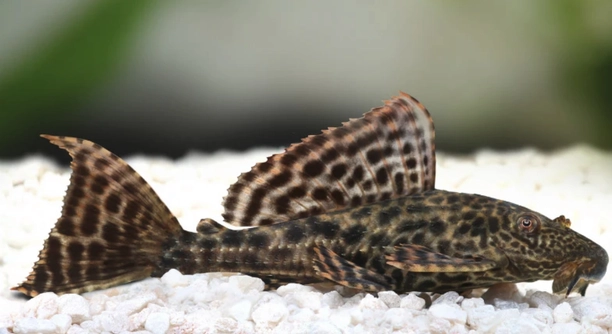
Many aquarium owners are puzzled by their plecostomus’ constant digging. If you’re seeing your fish dig in the substrate all the time, you may wonder why this behavior occurs. Understanding their needs can help.
Plecostomus dig to explore their environment, find food, and create hiding spots. This behavior is natural and helps them maintain comfort in their habitat, as they are nocturnal creatures that prefer dark, secure spaces.
The reasons behind this digging can reveal more about their habits and how to care for them properly. Knowing these details will help improve your plecostomus’ well-being.
Why Does My Plecostomus Dig?
Plecostomus are bottom-dwelling fish that spend much of their time sifting through the substrate in your tank. This digging behavior can be confusing, especially if you’re not sure if it’s a sign of stress or a natural habit. In the wild, plecos dig to create burrows and search for food. They’re nocturnal, which means they often dig at night to feel more secure in a darkened environment. While digging may look concerning, it’s just part of their routine.
It’s important to recognize that their digging isn’t a sign of distress. It’s simply how they interact with their environment. If the tank setup is appropriate and the fish has enough food and hiding places, digging is normal.
However, if you notice that the plecostomus is constantly digging and exhibiting signs of stress, such as unusual swimming behavior or a lack of appetite, this could be a sign that something in the tank needs adjusting. Keep an eye on the water quality, substrate depth, and tank mates to ensure everything is balanced for your pleco’s needs.
What Happens When a Plecostomus Doesn’t Have Enough Space?
A lack of space in the tank can trigger increased digging. Plecostomus are territorial creatures, and when confined to a small area, they may dig more to establish personal space. In nature, they have much more room to roam, which allows them to settle and find their ideal spot. Without this space, they might dig continuously in an attempt to feel more comfortable.
Providing enough room and hiding spots can help reduce excessive digging. A larger tank with more natural hiding spaces encourages your pleco to behave more naturally and reduces stress.
The Role of Substrate
The substrate in your tank can influence your plecostomus’ digging behavior. Plecos prefer soft sand or fine gravel over sharp, rough rocks. A softer substrate allows them to sift through it without harm, while a harsh one can cause injury or discomfort.
If the substrate is too coarse, your pleco may dig more as they try to find a more comfortable spot. A softer substrate also mimics their natural habitat, making them feel safer. Consider switching to finer sand or small pebbles to provide a more natural environment. This can help reduce stress and prevent unwanted digging.
Additionally, the depth of the substrate matters. A shallow layer may not provide enough space for your pleco to dig effectively. They need to be able to burrow or sift through the substrate for comfort and security. Keep the substrate at least a few inches deep to allow natural behavior.
Feeding Habits and Digging
Plecos are scavengers that often search for food in the substrate. Their digging could be a response to hunger or a desire to find food that has fallen to the bottom of the tank. This behavior is especially noticeable if you feed your pleco sinking pellets or vegetables.
If you notice that your pleco is digging more around feeding time, this could indicate a need for more variety in their diet. Offering a range of foods, including algae wafers, zucchini, or cucumber, can help satisfy their appetite and reduce excessive digging. It’s important to feed them regularly to ensure they stay healthy and less likely to dig in search of food.
If your pleco continues to dig excessively despite a good feeding routine, make sure you’re not overfeeding. Leftover food can sit at the bottom of the tank, causing plecos to dig even more. Clean your tank regularly to avoid creating a messy environment that may encourage unwanted digging behavior.
Tankmates and Their Impact
The presence of tankmates can affect your plecostomus’ behavior. If other fish are overly aggressive or territorial, your pleco might dig more to create space or avoid confrontation. Some species of fish are more likely to provoke stress in plecos, causing them to act out.
If you have tankmates that don’t get along with your pleco, it might start digging more as a coping mechanism. Adding peaceful or compatible tankmates can help reduce this stress. In addition, providing plenty of hiding spots for your pleco gives it a place to retreat when needed.
Water Quality and Digging
Water quality plays a major role in the behavior of your plecostomus. If the water is too dirty or out of balance, your pleco might dig more as it tries to find cleaner, safer areas. This behavior could be a sign of discomfort.
Consistent water changes and good filtration can help keep the environment clean. Check the ammonia, nitrate, and pH levels regularly. A stable, clean tank helps reduce stress and minimizes digging.
FAQ
Why is my plecostomus constantly digging?
Your plecostomus is likely digging because it is a natural behavior. Plecos are bottom-dwellers and dig to explore, create hiding spots, and search for food. If you notice excessive digging, it could also be a response to environmental stress, such as lack of space or tank mates that are too aggressive.
Can my plecostomus’ digging harm my aquarium setup?
If your pleco is digging excessively, it could disturb plants, decorations, or even stir up the substrate, causing cloudy water. However, as long as the substrate is appropriate (fine gravel or sand), the digging itself shouldn’t damage your setup. Regularly check the tank’s balance to avoid these issues.
Is it okay if my plecostomus digs at night?
Yes, it is normal for plecostomus to dig at night. They are nocturnal creatures, and they often feel more comfortable and secure in the dark. This behavior is a natural part of their routine, so as long as it’s not excessive, there’s no need to worry.
How can I stop my plecostomus from digging so much?
If your pleco’s digging seems excessive or problematic, make sure your tank is large enough and provides plenty of hiding spots. Ensure the substrate is appropriate, and check if your pleco is stressed by its tankmates. Sometimes, providing more food variety and cleaning the tank more frequently can help as well.
How deep should the substrate be for my plecostomus?
A depth of at least 2-3 inches of substrate is recommended for plecostomus. This allows them to dig comfortably and create hiding spaces. If the substrate is too shallow, your pleco might feel insecure and dig more in search of a suitable area to settle.
Should I worry if my plecostomus is digging up my plants?
It’s possible that your pleco is digging up plants if the substrate isn’t deep enough to anchor them, or if the plants are not well-rooted. To prevent this, try using heavier, more secure plants, or choose artificial plants that won’t be disturbed. A deeper substrate might also help.
Can a plecostomus overfeed and dig more as a result?
Yes, if your plecostomus overfeeds, it may dig more in search of leftover food. Overfeeding can lead to uneaten food settling in the substrate, prompting your pleco to dig and sift through it. To avoid this, feed appropriate amounts and clean the tank regularly to remove uneaten food.
Are plecostomus more likely to dig if they are stressed?
Yes, stress can cause plecostomus to dig more. Stressors such as poor water quality, small tank size, or incompatible tankmates may lead to more frequent or intense digging. Reducing these stress factors, like ensuring proper water parameters and tank space, can help minimize this behavior.
How do I know if my plecostomus is digging due to stress?
If your pleco is digging more than usual, it might be a sign of stress. Watch for other signs, such as abnormal swimming patterns, a lack of appetite, or hiding too often. Ensuring the environment is calm and comfortable can help alleviate these stress-related behaviors.
Do plecostomus need specific water conditions to avoid excessive digging?
Plecos thrive in stable water conditions. Inconsistent water parameters—like fluctuating pH or ammonia spikes—can lead to stress and increase digging. Regular water changes, proper filtration, and consistent testing will ensure the water quality remains optimal for your plecostomus and help reduce unnecessary digging.
How can I make sure my plecostomus feels safe and doesn’t dig too much?
Creating a comfortable environment for your pleco is key. Offer enough space, hiding spots, and a suitable substrate. Also, check that the water quality is consistent and that your tankmates are peaceful. These steps will help your pleco feel secure, reducing the need to dig constantly.
Does the age of my plecostomus affect its digging behavior?
Yes, age can influence digging habits. Young plecos tend to be more active and may dig more as they explore their environment. As they mature, their digging might reduce as they settle into a routine. Older plecos, however, may dig more if they are searching for food or feeling insecure.
What type of substrate is best for plecostomus digging?
Fine sand or smooth gravel is best for plecos. It allows them to sift through the substrate without damaging their barbels or causing injury. Avoid sharp, jagged rocks, as these can cause harm to your plecostomus and result in excessive digging behavior.
Can tank decorations affect how much my plecostomus digs?
Yes, tank decorations can influence the amount of digging your plecostomus does. If the tank is too crowded with decorations, it may not feel secure enough to stop digging. Adding enough hiding spots and arranging the decor to create open areas can reduce unnecessary digging.
Is digging a sign that my plecostomus is bored?
Digging could be a sign of boredom, especially if there isn’t enough stimulation in the tank. Plecos are active fish and enjoy exploring their environment. Providing enrichment, like driftwood, plants, or rocks to hide in, can give your pleco more to do and reduce excessive digging.
Final Thoughts
Plecostomus are fascinating fish with unique behaviors, and digging is simply one of the many ways they interact with their environment. While this behavior can be alarming at first, it is often a natural part of their routine. Plecos dig to search for food, create hiding spots, and feel secure in their surroundings. If you notice your pleco digging more than usual, it may just be trying to adapt to its tank or express its natural instincts. It’s important to remember that as long as the behavior is not linked to signs of distress, your pleco is likely just doing what comes naturally.
That said, if your pleco’s digging is causing issues, there are simple solutions. Ensuring that the tank is large enough, with the proper substrate, can help reduce this behavior. Soft sand or fine gravel provides a comfortable environment for your pleco, allowing it to dig without harm. Additionally, offering plenty of hiding spots will give your fish places to retreat, reducing stress and encouraging it to dig less. It’s also crucial to check for stressors such as poor water quality, overcrowded tanks, or incompatible tankmates, as these can cause increased digging and other concerning behaviors.
Ultimately, understanding why your plecostomus digs and making sure its environment is appropriate can help you maintain a healthy and happy fish. Regular maintenance of the tank, keeping an eye on water quality, and ensuring your pleco has enough space will go a long way in preventing any issues with excessive digging. While digging is a normal part of their behavior, creating a well-balanced tank setup that mimics their natural habitat will help reduce unnecessary stress and allow your plecostomus to thrive in a comfortable, secure environment.

Hello,
If you enjoy the content that we create, please consider saying a "Thank You!" by leaving a tip.
Every little bit helps us continue crafting quality advice that supports the health, happiness, and well-being of pets around the world, for pets of all shapes, sizes, and species.
We really appreciate the kindness and support that you show us!