
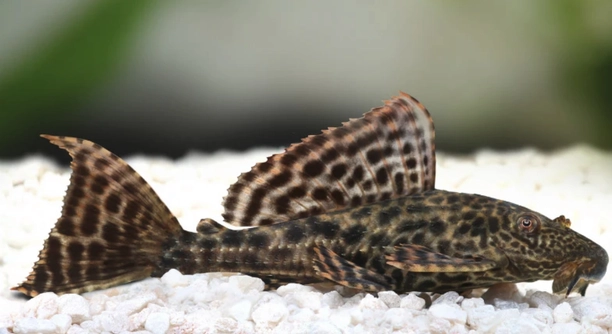
Plecos are fascinating fish, known for their ability to clean aquarium tanks by eating algae. Many people keep them as pets due to their hardworking nature and unique features. However, there’s much more to these creatures than meets the eye.
Plecos are capable of much more than just cleaning tanks. They exhibit behaviors such as climbing, digging, and even interacting with other species. Their remarkable ability to adapt to different environments and tasks has intrigued aquarists and researchers alike.
These behaviors reveal how adaptable and versatile plecos truly are, making them a captivating addition to any aquarium. Keep reading to discover the surprising skills they have beyond tank maintenance.
Plecos Can Climb Surfaces
Plecos aren’t just confined to swimming. They have a surprising ability to climb. Their specialized sucker-like mouths help them grip onto rocks, aquarium decorations, or even the walls of the tank. This ability is especially useful in tanks where they need to move to different levels to find food or explore. In the wild, they use this skill to navigate over rocks and logs in rivers. It’s not uncommon for a pleco to scale the side of a tank when they feel the need to search for a better spot or if they feel threatened.
Sometimes, you may find your pleco climbing out of the water or attempting to escape the tank. This behavior is natural, but it can be risky if the tank is uncovered. As long as the tank is well-maintained and has enough hiding spots, this behavior is a sign of a healthy pleco.
If you observe your pleco frequently climbing, consider adding more surfaces to the tank to accommodate this instinct. Driftwood and rocks positioned in such a way can create a more natural environment. Additionally, it’s important to ensure that your tank has a proper lid. This helps prevent your pleco from accidentally climbing out of the water, especially during nighttime when they are more active.
Plecos Can Communicate Through Sound
Though they might not have voices, plecos can make sounds. These sounds are often produced by rubbing parts of their body together or through the vibration of their fins. Some researchers have noted that plecos make these noises when they feel threatened or are trying to interact with each other. These vocalizations are subtle and may go unnoticed unless you’re paying close attention. Their noises are a form of communication, allowing them to express discomfort or perhaps warn other fish.
Plecos are more likely to make noise when disturbed or startled. They can also produce a soft humming sound when they feel safe and are content. In a community tank, this form of communication is valuable, helping them interact peacefully with other species. These vibrations may also serve as a method of self-defense, warning potential threats of their presence.
Over time, you may notice different patterns of sounds in your plecos depending on their comfort level or behavior. Learning these subtle noises can give you insight into their emotional state, further enhancing your understanding of them. Adding other fish or creating an environment that makes them feel secure can encourage more peaceful interactions and reduce stress.
Plecos Can Dig and Burrow
Plecos are often seen digging into the substrate at the bottom of their tanks. They use their strong fins to root through sand or gravel in search of food or to create a hiding space. This natural behavior is common in their wild habitats, where they burrow under rocks and debris to protect themselves from predators.
This digging behavior can help them stay busy and reduce stress. In an aquarium, providing a soft, sandy substrate can encourage plecos to engage in this activity. It’s important to remember that some plecos may dig excessively, which could disturb the plants or decorations in your tank.
If you notice your pleco digging frequently, consider adding more hiding places like caves or large pieces of driftwood. This can help satisfy their natural instincts without causing damage to your tank’s setup. Just be sure to keep the substrate deep enough for them to dig comfortably.
Plecos Can Live in Low-Oxygen Environments
Plecos are surprisingly adaptable when it comes to oxygen levels in their environment. Unlike many other fish, they can survive in tanks with lower oxygen concentrations. This ability is due to their unique adaptations, such as their ability to gulp air at the surface of the water.
This air-gulping ability allows plecos to thrive in environments where other fish might struggle. In nature, they often inhabit slow-moving waters or murky conditions with lower oxygen levels, making them more tolerant of these environments. If your pleco is frequently coming up to the surface for air, it could be a sign that the tank’s oxygen level is low.
To improve oxygenation in your tank, consider adding an air stone or adjusting your filtration system. Plecos will appreciate the extra oxygen, and it can help improve the overall health of your tank’s ecosystem.
Plecos Can Change Color
Plecos are capable of changing color depending on their environment or mood. This color change is usually subtle but can be observed when the fish feels stressed, threatened, or content. In some cases, they may darken or lighten their body color based on the water temperature and lighting.
This color change can also be influenced by the pleco’s health and diet. A healthy pleco often has brighter, more vibrant colors, while a stressed or sick pleco may appear dull or pale. Providing a stable environment with the right water parameters can help maintain their natural coloration.
If you notice your pleco changing colors frequently, it may be a sign of stress, poor water quality, or an imbalance in their diet. Monitoring their environment and adjusting as needed can help keep them comfortable and reduce stress-related color changes.
Plecos Can Live for Decades
Plecos are known for their long lifespan. In the right conditions, they can live for 10 to 15 years or even longer. Their longevity depends on various factors, including their tank environment, diet, and overall care.
To ensure your pleco lives a long, healthy life, it’s essential to provide them with a stable, clean tank. Regular water changes, appropriate filtration, and a balanced diet are all critical for keeping your pleco healthy. Monitoring their growth and adjusting their living conditions as they mature will also help support their longevity.
Plecos are slow-growers, and as they age, they may need more space and a larger tank to accommodate their size. Be sure to plan for their future growth so they can thrive for years to come.
Plecos Can Help Control Algae Growth
Plecos are well-known for their algae-eating abilities. They help control the growth of algae in tanks by grazing on it throughout the day. This makes them beneficial in maintaining a clean, healthy aquarium.
While they won’t eliminate algae completely, they significantly reduce its spread. However, if your tank has an excessive algae problem, the pleco may need extra food to supplement its diet. It’s important to provide them with a varied diet to ensure they don’t rely solely on algae for nutrition.
FAQ
How big do plecos get?
Plecos can grow quite large, depending on the species. The common pleco, for example, can reach lengths of 12 to 15 inches in a home aquarium. However, some species, like the giant pleco, can grow to over 2 feet long. It’s important to be aware of the potential size of your pleco to ensure your tank can accommodate its growth. Providing a spacious environment will help maintain their health and prevent overcrowding.
Do plecos need a lot of space?
Yes, plecos require a spacious tank, especially as they grow. A minimum of 75 gallons is recommended for larger species, but some may even need more room. A tank with plenty of open swimming space, hiding spots, and decorations will keep your pleco active and healthy. If you’re planning to have multiple plecos, ensure there’s enough space for each to establish its territory.
What do plecos eat besides algae?
While plecos are known for eating algae, they are not strictly herbivores. They also need a varied diet to stay healthy. In addition to algae, plecos can be fed sinking pellets, vegetables like zucchini, cucumbers, and spinach, and occasional protein sources such as bloodworms or shrimp. Providing a balanced diet will prevent malnutrition and support their growth and energy levels.
How often should I feed my pleco?
Plecos should be fed once or twice a day. If you’re offering pellets or other dry foods, make sure to give them just enough that they can finish in about 2 hours to avoid overfeeding. Since plecos are nocturnal, they often eat at night, so you might notice them feeding more after the lights go out. Offering vegetables a couple of times a week can also provide them with additional nutrients.
Why is my pleco climbing the glass?
If your pleco is climbing the glass, it could be searching for food or simply exploring its environment. Plecos are naturally curious and can climb surfaces using their suction cups to move around the tank. However, if it’s climbing frequently, this may indicate a lack of food or stimulation in the tank. Make sure your pleco has enough to graze on, such as algae or sinking pellets, and consider adding more decorations or hiding spots to reduce their stress.
Do plecos need a filter in their tank?
Yes, plecos produce a lot of waste, so having a good filtration system is essential. A filter helps maintain water quality by removing excess waste and debris, which can lead to poor water conditions. The filter should be strong enough to handle the size of your tank and the bio-load of your pleco. Regular maintenance of the filter is also necessary to ensure it runs efficiently.
Can plecos live with other fish?
Plecos are generally peaceful and can live with most community fish. However, they may become territorial, especially during feeding times or if there are other bottom-dwelling fish in the tank. It’s best to keep them with fish that don’t compete for the same space or resources. Avoid placing them with aggressive fish or those that could stress them out. As long as their tank mates are non-aggressive, plecos should do well in a community setup.
What is the best water temperature for plecos?
Plecos prefer water temperatures between 74°F and 80°F (23°C to 27°C). Keeping the temperature stable within this range helps maintain their health and encourages natural behaviors. Avoid drastic temperature fluctuations, as this can stress your pleco and make it more susceptible to illness. Using a heater with a thermostat is recommended, especially in colder climates.
How can I tell if my pleco is stressed?
Stressed plecos may display several signs, such as swimming erratically, excessive hiding, or a loss of appetite. They may also change color, becoming dull or dark, and may even try to climb out of the tank. Poor water quality, overcrowding, or incompatible tank mates can all lead to stress. Regular water changes, a balanced diet, and a calm environment can help reduce stress levels.
Do plecos need a substrate in their tank?
Yes, plecos prefer a soft substrate like sand or fine gravel. It gives them a more natural environment and allows them to engage in their natural digging behaviors. Substrate also provides a space for them to find food. Avoid sharp gravel or large stones, as these can hurt your pleco’s delicate underside.
Why is my pleco sitting at the surface of the water?
If your pleco is sitting at the water’s surface, it may be trying to get more oxygen. This can happen if the water is low in oxygen or the tank is overcrowded. Check your water parameters, and if needed, add an air pump or increase surface agitation to improve oxygen levels. If your pleco is still sitting at the surface despite these changes, consider consulting a vet, as it could be a sign of an underlying health issue.
Are plecos good tank cleaners?
Plecos are often kept for their algae-eating abilities, but they are not a complete solution for cleaning your tank. While they can help control algae growth, they won’t completely eliminate it. They are particularly helpful for keeping the glass, decorations, and substrate clean. However, regular tank maintenance, such as water changes and vacuuming the gravel, is still necessary to keep the tank in good condition.
Can plecos live in cold water?
Plecos are tropical fish and do not thrive in cold water. They require warmer water temperatures to stay healthy, typically between 74°F and 80°F (23°C to 27°C). Exposing them to cold temperatures can lead to stress, a weakened immune system, and potential illness. If you live in a colder area, use a heater to maintain a suitable temperature range for your pleco.
Why is my pleco turning white?
If your pleco is turning white, it may be a sign of stress, poor water quality, or an illness such as fungal or bacterial infection. White spots or a pale coloration can also occur if the pleco is not eating enough or is exposed to fluctuating water temperatures. Testing your water parameters and ensuring a proper diet can help address some of these issues. If the problem persists, consider consulting an aquatic veterinarian.
Final Thoughts
Plecos are fascinating and adaptable fish that can make excellent additions to a home aquarium. Their ability to clean algae, interact with their environment, and even change color adds unique characteristics to any tank. While they do have some special care requirements, such as a proper-sized tank, a varied diet, and a stable environment, they are generally low-maintenance once their needs are met. With their peaceful nature and helpful behavior, plecos can coexist well with many other fish species, as long as the tank setup is appropriate.
However, it’s important to remember that plecos can grow quite large, so you’ll need to be prepared for their eventual size. If you have a small tank, a juvenile pleco might be a good choice, but you should be ready to upgrade as they grow. Regular maintenance of water quality and providing a variety of food will also ensure that your pleco stays healthy and active. Their natural behaviors, like climbing, digging, and interacting with their surroundings, can make them an interesting and engaging fish to observe.
Overall, plecos are not just tank cleaners; they are multi-dimensional creatures that can add beauty and character to an aquarium. By understanding their behaviors, needs, and potential challenges, you can provide them with an environment where they can thrive. With proper care, your pleco will not only help keep your tank clean but will also become a long-term companion in your aquatic setup.

Hello,
If you enjoy the content that we create, please consider saying a "Thank You!" by leaving a tip.
Every little bit helps us continue crafting quality advice that supports the health, happiness, and well-being of pets around the world, for pets of all shapes, sizes, and species.
We really appreciate the kindness and support that you show us!