
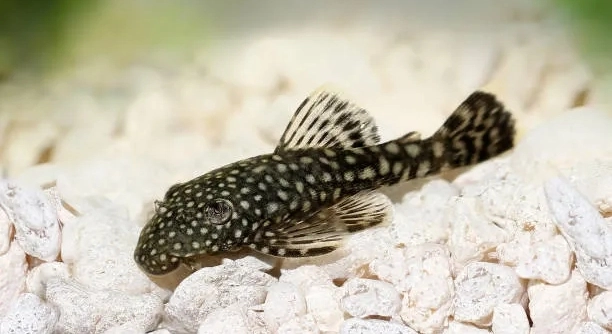
Have you ever walked past your aquarium and noticed your pleco gnawing on the tank decorations, leaving you puzzled or a bit concerned?
The most common reason your pleco is biting decorations is due to natural foraging behavior. Plecos often explore their surroundings using their mouths, especially when looking for algae or food remnants on surfaces.
While it may seem like harmless curiosity, repeated biting could hint at dietary needs or environmental factors that deserve a closer look.
Common Reasons Your Pleco Is Biting Decorations
Plecos often bite decorations as part of their natural behavior. They use their mouths to explore, clean, and forage. Decorations in the tank can collect algae, which plecos love to eat. Even if you can’t see algae, your pleco may still sense it. In some cases, they’re just testing the texture of things in their environment. Driftwood, resin caves, and plastic plants can all attract attention. If the pleco is not getting enough food, especially algae-based options, they may turn to anything they find. Certain decorations may also feel good on their mouth or help wear down their teeth. Plecos need surfaces to rasp on, and sometimes they choose tank décor for this purpose. It’s not always a sign something is wrong, but it’s worth checking that the tank is clean, their diet is balanced, and that they have proper enrichment and grazing opportunities.
This behavior is very normal, but it can increase if your pleco is bored or underfed.
When plecos bite decorations, it’s usually linked to their feeding habits. These fish are constant grazers and prefer to nibble throughout the day. Offering algae wafers, fresh veggies, or driftwood can reduce interest in décor.
How to Reduce Decoration Biting
Try giving your pleco more things they’re allowed to bite, like driftwood and vegetables. These help meet their natural need to rasp and explore.
If your pleco keeps biting decorations, focus on adjusting the tank environment. Start by including soft driftwood, which many plecos need for digestion. Next, make sure the diet is right. Many plecos thrive on a mix of algae wafers, blanched zucchini, cucumber slices, and occasionally protein-based foods. These provide what they’re naturally drawn to. Some decorations may have rough textures that encourage biting, so you may want to swap them for smoother, safer options. Also, plecos need some darkness and quiet time. Too much light or movement can stress them, causing them to act out. Add hiding spots and monitor tank mates—territorial behavior can also cause odd chewing. Lastly, check water parameters regularly. Poor water quality can lead to stress, making your pleco more reactive and unpredictable. Keeping your pleco engaged and healthy can help redirect their energy in a safer, more natural way.
What to Avoid in the Tank
Avoid using sharp or rough decorations that could hurt your pleco’s mouth. Decorations with peeling paint or loose parts should also be removed, as they can be dangerous if ingested.
Some decorations may seem safe but contain materials that break down over time. Painted items, especially cheaper ones, often flake when plecos rasp on them. These flakes can be swallowed, leading to digestive issues. Hard plastic edges can wear down your pleco’s mouth, causing injury or stress. Avoid items not labeled aquarium-safe, including household objects used as DIY décor. These might release harmful chemicals into the water. Stick with decorations made from resin, smooth ceramics, or natural driftwood. Always check for rough edges or hidden crevices where food or waste can collect. Decorations should enhance the tank without adding risk or stress. Choose pieces that are both functional and gentle for bottom-dwelling fish like plecos.
Plecos benefit most from natural tank setups. Rocks, driftwood, and live plants offer safer ways to explore and rasp. Decorations should not just look nice but also serve a purpose. If it doesn’t provide shelter, food, or comfort, it may not be worth keeping in the tank. Choose pieces that support your pleco’s natural behavior.
When to Be Concerned
If your pleco is constantly biting everything, even when well-fed, it could point to a stress-related issue. Keep an eye on sudden changes in behavior.
Sometimes, excessive biting is your pleco’s way of reacting to discomfort. Poor water quality, overcrowding, or lack of hiding spots may cause stress. Stress can show up in different ways, and constant biting is one of them. Start by checking water parameters—ammonia, nitrites, and pH should be stable. Look for signs of illness like clamped fins, sluggish movement, or white patches near the mouth. Make sure your pleco isn’t competing for food or space with aggressive tank mates. Observe if the biting happens more at certain times of day, especially after changes in lighting or feeding routines. Addressing stress triggers early can help calm your pleco’s behavior and prevent long-term health problems.
Helpful Additions to the Tank
Add soft driftwood like Malaysian or Mopani wood. These types are safe for plecos to rasp on and also support digestion. Driftwood also helps create a more natural environment.
Include a variety of hiding places like caves or rock structures. These give your pleco space to rest and feel secure, reducing stress.
Feeding Tips That Make a Difference
Feed your pleco a balanced diet that includes algae wafers, blanched vegetables like zucchini or cucumber, and occasional protein-based treats. Make sure the food reaches the bottom where they can find it easily. Feeding in the evening or when the lights are dimmed can help, as plecos are often more active at night. Rotate food options throughout the week to prevent boredom. Keep track of what your pleco actually eats, and remove uneaten food to avoid water quality issues. A well-fed pleco is less likely to bite tank decorations out of hunger or frustration.
Final Thoughts on Decoration Biting
Biting behavior is often normal but can be reduced with the right care, proper diet, and safer tank decor choices.
FAQ
Why is my pleco biting everything in the tank?
Plecos may bite decorations, plants, or even tank walls as a natural foraging behavior. They are bottom dwellers that use their mouths to explore and search for food. If your pleco is biting everything, it’s likely looking for algae or other food sources. Even if algae isn’t visible, plecos have a keen ability to sense it. Sometimes, the biting may also be linked to the texture of the decorations. If your pleco isn’t getting enough food, such as algae or other supplements, it might start nibbling on anything it can find to fulfill its needs.
Is it normal for plecos to bite my tank decorations?
Yes, it’s normal for plecos to nibble on tank decorations. They use their mouths to explore and forage, and they may rasp against surfaces to clean them or even to wear down their teeth. However, if the biting becomes excessive or damaging, it could indicate other issues like stress, poor diet, or boredom.
How can I stop my pleco from biting my decorations?
To stop your pleco from biting decorations, make sure you provide enough food, especially algae-based options. Offer a variety of veggies like zucchini, cucumber, and algae wafers to keep your pleco full. Providing driftwood and other safe surfaces to rasp on can also help. This ensures they have acceptable alternatives to decorations.
Does biting decorations affect my pleco’s health?
If the decorations are safe and made of appropriate materials, occasional biting won’t harm your pleco. However, biting decorations that are not aquarium-safe, like those with peeling paint or rough surfaces, can cause injury or introduce harmful chemicals to the tank. Always check your decorations for sharp edges or materials that may be dangerous for your pleco.
How do I know if my pleco is stressed?
Stress in plecos can show up in various ways. If your pleco is biting decorations excessively or acting more aggressively, this may be a sign. Other signs of stress include hiding more than usual, staying at the surface of the water, clamped fins, or changes in swimming patterns. Poor water quality, overcrowding, and incompatible tank mates are common stress triggers.
Can I put more than one pleco in the same tank?
Yes, you can have multiple plecos in the same tank, but be mindful of their territorial nature. Plecos, especially certain species, can become aggressive toward each other if there isn’t enough space or hiding spots. It’s important to monitor their behavior and ensure they have plenty of room and places to retreat. In larger tanks, multiple plecos may coexist better.
What is the best tank size for a pleco?
The minimum tank size for a pleco depends on the species, but most require at least a 30-gallon tank. Plecos can grow quite large, and they need plenty of space to swim, hide, and explore. Larger tanks, ideally 50 gallons or more, are recommended for larger pleco species.
How often should I feed my pleco?
Plecos should be fed once or twice a day, depending on their size and activity level. It’s important to provide small portions and remove any uneaten food after a few hours to prevent water contamination. Plecos are bottom feeders, so make sure food sinks to the bottom of the tank where they can access it.
Why does my pleco only bite at night?
Plecos are nocturnal, so they are most active at night. If your pleco is biting decorations or foraging more at night, it’s simply following its natural behavior. To ensure your pleco gets enough food, consider feeding it in the evening or when the lights are dimmed, allowing it to forage naturally.
Can I use any type of wood for my pleco?
Not all wood is safe for your pleco. Only use driftwood specifically labeled as aquarium-safe, such as Malaysian or Mopani wood. Avoid using untreated or painted wood, as it can release toxins into the water or harm your pleco’s digestive system. Driftwood provides a safe surface for plecos to rasp on and aids in digestion.
How can I tell if my pleco is eating enough algae?
If your pleco is consistently biting decorations or plants, it could indicate that it’s looking for more algae to graze on. You can tell if your pleco is getting enough algae by observing its behavior. If it’s active, healthy, and not showing signs of malnutrition, then it’s likely eating enough. However, if your pleco seems lethargic, loses weight, or constantly searches for food, you may need to supplement its diet with algae wafers, fresh vegetables, or blanched greens.
Can plecos live with other fish?
Plecos are peaceful fish that can generally live with other species, but there are exceptions. They can get along with other bottom dwellers and non-aggressive tank mates. However, larger or more aggressive species might bully plecos. Be sure to choose compatible tank mates, and provide plenty of space for your pleco to hide and feel secure.
Final Thoughts
Plecos are fascinating fish with unique behaviors, including biting decorations in the tank. While this behavior can be concerning for some aquarium owners, it’s usually just a natural part of their foraging process. Plecos use their mouths to explore their environment, rasping on surfaces to look for algae and other small food particles. This can often be mistaken for destructive behavior, but in reality, it’s just them being curious and doing what they naturally do. Understanding this behavior can help ease worries and allow you to better care for your pleco.
If your pleco’s decoration biting seems excessive, it’s worth checking if they have enough to eat. Plecos thrive on a diet rich in algae and other plant-based foods. Offering a variety of food options, such as algae wafers, zucchini, cucumber, and other vegetables, can help keep them satisfied and reduce their need to bite decorations. It’s important to monitor their feeding habits closely to make sure they’re getting enough nutrients. When plecos don’t have enough food, they may start nibbling on things that aren’t meant to be food, including your tank’s décor. So, ensuring they’re fed properly is a simple yet effective way to manage this behavior.
Another important factor to consider is the environment you’re providing for your pleco. A well-maintained tank with proper decorations and hiding spots will make your pleco feel more comfortable and less likely to stress. Offering smooth driftwood, plants, and caves can encourage natural behaviors and reduce unwanted biting of decorations. Keeping the tank clean, maintaining good water quality, and making sure your pleco has plenty of space to explore and hide will also help create a stress-free environment. A happy pleco is less likely to bite things out of boredom or discomfort, so paying attention to these factors can make a big difference in their behavior.

Hello,
If you enjoy the content that we create, please consider saying a "Thank You!" by leaving a tip.
Every little bit helps us continue crafting quality advice that supports the health, happiness, and well-being of pets around the world, for pets of all shapes, sizes, and species.
We really appreciate the kindness and support that you show us!