
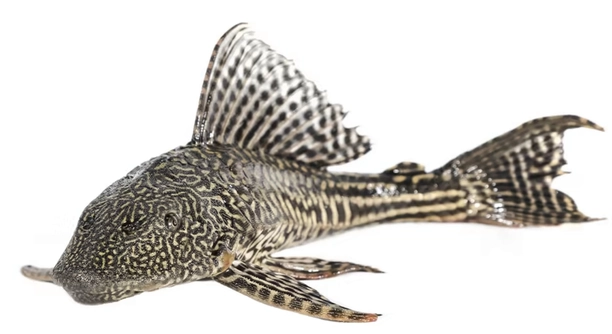
Are your young plecostomus growing fast and starting to show bigger appetites in their aquarium home? Offering the right snacks can support their health and help them grow strong while keeping them happy and active each day.
The best snacks for growing plecostomus are nutrient-rich options like blanched vegetables, algae wafers, and protein-based treats. These choices provide essential vitamins and minerals to support their development, immune system, and overall health in captivity.
Understanding which foods are safe and beneficial can help you feel more confident about feeding time and avoid common mistakes.
Zucchini – A Light and Nutritious Option
Zucchini is one of the best vegetable snacks for young plecostomus. It’s low in calories and easy to digest, making it gentle on their developing systems. To prepare it, slice the zucchini into thin, manageable pieces and blanch them. This softens the texture, making it easier for plecos to nibble on. Once cooled, attach the slices to the side of the tank using a vegetable clip or place them at the bottom with a weight. Remove uneaten pieces after 24 hours to keep the water clean. Feeding zucchini once or twice a week is enough. It provides fiber, moisture, and a range of vitamins that support healthy growth. You don’t need to peel it if it’s organic, as the skin holds additional nutrients. If your pleco seems uninterested at first, try offering it at night when they’re more active. Over time, they’ll recognize it as a food source.
Zucchini is simple to serve and can become a regular part of your pleco’s diet with very little effort.
It’s best to start with a small portion to see how your plecostomus reacts. Once they accept it, you can rotate it with other vegetables to keep their diet varied. Zucchini is gentle, fresh, and helpful for digestion.
Algae Wafers – A Reliable Staple
Algae wafers are one of the most common and dependable snacks for plecostomus.
These wafers are made from concentrated algae, plant matter, and extra nutrients to support fish health. Since plecos are natural algae-eaters, this snack mimics their diet in the wild. Algae wafers sink to the bottom of the tank, making them easy for bottom dwellers to find and eat. Look for high-quality wafers with minimal fillers, as some cheaper versions may use too many grains or additives. Offer one wafer per fish and observe how quickly it’s eaten. If it’s gone within a few hours, your pleco is adjusting well. If not, reduce the amount or try breaking the wafer into smaller portions. You can feed these wafers two to three times a week. They’re especially useful when you’re short on time, as they’re clean and don’t require prep. Adding them to your pleco’s snack list gives a reliable way to support steady growth.
Blanched Spinach – A Soft Green Snack
Spinach is full of nutrients like iron, calcium, and vitamin A, which are great for young plecos. Blanching it helps soften the leaves and remove oxalates that can affect calcium absorption. Always cool the spinach before placing it in the tank.
To prepare, rinse the spinach leaves and boil them briefly—just enough to soften, usually 30 seconds to a minute. Then, cool them under cold water and place them in the tank using a veggie clip or weight. Spinach can break down faster than zucchini, so it’s best to remove any uneaten parts after 6–8 hours. Feed it once or twice a week for variety. Some plecos may take time to get used to leafy greens, but spinach is often accepted quickly due to its soft texture and mild flavor. Rotate it with other greens to help your pleco develop a balanced and diverse diet.
Spinach works well as a supplement but shouldn’t be the only green you offer. Mixing it with zucchini or cucumber keeps feeding time interesting. Because it breaks down fast, keep an eye on the water quality. Organic spinach is preferred to avoid pesticides. Keep servings small and always watch how your pleco reacts to it.
Sinking Shrimp Pellets – A Protein Boost
Shrimp pellets are packed with protein, which is important for growing plecostomus. These pellets sink quickly, making them easy for bottom feeders to reach. Most shrimp pellets also include added vitamins to help support healthy fins, scales, and overall growth.
Feed shrimp pellets in moderation, about once or twice a week, depending on how often you offer other protein sources. Overfeeding can cause waste buildup, so it’s best to offer just a small portion and remove leftovers within a few hours. Always check the ingredient list before buying. Look for products that list shrimp or fish meal as the first ingredient, and avoid those with too many fillers. Some plecos may take time to recognize shrimp pellets as food, but they usually catch on fast. You can break the pellets in half for smaller plecos. Shrimp pellets are best used as a protein addition, not as a main food.
Cucumber Slices – Easy and Refreshing
Cucumber is another mild vegetable that plecos enjoy. It’s mostly water, which helps with hydration, and its soft texture makes it easy to eat when blanched. Slice it thinly and remove the seeds before placing it in the tank.
Like other vegetables, cucumber should be removed after several hours to avoid cloudy water. While not as nutrient-dense as zucchini or spinach, it adds variety and keeps your pleco interested. Use it once a week as a treat, not a regular staple.
Bloodworms – Occasional Protein Snack
Frozen or freeze-dried bloodworms can be given to plecos every now and then. They are rich in protein and can be useful for growth, especially in young plecos. Use them sparingly—just once a week is enough. Always thaw frozen ones before feeding and avoid overfeeding to keep the tank clean.
Green Beans – A Crunchy Option
Green beans offer fiber and nutrients in a slightly firmer texture. Blanch them first, then cut into small pieces. Some plecos may take time to warm up to them, but many enjoy nibbling on the inside after the outer skin softens.
FAQ
How often should I feed my growing plecostomus snacks?
Growing plecostomus should be offered snacks about three to four times a week, depending on their main diet. If they already receive a balanced pellet or wafer, treats like vegetables or protein-rich snacks can be given in smaller amounts and less frequently. Alternate the snack types to avoid overfeeding any one kind. A routine with two veggie snacks and one protein snack weekly works well for most young plecos. Always observe their eating behavior. If leftovers are common, reduce the portion. If everything is gone quickly, that’s a sign the amount is just right.
What time of day is best for feeding plecos?
Plecos are more active during the evening and night. They tend to feed better after lights are dimmed or turned off. Offering snacks just before or shortly after the tank lights go off works best. If you feed during the day, food may sit for longer before they eat it. This can affect water quality. Try to stick to a regular schedule, especially if you notice your pleco coming out around the same time each day. With time, many will adjust and start feeding a little earlier.
Can I feed my plecostomus fruits?
Some fruits can be offered occasionally, but they should not be a regular part of a pleco’s diet. Fruits like melon, peeled grapes, or soft pear slices can be tested in small amounts. Avoid citrus fruits due to their acidity. Fruits have natural sugars, which can lead to water quality issues if not eaten quickly. If you try fruit, keep portions small and remove leftovers within a few hours. Offer no more than once every couple of weeks, and only after seeing how your pleco responds. Watch for any signs of discomfort or uneaten food.
What should I avoid feeding my plecostomus?
Avoid feeding plecos anything seasoned, processed, or high in fat. Human food like bread, cheese, or cooked meats are not safe. Also skip vegetables that are too starchy or hard to digest, like raw potatoes or corn. Iceberg lettuce has little nutritional value and breaks down too quickly. Foods with added preservatives, dyes, or unknown ingredients can affect their health over time. Always check the label on wafers or pellets. When in doubt, stick to plain, blanched vegetables and reputable sinking foods. Clean, simple ingredients are safest for plecos of all sizes.
How can I tell if my plecostomus is eating enough?
A well-fed pleco will have a rounded belly—not swollen or sunken. You may see them actively grazing or returning to food throughout the night. If food is untouched by morning, try offering it at a different time or switch snack types. Some plecos are picky or shy. If you rarely see them eat but they continue growing and seem active, they may be eating while you’re not watching. Keep track of what you feed and how much is left each time. Overfeeding can be just as harmful as underfeeding, so adjust based on behavior and appearance.
Are homemade snacks safe for plecos?
Homemade snacks can be safe if they’re prepared correctly. Simple mixes of blanched vegetables, spirulina powder, and gelatin can be shaped into small bites. Avoid adding any seasoning, oils, or garlic. Cooked peas, carrots, and spinach can be mashed and formed into small discs. Let them cool fully before feeding. Homemade snacks should be stored in the fridge and used within a few days. Freeze extras if needed. They allow more control over ingredients but always test a small amount first to see how your pleco reacts. Consistency matters, so stick with trusted ingredients.
Final Thoughts
Feeding growing plecostomus the right snacks can support their health, growth, and energy levels. They are peaceful, bottom-dwelling fish that often get overlooked during feeding time, so offering food made just for them helps make sure they get enough to eat. A mix of vegetables, algae-based options, and occasional protein keeps their diet balanced. Snacks like zucchini, cucumber, spinach, and green beans are easy to prepare and can be rotated to add variety. When blanched and cut into small pieces, they become easy for young plecos to nibble on and digest. Sinking pellets and wafers also help meet their needs and are useful when you’re short on time.
It’s important to watch how your pleco reacts to different snacks. Some may take longer to try new foods, while others eat almost anything right away. Feeding time should be calm and quiet, as plecos prefer to eat during the evening or when lights are dim. Always remove any leftover food within a few hours to prevent water issues. Uneaten snacks can quickly break down and cause problems in the tank. If you’re offering something new, start with a small amount and wait to see how your pleco responds. Overfeeding can lead to health problems or dirty water, so moderation is key. Keeping a simple schedule with rotating snack options can help avoid common issues.
Feeding snacks should not be stressful or overly complicated. As long as you stick to safe foods and offer them in moderation, your plecostomus will benefit. Focus on variety, cleanliness, and timing. Watch their body shape, activity levels, and interest in food to make sure they’re doing well. Remember that snacks are just one part of a larger care routine. Clean water, proper filtration, and hiding spaces all play a role in their well-being too. But when done right, snack time can be a useful and enjoyable part of keeping a healthy pleco. With a bit of attention and consistency, your plecostomus will continue to grow strong, stay active, and show more of their natural behavior in the tank.

Hello,
If you enjoy the content that we create, please consider saying a "Thank You!" by leaving a tip.
Every little bit helps us continue crafting quality advice that supports the health, happiness, and well-being of pets around the world, for pets of all shapes, sizes, and species.
We really appreciate the kindness and support that you show us!