
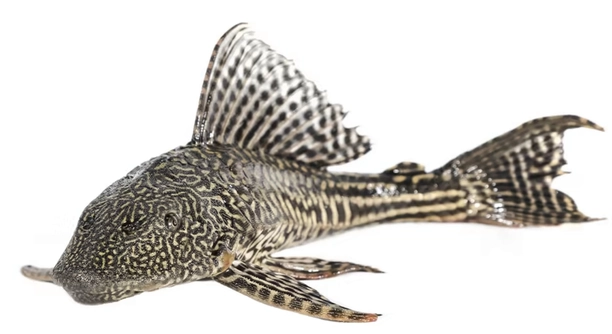
Moving a pleco in your aquarium can be challenging, especially when trying to avoid unnecessary stress. It’s important to consider the best methods to handle the fish without harming it. Many factors can influence the decision.
The most effective way to move a pleco without netting it is by using a fish trap or gently guiding it with your hands. This reduces the risk of injury or distress. Careful handling is essential for the well-being of the fish.
Proper techniques can minimize stress and prevent injury, ensuring your pleco remains healthy throughout the process.
Why Netting a Pleco Can Be Problematic
Netting a pleco can cause significant stress to the fish. Plecos are naturally sensitive and their spiny fins can make handling difficult. The net can snag, leading to injury or distress. When fish experience stress, their immune systems weaken, which could make them more susceptible to illness. In addition, excessive stress can impact their appetite and overall health. This makes it important to consider alternative methods of moving them without resorting to a net.
Using a net may seem like the easiest option, but it can be harmful in the long run. It’s always better to think about the pleco’s well-being.
There are gentler alternatives that avoid the risks of netting. A soft, wet towel can help stabilize the pleco during the transfer. Gently guiding the fish by hand or using a fish trap designed for moving plecos without causing harm is often a safer choice. The key is to remain calm and patient throughout the process, as this will prevent unnecessary stress. This approach ensures that the pleco is not only moved safely but also remains healthy after the transfer.
Alternative Methods for Moving a Pleco
If netting is not an option, there are a few other methods worth trying. Fish traps are one of the safest tools to move a pleco without causing harm.
Fish traps work by luring the pleco inside using food. Once the pleco enters, it can be safely transferred. These traps are especially useful for plecos that are difficult to catch by hand. They reduce the risk of injury and stress, making them a great alternative. By carefully placing the trap in the tank, the pleco can be moved with minimal disruption. These traps come in various sizes, so they can fit different types of tanks.
By using the right tools, you can ensure that your pleco’s transfer is as stress-free as possible. Whether you use a fish trap or simply guide the pleco by hand, the goal is to prioritize the pleco’s well-being. When handling any fish, gentle actions make all the difference.
Handling Plecos Without Causing Stress
Handling plecos gently can prevent unnecessary stress. The key is to move slowly and avoid sudden movements, as they can startle the fish. Be calm and steady in your approach. Plecos are sensitive, and their stress levels can increase with rough handling, so a quiet environment is essential.
When trying to move your pleco without using a net, make sure the water conditions are calm. A low water flow and dim lighting can help keep the pleco relaxed during the transfer. Using both hands, gently coax the fish into a container or trap. This will help prevent unnecessary panic, which can lead to injury or even death.
During the transfer, maintain control of the pleco’s body to avoid any strain on its delicate fins. By using a soft, wet towel or your hands, you can hold the pleco securely while ensuring that its fins don’t get caught. The gentler the movement, the more comfortable the fish will be, making the entire process safer for both you and your pleco.
Using a Fish Trap for a Pleco Transfer
A fish trap can be one of the most effective ways to move a pleco without a net. These traps allow the pleco to enter voluntarily, reducing the risk of injury and stress.
To use a fish trap, first place it in an area where the pleco often swims. You can use a food-based lure to entice the fish inside. Once the pleco is inside, you can simply move the trap to its new location. This method eliminates the need to handle the fish directly, making it one of the safest options for both the pleco and the owner.
It’s important to check the trap regularly to ensure the pleco isn’t trapped for too long. Make sure the water inside the trap is clean, and that the pleco has enough space to swim comfortably. Avoid using traps with small openings that might hurt the pleco as it tries to enter or exit.
Using Hands for a Safe Transfer
Using your hands to move a pleco is possible with the right technique. Gently placing your hand under the fish’s body will provide support without causing stress. Be sure your hands are wet before touching the fish, as this helps prevent skin damage.
Avoid gripping the pleco too tightly. Instead, support its body in a natural position, allowing the fish to feel more secure. A calm, steady approach is necessary to keep the pleco from panicking. If done correctly, using hands can be a safe and effective method for a stress-free transfer.
Creating a Calm Environment
Before attempting to move your pleco, make sure the environment is quiet and stress-free. Reduce the light and any noise around the tank to help the fish stay calm. A peaceful atmosphere will prevent sudden movements that could scare the pleco.
Fish that are agitated are more likely to react unpredictably, increasing the risk of injury. By keeping the environment calm, you make it easier for the pleco to move without becoming stressed. Lower water flow also contributes to a relaxed atmosphere for the fish. When the pleco feels safe, the process becomes less daunting for both of you.
Choosing the Right Container
Selecting a proper container is crucial when transferring a pleco. A soft-sided container with rounded edges can prevent injury while providing enough space for the pleco to move freely. Avoid using hard containers that might cause sharp edges, which could harm the fish during the transfer.
FAQ
Can I move my pleco without a net?
Yes, moving a pleco without a net is possible and sometimes recommended. Using hands or a fish trap can reduce stress. Ensure the fish is handled gently and that its environment is calm. Using soft materials like a wet towel or a container with smooth edges can also be helpful.
Is it safe to touch my pleco?
Touching your pleco is safe if done gently. Always wet your hands first to avoid damaging the fish’s skin. Never grip or squeeze the pleco, as this can cause stress or injury. Gently support its body to keep it calm and secure.
How can I reduce stress when moving my pleco?
To reduce stress, keep the environment calm and quiet. Dimming the lights and reducing noise around the tank will help the pleco stay relaxed. Move slowly, avoiding sudden motions. Ensure the water is clean and the pleco is not confined in a space that’s too small during the transfer.
What is the best way to move a pleco from one tank to another?
The best way to move a pleco is to use a fish trap or gently guide it with your hands. Ensure the water conditions are similar in both tanks to minimize stress. A soft container or wet towel can be used if needed, but always handle the pleco as gently as possible.
Can I use a fish trap for my pleco?
Yes, fish traps are a great option for moving plecos. These traps use food to lure the pleco inside, allowing you to transfer the fish without handling it directly. Make sure the trap is large enough and has smooth edges to prevent injury.
Should I use a net to catch my pleco?
It’s best to avoid using a net if possible. Netting can be stressful for plecos, and their spiny fins may get caught, leading to injury. If you must use a net, do so with care, ensuring the net is soft and not too small to prevent damage to the fish.
How long can a pleco stay in a fish trap?
A pleco should not be kept in a fish trap for long periods. Ideally, move the pleco to its new tank as soon as possible, making sure the water conditions are right. Keep the pleco in the trap only as long as necessary to ensure a smooth transfer.
Can I move a pleco during the day?
It’s best to move a pleco when the lights are dim or at night to reduce stress. Plecos are nocturnal, and moving them in bright light or during the day can cause unnecessary anxiety. Always ensure the transfer is as calm as possible to avoid startling the fish.
What should I do if my pleco is stressed after moving?
If your pleco is stressed, monitor its behavior closely. Provide hiding spots in the new tank to give it a sense of security. Ensure the water temperature and conditions match those of its previous tank. Reducing noise and movement around the tank can also help calm the fish.
How do I prevent injury when moving a pleco?
To prevent injury, always handle your pleco gently and avoid sharp objects. Use smooth containers or hands to move the fish. Avoid sudden movements, and make sure the pleco has enough space to move freely without being confined in a small area during the transfer.
Can a pleco be moved by just lifting it out of the water?
It’s not recommended to lift a pleco directly out of the water. Doing so can cause unnecessary stress and may result in injury. Instead, guide the pleco gently into a soft container or fish trap. Always ensure that the pleco is supported and handled carefully during the transfer process.
Are there any signs my pleco is stressed?
Common signs of stress in plecos include rapid breathing, hiding excessively, or a loss of appetite. If your pleco is showing signs of stress, review the conditions of the tank and the environment. Reducing stressors, such as bright lights or loud noises, can help the fish recover.
Can I move a pleco with other fish in the same tank?
It’s best to move a pleco separately from other fish, especially if the pleco is being transferred to a new tank. This prevents stress from overcrowding or competition for space. If you must move multiple fish, ensure that the tank’s water conditions are appropriate for all species involved.
How often should I move my pleco?
Plecos should not be moved frequently, as this can cause stress and disrupt their environment. Only move your pleco when necessary, such as when setting up a new tank or cleaning a tank. Ensure the new location provides similar water conditions to help the pleco adjust smoothly.
How can I ensure my pleco adjusts to a new tank?
To help your pleco adjust, ensure the new tank has similar water conditions, such as temperature, pH, and hardness. Provide hiding spots and keep the environment calm. Monitor the pleco closely for signs of stress, and allow it time to acclimate to its new home.
Final Thoughts
Moving a pleco without using a net is possible and can be less stressful for the fish. Whether using hands, a fish trap, or a gentle container, the key is to keep the process calm and controlled. The pleco’s well-being depends largely on how gently it is handled and how much stress is avoided during the transfer. By using soft materials like a wet towel or ensuring the water conditions are calm, you can make the process smoother for your pleco. This careful handling can reduce the chances of injury or unnecessary anxiety, ensuring a safe and comfortable move.
While it may seem like a simple task, moving a pleco requires a few essential steps to be done correctly. Keeping the water temperature and conditions stable, reducing light, and minimizing noise are all important factors that contribute to a stress-free transfer. A well-planned approach will not only keep your pleco safe but will also help it adjust better to its new environment. For the health of the fish, it is important to understand that a stressful transfer can lead to long-term effects, including weakened immune systems or behavioral changes. Avoiding abrupt moves or overcrowding the fish in a small container can help keep the pleco in a healthier state.
Ultimately, the goal when transferring a pleco is to make it as easy and comfortable as possible for the fish. While there are different ways to do it, the safest options usually involve less direct handling. If you’re ever unsure about moving your pleco, it’s best to take things slow and avoid any actions that might cause it stress. With the right preparation and care, your pleco will likely adjust to its new environment quickly and without harm. By understanding the importance of a gentle, calm transfer, you help ensure that your pleco remains healthy and happy in its new home.

Hello,
If you enjoy the content that we create, please consider saying a "Thank You!" by leaving a tip.
Every little bit helps us continue crafting quality advice that supports the health, happiness, and well-being of pets around the world, for pets of all shapes, sizes, and species.
We really appreciate the kindness and support that you show us!