
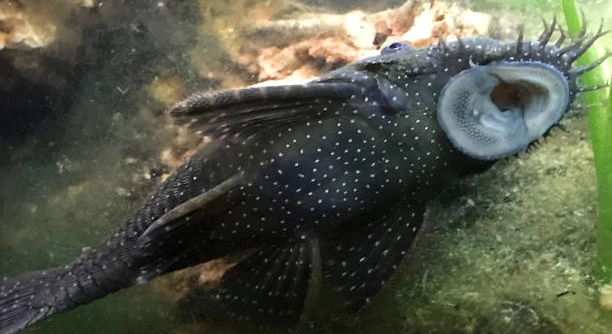
Keeping a calm environment for your plecos is crucial to their health. These peaceful fish thrive in stable settings, but sometimes the tank can become a little chaotic. Understanding what makes them feel secure is key.
The key to maintaining a calm tank for plecos lies in creating a stable, quiet environment with proper filtration, gentle water flow, and appropriate tank mates. Ensuring the tank is clean and free of sudden disturbances promotes their well-being.
Knowing these methods will help you maintain a peaceful environment for your plecos, keeping them healthy and happy in their habitat.
Tank Size Matters
When setting up a tank for your plecos, size is an important factor. A larger tank provides more space for your plecos to move around and reduces stress. This is especially true for plecos as they can grow quite large over time. A tank that is too small will cause them to feel cramped and uneasy, leading to aggressive behavior or a decrease in overall health. Aim for a tank that is at least 75 gallons for a single pleco. Larger groups will need even more space.
A spacious tank also allows for better water quality management. Larger tanks tend to stabilize better than smaller ones, making it easier to maintain a balanced environment.
By giving your plecos enough space to swim and explore, you are ensuring they remain calm and healthy. It will also make cleaning and maintaining the tank more manageable.
Proper Filtration is Key
A good filtration system is essential for maintaining water quality. Plecos are bottom dwellers, which means they often stir up debris from the substrate. A filter with strong water flow helps remove waste and excess food, preventing the tank from becoming polluted.
Make sure your filter is rated for the size of your tank. Overworking a filter by choosing one that is too small can cause water quality to degrade quickly, affecting the health of your plecos.
Keep in mind that plecos also appreciate areas with slower-moving water. In addition to a filter, you might want to add plants or rocks that help break up the flow. This allows them to find a spot in the tank where they feel more comfortable.
Water Temperature Control
Maintaining a stable water temperature is crucial for plecos. They thrive in temperatures between 74°F and 80°F. A sudden change in temperature can cause stress, leading to health problems or aggression. Use a reliable aquarium heater to keep the water temperature consistent.
Check the water temperature regularly to avoid fluctuations. Install a thermometer in the tank for easy monitoring, ensuring that the heater is working as expected. If the water becomes too warm or too cold, it may impact your pleco’s ability to stay calm. This will also affect their immune system, making them more susceptible to illness.
Plecos are sensitive to extreme changes in temperature. Maintaining a consistent, warm environment is not only essential for their health but also helps reduce stress. This balance encourages them to feel comfortable, allowing them to move freely without feeling threatened by sudden environmental shifts.
Tank Decor and Hiding Spots
Plecos are nocturnal and need places to hide during the day. Providing hiding spots using caves, driftwood, and plants can help make them feel secure. This gives them a place to retreat when they feel overwhelmed or exposed.
Adding natural elements such as rocks and plants mimics their natural habitat, where they would typically find dark, sheltered areas. Plecos enjoy grazing on algae found in these areas, contributing to their overall well-being. When designing the tank, ensure there are multiple hiding spots so your plecos can find refuge whenever they need it.
Additionally, ensure that the decor doesn’t have sharp edges. Sharp rocks or rough surfaces can injure your plecos, especially as they move around at the bottom. Smooth surfaces are safer and encourage exploration.
Avoid Overcrowding
Overcrowding can quickly lead to stress for plecos. Too many fish in the tank can increase competition for space and food, resulting in territorial behavior. Ensure the tank is large enough to accommodate the number of fish.
Pay attention to tank mates as well. Some species might be aggressive or too active for plecos, making them feel unsafe. It’s important to choose peaceful tank mates that won’t disrupt the calm environment.
Regular Tank Maintenance
Consistent maintenance is essential for a peaceful tank. Cleaning the tank regularly helps prevent waste buildup and ensures the water remains clean and safe. Change a portion of the water weekly to maintain optimal conditions.
Check the filtration system, remove any excess debris, and scrub algae from tank surfaces. This will keep your plecos’ environment stable and avoid any potential stressors that could arise from poor water quality. Clean decorations and filter media to maintain efficiency.
Monitor Water Parameters
Maintaining proper water parameters, such as pH and hardness, is crucial for your plecos. They prefer slightly acidic to neutral water, with a pH range of 6.5 to 7.5. Testing the water regularly ensures stability.
Check parameters such as ammonia, nitrite, and nitrate levels, which can impact your plecos’ health. Regular monitoring can help prevent any sudden changes that might cause distress. Keep the water within recommended levels to support your plecos’ overall well-being.
FAQ
What is the best tank size for plecos?
Plecos need ample space to thrive. A tank size of at least 75 gallons is recommended for a single pleco. This gives them enough room to swim freely and explore without feeling confined. Larger tanks are needed if you have multiple plecos. A bigger tank also helps maintain water quality, reducing stress caused by waste buildup.
How can I reduce stress in my pleco tank?
To reduce stress, provide a stable environment. This includes proper tank size, water quality, and temperature control. Plecos also need hiding spots, such as caves or driftwood, where they can retreat and feel secure. Avoid overcrowding the tank, as too many fish can cause tension and disrupt the peaceful atmosphere.
Do plecos need a special diet?
While plecos are often considered algae eaters, they require a varied diet to stay healthy. You can supplement their diet with high-quality algae wafers, fresh vegetables like zucchini or spinach, and occasional protein sources like shrimp or bloodworms. This ensures they get the nutrients they need for proper growth and health.
Can plecos live with other fish?
Plecos can live with other peaceful fish, but care must be taken in choosing tank mates. Avoid aggressive or overly active fish that may stress out your pleco. It’s best to choose species that are calm and won’t compete heavily for space or food. Additionally, make sure all fish are similar in size to prevent bullying.
How often should I clean the pleco tank?
Cleaning the pleco tank is essential for maintaining water quality. Perform regular water changes, ideally every week, to remove excess waste and maintain a healthy environment. Check the filter for buildup and clean decorations or rocks to prevent algae growth. Be careful not to disturb the pleco too much during cleaning, as this can cause stress.
What is the ideal water temperature for plecos?
Plecos prefer water temperatures between 74°F and 80°F. Maintaining a consistent temperature within this range helps reduce stress and ensures optimal health. Sudden temperature changes can cause your pleco to become stressed or even sick. A reliable aquarium heater and thermometer are essential for keeping the water stable.
How can I tell if my pleco is stressed?
Stressed plecos may exhibit changes in behavior, such as hiding more than usual or being less active. They may also display physical signs like faded colors or unusual markings. Stress can also lead to a decrease in appetite or erratic swimming patterns. If you notice these signs, evaluate tank conditions and make necessary adjustments.
Can plecos be kept with shrimp?
Plecos can generally be kept with shrimp, especially species that are peaceful and well-established in the tank. However, avoid keeping them with smaller shrimp, as plecos might accidentally eat them, particularly when they are younger. Larger, hardier shrimp species, such as Amano shrimp, tend to be better tank mates.
Are plecos aggressive?
In general, plecos are not aggressive fish. They are mostly peaceful, solitary creatures that prefer to spend time at the bottom of the tank. However, plecos can display territorial behavior, particularly if they feel crowded or stressed. Providing ample hiding spots and space can help prevent any issues.
What type of filter is best for plecos?
Plecos prefer a tank with a strong filtration system. A good filter will help maintain water quality by removing waste and excess food. Choose a filter rated for the size of your tank to ensure it works efficiently. Plecos are bottom dwellers, so a filter that creates gentle water flow is ideal to prevent stress.
Can plecos live with other bottom dwellers?
Plecos can live with other bottom-dwelling fish, but it’s important to make sure there’s enough space for everyone. Some bottom dwellers may compete for hiding spots or food, leading to stress. Ensure that there are plenty of caves and rocks for everyone to claim as their own space, avoiding conflict.
How long do plecos live?
The lifespan of a pleco varies depending on the species and the conditions of the tank. On average, plecos can live anywhere from 10 to 15 years in a well-maintained aquarium. Some species, like the common pleco, may live even longer if given proper care and attention.
Do plecos need to be regularly fed?
Yes, plecos need to be fed regularly, but you should avoid overfeeding. Offering food once or twice a day is typically sufficient. Stick to a feeding schedule and make sure to remove any uneaten food to prevent water quality issues. A balanced diet that includes both plant-based and protein-rich foods is essential for their health.
What are the signs of a healthy pleco?
A healthy pleco will have vibrant colors and smooth skin, with no visible signs of injury or disease. They will be active during the evening or night, swimming around or grazing on algae. Healthy plecos also have a healthy appetite and show interest in the food offered.
Can plecos live with other plecos?
Yes, plecos can live with other plecos, but only if the tank is large enough. It’s important to provide plenty of hiding spots and space to prevent territorial behavior. Multiple plecos in a small tank can lead to stress and conflict, so make sure there is enough room for each pleco to feel secure.
Final Thoughts
Maintaining a peaceful environment for your plecos is essential for their well-being. By ensuring proper water conditions, such as stable temperature and clean water, you create a stress-free environment where they can thrive. Additionally, offering plenty of hiding spots like caves and driftwood helps your plecos feel secure and allows them to express natural behaviors. When these factors are taken into consideration, your plecos will be more likely to stay calm and healthy in their tank.
Another key aspect to consider is the tank’s size. Plecos need space to swim and explore, so overcrowding can lead to tension and stress. Always ensure that your tank is large enough to accommodate not only your plecos but also any other fish you plan to keep with them. Pay attention to the type of tank mates you choose. Aggressive or overly active species may make your plecos feel threatened and disrupt the peaceful environment you are working to maintain.
Lastly, regular maintenance is crucial. Cleaning the tank, checking the filtration system, and monitoring water parameters all help maintain a healthy environment for your plecos. This proactive approach ensures that any potential issues, like poor water quality or temperature fluctuations, are addressed before they cause significant stress or health problems. By paying attention to these details, you provide your plecos with a stable environment that supports their health and natural behavior. With the right care, your plecos will remain calm, content, and happy in their tank.

Hello,
If you enjoy the content that we create, please consider saying a "Thank You!" by leaving a tip.
Every little bit helps us continue crafting quality advice that supports the health, happiness, and well-being of pets around the world, for pets of all shapes, sizes, and species.
We really appreciate the kindness and support that you show us!