
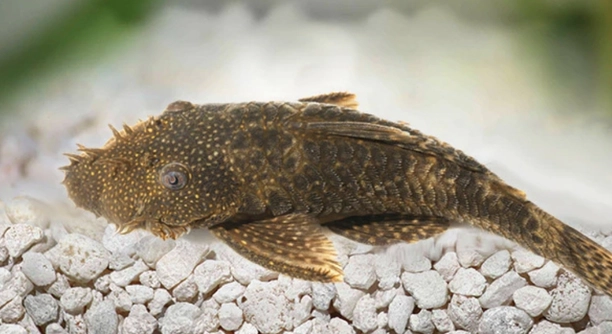
Many fish owners notice their plecos spending a lot of time near the heater in their aquarium. This behavior can be puzzling, but it is quite common for these fish to seek warmth from the heater in their tank.
The primary reason your pleco stays near the heater is because it seeks a stable and warm environment. Plecos are tropical fish, and they require consistent temperatures to remain healthy. If the water temperature is too cold, they may seek out warmer areas, such as near the heater.
Understanding the factors that influence your pleco’s behavior can help you provide the best environment for their well-being. This knowledge ensures your fish remains happy and healthy in their habitat.
Why Plecos Need Warmth
Plecos, like many tropical fish, thrive in warm water. These fish are native to regions with consistently warm temperatures, so they’re naturally inclined to seek out areas that provide heat. When the water in the tank is too cold, they instinctively swim toward the heater for comfort and stability. If the water temperature fluctuates or drops, your pleco will spend more time by the heater, as they cannot regulate their body temperature like mammals can.
A stable environment ensures that the pleco can function normally. Cold water can slow down their metabolism, affecting their ability to digest food and even their immune system.
By keeping your tank at a consistent temperature, typically between 74°F and 80°F, you help your pleco maintain its health. Ensure that the heater is working properly and that the water temperature doesn’t drop unexpectedly. If you notice your pleco consistently staying near the heater, it could be a sign that the tank’s temperature is too low.
Adjusting Tank Temperature
Properly adjusting the temperature in the tank is essential for your pleco’s health.
Consider using a reliable aquarium thermometer to monitor water conditions regularly. Keeping the tank at the right temperature promotes healthy digestion, activity levels, and overall well-being.
The Heater’s Placement Matters
The placement of the heater in your tank can impact how effectively it heats the water. If it’s too close to the pleco’s preferred hiding spot, they might stay there more often, even when the temperature is fine.
Ensure the heater is positioned in a way that allows the water to circulate properly. A heater placed near the tank’s filter helps to spread the warmth evenly across the tank. Uneven heating can cause temperature variations in different parts of the tank, leaving some areas too cold and others too warm. This might prompt your pleco to stay near the heater longer than necessary.
Check that the heater is positioned according to the manufacturer’s instructions. This will not only ensure proper temperature distribution but also help prevent potential damage to your tank’s setup. If your pleco spends too much time near the heater, adjusting its placement could encourage your fish to explore other areas of the tank.
Water Quality Can Affect Behavior
Water quality plays a large role in your pleco’s behavior. Poor water conditions can stress your pleco and make it seek refuge near the heater.
Make sure to perform regular water changes, remove debris, and monitor the levels of ammonia, nitrites, and nitrates. Elevated levels of any of these can cause your pleco to act unnaturally, and they may stay near the heater as they search for comfort in stable temperatures. Dirty water can also affect their health, leading to weakened immune systems and making them more susceptible to disease.
Regularly testing your water helps you avoid these issues. A water filter with proper maintenance is essential to ensure your pleco stays healthy and comfortable in the tank. Clean water encourages your pleco to act more naturally, reducing the chance of them spending excessive time near the heater.
Pleco Size and Tank Space
As your pleco grows, it will need more space to move around. A cramped tank can stress the fish, causing it to stay near the heater more often. Plecos are known for their large size, so providing a spacious environment is crucial.
A larger tank gives your pleco the freedom to explore and move away from the heater when needed. If the tank is too small, your pleco will likely gravitate toward the heater for comfort. A 75-gallon tank or larger is recommended for adult plecos, ensuring they have ample space to thrive.
Tankmates and Pleco Behavior
Tankmates can influence your pleco’s behavior, especially if they are territorial or aggressive. Plecos are generally peaceful but may become stressed if they feel threatened.
Having a variety of peaceful tankmates helps reduce stress. If your pleco is constantly near the heater, it could be trying to avoid other fish. Make sure the tank is well-stocked with compatible species and that there is enough space for everyone. This will create a more balanced environment and encourage your pleco to behave naturally.
Lighting and Temperature Regulation
Lighting in the tank can also impact the temperature. Bright lights can warm the water more than expected, leading to temperature fluctuations that cause stress to your pleco.
Use aquarium lights with adjustable settings to control the warmth and reduce the risk of overheating. It’s also important to monitor the light’s exposure to prevent it from affecting the tank’s overall climate. This way, your pleco’s environment remains comfortable, and it won’t be forced to seek refuge near the heater.
FAQ
Why does my pleco stay near the heater all the time?
Plecos are tropical fish that need warm water to survive. If the water temperature is too low, your pleco will seek out the warmest area in the tank, typically near the heater. This behavior is natural as they try to regulate their body temperature and remain comfortable. If your pleco is consistently near the heater, check the tank’s temperature to ensure it’s within the recommended range (74°F to 80°F). You may need to adjust the heater or improve water circulation to prevent temperature fluctuations.
Can I move the heater if my pleco is always near it?
Yes, you can move the heater to another part of the tank. Ensure that the new position allows for even heat distribution across the entire tank. Avoid placing the heater too close to the pleco’s preferred hiding spots, as it may encourage them to stay near it longer than necessary. Proper placement is key to ensuring your pleco and other tank inhabitants are comfortable. A good rule of thumb is to place the heater near the filter to help spread the warmth evenly.
Is it bad if my pleco spends too much time by the heater?
It may not be inherently harmful, but prolonged behavior of staying near the heater could indicate that the water temperature is too cold. This behavior suggests that your pleco is trying to find a warmer environment. Over time, if the water temperature is not adjusted, your pleco may experience stress, lowered immune function, and other health issues. It’s important to maintain a stable water temperature for optimal health.
How can I tell if my pleco is stressed by the heater?
Stress in plecos can show in various ways. If your pleco is frequently near the heater, it could be because the water temperature is unstable or too cold. Other signs of stress include loss of appetite, rapid gill movement, or unusual swimming patterns. If you notice these behaviors, check the water temperature, water quality, and tank conditions. Stressed plecos may also hide more or refuse to eat, so these signs should be taken seriously.
What is the ideal water temperature for a pleco?
The ideal water temperature for most plecos is between 74°F and 80°F. Maintaining this range helps them stay healthy and active. Temperatures below 74°F may cause your pleco to seek warmth near the heater, while temperatures above 80°F could stress them and lead to health issues like oxygen deprivation. A reliable aquarium thermometer can help you monitor and maintain the correct temperature.
Can plecos survive without a heater?
While plecos are tropical fish and prefer warm water, they can technically survive without a heater if the ambient room temperature is consistently within the ideal range of 74°F to 80°F. However, this is less reliable and can lead to temperature fluctuations. It’s always safer to use a heater to ensure a stable environment, especially if you live in a place with cooler temperatures or fluctuating climates.
How often should I check my pleco’s tank temperature?
You should check the tank temperature regularly, ideally once or twice a day, especially if you notice any unusual behavior from your pleco. It’s also important to monitor it more frequently during seasonal temperature changes or if the heater has been recently adjusted or replaced. Using an aquarium thermometer with an alarm feature can help you keep track of any sudden temperature changes that might stress your pleco.
Can other fish affect my pleco’s behavior around the heater?
Yes, other fish can affect your pleco’s behavior. If your pleco feels threatened by more aggressive tankmates, it may choose to stay near the heater as a safe zone. Territorial fish or those that constantly chase or bully your pleco could cause it to seek refuge in warmer areas. Ensure you select tankmates that are compatible with your pleco and provide plenty of hiding spots to reduce stress.
What should I do if my pleco is constantly near the heater and not eating?
If your pleco is staying near the heater and refuses to eat, it could be a sign of stress or poor water conditions. First, check the water temperature and quality. Ensure the tank has proper filtration, and the water parameters (ammonia, nitrite, nitrate, and pH) are within acceptable ranges. If the conditions are fine and the behavior persists, consider adjusting the tank’s setup, adding more hiding places, or even reducing the number of tankmates.
Do plecos need any special care when the water is colder?
When the water temperature drops, plecos can become more vulnerable to illnesses. Cold water can weaken their immune system and make them more susceptible to diseases like ich or fungal infections. If the temperature drops below their ideal range, they may stay near the heater to maintain warmth. If you’re unable to keep the tank temperature stable, consider using a heater with a thermostat to maintain a consistent environment for your pleco.
Can I use a larger heater for my pleco’s tank?
Using a larger heater can be beneficial if you have a larger tank or if you live in an area with fluctuating temperatures. A more powerful heater can help maintain the desired temperature and prevent the pleco from seeking warmth near the heater constantly. However, ensure the heater is not too large for the tank, as this can lead to overheating or inconsistent temperatures. It’s best to choose a heater suited for your tank size.
Final Thoughts
A pleco’s behavior of staying near the heater can be a sign of a few things. It could be simply trying to find warmth, especially if the tank’s temperature is not stable or falls below its preferred range. These fish are tropical and thrive in warm environments, so if the water is too cold, they will naturally seek out the warmest part of the tank. It’s important to ensure the heater is functioning properly and that the tank temperature stays within the ideal range of 74°F to 80°F. If you notice your pleco staying near the heater often, it’s worth checking the water quality, the placement of the heater, and whether the tank is large enough for the pleco’s size.
Sometimes, other factors like overcrowded tanks, territorial fish, or aggressive tankmates can make your pleco feel stressed. This stress may lead it to spend more time near the heater as a safe zone. In these cases, adjusting the tank’s setup, adding hiding places, or ensuring the pleco has enough space can help reduce its stress and improve its overall behavior. The tank should be spacious enough to accommodate the pleco’s growth and allow it to move freely. Regular monitoring of the tank’s temperature and environment is essential for keeping your pleco happy and healthy.
Maintaining a consistent and stable environment for your pleco is key to ensuring it thrives. This includes controlling the tank’s temperature, water quality, and ensuring it has enough space to swim. Using a reliable heater with a thermometer can help avoid fluctuations in temperature. Additionally, carefully selecting tankmates that won’t stress your pleco can make a big difference in its behavior. If your pleco seems to be spending too much time by the heater, consider reevaluating the conditions in the tank to make sure everything is right for its well-being.

Hello,
If you enjoy the content that we create, please consider saying a "Thank You!" by leaving a tip.
Every little bit helps us continue crafting quality advice that supports the health, happiness, and well-being of pets around the world, for pets of all shapes, sizes, and species.
We really appreciate the kindness and support that you show us!