
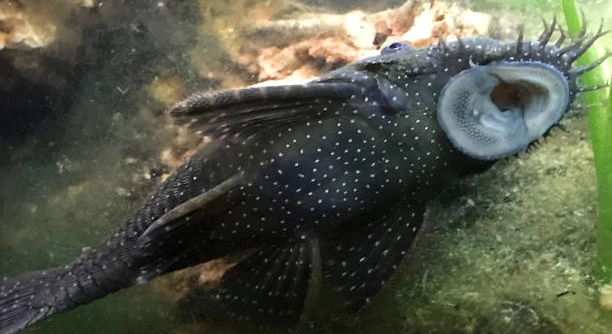
Plecos are typically peaceful fish, but sometimes they begin to show signs of territorial behavior. This shift can impact the harmony of your aquarium. Understanding these changes can help prevent potential conflicts in your tank.
Territoriality in plecos usually develops as they grow older and establish dominance in the tank. Signs of this behavior include aggressive actions toward other fish, increased hiding, and defending specific areas. Identifying these behaviors early can prevent stress among tankmates.
Knowing the signs early on can help maintain a peaceful aquarium environment and ensure your pleco’s well-being.
Recognizing Territorial Behavior
As plecos grow and mature, they often become more territorial. This is a natural part of their development, and it can lead to changes in how they interact with other fish. You might notice your pleco becoming more assertive, claiming specific areas of the tank as their own. At times, they may even chase away other fish to maintain control over these spaces.
Territoriality in plecos can result in some aggression, which might cause stress to other tank inhabitants. It’s important to observe how your pleco interacts with others and note any signs of defensiveness. Keeping an eye on their behavior will help you understand if things are getting tense.
To address territorial behavior, providing enough space and hiding spots for each fish can reduce conflicts. Plecos often seek areas where they can feel safe, and overcrowding the tank only increases tension. Proper tank setup, along with careful monitoring, is essential to managing territorial disputes. Adding decorations like caves and plants can help your pleco feel secure and less likely to act aggressively.
Aggression Toward Other Tankmates
When a pleco becomes territorial, aggression toward other fish is common. This might look like chasing or nipping at other fish that enter their claimed space. The behavior may be subtle at first, but over time, it can become more noticeable.
If your pleco begins chasing fish or even displaying physical aggression, it may be reacting to perceived threats. This aggression can cause stress and harm to other fish in the tank. Monitoring this behavior closely can help you decide if any intervention is needed.
Providing ample space, creating multiple hiding spots, and ensuring the tank is large enough for all your fish can alleviate territorial disputes. Additionally, adding plenty of plants or decorations for hiding will give your pleco its own space, reducing the likelihood of aggressive interactions.
Increased Hiding Behavior
Plecos are known for being shy, but when they start hiding more than usual, it could be a sign of territorial behavior. They may retreat into caves, behind plants, or under decorations, especially when they feel the need to defend their space.
If your pleco is hiding more frequently, it may be trying to avoid other tankmates. This can also be a response to stress from constant interactions with other fish. Giving them more secluded spots in the tank can help reduce the need for hiding and make them feel safer. Keep track of their behavior to determine if they’re just seeking solitude or reacting to stress.
Creating a well-structured tank with multiple hiding spots and visual barriers can improve the pleco’s comfort level. If hiding becomes excessive, consider rearranging the tank to give your pleco more options for retreating. This way, you can help prevent the pleco from feeling cornered or overwhelmed by other fish.
Defending Territory
Once a pleco becomes territorial, it will actively defend its space. This could mean chasing away fish that come too close or even displaying aggressive postures. It is not uncommon for plecos to become more assertive when they feel their territory is threatened.
A pleco may flare its fins, puff up, or show its teeth to warn off intruders. This behavior can escalate if the pleco feels its space is continually invaded. It’s important to observe this behavior and ensure no tankmates are being stressed by the pleco’s actions. If the aggression continues, it might be necessary to address the situation by either adjusting the tank layout or separating the more aggressive pleco.
To prevent constant territorial disputes, provide enough space for each fish to feel secure. The more room and hiding spaces available, the less likely it is for your pleco to feel the need to defend its territory constantly.
Aggressive Feeding Behavior
When plecos become territorial, their feeding behavior can change. They may start to aggressively defend their food, even pushing away tankmates to claim the food for themselves.
This can lead to issues during feeding time, especially in a community tank. Plecos might show aggression toward other fish, especially those that approach their feeding area. This behavior may be exacerbated if other fish are seen as competition.
To avoid feeding-related aggression, try placing food in different parts of the tank to ensure all fish get their share. It helps to observe the pleco’s behavior during feeding to ensure no one is being stressed or deprived.
Increased Hiding Around Mating Season
During mating season, plecos may become more territorial as they seek a spot to spawn. Their behavior may shift as they begin to defend a chosen area for breeding. This can make them more aggressive toward tankmates.
When a pleco starts preparing to spawn, it may seek out a quiet, secluded area and guard it fiercely. This territorial behavior can be more noticeable during these times, with the pleco actively chasing off fish from its chosen spot. While this is normal, be mindful of how the behavior impacts the overall tank dynamic.
Separation of Tankmates
When territorial behavior becomes too intense, separation may be necessary. If one pleco is continually stressing out other tankmates, it’s important to make changes to ensure everyone’s well-being.
Separating a territorial pleco into its own space or providing additional hiding spots can help reduce aggression. Keep a close eye on the fish in your tank and make adjustments if you notice continuous conflicts or stress.
FAQ
What causes plecos to become territorial?
Plecos may become territorial as they mature. As they grow, they feel the need to establish dominance and protect certain areas in the tank. This behavior is natural and often linked to their instinct to find secure spaces for hiding or breeding. Environmental factors, such as overcrowding or a lack of hiding spots, can also trigger territorial behavior.
How can I tell if my pleco is becoming territorial?
Signs of territoriality in plecos include increased aggression towards other fish, frequent hiding, and defending a specific area. If your pleco is consistently chasing other fish away from its favorite spot, this could be a sign that it is becoming territorial. Another sign is if your pleco becomes more reclusive and spends more time in a specific hiding spot.
Can plecos be kept with other fish if they are territorial?
Yes, plecos can be kept with other fish, but careful attention is needed. It’s important to provide enough space and hiding places for all the fish. Plecos are generally peaceful, but when territorial, they can become aggressive toward smaller or slower fish. Monitoring tank interactions and ensuring plenty of space can help avoid conflict.
What size tank do plecos need to avoid territorial issues?
To avoid territorial behavior, a tank should be large enough to provide sufficient space for plecos to claim their own territory without feeling overcrowded. A minimum of 75 gallons is recommended for larger pleco species, while smaller species may do well in tanks of around 50 gallons. A larger tank allows for more hiding spots and space for each fish.
How do I stop my pleco from being so territorial?
To reduce territorial behavior, provide a tank with plenty of hiding spots and visual barriers. Adding rocks, caves, or plants can give your pleco a sense of security, helping it feel less inclined to defend a specific area. Avoid overcrowding, as this can exacerbate territorial aggression. Additionally, providing enough food and maintaining a peaceful environment with compatible tankmates can also help.
Can I add more plecos to a tank with one territorial pleco?
Adding another pleco to a tank with a territorial pleco can be tricky. Plecos are often solitary by nature and may become aggressive toward one another. If you plan to add another pleco, ensure the tank is large enough to accommodate both, with plenty of hiding spots and space. In some cases, it may be better to keep a single pleco in the tank to avoid territorial disputes.
How can I prevent my pleco from chasing other fish?
To prevent chasing, ensure that your pleco has enough space in the tank. Overcrowding can cause plecos to feel threatened and become territorial. Adding multiple hiding spots, such as caves and plants, can reduce the need for your pleco to defend an area. Also, avoid keeping slow-moving or bottom-dwelling fish that might be seen as competition.
What are the signs of stress in a pleco due to territorial behavior?
Signs of stress in a pleco caused by territorial behavior include decreased appetite, hiding more than usual, and abnormal swimming patterns. If your pleco is stressed, it may also become more aggressive or lethargic. Observing these behaviors can help you identify stress and take action to improve the tank environment.
Is it normal for plecos to be territorial during breeding?
Yes, it is normal for plecos to become more territorial during breeding. When preparing to spawn, plecos will often defend a particular area, such as a cave or a corner of the tank. This behavior is part of their natural instinct to protect their eggs and ensure the safety of their offspring. During this time, they may show increased aggression toward other fish.
Should I move my pleco if it becomes too territorial?
If your pleco’s territorial behavior is causing stress or aggression toward other fish, moving it to a separate tank may be the best solution. A separate tank gives the pleco space to feel secure and lessens the risk of harming other tankmates. However, make sure the pleco’s needs are met, including space, food, and hiding spots, in the new environment.
What types of tankmates are best for plecos with territorial tendencies?
When selecting tankmates for a territorial pleco, opt for fish that are fast, active, and do not occupy the same bottom space as the pleco. Larger, more active fish like tetras or barbs tend to work well, while slower or smaller fish may become targets of aggression. Additionally, having a variety of hiding spots allows each fish to claim its own space, reducing the chance of conflict.
How often should I monitor a territorial pleco’s behavior?
It’s essential to monitor a territorial pleco’s behavior daily, especially in a community tank. Pay close attention to any signs of aggression or stress, particularly during feeding times or when new fish are introduced. Regular observation allows you to intervene early if the territorial behavior becomes problematic, preventing any long-term damage to the tank’s harmony.
Can plecos change their territorial behavior over time?
Yes, plecos can change their territorial behavior as they mature and as their environment changes. For instance, a pleco might be more territorial during certain life stages, like when it is breeding or growing. Adjustments in the tank setup, such as adding more hiding spots or altering the tank’s layout, can help manage changes in behavior.
What are the best practices for tank setup to avoid territorial issues?
To prevent territorial issues, provide your pleco with plenty of space, hiding spots, and visual barriers. Arrange rocks, caves, and plants strategically to give each fish a sense of security. Ensure the tank is not overcrowded, as this increases the likelihood of territorial disputes. A well-maintained tank with diverse structures promotes peaceful coexistence.
How long does territorial behavior last in plecos?
Territorial behavior in plecos can last as long as the fish feels the need to defend its space. In some cases, territoriality may lessen over time as the pleco becomes more comfortable in its environment. However, if the behavior continues to cause stress or aggression, it may be necessary to intervene by rearranging the tank or separating the fish.
Final Thoughts
Territorial behavior in plecos is natural, but it can become a challenge in a community tank. While it is part of their instinct to establish a territory, it is important to keep an eye on how this behavior affects other fish. If left unchecked, it can lead to stress or even injury for other tankmates. Monitoring your pleco’s actions regularly is the best way to ensure a healthy environment for all the fish in the tank.
Providing enough space and hiding spots is key to minimizing territorial aggression. When plecos feel secure in their environment, they are less likely to feel the need to defend their space so fiercely. The layout of the tank plays a significant role in preventing disputes. Creating an environment where each fish can claim its own space without conflict will help maintain a peaceful community tank.
Ultimately, understanding the territorial nature of plecos allows for better management and care. Knowing when to intervene, whether it’s by adjusting the tank setup or separating more aggressive individuals, can help reduce issues. With the right precautions and attention, it’s possible to create a balanced environment where plecos and their tankmates coexist harmoniously.

Hello,
If you enjoy the content that we create, please consider saying a "Thank You!" by leaving a tip.
Every little bit helps us continue crafting quality advice that supports the health, happiness, and well-being of pets around the world, for pets of all shapes, sizes, and species.
We really appreciate the kindness and support that you show us!