
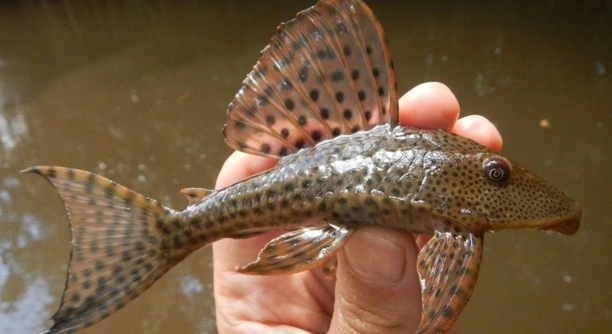
Plecostomus fish, often seen in aquariums, are known for their algae-eating habits. While their behavior can be fascinating, many aquarium owners are curious if these fish enjoy playing with bubbles. Let’s take a closer look.
Plecostomus fish do not exhibit behavior that can be classified as playing with bubbles. Their interactions with bubbles are generally passive, as they may swim through or around them without showing interest in play.
Although Plecostomus fish aren’t known for playing with bubbles, there is more to their behavior than meets the eye. Understanding their habits can help you create a better environment for them in your aquarium.
The Natural Behavior of Plecostomus Fish
Plecostomus fish, commonly referred to as “plecos,” are primarily algae eaters. Their behavior in the aquarium revolves around cleaning surfaces, grazing on algae, and occasionally hiding in dark areas. They are known for their peaceful nature and typically avoid interaction with other fish unless needed for territory. These fish are often seen suctioned to the sides of tanks, making them helpful for controlling algae growth. While plecos are more active during the night, they can still be seen in daylight when searching for food. Their movements tend to be slow and deliberate, which adds a calm presence to the tank.
These fish don’t show signs of curiosity toward bubbles or any form of active play. Instead, they may simply pass through them, uninterested in engaging further. Understanding their natural tendencies helps in adjusting your tank environment to support their needs.
Though plecos don’t interact with bubbles, they can still bring plenty of character to an aquarium. Their unique feeding habits and nocturnal behavior make them interesting to observe, even if they aren’t known for playful activities. Knowing this allows owners to focus on providing the ideal conditions for these creatures.
How Bubbles Affect Plecostomus Fish
Bubbles, commonly introduced into aquariums for decoration or aeration, do not capture the attention of plecostomus fish in any significant way. Most plecos ignore bubbles, seeing them as just part of the environment. However, this doesn’t mean that bubbles are entirely without purpose.
The bubbles serve as a natural filtration method in tanks. As the bubbles rise and pop, they help move the water, increasing oxygen levels and creating water circulation. For plecos, the oxygenated water is essential to their health, though they remain indifferent to the presence of bubbles. While they are not attracted to bubbles, their habitat benefits from them. Providing proper aeration ensures your plecos remain healthy and comfortable.
The primary focus should be on maintaining proper water conditions, including temperature, pH, and water movement. Plecos do not require constant stimulation or entertainment. Their behavior is mainly driven by food and shelter needs. Keeping these factors in check will promote their well-being. Adding a bubble filter is a simple but effective way to ensure that oxygen levels are consistent, and the fish can go about their natural activities without disturbance.
Plecostomus Fish and Tank Setup
Plecos are easy to care for and thrive in a well-maintained tank. They prefer clean, oxygen-rich water with good circulation. A simple air pump or sponge filter can help achieve this. Keeping the water temperature between 72–78°F (22–26°C) is ideal for their comfort. A large tank, preferably 30 gallons or more, is recommended due to their size.
While plecos don’t require special attention to bubbles, they do appreciate clean water. Inadequate water conditions can cause stress, leading to health issues. Ensuring that the tank’s filtration system is working properly is essential for both the fish and the environment. In addition to this, the tank should have hiding spots to make the plecos feel secure.
Even though plecos are relatively low-maintenance, their natural habitat needs to be replicated to keep them happy. Adding driftwood, rocks, and live plants will give them places to hide and graze. This setup also prevents them from becoming stressed or skittish, helping them thrive. The key to a healthy pleco is stable water conditions and a comfortable environment to explore.
The Role of Bubbles in Aquarium Health
Bubbles are often used in aquariums to help with water aeration. While plecos may not interact with the bubbles, the oxygenation they provide is vital for all aquarium inhabitants. They also help with water circulation, which improves overall tank conditions.
While plecos are known for their algae-eating behavior, their need for oxygen-rich water makes bubbles an important part of their environment. Oxygenated water supports better digestion and overall health, ensuring that plecos and other fish in the tank are comfortable. Bubbles, though ignored by the plecos themselves, contribute significantly to maintaining the right balance of water quality.
Adding a bubble filter or air stone to your aquarium is one of the simplest ways to maintain a healthy aquatic environment. It’s especially helpful in tanks with high bioloads, where additional oxygen is required. Since plecos spend much of their time at the bottom of the tank, ensuring the water around them is well-oxygenated supports their natural activities, even if they don’t interact with the bubbles directly.
Plecos and Their Interaction with Tank Decor
Plecos are often seen suctioned to various surfaces in the tank. They enjoy exploring and hiding in different types of tank decor. Rocks, driftwood, and plants are perfect for their natural behavior. These items help mimic their natural environment and provide them with shelter.
The pleco’s attachment to surfaces is not a form of play but a feeding and resting behavior. They will latch onto rocks or glass to graze on algae and find a safe spot to rest during the day. It’s important to provide enough decor to give them both food and security.
Decor items like driftwood can also help maintain proper pH levels in the water, which plecos prefer. Offering a variety of hiding spots makes them feel more secure and less stressed. While they may not interact with bubbles, their relationship with the tank decor is essential for their well-being.
The Impact of Bubbles on Water Quality
Bubbles play a crucial role in maintaining water quality. They help with aeration, promoting a healthy oxygen level in the tank. Even though plecos don’t engage with bubbles, this oxygen boost supports their overall health.
Proper aeration through bubbles also helps to prevent stagnant water, which can lead to harmful bacteria. This circulation ensures that plecos, along with other tank residents, stay in a safe and healthy environment. A properly oxygenated tank contributes to clearer water and healthier fish, ensuring that plecos can go about their natural activities with ease.
Pleco Feeding Habits
Plecos are primarily herbivores, feeding on algae and plant matter. They use their specialized mouths to scrape algae off surfaces like rocks, tank walls, and decorations. A varied diet of vegetables, such as zucchini or cucumber, can also supplement their nutrition.
FAQ
Do plecostomus fish play with bubbles?
Plecostomus fish do not show interest in playing with bubbles. They may swim through them or simply ignore them. Their behavior is more focused on eating algae or resting rather than engaging with bubbles. While bubbles create a nice effect in the tank, plecos are typically indifferent to them.
How can I keep my plecostomus healthy?
To keep your pleco healthy, ensure your tank has clean, oxygen-rich water. They prefer a water temperature of 72-78°F (22-26°C) and a pH of 6.5 to 7.5. Good filtration is crucial, as plecos are sensitive to poor water quality. Adding driftwood and rocks for hiding spots is also important to reduce stress and promote natural behaviors.
Do plecostomus fish need a lot of space?
Yes, plecos grow large and need ample space. A tank of at least 30 gallons is recommended for a single pleco, though larger tanks are better if you have multiple fish. Providing enough space helps to prevent territorial issues and allows the pleco to roam and find food easily.
What do plecos eat besides algae?
Plecos are herbivores and primarily feed on algae. However, they will also eat vegetables like zucchini, cucumber, and spinach. You can supplement their diet with algae wafers or other plant-based foods. Offering a variety of food helps meet their nutritional needs.
Can plecos live with other fish?
Plecos are generally peaceful but can be territorial, especially as they grow larger. They can live with other calm fish, but it’s important to monitor tank conditions. Avoid keeping them with smaller or more aggressive species that may compete for food or space. Always ensure there’s enough room and hiding spots for everyone in the tank.
Do plecos need special lighting?
Plecos do not require special lighting. They prefer low to moderate light, as they are more active at night. Bright lights can cause stress, and plecos may retreat to darker areas of the tank. A standard aquarium light with a light cycle of 10-12 hours is sufficient for them.
Why is my pleco hiding so much?
Plecos tend to be shy and nocturnal, which means they may hide during the day. It’s normal for them to seek shelter, especially if the tank is bright or they feel stressed. If your pleco hides excessively, check the water conditions to make sure they are comfortable. Adding more hiding spots can also help.
How long do plecos live?
Plecos can live anywhere from 10 to 15 years, depending on their care and environment. Ensuring proper water quality, feeding habits, and tank conditions can help them live a long, healthy life. Regular tank maintenance is essential for their longevity.
Do plecos need a filter?
Yes, plecos need a filter to keep the tank water clean and oxygenated. They produce waste that can affect water quality, so a good filtration system is necessary. The filter helps to keep the water circulating, maintaining the appropriate levels of oxygen for the pleco and other fish.
Can plecos eat meat?
Plecos are primarily herbivores, but some may occasionally eat small amounts of meat or protein. However, feeding them too much animal matter can lead to health problems. Stick to a mostly plant-based diet, supplemented with algae wafers and vegetables, to meet their nutritional needs.
What temperature is best for plecos?
Plecos prefer water temperatures between 72-78°F (22-26°C). Keeping the water within this range helps to maintain their metabolism and overall health. Water that is too cold or too hot can cause stress, so it’s important to monitor the temperature regularly.
Can plecos eat fish food?
Plecos can eat fish food, but they should not rely on it as their main diet. Most fish food is formulated for carnivorous or omnivorous species, so it doesn’t meet the specific needs of plecos. It’s best to provide algae-based food, vegetables, or algae wafers for them instead.
Why is my pleco not eating?
If your pleco isn’t eating, check the water quality, as poor water conditions can lead to loss of appetite. Plecos are also sensitive to sudden changes in their environment. Ensure they have access to algae, vegetables, or specialized pleco food. If the problem persists, consider consulting an aquarium expert.
Are plecos good for beginners?
Plecos can be a good choice for beginners, but they require large tanks and clean, stable water conditions. They are low-maintenance in terms of feeding but may need some care to ensure the water quality remains optimal. If you’re a beginner, make sure you’re ready for the responsibility of keeping a larger fish.
Can plecos live without a filter?
While plecos can technically live without a filter, it’s not recommended. A filter helps maintain water quality, especially in tanks with more fish. Without a filter, the water can quickly become polluted, leading to health problems for the pleco and other fish in the tank. Always provide adequate filtration.
Can plecos be kept in a community tank?
Yes, plecos can usually be kept in a community tank with peaceful fish. However, they may become territorial, especially if the tank is too small or lacks enough hiding spots. Larger tanks with plenty of space and hiding spots make for a better environment for community setups.
How often should I feed my pleco?
Feed your pleco once or twice a day, offering small amounts of food that they can consume in 3-5 minutes. It’s important to avoid overfeeding, as plecos can become overweight or suffer from poor water quality if too much food is left uneaten. Always remove excess food after feeding.
Why is my pleco turning brown?
If your pleco is turning brown, it could be a sign of stress or poor water quality. Plecos can also become discolored if they’re not getting enough food or if there are fluctuations in water temperature. Regular water changes and a proper diet can help restore their color.
Can plecos survive without algae?
While plecos rely heavily on algae for food, they can survive without it if provided with an alternative diet. You can feed them algae wafers, vegetables, or even specially formulated pleco food. However, it’s important to continue providing natural algae for them to graze on if possible.
Final Thoughts
Plecostomus fish, while not particularly interactive with bubbles or toys, can make a fascinating addition to your aquarium. Their role in keeping the tank clean by eating algae is beneficial for both the tank’s appearance and overall health. However, it’s important to understand that plecos are not playful creatures like some other fish. Their behavior is mainly centered around feeding, resting, and seeking shelter. While they may not engage with bubbles or decorations in a playful way, they still bring their unique characteristics to the aquarium.
Providing the right environment for plecos is crucial for their well-being. They thrive in tanks that are large enough to accommodate their size and have clean, oxygenated water. A good filtration system is essential, as plecos are sensitive to poor water quality. The addition of plants, rocks, and driftwood can create hiding spots and help replicate their natural environment. These factors will not only make them feel secure but will also encourage natural behaviors, such as grazing on algae or resting in dark corners of the tank. Plecos, like most fish, require stable water conditions and proper care to stay healthy and thrive.
While they may not interact with bubbles or engage in active play, plecos contribute significantly to the overall balance of the aquarium. They help keep the tank clean, which reduces the amount of maintenance needed. Additionally, their calm nature and nocturnal habits make them a peaceful addition to most community tanks. Understanding their needs and setting up the proper tank environment will ensure they remain healthy and comfortable for years. With the right care, plecos can live long, fulfilling lives and provide interest through their unique behaviors and feeding habits.

Hello,
If you enjoy the content that we create, please consider saying a "Thank You!" by leaving a tip.
Every little bit helps us continue crafting quality advice that supports the health, happiness, and well-being of pets around the world, for pets of all shapes, sizes, and species.
We really appreciate the kindness and support that you show us!