
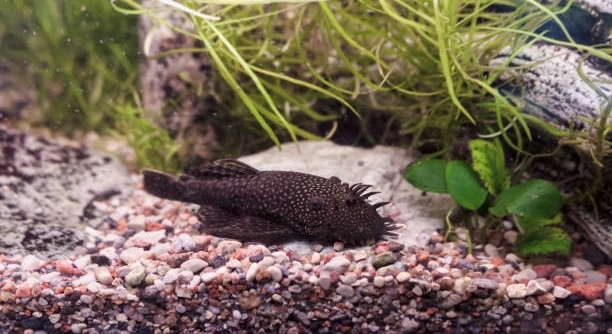
Is your Plecostomus not eating as much as you’d like? You might be wondering how to encourage your fish to eat better. Sometimes, even the healthiest aquarium inhabitants struggle with appetite issues, which can be tricky to fix.
To improve your Plecostomus appetite, consider adjusting their environment, offering a variety of food, and maintaining consistent water quality. Ensuring your fish feels safe and stress-free is also essential for healthy feeding behavior.
In this article, we’ll go over simple yet effective ways to boost your Plecostomus’s appetite. These tips will help you ensure your fish stays healthy and well-fed.
Maintain Stable Water Conditions
Plecostomus thrive in stable, clean water. Any fluctuation in water parameters can lead to stress, causing your fish to eat less. Ensure the water temperature is consistent, ideally between 75°F and 80°F. You should also monitor pH, hardness, and ammonia levels regularly. If these factors are out of balance, your Pleco may not feel comfortable enough to eat.
A water filter is important for keeping water clean and oxygenated, but you must also perform regular water changes. This helps maintain healthy water conditions and reduce waste buildup that can make your Plecostomus feel uneasy. Keep an eye on water parameters to create the most comfortable environment possible.
Invest in a water testing kit to monitor these conditions frequently. Adjustments can be made if any levels fall outside the ideal range. A healthy, stable environment can go a long way in encouraging a Plecostomus to eat more.
Offer a Variety of Foods
Just like any fish, Plecostomus enjoy variety in their diet. While they are primarily herbivores, they also appreciate occasional protein sources. Offering different types of food, such as algae wafers, vegetables like zucchini and cucumber, and occasional live or frozen foods like bloodworms, can stimulate their appetite.
Providing a range of food types keeps them engaged and interested during feeding time. Keep in mind that your Pleco’s preference might change, so you may need to try different foods over time. Changing their meals regularly can make feeding time more exciting and encourage your fish to eat more often.
Offering both plant-based and protein-rich foods will ensure a well-rounded diet, which is essential for your Plecostomus health. Rotate the foods you offer, and pay attention to which types they enjoy most to keep them well-fed.
Reduce Stress
Stress is a major factor that can affect your Plecostomus’s appetite. Factors like overcrowding, aggressive tank mates, and poor water conditions can make your fish feel unsafe. When stressed, Plecos tend to hide and eat less.
Make sure your Plecostomus has enough space in the tank and avoid keeping it with overly aggressive fish. Adding plenty of hiding spots, such as caves or plants, will give them the peace they need. This provides them with a sense of security, which encourages better eating habits. Reducing stress should be a top priority for maintaining healthy feeding.
Adjust the tank setup as needed. If you notice that your Pleco is avoiding food, it could be due to a stressful environment. Keep an eye on tank interactions and ensure that all your aquarium’s inhabitants are compatible. Providing a calm atmosphere will help your Plecostomus feel more comfortable, leading to improved appetite.
Ensure Proper Tank Size
A cramped tank can make a Plecostomus feel restricted and uncomfortable. These fish can grow quite large, so providing them with enough space is essential. Ideally, your Pleco should have at least 75 gallons of water to swim freely.
A larger tank not only gives them more room to move but also helps maintain better water quality. When fish feel crowded, they often become stressed, which negatively impacts their appetite. The right tank size helps them feel secure and reduces the risk of health problems, encouraging better eating habits. Make sure your tank is properly sized for the Plecostomus’s current and future growth.
Investing in a larger tank may seem like a big step, but it’s an essential part of your Plecostomus’s well-being. A spacious environment allows for better water flow, healthier filtration, and fewer territorial disputes, all of which contribute to a happy, well-fed fish.
Monitor Feeding Times
Feeding your Plecostomus at consistent times each day helps them establish a routine. A regular feeding schedule makes it easier for your fish to know when to expect food, which can improve their appetite.
Avoid overfeeding. If food is left uneaten for too long, it can degrade water quality, which can discourage your Pleco from eating. Stick to feeding once or twice a day, depending on the size of the tank and number of inhabitants. Over time, your Plecostomus will begin to associate certain times with food, making it more likely that they will eat.
Consistency can make a big difference in the overall health and feeding habits of your Plecostomus. Monitoring their feeding times and keeping a consistent schedule will not only improve their appetite but also contribute to a healthier tank environment.
Maintain Tank Cleanliness
Clean water is essential for a healthy fish. Regular cleaning of the tank, including the substrate and decorations, helps prevent algae buildup and other waste that can make the water toxic. This is important because dirty water can discourage your Plecostomus from eating.
A clean tank ensures that your Plecostomus feels safe and comfortable, encouraging a better feeding response. Make sure to vacuum the gravel and remove debris every week to maintain water quality. Regular maintenance is crucial in preventing stress and creating a healthy environment for your fish. Clean water promotes better health, which leads to improved feeding habits.
Avoid Overcrowding
Overcrowding the tank can lead to poor water quality and territorial disputes, both of which can negatively impact your Plecostomus’s appetite. It’s important to avoid keeping too many fish in a tank that is too small for them.
Plecostomus require space to swim freely, and overcrowding can increase stress, leading to a loss of appetite. Be sure to calculate the proper stocking level for your tank, and provide plenty of hiding spots for each fish. Keeping a balanced number of tank mates will help your Pleco feel more secure and encourage better feeding habits.
FAQ
Why is my Plecostomus not eating?
There are several reasons why your Plecostomus might not be eating. Stress is one of the main causes, often triggered by poor water conditions, overcrowding, or incompatible tank mates. If the water temperature is fluctuating or ammonia levels are high, your Pleco may avoid food. Additionally, if they feel threatened or unsafe, they will likely hide and reduce feeding.
Another factor could be that they are not getting the right kind of food. Plecostomus are primarily herbivores, and if you’re not offering enough plant-based food, they may not be interested in eating. You may also want to try different types of food, such as algae wafers, to see if they have a preference.
How can I encourage my Plecostomus to eat more?
To encourage your Plecostomus to eat, start by creating a stress-free environment. Ensure your tank is clean, well-maintained, and large enough for them to swim comfortably. Avoid overcrowding and make sure your Pleco has plenty of hiding spots. Reducing stress will make them feel safer, which encourages eating.
Try offering a variety of food types, such as fresh vegetables (like zucchini, cucumber, or spinach) and high-quality algae wafers. Changing the food types regularly can keep your Pleco interested and stimulate their appetite. You can also try feeding at the same time every day to help establish a routine.
Can I feed my Plecostomus too much?
Yes, overfeeding can be a problem. Plecostomus are prone to obesity, which can lead to health issues such as fatty liver disease. Feeding too much can also lead to leftover food in the tank, which can degrade water quality and create an unhealthy environment for your fish. It’s best to feed your Plecostomus just what they can consume in a few hours.
Try offering small portions two or three times a day rather than overfeeding in one sitting. If food is left uneaten, remove it from the tank to prevent waste buildup and keep the water clean. Balancing food amounts is key to maintaining a healthy Plecostomus.
What is the best food for a Plecostomus?
Plecostomus are primarily herbivores, so their diet should consist mainly of plant-based foods. Algae wafers are a great staple, as they provide essential nutrients and mimic the natural algae they would consume in the wild. You can also offer blanched vegetables such as zucchini, cucumber, and spinach.
Occasionally, you can supplement their diet with protein sources like bloodworms or brine shrimp, but it should not make up the majority of their diet. Ensure that the food is sinking, as Plecos tend to eat near the bottom of the tank. Always remove uneaten food to avoid water contamination.
Should I feed my Plecostomus at night?
Plecostomus are nocturnal creatures, meaning they are most active during the night. It’s best to feed them after the lights in the tank are off, as they tend to forage for food when it’s dark. Feeding them at night ensures they have access to food when they’re naturally hunting and grazing.
This doesn’t mean you should feed them exclusively at night, but it’s a good idea to time their feeding around their nocturnal habits. You can also place food in the tank in the evening and allow them to graze throughout the night. Just be sure to remove any leftover food in the morning to prevent water quality issues.
Can a Plecostomus eat too much algae?
While algae is a natural part of a Plecostomus’s diet, it’s possible for them to eat too much if that’s the only food source available. Overconsumption of algae could lead to a lack of essential nutrients, as algae alone doesn’t provide the complete nutrition they need. It’s important to provide a balanced diet with a variety of foods to avoid nutritional deficiencies.
Algae in your tank should be supplemented with fresh vegetables and algae wafers to ensure your Pleco receives a well-rounded diet. It’s also worth noting that too much algae in your tank could indicate an imbalance in water conditions, which can affect your Plecostomus’s health and appetite.
How often should I feed my Plecostomus?
Plecostomus should be fed once or twice a day, depending on their size and the size of the tank. Young Plecos may need more frequent feedings, while adult Plecos can be fed once a day. It’s important to feed them enough to satisfy their hunger without leaving excess food behind.
You can experiment with feeding times to see when your Plecostomus is most active and receptive to food. Keep a consistent schedule so they get used to feeding times, but avoid overfeeding. A good rule is to offer enough food for them to finish in a few hours, then remove any leftover food to prevent water contamination.
Why is my Plecostomus always hiding?
Plecostomus are naturally shy and tend to hide, especially when they’re adjusting to a new tank or environment. However, constant hiding could be a sign of stress, poor water quality, or aggression from other tank mates. It’s essential to ensure that the tank is calm, with plenty of hiding spots like caves or plants.
If your Pleco is hiding all the time, check the water quality, and make sure the other fish in the tank aren’t harassing them. Additionally, review your Pleco’s diet to make sure they are getting enough nutrition. In some cases, an overly stressed or sick Plecostomus may also show signs of hiding.
Final Thoughts
Improving your Plecostomus’s appetite takes a combination of factors, from ensuring clean water to providing a variety of food. Regular maintenance of the tank is crucial. A clean environment with stable water conditions creates a stress-free space for your Pleco. Without the right water temperature, pH, and cleanliness, your Plecostomus may not feel comfortable enough to eat, which could lead to appetite loss. It’s important to test the water regularly and adjust as necessary to maintain an ideal environment.
Offering a range of food options will also keep your Plecostomus interested in eating. While they mainly consume plant matter, including algae wafers and fresh vegetables, occasional protein-rich foods can help provide the nutrition they need. Just remember to avoid overfeeding, as excess food can lead to water pollution and affect the health of your fish. Feeding them at regular times every day can help them develop a routine, which also encourages them to eat more consistently.
Lastly, it’s essential to reduce stress in the tank. Stress can cause a Plecostomus to avoid eating or even hide for long periods. Ensuring that your Pleco has enough space, hiding spots, and compatible tank mates will help alleviate unnecessary stress. It’s also important to be patient and observe their behavior to ensure they’re not suffering from any underlying health issues. With time, the right diet, and a calm, clean tank, your Plecostomus will thrive and eat more regularly.

Hello,
If you enjoy the content that we create, please consider saying a "Thank You!" by leaving a tip.
Every little bit helps us continue crafting quality advice that supports the health, happiness, and well-being of pets around the world, for pets of all shapes, sizes, and species.
We really appreciate the kindness and support that you show us!