
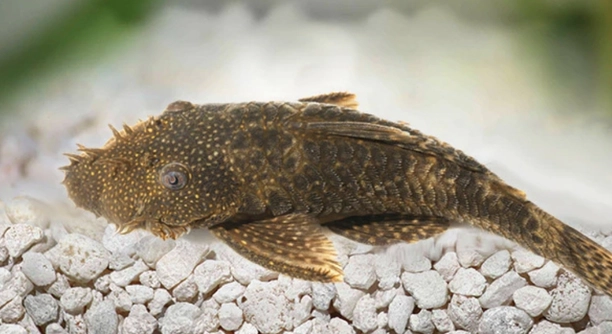
Introducing a pleco to your tank can be a rewarding experience, as these peaceful fish contribute to a healthy aquarium. However, ensuring a smooth transition requires attention to their specific needs and tank conditions.
To introduce a pleco to your tank, first acclimate it by slowly adjusting the water temperature and parameters to match the new environment. This reduces stress and helps the pleco settle in comfortably without causing harm to the tank’s ecosystem.
Proper acclimation and tank preparation are essential for the pleco’s well-being. Ensuring the environment is suitable will contribute to a healthy, stress-free transition.
Preparing the Tank for a Pleco
Before adding a pleco to your aquarium, ensure the tank is properly set up for its needs. Plecos are bottom-dwelling fish, so having a substrate like smooth gravel or sand is ideal. Make sure there are plenty of hiding spots and surfaces to attach to, such as rocks, driftwood, or decorations. This is especially important because plecos enjoy resting against objects to feel secure.
Additionally, make sure the tank size is adequate. A pleco needs a minimum of 30 gallons of water, but larger species may require more space. The water temperature should be between 74-80°F, and the pH should be slightly acidic to neutral (6.5-7.5). Regularly monitor the water quality, as plecos are sensitive to poor conditions, which can affect their health.
It is also important to avoid placing the pleco in a tank with aggressive or overly territorial fish. Ensure that the fish tank inhabitants are peaceful and that there is enough space for everyone. Once the tank is prepared, the pleco will have a better chance of thriving in its new environment.
Acclimating Your Pleco
When you first bring the pleco home, it’s crucial to slowly introduce it to the tank. Avoid dumping the pleco directly into the water. Instead, float the bag in the aquarium for about 15-20 minutes to help the pleco adjust to the temperature.
Gradually add small amounts of tank water to the bag every 5 minutes. This allows the pleco to slowly adjust to the water’s parameters, reducing the chances of shock. After about 30 minutes, you can gently release the pleco into the tank. It may take time for the pleco to explore its new home, so be patient during this process.
Stress can affect a pleco’s health, so it’s important to monitor the fish closely in the first few hours. This is when the pleco is most vulnerable to sudden changes, so providing a calm and stable environment is essential for its well-being.
Monitoring Water Quality
Maintaining the right water quality is crucial for a pleco’s health. Test the water regularly for ammonia, nitrites, and nitrates. Plecos are sensitive to poor water conditions, which can lead to stress and health issues. Keeping the water clean ensures your pleco stays happy and active.
Water changes should be done regularly, ideally every week, to keep it in top condition. When doing a water change, make sure to replace about 25-30% of the water to avoid shocking the pleco. This helps remove waste and maintain healthy levels of essential minerals. Always use a water conditioner to remove chlorine and chloramine.
Keep an eye on the temperature and pH levels. Sudden fluctuations in these can be harmful to your pleco. Using a reliable heater and thermometer will help you maintain a steady environment. Plecos are also sensitive to water hardness, so aim for a hardness level between 4-10 dGH. Regular water monitoring and adjustments will help your pleco thrive.
Pleco Feeding Habits
Plecos are primarily herbivores, but they will also consume small amounts of protein. It’s important to provide a varied diet, including algae wafers, sinking pellets, and blanched vegetables. Plecos love vegetables like zucchini, cucumber, and spinach.
Feeding should happen once a day, and make sure to only give them as much food as they can consume in 2-3 hours. Leftover food can decay and affect water quality. It’s best to remove any uneaten food to avoid water contamination. While plecos are excellent algae eaters, they still need additional food for proper nutrition.
Consider supplementing their diet with driftwood or other natural sources of fiber. This helps them digest food properly and prevents health issues. A well-balanced diet will ensure that your pleco remains healthy and active, contributing to a thriving tank ecosystem.
Tankmates for Your Pleco
Plecos are peaceful fish that can coexist with many other species, but some tankmates are better than others. Ideal companions include tetras, gouramis, and other peaceful bottom dwellers. Avoid placing them with aggressive or territorial fish that may harass them.
If you have other bottom feeders like catfish or shrimp, make sure they have enough space and hiding spots to prevent competition. Large, aggressive fish could also intimidate the pleco, leading to stress. Always observe how tankmates interact, especially during feeding time. Adjust the setup if any issues arise to keep everyone comfortable.
Cleaning the Tank
Regular tank cleaning is essential to maintaining a healthy environment for your pleco. Remove any uneaten food and debris from the substrate to prevent water contamination. A gravel vacuum is a useful tool to clean the bottom without disturbing the pleco too much.
Be cautious when cleaning decorations or plants. Remove algae from decorations, but avoid disturbing the pleco’s favorite resting spots. Keep in mind that plecos can sometimes create a mess while feeding, so regular maintenance will help keep the water quality in check.
Understanding Pleco Growth
Plecos grow quickly, and some species can reach impressive sizes. The most common pleco species can grow up to 24 inches long. Because of this, it’s important to plan for their growth when setting up your aquarium. If your pleco needs more space, consider upgrading your tank size.
FAQ
How often should I feed my pleco?
Plecos should be fed once a day, but it’s important to avoid overfeeding. Offer them as much food as they can consume in about 2-3 hours. Leftover food can lead to poor water quality. On days when they can’t finish all the food, remove the excess to keep the tank clean. It’s also a good idea to feed them at night, as they are nocturnal feeders and may feel more comfortable eating then.
What temperature does my pleco need?
The ideal temperature for a pleco is between 74-80°F (23-27°C). Keeping the water temperature stable is key for their health. Sudden changes in temperature can cause stress, so using a reliable heater is recommended to maintain consistency. Make sure to also monitor the temperature regularly with a thermometer to prevent fluctuations.
Can plecos live with other fish?
Yes, plecos are generally peaceful fish and can live with other non-aggressive species. Good tankmates include tetras, guppies, mollies, and peaceful catfish. However, avoid placing them with aggressive fish or those that may outcompete them for food. Larger fish or territorial species can stress out the pleco, leading to health issues.
Do plecos need a filter?
Yes, plecos benefit from having a filter in their tank. They produce waste, and a filter helps keep the water clean by removing debris and harmful substances. A good filtration system also helps maintain stable water parameters. Choose a filter that is appropriate for the size of your tank and capable of circulating water well.
How big do plecos get?
The size of a pleco depends on the species. Most common plecos, such as the Bristlenose, grow to about 6-8 inches, while larger species like the Common Pleco can reach lengths of 24 inches. It’s important to know the potential size of your pleco so you can ensure your tank is large enough to accommodate its growth.
Why is my pleco not eating?
There are several reasons why a pleco may not eat. It could be due to water quality issues, changes in tank conditions, or stress. Make sure the water temperature, pH, and hardness are within the right ranges. Also, check that there’s enough food available, including algae wafers, blanched vegetables, or sinking pellets. Stress from tankmates or poor hiding spots can also cause a lack of appetite.
Do plecos need driftwood?
Yes, plecos especially love driftwood. It provides both a place for them to hide and a source of fiber that aids in digestion. Driftwood can also help mimic their natural habitat. Some plecos, particularly wood-eating species, will scrape on the wood and feed off the microorganisms that grow on it.
Can plecos live in a tank with high light?
Plecos generally prefer dimly lit environments. While they can tolerate some light, they may get stressed if exposed to bright lighting for long periods. Using floating plants or decorations can create shaded areas in the tank, allowing your pleco to feel more comfortable. You can also adjust the tank light to provide periods of darkness, which is essential for nocturnal creatures like plecos.
How do I keep my pleco’s tank clean?
To keep your pleco’s tank clean, perform regular water changes (about 25-30% of the tank water every week). Use a gravel vacuum to clean the substrate and remove any uneaten food or waste. It’s also important to check the filter regularly to make sure it’s working properly. Keep an eye on the water parameters like ammonia, nitrites, and nitrates to ensure the tank is healthy for your pleco.
Is it normal for plecos to hide during the day?
Yes, it’s completely normal for plecos to hide during the day. Plecos are nocturnal and prefer to rest in dark, quiet spots during the daytime. They are more active at night when the light is off. Make sure there are enough hiding places, such as caves or decorations, to give them a comfortable place to rest.
Do plecos need special care?
Plecos are generally easy to care for, but they do require a stable environment. Regular water changes, good filtration, and a proper diet are essential. It’s also important to keep their tankmates peaceful and avoid overcrowding. They do best in well-maintained tanks where the water quality is consistently good. If you ensure they have the right conditions, plecos can thrive with minimal care.
Final Thoughts
Caring for a pleco in your aquarium can be a rewarding experience. These peaceful bottom-dwelling fish play an important role in keeping your tank clean, especially by eating algae. However, ensuring your pleco’s health requires a bit of effort and attention to detail. Maintaining the right water quality, feeding them properly, and offering plenty of space and hiding spots are key factors that will help your pleco thrive. By preparing your tank well and regularly monitoring its conditions, you can provide a comfortable and stress-free environment for your pleco.
One of the most important aspects of pleco care is water quality. These fish are sensitive to poor water conditions, and without regular maintenance, it can be easy for harmful substances like ammonia, nitrites, and nitrates to build up. Regular water changes, proper filtration, and checking water parameters like temperature and pH will go a long way in keeping your pleco healthy. Keeping the environment clean not only benefits your pleco but also supports the well-being of any other fish in your tank.
Additionally, remember that plecos can grow quite large, and their needs will change as they mature. While they start off small and easy to care for, larger species may need more space and food as they grow. Be sure to plan ahead and choose the right tank size for your pleco’s potential size. Providing a balanced diet that includes algae wafers, blanched vegetables, and occasional protein will ensure your pleco gets all the nutrients it needs. With the right care, your pleco can be a peaceful and beneficial addition to your aquarium for many years to come.

Hello,
If you enjoy the content that we create, please consider saying a "Thank You!" by leaving a tip.
Every little bit helps us continue crafting quality advice that supports the health, happiness, and well-being of pets around the world, for pets of all shapes, sizes, and species.
We really appreciate the kindness and support that you show us!