
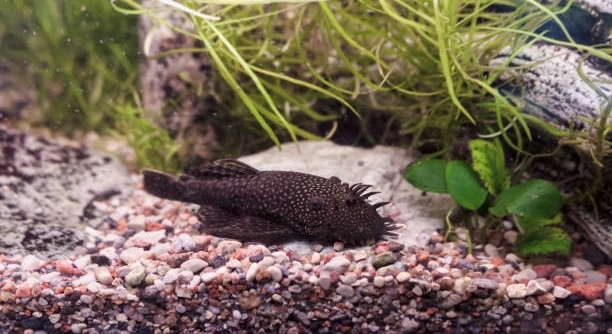
Plecostomus are popular freshwater fish, known for their algae-eating habits and unique appearance. Many fish owners are curious about their behavior, especially their activity patterns. Understanding whether these fish are nocturnal or simply lazy can be important for their care.
Plecostomus are primarily nocturnal, meaning they are most active during the night. Their natural behavior involves feeding and exploring their environment in low light conditions. This is an instinctive trait that helps them avoid predators in the wild.
Understanding the nocturnal habits of Plecostomus can help you provide the best environment for them. Knowing their natural patterns ensures you can accommodate their needs and maintain a healthy aquarium.
Why Do Plecostomus Stay Active at Night?
Plecostomus are naturally nocturnal, a trait that helps them avoid predators. In their native habitats, such as rivers and streams, the cover of night provides safety. These fish prefer low light conditions, which allow them to feed and explore without being as vulnerable to predators. In the wild, their nocturnal habits are essential for their survival. When placed in an aquarium, these habits can sometimes leave owners wondering if their fish are lazy or just following their instincts. Understanding this behavior helps ensure the right environment for the fish.
While it might seem like your Plecostomus is doing nothing during the day, they are simply conserving energy for nighttime activities. They feed on algae and detritus, keeping the tank clean during the night. Their nocturnal nature means they might ignore food during the day but become more active at night, especially when the lights are turned off.
Adjusting your tank lighting or adding areas where your Plecostomus can hide during the day can make them feel more comfortable. Even if they are inactive during the day, their behavior is perfectly normal. Understanding their activity patterns helps you create the ideal habitat for them. When the night comes, your Plecostomus will be up and ready to do its job.
How to Adjust Your Tank for Your Plecostomus
Adjusting the lighting in your tank is key to aligning with the natural behavior of your Plecostomus.
Consider using dim lighting or a timed light cycle that mimics natural day and night transitions. This helps regulate the Plecostomus’s activity. If you provide a dark, quiet space, they will feel secure enough to be more active during the night, just like they would in the wild.
Can You Train Your Plecostomus to Be More Active During the Day?
While you can’t completely change the natural nocturnal behavior of a Plecostomus, you can encourage more daytime activity. It involves adjusting their environment to help them feel secure.
One way to increase daytime activity is by providing more hiding spaces, such as caves or plants. Plecostomus feel safe when they have places to retreat to during the day, and this can reduce their daytime stress. A well-structured tank with plenty of hiding spots may encourage them to explore and move around more during the day.
Another trick is to place food in different parts of the tank. While they prefer eating at night, offering food during the day in small amounts may prompt them to come out of hiding. This won’t change their nocturnal nature, but it can get them moving during daylight hours.
How to Spot Plecostomus Sleep Patterns
Plecostomus sleep during the day, usually in shaded areas or hiding spots. They are less active in bright or well-lit conditions.
During their resting hours, you might notice them staying still, sometimes even attaching themselves to surfaces. This is perfectly normal and part of their natural cycle. They often choose darker areas where they can feel secure. As the light dims, their activity level increases, and they begin their nocturnal routine. Understanding these sleep patterns helps you avoid disturbing them and lets you observe their more active behavior when night falls.
Is There a Difference Between Nocturnal and Lazy Behavior?
It’s important to distinguish between natural nocturnal behavior and laziness. Plecostomus are not lazy; they just thrive in low-light conditions.
Laziness in fish usually means they lack the motivation to move or interact. Plecostomus, however, follow their instincts to stay active at night and rest during the day. This behavior is entirely natural.
How Lighting Affects Plecostomus Activity
Lighting plays a crucial role in regulating Plecostomus behavior. Inadequate or excessive light can disturb their natural cycle.
To mimic natural light patterns, aim for 10-12 hours of light during the day and darkness at night. Providing a dim or shaded area during the day helps Plecostomus feel safe and more likely to move when the lights go off. This simple adjustment can make a big difference in their activity levels.
Should You Provide Additional Food at Night?
Feeding at night can encourage more activity, as Plecostomus are more likely to feed after the lights are off.
Offer small portions of food just before lights go out to align with their nocturnal habits. Keep the tank clean, as they will naturally graze on algae and detritus at night, helping maintain a balanced ecosystem.
FAQ
Are Plecostomus always nocturnal?
Yes, Plecostomus are primarily nocturnal. They are naturally inclined to be more active during the night when it’s safer for them to forage and explore. Their behavior is linked to their need for protection from predators, and this trait is carried over even in captivity.
Can Plecostomus adjust to daytime activity?
While you can’t fully change their nocturnal habits, you can encourage more activity during the day. Providing a dim light environment, adding plenty of hiding spots, and placing food in various areas may entice them to come out more often during daylight hours. However, they will likely remain more active at night.
Do Plecostomus sleep like other fish?
Yes, Plecostomus do sleep, but their sleep patterns are different from those of other fish. They usually rest during the day in dark, secure spots. They can often be seen attached to surfaces or hiding under decorations. Their sleep cycles are triggered by the light and dark periods in the tank.
Can I keep Plecostomus in a tank with bright lights?
Bright lights can make your Plecostomus stressed and less active. They prefer dim or natural lighting conditions to feel safe and secure. A bright tank might cause them to hide more often, limiting their activity. It’s better to mimic a natural light cycle to keep them comfortable.
How can I tell if my Plecostomus is sick or just inactive?
If your Plecostomus is inactive during the day but is active at night, it’s likely just following its natural routine. However, if it seems unusually lethargic at night or refuses to eat, it could be a sign of illness. Look for other symptoms like unusual swimming patterns, skin discoloration, or lack of appetite. If these occur, it might be time to consult a vet.
Do Plecostomus need a lot of space to be active?
Yes, Plecostomus are territorial and need space to move around. A cramped tank can make them stressed and less active. Providing plenty of room along with hiding spots will encourage them to explore more. A 20-gallon tank is a minimum, but larger tanks will help them thrive.
How do I know if my Plecostomus is eating enough?
Plecostomus are often seen grazing on algae and detritus, especially during the night. If you notice them eating from the tank’s surfaces, they are likely getting enough nutrition. You can also supplement their diet with sinking algae wafers, but avoid overfeeding, as excess food can pollute the water.
What should I do if my Plecostomus is not eating at night?
If your Plecostomus is not eating at night, it could be a sign of stress or illness. Check the tank conditions—ensure the water temperature, pH, and filtration system are optimal. Offer food at various times to encourage them to eat, but if they consistently refuse food, it’s best to seek advice from a vet.
Do Plecostomus need to be kept in schools?
No, Plecostomus are solitary creatures and do not need to be kept in groups. In fact, they are quite territorial and might not enjoy sharing space with others of their kind. Providing hiding spots and plenty of space will help keep them comfortable.
How can I improve my Plecostomus’s environment?
To improve your Plecostomus’s environment, provide a well-decorated tank with caves, plants, and driftwood for hiding. A good filtration system is also essential, as Plecostomus produce a lot of waste. Ensuring the tank is clean and properly maintained will help your fish feel safe and reduce stress.
Do Plecostomus need a specific water temperature?
Yes, Plecostomus prefer warm water, typically between 74°F and 80°F (23°C to 27°C). Make sure the tank’s temperature stays within this range to keep them healthy. Avoid rapid temperature changes, as these can stress the fish and make them more prone to illness.
Can Plecostomus live with other fish?
Plecostomus are peaceful and generally get along with other species, especially if they are not overly aggressive. They can live with many community fish, but it’s important to avoid housing them with small, slow-moving fish that might become targets for the Plecostomus’s suction feeding behavior.
How long do Plecostomus live?
In a well-maintained tank, Plecostomus can live for up to 10-15 years. Providing the right care, a suitable tank environment, and proper diet will help them live a long and healthy life. Keep in mind that their lifespan may vary based on water conditions and overall tank care.
What kind of diet do Plecostomus need?
Plecostomus are primarily algae eaters but will also consume detritus and other organic matter in the tank. Supplement their diet with sinking algae wafers, vegetables like zucchini and cucumber, and occasional protein-rich foods like shrimp or bloodworms. This varied diet will ensure they stay healthy and active.
Do Plecostomus need special care during molting?
While Plecostomus do not molt in the same way crustaceans do, they do shed parts of their skin from time to time. This is a natural process and does not typically require special care. However, if you notice excessive shedding or skin issues, it could indicate a health problem that needs attention.
How do I know if my Plecostomus is too stressed?
Signs of stress in Plecostomus include hiding excessively, scratching against objects, loss of appetite, and rapid breathing. Stress can be caused by poor water conditions, overcrowding, or sudden changes in the tank environment. Regular maintenance and a stable, comfortable environment will help reduce stress in your fish.
Final Thoughts
Plecostomus are fascinating fish with distinct nocturnal habits. Understanding that they are not lazy but simply following their natural instincts can help aquarium owners provide the right environment for them. Their preference for low-light conditions and nighttime activity is a key part of their behavior. This means that while they may seem inactive during the day, they are simply conserving energy for their nocturnal routine.
By adjusting lighting, providing ample hiding spots, and offering food at the right times, you can make sure your Plecostomus feels safe and comfortable. These small adjustments can also help encourage some daytime activity, though they will still be more active during the night. It’s important to respect their natural cycles and not expect them to change entirely. Understanding their nocturnal nature ensures you can better care for them, helping them live a healthy and fulfilling life in your aquarium.
In the end, Plecostomus are unique fish that thrive in an environment that mirrors their natural habitat. They do not require special care outside of maintaining proper tank conditions and providing a suitable diet. By observing their behavior and making small adjustments to their tank, you can ensure they stay healthy and active. Keeping in mind their nocturnal habits helps reduce any confusion about their behavior and allows you to create a more enriching environment for them.

Hello,
If you enjoy the content that we create, please consider saying a "Thank You!" by leaving a tip.
Every little bit helps us continue crafting quality advice that supports the health, happiness, and well-being of pets around the world, for pets of all shapes, sizes, and species.
We really appreciate the kindness and support that you show us!