
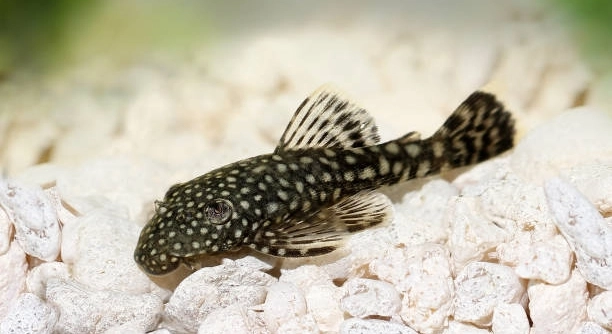
Sometimes it’s hard to know if your pleco is happy in its tank. They don’t express their feelings in ways we easily understand, but certain signs can show if they are uncomfortable in their environment.
If your pleco is stressed or unhappy, it can exhibit signs such as unusual behavior, poor eating habits, or hiding for long periods. These behaviors could indicate that the tank conditions are not suitable for its well-being.
Paying attention to these signs will help you create a healthier and more comfortable environment for your pleco. Understanding their needs can make a big difference in their overall happiness and health.
Hiding More Than Usual
If your pleco starts hiding more than usual, it could be a sign that something in the environment isn’t right. Plecos are naturally shy, but they shouldn’t be staying in hiding all the time. When they retreat into dark corners or spend excessive time behind decorations, it often means they are feeling stressed or unsafe. Stress can come from water quality issues, poor tank mates, or a lack of space.
A pleco that hides all the time might be telling you that it’s uncomfortable with its surroundings. It’s important to check if there are any other signs, such as changes in behavior or physical appearance, that might suggest a larger issue.
If you find your pleco hiding, start by inspecting the water conditions. Make sure the water is clean, the temperature is stable, and the pH levels are appropriate for your pleco. Sometimes, adjusting lighting or reducing noise in the room can also help them feel more secure.
Unusual Eating Habits
If your pleco isn’t eating as it used to, something could be off. A lack of interest in food often points to environmental stress or health issues.
When a pleco refuses food, first check the water quality. Poor water conditions can make a pleco lose its appetite. Temperature and pH imbalances may also contribute to this. Ensure that the tank is properly maintained, and try offering different types of food to see if it’s a matter of preference.
A pleco that’s not eating regularly could also be stressed by aggressive tank mates or lack of hiding spots. Stress from overpopulation or aggression can lead to a pleco becoming too frightened to eat properly. Make sure your tank is appropriately stocked, and your pleco has enough space to feel comfortable.
Aggression from Other Tank Mates
Plecos are generally peaceful fish but can become stressed if there are aggressive tank mates. They might not show obvious signs of aggression, but the stress from an aggressive environment can take a toll. If you notice your pleco is more defensive, swimming away quickly from other fish or showing signs of injury, it could be due to bullying from other tank residents.
In such cases, observe the behavior of your other fish. Some species can be overly territorial and might pick on a pleco if the space is too small. If you suspect aggression, try rearranging the tank or adding more hiding spots for your pleco to escape from potential trouble. This way, your pleco will have more areas to retreat to if it feels threatened.
Adding more plants, caves, or decorations to the tank can also help your pleco feel safe. This allows it to claim a space of its own where it can retreat when necessary. Make sure to monitor the dynamics between your fish to ensure they’re all living in harmony.
Inactive or Lethargic Behavior
If your pleco is spending more time than usual sitting at the bottom of the tank or barely moving, it could be a sign of discomfort. While plecos do enjoy resting, they should still be active at times. A lack of movement might indicate stress, poor water conditions, or illness.
Inactive plecos often experience a drop in energy due to poor water quality or unsuitable temperatures. This might cause them to swim less, retreat to dark corners, or simply rest in one spot for long periods. Over time, this inactivity can lead to health issues if not addressed promptly.
Check the water temperature and make sure it’s in the ideal range for your pleco species. Also, monitor the tank for any signs of algae overgrowth or waste buildup, as these can affect water quality and make your pleco feel sluggish. Keeping the environment clean and stable will encourage better activity levels in your pleco.
Changes in Physical Appearance
Physical changes in your pleco can be a clear indicator that it’s struggling with its environment. If you notice unusual marks, fading colors, or a decrease in its usual shiny appearance, there could be an underlying issue. Such changes can happen for several reasons, including water quality problems, stress, or illness.
A pleco’s colors may fade due to poor water conditions or low levels of oxygen in the tank. Additionally, damaged fins, unusual spots, or swollen areas could signal that your pleco is under stress from parasites or infections. Pay close attention to these signs and address any potential health problems immediately.
To prevent physical deterioration, keep the water clean and test it regularly for ammonia, nitrites, and nitrates. Maintaining stable water conditions can help your pleco retain its natural color and stay healthy. If you see severe changes in appearance, consider consulting an aquarium professional.
Water Quality Problems
Water quality is crucial for a pleco’s health, and poor conditions are a common cause of stress. If your pleco isn’t thriving, water quality should be your first area of focus. High levels of ammonia, nitrites, or nitrates can quickly harm your fish, leading to discomfort and even illness.
Regular water testing is key to maintaining a healthy tank. Ensure that you’re performing partial water changes frequently, especially if your tank is heavily stocked. Poor filtration or overfeeding can also contribute to the buildup of harmful substances, which can stress your pleco.
Make sure that the tank’s filtration system is appropriate for the size of your tank and pleco species. Clean the filter and substrate regularly to remove any buildup of waste. Proper water quality will not only reduce stress but also support your pleco’s overall well-being.
Poor Tank Setup
A poor tank setup can make your pleco feel uncomfortable and stressed. Things like overcrowding, inadequate hiding spots, and improper decorations can cause issues. Plecos need space to swim and places to hide. Without these, they may become agitated.
Make sure your tank has enough room for your pleco to swim freely. Avoid overcrowding, and make sure there are various hiding spots like caves or plants. This provides your pleco with an escape from stress, ensuring it feels secure and happy in its environment. If the setup doesn’t meet their needs, it will show in their behavior.
Overfeeding
Overfeeding can create a dirty tank and poor water quality, which stresses your pleco. Excess food decomposes, releasing harmful chemicals into the water. This can cause health problems for your fish, leading to symptoms like inactivity or hiding.
Feed your pleco only the amount it can consume in a few hours. Remove any uneaten food to keep the water clean and avoid nutrient buildup. This also helps maintain good water quality, so your pleco stays healthy. Overfeeding may seem harmless, but it can negatively impact both your pleco and your tank’s ecosystem.
Incompatible Tank Mates
Incompatible tank mates can cause stress and aggression toward your pleco. If your pleco is constantly being chased or nipped at by other fish, it may withdraw or become sick. Aggressive or territorial fish are not ideal companions for plecos.
It’s important to choose peaceful tank mates that won’t threaten your pleco’s space or health. Make sure the tank is large enough to give each fish plenty of room, and avoid species that are known to be aggressive. This ensures your pleco can live peacefully alongside other fish.
FAQ
What is the ideal tank size for a pleco?
Plecos need plenty of space to grow and move around. A 30-gallon tank is usually the minimum for a small pleco, but larger species may require tanks over 75 gallons. If your pleco is getting too big for the tank, it may feel cramped and stressed. More space allows your pleco to swim freely, reduce aggression from other fish, and feel more comfortable. Be sure to also consider the tank’s height and width, as plecos prefer to have space to move vertically and horizontally.
How often should I clean my pleco’s tank?
Cleaning your pleco’s tank is important, but don’t overdo it. Aim to perform partial water changes of around 20-25% every 1-2 weeks, depending on the tank’s size and stock. Use a gravel vacuum to remove waste from the bottom of the tank. Regular cleaning helps maintain water quality, but over-cleaning can remove too many beneficial bacteria, which can affect the biological filter and tank balance. Be sure to monitor your water parameters regularly to avoid problems with water quality.
What should I feed my pleco?
Plecos are primarily herbivores, so they eat algae, vegetables, and plant matter. You can feed them blanched vegetables like zucchini, cucumber, or spinach. Commercial pleco tablets or algae wafers can also be used to provide essential nutrients. While they’ll munch on algae in the tank, it’s important to supplement their diet with other food sources. Some plecos may also eat small amounts of protein, like shrimp or bloodworms, but a plant-based diet should make up the majority of their intake.
Can plecos live with other fish?
Yes, plecos can live with other fish, but it’s important to choose peaceful tank mates. Avoid placing aggressive or territorial fish with plecos, as they can cause stress. Small, non-aggressive species such as tetras, rasboras, or other community fish tend to coexist well with plecos. Ensure there’s enough space for all fish to thrive and that no species is overcrowding or bullying your pleco. Also, make sure the other fish are not nipping at the pleco’s fins.
How do I know if my pleco is stressed?
Stressed plecos often display signs like hiding more than usual, not eating, or showing changes in physical appearance, such as faded color or damaged fins. If your pleco becomes more lethargic or spends time near the water surface, this could indicate stress. Poor water quality, overcrowding, or incompatible tank mates are common stressors. To reduce stress, ensure the tank conditions are optimal and offer plenty of hiding spaces. If stress continues, further investigation into water quality, temperature, or tank setup is necessary.
What water conditions are best for a pleco?
Plecos thrive in stable water conditions. The temperature should range from 72°F to 78°F, with slightly acidic to neutral pH levels (around 6.5 to 7.5). Ammonia and nitrite levels should be at 0 ppm, while nitrates should remain below 40 ppm. Make sure your filtration system is up to the task, as plecos produce a fair amount of waste, which can impact water quality. Regular water changes and water testing will help maintain the ideal environment for your pleco.
Do plecos need a lot of hiding spots?
Yes, plecos are nocturnal and enjoy having hiding spots to retreat to during the day. Providing caves, plants, and other decorations that allow your pleco to find a space to feel safe is crucial. If they don’t have enough hiding places, they may feel exposed and stressed. Plecos can be quite shy, so offering several options for hiding can help them feel secure. You can add driftwood or rocks for additional places to hide, and this also provides some extra surface area for algae growth, which your pleco may enjoy.
Why is my pleco scraping the sides of the tank?
If your pleco is scraping the sides of the tank, it’s likely trying to eat algae. Plecos are known for their algae-eating habits, and many species will graze on tank surfaces to get a meal. However, if the tank is too clean and lacks sufficient algae, your pleco may be struggling to find food. In such cases, try adding algae wafers or other plant-based food to ensure they get the nutrients they need. Scraping on the glass is a normal behavior, but be sure to watch for any signs of damage to their mouth or skin.
What should I do if my pleco has white spots or lesions?
White spots or lesions on a pleco can indicate a health issue, such as a skin infection or a parasitic problem like white spot disease (Ich). If you notice this, immediately check water quality to ensure that it’s within the appropriate range. For parasites, raising the water temperature slightly (within the recommended range) and using a medicated treatment can help. If the lesions appear to be more than minor, consider isolating the pleco in a quarantine tank and consulting a veterinarian or an aquarium expert for advice on how to treat the condition.
Can plecos live in a tank without a filter?
While it’s possible to keep a pleco in a tank without a filter, it is not recommended. Plecos produce a lot of waste, and without proper filtration, the water quality will deteriorate quickly, leading to harmful levels of ammonia and nitrates. A good filtration system helps maintain clean water and provides the oxygen needed for both the pleco and any other fish in the tank. If you do choose to go without a filter, you will need to perform water changes more frequently to maintain safe water conditions.
Final Thoughts
Understanding the signs that your pleco isn’t happy in its environment is key to keeping it healthy. Plecos are generally hardy fish, but they do need proper care to thrive. If you notice your pleco hiding more than usual, showing changes in its appearance, or behaving differently than normal, it’s a good idea to evaluate the conditions in the tank. The water quality, tank size, and tank mates all play a big role in your pleco’s well-being. Making sure the environment is right for your pleco can prevent stress and help it live a longer, healthier life.
Addressing these issues early on is important. If your pleco’s behavior changes, don’t wait too long to make adjustments. Check water parameters, such as temperature, pH, and ammonia levels, to ensure the tank conditions are ideal. Make sure there are enough hiding spots and that your pleco is not being bullied by other fish. These changes can make a big difference in how your pleco feels and behaves. A healthy pleco is a happy pleco, and when its needs are met, it will show fewer signs of stress and more active, natural behaviors.
Caring for a pleco requires attention, but it doesn’t have to be complicated. By keeping the water clean, feeding the right foods, and providing a comfortable, safe space, your pleco will be much happier. Regular maintenance and monitoring are essential to catch any issues early. Remember, small changes to the tank setup or feeding routine can lead to big improvements in your pleco’s health. With proper care, your pleco can thrive and bring beauty to your aquarium for years to come.

Hello,
If you enjoy the content that we create, please consider saying a "Thank You!" by leaving a tip.
Every little bit helps us continue crafting quality advice that supports the health, happiness, and well-being of pets around the world, for pets of all shapes, sizes, and species.
We really appreciate the kindness and support that you show us!