
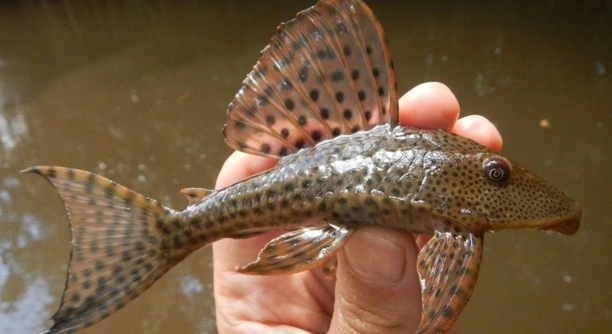
If you’re wondering why your pleco isn’t coming out during the day, you’re not alone. Many pleco owners experience this behavior and wonder what could be causing it.
Plecos are nocturnal creatures, which means they are naturally more active at night. During the day, they tend to hide in caves, plants, or other quiet spots to avoid the light and rest.
Understanding your pleco’s natural behaviors will help you create an environment where they feel safe and comfortable.
Plecos’ Natural Behavior
Plecos are nocturnal by nature, which means they prefer to stay hidden during the day and become active at night. In their natural habitat, they live in dark, quiet spaces where they can avoid predators. Your pleco’s hiding behavior is likely just a sign that it’s following its instinct to rest and avoid the bright light in your tank. This behavior is especially noticeable in the daytime when most aquariums are well-lit, which can cause your pleco to retreat into the shadows or find a quiet corner to rest. While it might seem like something is wrong, it’s actually completely normal for these fish to be more active after the lights go down. Understanding this will help you realize that your pleco is just following its natural rhythm.
During the day, your pleco’s hiding spots might be dark caves, plants, or even decorations within the tank.
By adjusting the tank setup, you can make the space more appealing to your pleco and give it a chance to feel more secure.
Tank Lighting and Environment
Lighting plays a big role in how comfortable your pleco feels. Bright lights can stress out these fish, causing them to hide more often during the day. Plecos thrive in low-light environments, so reducing the brightness or using a dimmer light can help them feel more at ease. If your aquarium is too bright, try using soft, indirect lighting to mimic the conditions they would experience in the wild. It’s also important to provide plenty of hiding spots where your pleco can retreat when it feels threatened or needs a rest. The more secure it feels in its environment, the more likely it is to come out during the day.
Keeping the lighting low helps create a stress-free atmosphere for your pleco, encouraging it to feel more comfortable.
Additionally, consider adding caves or plants in the tank. These additions can provide shelter and make your pleco feel more at home.
Water Conditions
Your pleco’s behavior could be linked to water quality. These fish are sensitive to changes in their environment, and poor water conditions can make them more likely to hide. If the water is too warm, too cold, or has an improper pH level, it can stress them out. Test your tank’s water regularly to ensure it falls within the recommended range for plecos. They prefer slightly acidic to neutral water and temperatures between 72-78°F (22-26°C). Poor water conditions not only affect their behavior but their overall health as well.
Regular water changes are crucial to maintain a clean and healthy environment for your pleco. Stagnant or polluted water leads to stress, which might cause your pleco to retreat more often.
Investing in a good water filter can also help maintain steady water conditions. The cleaner and more stable the environment, the more likely your pleco will feel comfortable enough to swim around during the day.
Tank Size
A tank that is too small can stress your pleco out, leading it to hide more often. Plecos grow large and need ample space to feel comfortable. If the tank is too crowded or lacks enough room to swim, it might seek refuge in hiding spots. A general guideline is to provide at least 30 gallons of water for a single pleco. This allows them to swim freely and find a safe spot without feeling cramped. Overcrowding the tank with other fish can also contribute to stress, so keep the number of inhabitants in mind.
Plecos are bottom dwellers, meaning they prefer the lower levels of the tank. They also need places to hide, such as caves or plants, to feel secure. When setting up your tank, aim to offer these fish a comfortable and spacious environment. The more room they have, the less likely they are to feel stressed.
By providing a larger tank, you not only give your pleco more freedom but also improve its chances of staying healthy and active throughout the day. Proper tank size is essential for ensuring that your pleco thrives in your aquarium.
Diet and Feeding Habits
Your pleco’s diet could affect its activity levels. If they’re not being fed enough or their food isn’t nutritious, they may hide more during the day. Plecos are herbivores, and they need a balanced diet consisting of algae, vegetables, and occasional supplements. Without proper nutrition, they may become lethargic.
Ensure you’re offering a variety of foods, such as blanched zucchini, spinach, and algae wafers. These foods provide essential nutrients and encourage your pleco to be more active during the day. Feeding your pleco at the right time, typically in the evening, also ensures they get the nutrition they need without feeling stressed.
Tankmates
Plecos can be shy around other fish, especially if they are territorial or aggressive. Tankmates that are too active or nippy can cause your pleco to hide more often. It’s important to choose peaceful tankmates for your pleco. Avoid overly aggressive fish that might stress it out.
Aggressive fish, such as cichlids or certain tetras, might cause your pleco to stay hidden, reducing its daytime activity. Fish that are less likely to cause stress, such as mollies or peaceful community fish, are better companions.
Stress Factors
Stress is one of the leading causes of hiding in plecos. Sudden changes in their environment, such as new tankmates, loud noises, or frequent tank disturbances, can make them anxious. They are sensitive creatures and may seek shelter to escape from the stress.
Maintaining a stable, quiet environment will help keep your pleco calm. Minimize sudden changes in the tank, such as rearranging decorations or introducing new fish too frequently.
FAQ
Why is my pleco hiding all the time?
Plecos are naturally nocturnal, so they prefer to stay hidden during the day and become more active at night. It’s completely normal for them to seek shelter in caves, plants, or decorations. As long as your pleco is eating well and the water conditions are right, this behavior isn’t something to worry about. Make sure your tank has plenty of hiding spots, and consider reducing the light to help your pleco feel more comfortable.
Should I be concerned if my pleco hides for days?
It’s possible that your pleco could be hiding due to stress or poor water quality. However, if it only hides for a few days, there’s no need to panic. Monitor the water parameters like temperature, pH, and ammonia levels. If everything is stable, your pleco is likely just following its natural behavior. If hiding continues for a long period, consider checking for any signs of illness or injury, as this could be a reason for their retreat.
How can I get my pleco to come out during the day?
One way to encourage your pleco to be more active during the day is to reduce the light intensity in the tank. Plecos prefer dim lighting, as they are naturally used to low-light environments. You can also make sure there are plenty of hiding spots in the tank, but also allow open spaces for the pleco to swim and feel secure. Lastly, keep the tank’s water quality stable and ensure the temperature is within the right range.
Can I change my pleco’s behavior with feeding habits?
Yes, the feeding schedule can influence your pleco’s behavior. While plecos are generally nocturnal, feeding them in the evening or at night can encourage them to come out and be more active during those hours. Make sure you offer them a balanced diet with algae wafers, vegetables like zucchini, and occasional protein-rich foods. If your pleco isn’t eating well, it may retreat more frequently, so a consistent feeding routine can make a difference.
How do I know if my pleco is stressed?
Signs of stress in plecos include excessive hiding, a lack of appetite, rapid gill movement, or an unusual swimming pattern. If your pleco is suddenly hiding more than usual or appears lethargic, check for possible stress factors. This could include aggressive tankmates, high light intensity, poor water quality, or sudden changes in the tank environment. Stress can also lead to illness, so it’s important to address the root cause as soon as possible.
Why is my pleco not eating?
If your pleco isn’t eating, the issue could be related to water quality, temperature, or tankmates. Stressful environments or aggressive fish can cause a pleco to lose its appetite. Ensure the water temperature is within the recommended range (72-78°F or 22-26°C) and check for any signs of ammonia or nitrate build-up. Sometimes, a pleco may refuse food if it’s not comfortable in its environment. Make sure you’re offering a variety of foods, including algae wafers, vegetables, and supplements.
Do plecos need a lot of space?
Yes, plecos require a larger tank because they can grow quite large. A tank that is at least 30 gallons is recommended for a single pleco. If the tank is too small, your pleco may feel cramped, leading to stress and excessive hiding. A larger tank provides more room for the pleco to swim and find a safe place to hide, which is crucial for its well-being.
Can plecos live with other fish?
Plecos can live with other peaceful fish, but you should avoid aggressive or territorial species. Tankmates such as mollies, guppies, or tetras generally coexist well with plecos. However, avoid placing them with fish that might nip at their fins or invade their space. If your pleco is hiding more than usual, check to see if its tankmates are causing stress.
What type of hiding spots do plecos prefer?
Plecos are bottom dwellers, so they enjoy hiding in caves, between rocks, or under driftwood. They feel secure in dark, shaded spaces where they can rest during the day. Adding a few caves or hiding spots in the aquarium can help your pleco feel more comfortable and reduce stress. Providing a variety of hiding places will give your pleco the option to choose where it feels safest.
Can I use decorations to help my pleco feel safe?
Yes, decorations like rocks, caves, and plants can provide the privacy and security your pleco needs. Plecos naturally prefer areas where they can hide from bright lights and potential predators. You can add driftwood, flat stones, or cave structures to create natural hiding spots. Be sure that the decorations are smooth, as sharp edges can injure your pleco.
How often should I change the water for my pleco?
Regular water changes are important for maintaining a healthy environment for your pleco. Aim to change 20-30% of the water every two weeks, but if your tank is heavily stocked or the water quality drops quickly, more frequent changes might be necessary. Keeping the water clean and stable is key to preventing stress and ensuring the well-being of your pleco.
Why does my pleco swim upside down?
Swimming upside down could indicate a health issue, such as a swim bladder disorder, or it could be a sign of stress. If the behavior is unusual and persistent, it’s a good idea to check the water quality and make sure your pleco is eating well. In some cases, plecos may swim upside down temporarily if they are stressed or disoriented. If the problem persists, consider consulting a veterinarian.
Final Thoughts
Plecos are fascinating fish that follow a natural behavior of hiding during the day and becoming more active at night. While it can be concerning when your pleco spends most of its time hidden, it is typically a sign that your fish is simply following its instinct. These fish prefer low-light conditions and quiet, secure spaces where they feel safe. If your pleco hides during the day, it is likely just trying to rest, as this is the time it would naturally be less active in the wild. Therefore, a pleco’s hiding behavior is generally not a cause for alarm unless it is accompanied by other signs of stress or illness.
However, there are certain factors that can contribute to a pleco hiding more than usual. Poor water quality, an overcrowded tank, aggressive tankmates, and even stress from changes in the environment can all affect your pleco’s activity. Ensuring that your pleco’s tank is properly maintained with stable water conditions, adequate space, and peaceful tankmates will help to reduce stress and promote healthier behavior. It’s also important to provide appropriate food and hiding spots that cater to your pleco’s natural preferences. By creating a comfortable and stable environment, you can encourage your pleco to feel secure enough to swim out during the day.
If your pleco continues to hide or shows other signs of distress, such as a lack of appetite or abnormal swimming patterns, it may be time to reassess the tank setup. In some cases, this could indicate an underlying issue like poor water quality, illness, or stress from tankmates. Keep an eye on your pleco’s behavior and health, and don’t hesitate to consult an expert or veterinarian if needed. Overall, plecos are resilient fish that thrive in a calm, well-maintained environment, and with a little care, they will feel comfortable enough to come out and show off their unique personality.

Hello,
If you enjoy the content that we create, please consider saying a "Thank You!" by leaving a tip.
Every little bit helps us continue crafting quality advice that supports the health, happiness, and well-being of pets around the world, for pets of all shapes, sizes, and species.
We really appreciate the kindness and support that you show us!