
Plecos are fascinating fish that bring personality and beauty to any aquarium. They come in many varieties, each with unique colors and patterns, making them an attractive addition to your tank.
There are several lesser-known pleco breeds that are just as beautiful and unique as their more famous relatives. These lesser-known species offer distinct traits, such as interesting color patterns and varied temperaments, which make them exciting for aquarium enthusiasts.
These cool breeds of plecos can add a whole new level of interest to your tank. You may be surprised by their unique features and care needs.
1. L134 Leopard Frog Pleco
The L134 Leopard Frog Pleco is a striking species with vibrant yellow and black spots, resembling a leopard’s coat. This pleco is small in size, typically growing to about 4 inches. It’s often favored by aquarists for its bold patterns and peaceful nature. The L134 prefers to live in caves or under driftwood, making it an ideal choice for aquariums with plenty of hiding spaces. These plecos do well in slightly acidic water with a temperature range of 74–80°F.
While this pleco doesn’t require extensive care, it’s important to ensure that its diet is rich in plant matter. The L134 enjoys eating algae, but supplemental food like sinking pellets or blanched vegetables is essential for its well-being. Their nocturnal behavior also makes them fascinating to watch during the evening hours.
These plecos also help maintain the cleanliness of your tank, as they consume algae and other organic material. If you’re looking for a colorful yet low-maintenance pleco, the L134 Leopard Frog Pleco is a great choice.
2. Gold Nugget Pleco
The Gold Nugget Pleco is another standout pleco species, known for its unique golden spots against a dark body. Growing up to 6 inches, this pleco makes a great addition to larger tanks with plenty of hiding spots.
Gold Nugget Plecos are primarily nocturnal and prefer slow-moving water. They thrive in aquariums that mimic their natural habitat, which is typically rivers in South America. Their striking appearance, with gold spots that look like precious nuggets, makes them popular in aquariums.
These plecos have specific water needs and should be kept in soft, slightly acidic water with temperatures around 75–80°F. They are also a bit more sensitive to water conditions, so regular maintenance is important. Gold Nugget Plecos will help control algae growth but should also be fed a variety of foods, including vegetables and sinking pellets to ensure they receive a balanced diet.
3. Blue Phantom Pleco
The Blue Phantom Pleco is known for its blue-green coloration and sleek body. It’s a peaceful, shy fish that prefers hiding among rocks or driftwood in your aquarium. This species grows to around 6 inches in length and requires a bit more attention to water quality.
This pleco prefers well-oxygenated water with a temperature range of 75–80°F and slightly acidic to neutral pH. The Blue Phantom is best kept in larger tanks with plenty of hiding places. A well-maintained environment will keep it healthy and happy. Like most plecos, it is nocturnal, becoming active after lights go out.
While the Blue Phantom Pleco helps control algae, it will also need a varied diet to stay healthy. In addition to algae wafers, feed it sinking pellets, and occasional blanched vegetables like zucchini. They appreciate a bit of wood in their tank, as they sometimes graze on it for added nutrients.
4. Queen Arabesque Pleco
The Queen Arabesque Pleco is another eye-catching species, characterized by its distinctive white and black markings. This fish typically reaches 4–5 inches and is quite peaceful, making it a good choice for community tanks. It does well in soft, slightly acidic water.
This pleco thrives in tanks that offer plenty of hiding spots and driftwood. They are nocturnal and tend to be more active after dark. The Queen Arabesque is a slow grower, but with proper care, it can live for many years. Maintaining water quality is crucial, as these plecos are sensitive to changes in water chemistry.
For their diet, provide a mix of algae, sinking pellets, and occasional vegetables like cucumber or spinach. These plecos are not as hardy as some other species, so keeping an eye on the water conditions and diet is important. Their beautiful patterns and peaceful nature make them a unique addition to your aquarium.
5. Snowball Pleco
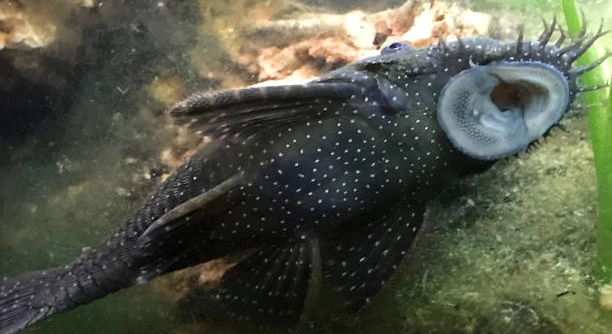
The Snowball Pleco has a unique white speckling pattern on its dark body, resembling a snowstorm. This species typically grows to 4–5 inches and prefers a peaceful environment with other non-aggressive fish. It thrives in soft, slightly acidic water.
Snowball Plecos are mostly nocturnal and like hiding in caves or under driftwood during the day. Their diet includes algae, sinking pellets, and occasional vegetables. They also enjoy grazing on wood to meet their nutritional needs. This species is a bit sensitive to water quality, so regular maintenance is key to keeping them healthy.
6. Vampire Pleco
Vampire Plecos are known for their distinctive, dark appearance and sharp, vampire-like teeth. They can grow up to 8 inches in length, making them ideal for larger tanks. This pleco is mostly peaceful but can become territorial with other plecos.
Vampire Plecos are nocturnal and prefer hiding in caves or crevices. They thrive in tanks with clean, warm water, typically between 75–80°F. They are primarily algae eaters, but also enjoy sinking pellets and blanched vegetables to supplement their diet. Providing wood in the tank is essential for their well-being, as they need it for both grazing and hiding.
FAQ
1. What is the best tank size for plecos?
The best tank size for plecos depends on the species. Smaller plecos, like the L134 Leopard Frog Pleco, can live comfortably in a 20-gallon tank, while larger species, such as the Vampire Pleco, require a tank of 50 gallons or more. It’s essential to consider the full adult size of the pleco before choosing a tank. Plecos are also active swimmers, so providing enough space for them to move around is crucial.
A larger tank allows for a more stable environment, which is especially important for plecos that are sensitive to water changes. Also, keep in mind that plecos often enjoy hiding, so having a tank with ample decorations such as driftwood, caves, or rocks will help them feel secure.
2. How do you care for plecos in an aquarium?
Caring for plecos is fairly straightforward, but it does require attention to water quality and diet. Ensure the water temperature is within the ideal range for the species you’re keeping, usually between 74°F and 80°F. Maintain slightly acidic to neutral pH levels and monitor hardness regularly.
Plecos are bottom dwellers, so it’s important to provide hiding spots and plenty of surface area for algae growth, which they often graze on. You should also offer a varied diet that includes sinking pellets, blanched vegetables, and sometimes protein-rich foods. Regular water changes are vital for keeping plecos healthy, especially since they produce a lot of waste.
3. Can plecos live with other fish?
Yes, plecos can live with many other fish, as long as the tank mates are peaceful and not overly aggressive. Plecos tend to be shy and may retreat to hiding places during the day, so they generally do well in community tanks with other non-aggressive species.
However, avoid keeping multiple plecos in the same tank, as they can become territorial. Also, some species of plecos, such as the Vampire Pleco, might not get along with other plecos or fish that look similar. Be sure to select tank mates that are compatible in terms of size and temperament.
4. What do plecos eat?
Plecos are omnivores, which means they eat both plant and animal matter. In the wild, they graze on algae, detritus, and small invertebrates. In an aquarium, it’s important to provide a well-rounded diet to ensure they get all the nutrients they need.
Most plecos will eat algae, but they also require supplemental food like sinking pellets or wafers, which are specially formulated for bottom feeders. You can also offer blanched vegetables such as zucchini, cucumber, and spinach. It’s important to provide a balanced diet because a lack of variety can lead to health problems for your pleco.
5. How often should you feed plecos?
Plecos typically need to be fed once a day, but this can vary depending on the species and the size of the pleco. Smaller plecos may only need to be fed every other day, while larger plecos will require more food. The key is to avoid overfeeding, as uneaten food can lead to poor water quality.
You should feed your pleco at night since they are primarily nocturnal. Drop the food in the tank after the lights are off and give it time to graze. Always remove any uneaten food in the morning to prevent it from decaying and affecting the water quality.
6. Are plecos good for cleaning tanks?
While plecos can help keep algae under control, they are not a complete solution for tank cleaning. Plecos are known for eating algae and organic matter, but they cannot clean the entire tank. They typically target algae on surfaces like glass, decorations, and plants, but they don’t remove all algae or debris.
In addition to their algae-eating habits, plecos need a balanced diet, and they shouldn’t be relied upon as the sole means of tank cleaning. Regular maintenance, such as water changes and substrate cleaning, is necessary to keep the tank in optimal condition.
7. How long do plecos live?
The lifespan of a pleco depends on the species, but many can live for 10 to 15 years with proper care. Smaller plecos, such as the L134 Leopard Frog Pleco, tend to have shorter lifespans, while larger plecos, like the Vampire Pleco, can live for much longer.
Factors that influence a pleco’s lifespan include water quality, diet, and overall tank conditions. Plecos that are well-maintained in a stable environment with proper care tend to live longer, healthier lives. Regular water changes, appropriate tank size, and a varied diet are key to their longevity.
8. How do you breed plecos in an aquarium?
Breeding plecos in an aquarium can be challenging, as different species have varying requirements. However, most plecos breed in caves or other sheltered spaces. You’ll need to provide a separate breeding tank with the right conditions, including slightly warmer water temperatures and stable water chemistry.
To encourage breeding, ensure that your plecos have plenty of food, including high-quality sinking pellets, vegetables, and live foods. Some species, such as the L134 Leopard Frog Pleco, may require a rainy season simulation with slight changes in temperature and water parameters to trigger breeding behavior. Patience and the right environment are key when attempting to breed plecos in captivity.
9. Why are plecos sometimes aggressive?
Most plecos are peaceful, but some species, especially larger ones, can become territorial. Plecos like the Vampire Pleco or the Gold Nugget Pleco may display aggression toward other fish or plecos if they feel their space is being invaded.
Aggression can also result from improper tank conditions, such as overcrowding or lack of hiding spaces. To avoid aggression, ensure that your plecos have enough space, hiding spots, and appropriate tank mates. Keep an eye on their behavior, especially during feeding times, to prevent conflicts.
10. Can plecos live without wood in their tank?
While plecos can technically live without wood in their tank, it is not ideal. Many plecos, especially species like the Blue Phantom Pleco, graze on wood to obtain necessary nutrients. Wood in the tank also provides a sense of security and a hiding spot for these shy fish.
Providing driftwood or other types of wood in the tank is essential for the health and well-being of many plecos. It not only gives them a place to hide but also helps them maintain their diet and natural behaviors.
Final Thoughts
Plecos are a great choice for aquarium owners who are looking to add a unique touch to their tanks. With their variety of colors, patterns, and sizes, there is a pleco for almost every kind of aquarium setup. Whether you’re looking for a small pleco, like the L134 Leopard Frog Pleco, or a larger species like the Vampire Pleco, each one brings its own charm and character to your aquatic environment. These fish are not only beautiful but also help keep your tank clean by eating algae and other organic materials.
However, it’s important to remember that plecos have specific care needs. They require a stable environment with proper water quality, temperature, and pH levels to thrive. Some species, such as the Gold Nugget Pleco, are a bit more sensitive to water conditions, so regular water changes and monitoring are essential. Additionally, while plecos can help with algae control, they should not be relied on as the sole cleaning method for your tank. A balanced diet, including sinking pellets, vegetables, and wood for grazing, is also crucial to keep them healthy and active.
Plecos are generally peaceful fish, but they can become territorial, especially in smaller tanks or when housed with other plecos. Giving them enough space and hiding spots in the tank can help prevent aggression. With the right care and attention, plecos can live for many years, making them a rewarding fish to keep in your aquarium. By selecting the right species for your tank and ensuring their needs are met, you’ll be able to enjoy these fascinating fish for years to come.

Hello,
If you enjoy the content that we create, please consider saying a "Thank You!" by leaving a tip.
Every little bit helps us continue crafting quality advice that supports the health, happiness, and well-being of pets around the world, for pets of all shapes, sizes, and species.
We really appreciate the kindness and support that you show us!