
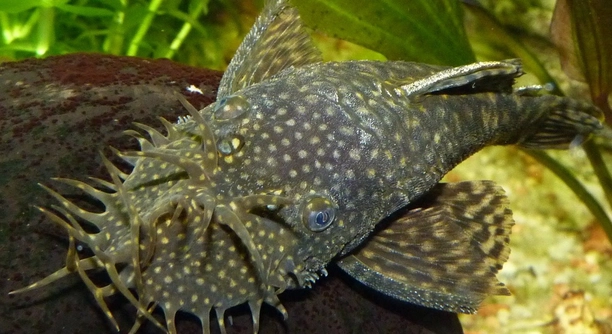
Have you ever kept a plecostomus in your aquarium but found yourself unsure about when to feed it each day?
Feeding a plecostomus at random times is not recommended, as consistency helps regulate its digestive health and supports natural feeding behavior, especially for nocturnal activity patterns observed in many pleco species.
Understanding your pleco’s needs can lead to a more stable and stress-free environment, helping it thrive in your care.
Why Feeding Time Matters for Plecostomus
Plecostomus, often called plecos, are bottom-dwelling fish that usually eat at night. Sticking to a regular feeding schedule helps support their natural behavior. Random feeding times can confuse them and disrupt their daily rhythm. Over time, this may affect their digestion and lead to unnecessary stress. By feeding them consistently, you allow their body to adjust to a cycle that matches their instincts. It’s also easier for you to monitor how much they eat and spot any changes in their appetite. This can be helpful in noticing early signs of illness. Since plecos often feed when the lights are off, offering food just before or after turning the lights off in the evening works best. Keep portions steady and watch for leftovers, as uneaten food can harm water quality. A simple schedule makes things easier and keeps your pleco healthy and content in your tank.
Feeding your pleco at random times can lead to confusion, missed meals, and a decline in overall health over time.
Establishing a clear schedule is not hard and doesn’t require major changes to your routine. It just means picking a consistent time in the evening to drop in their food. Over time, your pleco will start to expect food and be ready to eat.
Signs Your Pleco Is Not Eating Properly
If your pleco isn’t eating well, it may become less active or hide more than usual. You might also notice it ignoring food or leaving it untouched for long periods. Sometimes, weight loss or a thinner body can appear over time.
Random feeding often makes it harder to tell if your pleco is eating enough. They might miss meals simply because they’re not active during the times you feed them. This can lead to weaker immune systems and slower growth. Some owners don’t notice right away, especially since plecos are quiet and tend to stay out of sight. A proper feeding routine helps keep them on track and makes it easier for you to notice issues. If your pleco starts acting differently, it’s easier to respond when you know what its normal habits are. Also, overfeeding by mistake becomes less likely when you stick to a regular schedule. Uneaten food from poorly timed feedings often settles and decays, lowering water quality. That can create a harmful environment, not just for the pleco but for other fish in the tank as well. Keeping things consistent supports better care for your whole tank.
How to Set a Feeding Schedule for Your Plecostomus
Feed your plecostomus once a day, preferably in the evening when lights are dim or just turned off. This matches their natural behavior and encourages them to eat properly without feeling stressed or out of sync with their environment.
Start by choosing a specific time in the evening that works for you and stick to it. Plecos are most active at night, so giving them food when the tank gets dark helps them feel safe while eating. Use sinking algae wafers or fresh vegetables like zucchini or cucumber slices, since they prefer food that rests on the tank bottom. Remove uneaten food after a few hours to keep the water clean. Once you get into a rhythm, it becomes easier to notice if they skip meals or eat less than usual. A set routine makes feeding less of a task and more of a habit, for both of you.
Even if you miss the exact time occasionally, try to stay close to your usual schedule. A consistent window helps them stay regulated and reduces the chance of uneaten food building up. If your schedule changes, slowly adjust the feeding time over several days rather than making a sudden switch. This helps your pleco adapt without stress. It also helps avoid digestive issues that can come from irregular feeding patterns. Keep portions reasonable, especially if your pleco shares a tank with other fish. This makes it easier to track who is eating what. If you’re using fresh vegetables, blanch them lightly before adding them to the tank so they’re soft enough to eat. A simple feeding routine, repeated daily, can make a big difference in your pleco’s long-term health.
What to Feed Along With a Schedule
A balanced diet helps plecos stay healthy. Along with algae wafers, add vegetables like cucumber, zucchini, or spinach. Blanch them first so they’re soft. Offer these a few times a week for variety and extra nutrients.
Driftwood is important for many plecos, especially wood-eating types. It helps their digestion and provides something to chew on. Check if your pleco species needs it and keep a piece in the tank at all times.
Common Mistakes to Avoid
Feeding too much is a common problem. Plecos are slow eaters, so leftovers can sit unnoticed. This can hurt water quality and make the tank dirty. Use only the amount they can finish in a few hours. Uneaten food should always be removed afterward. Also, avoid feeding during the day when they are less active. They may ignore the food, and you won’t know how much they’re actually eating. Another mistake is offering only one type of food. Mix things up to support their health. Keep a routine, adjust as needed, and always watch how your pleco responds.
Night Feeding Tips
Use a timer for your aquarium light to create a regular day-night cycle. Feed after lights go off, when your pleco is most active. This helps build a strong routine.
FAQ
How often should I feed my plecostomus?
Feed your plecostomus once a day, usually in the evening, when they are most active. Stick to a consistent schedule, and don’t overfeed. It’s better to offer a small amount that can be consumed in a few hours, rather than leaving food in the tank for too long. Overfeeding can lead to dirty water and health problems for both the pleco and any other fish in the tank.
Can I feed my pleco during the day?
Plecos are nocturnal and prefer to eat when the lights are off. While they may eat during the day, they are less likely to be active and may ignore the food. It’s best to feed them in the evening, ideally just before or after the lights go off, to match their natural feeding habits. This will ensure they get the most nutrition from their meals.
What types of food should I give my plecostomus?
Algae wafers are a staple food for plecos, as they are specifically designed for bottom feeders. You can also offer fresh vegetables like zucchini, cucumber, or spinach, but make sure to blanch them before adding them to the tank to make them soft and easy to eat. Some plecos also enjoy eating driftwood, which helps with their digestion. A variety of foods will keep your pleco healthy and happy.
Can I overfeed my plecostomus?
Yes, overfeeding can lead to several issues, including poor water quality and health problems for your pleco. Plecos are slow eaters, and leftover food can build up in the tank, affecting the water. It’s essential to monitor how much your pleco eats and remove any uneaten food after a few hours. The general rule is to only provide what they can finish in one sitting.
Do plecos need driftwood in their tank?
Many types of plecos, especially those from the wood-eating species, require driftwood in their tank. The wood helps with digestion, providing fiber and a place for the pleco to chew on. Even if your pleco is not one of these species, having driftwood in the tank can add a natural touch to the environment and encourage natural behavior. Make sure the driftwood is safe for aquarium use and doesn’t affect the water quality.
How long can a plecostomus go without food?
A healthy plecostomus can go without food for a few days if necessary. They can survive longer if there is natural algae in the tank, though it’s not ideal to leave them without food for extended periods. Regular feeding is better for their health and ensures they are getting the nutrients they need to thrive.
Is it okay to feed plecos only algae wafers?
Algae wafers are a great source of food for plecos, but a varied diet is important. Offering only algae wafers might limit the range of nutrients your pleco gets. In addition to the wafers, provide fresh vegetables like zucchini and cucumber for added variety. This helps mimic their natural diet, which includes both plant material and wood.
What happens if my plecostomus doesn’t eat?
If your pleco stops eating, it could be a sign of stress, illness, or poor water conditions. Check the water parameters, such as pH, ammonia, and nitrate levels, and ensure they are within safe ranges. Also, consider whether there are other fish in the tank that might be competing for food or causing stress. If the problem persists, consider consulting an aquarium expert or a veterinarian for advice.
Can I feed my plecostomus any fruits?
While plecos typically prefer vegetables, small amounts of fruit can be offered occasionally. Fruits like apple or pear can be cut into small pieces and added to the tank. However, fruit should only be a rare treat, as its sugar content is high and may affect the water quality. Always remove any uneaten fruit to avoid water contamination.
Should I feed my pleco after a water change?
It’s a good idea to wait a little while after a water change before feeding your pleco. A water change can stress out fish, and they may not eat right away. Give them some time to settle down before offering food. This way, you can ensure they are eating properly and not just stressed from the change.
Can plecos eat shrimp pellets?
Yes, plecos can eat shrimp pellets as part of their diet, but they should not be the main food source. Shrimp pellets are high in protein and can be a good occasional treat. However, ensure your pleco is getting enough plant-based food like algae wafers and vegetables to maintain a balanced diet.
How can I tell if my plecostomus is eating enough?
Watch for signs of healthy digestion and activity levels. A well-fed pleco will be active, especially at night, and will show no signs of weight loss or lethargy. If you notice your pleco hiding more than usual or losing weight, it could be a sign that it’s not eating enough or that there’s a problem with the water quality. Always monitor the food you provide to ensure it’s being eaten and adjust accordingly.
Final Thoughts
Feeding your plecostomus on a regular schedule is one of the most important aspects of keeping it healthy. Plecos are nocturnal creatures, so sticking to a consistent feeding routine helps match their natural behavior. By feeding them at the same time each evening, you create a sense of stability for them, which reduces stress and supports their digestive system. In addition to consistency, variety in their diet is important. Offering a mix of algae wafers, fresh vegetables, and sometimes driftwood will ensure they get the necessary nutrients. Regular feeding, along with proper water care, helps your pleco thrive in the long run.
It’s essential to pay attention to your pleco’s eating habits. If you notice them not eating or becoming more reclusive, it might be a sign of stress or poor water conditions. In these cases, check your tank’s water quality and make sure everything is balanced. Plecos can be picky eaters and may not eat well if their environment is not right. Keep an eye on how much food is being eaten, and always remove uneaten food to avoid water contamination. This helps maintain the health of your pleco and the overall cleanliness of the tank.
Feeding plecos may seem like a small task, but it plays a big role in their overall well-being. By keeping to a regular feeding schedule, choosing the right foods, and monitoring your pleco’s health, you can ensure that they stay happy and active. With a little attention, you’ll be able to create a stable environment where your plecostomus can thrive. Making small adjustments, such as feeding at the right time or varying their diet, can go a long way in keeping your pleco healthy for years to come.

Hello,
If you enjoy the content that we create, please consider saying a "Thank You!" by leaving a tip.
Every little bit helps us continue crafting quality advice that supports the health, happiness, and well-being of pets around the world, for pets of all shapes, sizes, and species.
We really appreciate the kindness and support that you show us!