
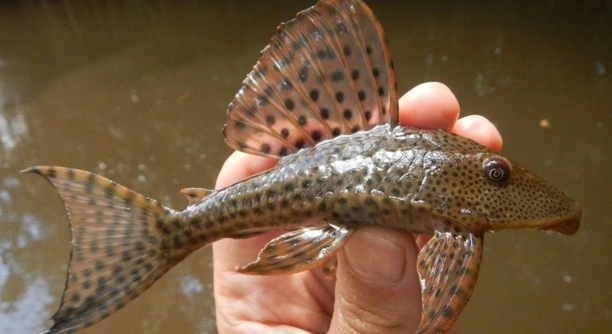
Are your plecos looking a little sluggish or not quite as lively as usual in their tank environment? It might be time to take a closer look at how you support their daily health through simple changes.
Adding quick but targeted enhancements like fresh vegetables, better hiding spaces, and supplemental driftwood can significantly improve pleco health. These changes support digestion, reduce stress, and promote more natural behavior, leading to a longer, healthier life.
Simple additions like these can make a noticeable difference, and you don’t need to overhaul your entire setup to see results.
Add Fresh Vegetables Twice a Week
Fresh vegetables are an easy way to boost your pleco’s nutrition. Zucchini, cucumber, spinach, and peas offer fiber, vitamins, and moisture that help support digestion and overall energy. Blanching them before placing them in the tank makes them softer and easier to eat. Plecos are natural grazers, so having vegetable slices available lets them feed in a way that matches their instincts. These foods also reduce the chance of constipation, a common issue in poorly fed plecos. Always remove uneaten vegetables after 24 hours to prevent water quality issues. It’s a small task that fits well into any care routine.
Start with small portions until you see how much your pleco will eat. Overfeeding can affect water clarity and tank balance.
Giving your pleco fresh vegetables twice weekly can improve color, energy, and feeding behavior. It’s a simple habit that brings noticeable results without much effort.
Include Driftwood in the Tank
Driftwood plays a bigger role than most people realize. It’s not just decoration—it actually supports a pleco’s digestion by offering a natural source of fiber as they rasp on the wood.
Some plecos, especially wood-eating types like the Panaque, rely on driftwood as a dietary need. For others, it provides stress relief and security. The surface also grows biofilm and algae, which many plecos enjoy. When choosing driftwood, opt for safe, aquarium-ready pieces like Malaysian or Mopani wood. Avoid anything collected outdoors, as it may contain harmful chemicals or pests. Boiling or soaking new driftwood helps reduce tannins and keeps your tank from getting too dark. Placement matters too—try to anchor it or wedge it so it doesn’t shift. Once added, driftwood becomes a favorite spot for grazing and hiding. Having even one sturdy piece in your tank can make your pleco feel more at ease and help maintain better feeding behavior.
Add More Hiding Spaces
Extra hiding spots can help reduce stress and aggression. Plecos are shy and often feel exposed in open tanks, especially during the day. Hiding spaces give them a place to rest, feel safe, and avoid conflict with tank mates.
Use decorations like caves, PVC pipes, or stacked rocks to create quiet zones throughout the tank. Plecos prefer low-light or shaded areas, so position these spots where light doesn’t hit directly. Natural-looking hides blend in better and make your tank feel more balanced. Adding more shelters encourages normal behavior, especially in more territorial species. It also prevents bullying, which can lead to injury or poor eating habits. Rotate or rearrange the hides every few weeks to keep the tank stimulating. If your pleco always hides and doesn’t explore, adding secure spots can build their confidence. This small setup change can make your pleco more active and better adjusted overall.
You may also notice that your pleco’s colors become deeper once they feel more secure. Reduced stress helps support natural hormone levels, and it shows in their appearance. When plecos can relax, they eat better, move more, and interact more often. Adding just two or three extra hiding spaces can make this happen.
Offer Protein-Rich Foods Weekly
While plecos love algae, they also need protein in their diet. Many types, especially growing or meat-eating species, benefit from weekly protein sources like shrimp pellets, bloodworms, or gel foods made for bottom feeders. These additions support tissue growth and stronger immune systems.
Choose a feeding time when tank lights are dim, as plecos are more active then. Offer a small amount at first, monitoring how much your pleco finishes. Uneaten protein can break down quickly and affect water quality. Some plecos may not recognize new foods right away, so be patient. Soaking dry foods can help release scents and encourage feeding. Over time, rotating protein-rich options into their routine can keep them healthier and more active. Just once a week is enough for most adult plecos, while young ones might need it twice. If your pleco seems slow-growing or inactive, they may be lacking in this area.
Keep the Water Flow Gentle
Strong currents can wear your pleco out. They prefer slower-moving water, especially near the bottom of the tank where they spend most of their time. Too much flow can cause stress and limit their ability to rest comfortably.
Adjust filters or add plants and décor to block heavy water movement. This creates calm zones where your pleco can relax.
Use a Dim Light Schedule
Plecos are nocturnal and feel more secure in low lighting. Bright tanks can keep them in hiding and discourage natural feeding behaviors. Using dim lighting or floating plants to block harsh light makes them more comfortable.
Aim for a lighting schedule that mimics dusk and dawn. Use timers to create a routine with gradual lighting changes if possible. This helps your pleco ease into active periods and reduces sudden stress. Adding floating plants like duckweed or water lettuce also softens the light naturally. A calmer tank atmosphere will allow your pleco to be more active during early evening hours, which is when they feel safest. You may start noticing your pleco exploring more, grazing on surfaces, and even interacting with the environment more freely.
Monitor Water Quality Weekly
Plecos are sensitive to poor water conditions. Check ammonia, nitrite, nitrate, and pH levels every week to keep things stable. Clean filters and change water regularly to avoid stress and illness.
FAQ
How often should I feed my pleco vegetables?
Two to three times a week is usually enough for most plecos. Choose soft, blanched vegetables like zucchini, cucumber, or spinach. Cut small pieces, attach them to a veggie clip, and remove leftovers after 24 hours to avoid clouding the water. If your pleco eats everything quickly, you can slightly increase the amount. For young or more active plecos, you might find that offering vegetables more often keeps them healthier. Just make sure to keep track of water quality and tank cleanliness as you adjust feeding habits.
Do plecos really need driftwood in their tank?
Yes, especially species like Panaque or Royal plecos. They rasp on the wood for fiber, which helps with digestion. Even other plecos who don’t rely on it as a food source still benefit from having driftwood in their environment. It supports natural behavior and gives them a place to hide or explore. Not all driftwood is safe, though—use only pieces made for aquariums, and soak or boil them before placing them in the tank to avoid discoloring the water too much. A stable, anchored piece works best and will last a long time.
Can plecos live in a community tank with other fish?
Most plecos can live peacefully with other fish, but some may become territorial, especially as they grow. Stick to community-friendly species like Bristlenose or Clown plecos if you’re keeping them with others. Avoid housing them with other bottom-dwellers of similar size unless your tank is very large and has plenty of hiding spots. Make sure each species has space to avoid overlapping territories. Aggressive behavior often starts when plecos don’t have enough shelter or feel crowded. A peaceful tank setup depends on good planning and enough room for everyone to feel secure.
What’s the best tank size for a pleco?
That depends on the species. Bristlenose plecos do well in tanks as small as 20 gallons. Larger plecos like Common or Sailfin need at least 75–100 gallons due to their potential size. Research the specific type you have and plan your tank around its adult size, not the current one. A tank that’s too small can lead to stress, poor growth, and health issues. Make sure the tank has enough floor space since plecos spend most of their time at the bottom. Long tanks are better than tall ones for this reason.
Why is my pleco always hiding?
Hiding is natural for plecos, especially during the day. However, if your pleco never comes out, it may be due to stress, poor lighting, or tank aggression. Try adding more hiding places, reducing light intensity, and feeding during low-light times. Once they feel secure, plecos will become more active during their natural hours. Also, check your water quality and tank mates—sometimes poor conditions or aggressive fish force plecos into constant hiding. Making these small adjustments often helps your pleco feel safer and show more normal behavior patterns.
Do plecos clean the tank?
Plecos eat algae and leftover food, which can help reduce waste, but they are not a replacement for proper tank maintenance. In fact, plecos produce a lot of waste themselves. Relying on them to “clean” the tank can lead to imbalances. Regular water changes, gravel vacuuming, and filter cleaning are still necessary. Think of plecos as part of your tank’s balance rather than a solution to algae problems. Feeding them well and keeping the tank clean helps both your pleco and the overall system stay healthy.
What water parameters do plecos prefer?
Most plecos prefer water temperatures between 72–82°F, a pH of 6.5–7.5, and soft to moderate hardness. They’re hardy, but sudden changes in temperature or chemistry can stress them. Use a good quality test kit weekly to keep everything stable. Avoid letting ammonia or nitrites spike—these are dangerous to plecos, especially young ones. If you notice changes in behavior like gasping or hiding more than usual, test your water right away. Good water quality is the foundation for your pleco’s long-term health and comfort.
How can I tell if my pleco is healthy?
A healthy pleco will be active at night or in dim light, graze on surfaces, and show a full, rounded belly—not bloated, just well-fed. Look for clear eyes, clean fins, and smooth movement. Avoid signs like pale coloring, sunken bellies, ragged fins, or lack of movement. If you see these, check for poor water quality or feeding issues. Many problems can be solved early by small changes. Monitoring your pleco’s behavior regularly makes it easier to notice what’s normal and what might need attention.
Final Thoughts
Taking care of a pleco doesn’t have to be complicated. With a few small changes, you can support their health and make their environment more comfortable. Adding vegetables, driftwood, and hiding spots gives your pleco the chance to act naturally and feel secure. These adjustments don’t require expensive equipment or major tank overhauls—they’re easy to do and don’t take much time. What matters most is consistency. When you stick to a regular care routine, your pleco is more likely to stay active, eat well, and avoid common problems like stress or illness.
Paying attention to lighting, water flow, and food variety also goes a long way. Each pleco is different, but most do best in stable, quiet tanks where they can hide during the day and explore at night. If you notice your pleco acting differently—like hiding more than usual or eating less—it may be a sign that something in the tank needs adjusting. Checking water quality every week and offering the right balance of food helps prevent these issues before they get serious. Small details like a dim light schedule or protein-rich meals once a week can lead to big improvements in how your pleco looks and behaves.
In the end, plecos are hardy but sensitive in their own ways. They need a calm, clean space where they can feed, hide, and grow at their own pace. Even if they’re not always out in the open, you’ll see the difference in their activity, color, and overall behavior once they feel secure. The changes you make today—like offering fresh veggies or adding driftwood—can help your pleco live a longer, healthier life. A peaceful, well-maintained tank not only benefits your pleco but also improves the balance of the whole aquarium. Taking those extra steps is worth it, and over time, you’ll learn more about what works best for your specific pleco.

Hello,
If you enjoy the content that we create, please consider saying a "Thank You!" by leaving a tip.
Every little bit helps us continue crafting quality advice that supports the health, happiness, and well-being of pets around the world, for pets of all shapes, sizes, and species.
We really appreciate the kindness and support that you show us!