
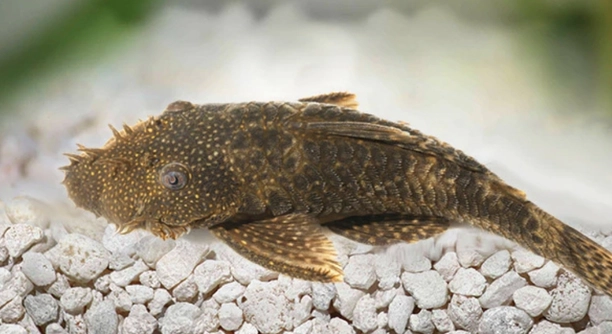
When caring for a pleco, it’s important to monitor its growth. These fish can grow quickly, and their size can affect their environment. Knowing when your pleco is getting too big is essential for maintaining a healthy tank.
A pleco can grow significantly over time, and certain indicators will show when it’s becoming too large for your aquarium. Monitoring its size, behavior, and overall health can help you assess when the tank size is no longer appropriate.
Properly managing the pleco’s environment ensures its well-being, preventing stress and damage to your tank’s ecosystem. Keep reading to learn more about how to identify these signs.
1. Recognizing Rapid Growth
Plecos are fast growers, and their size can quickly become a problem in a small tank. If you’ve noticed that your pleco is outgrowing its tank or becoming more active than usual, it might be a sign that it’s time to upgrade. Larger plecos need more space to swim and thrive, which means you’ll need to consider the tank size as it grows. A pleco that’s too big for its environment may start showing signs of stress, such as scratching against objects or excessive hiding.
When they outgrow their tank, they might also become more aggressive or territorial, which can affect other fish. It’s important to observe their behavior and take action before the situation becomes too stressful for your pleco or the other fish in the tank.
With the right environment, your pleco will be healthier and more active, but once it reaches a certain size, a bigger tank will be necessary. The key is to stay ahead of the growth and make adjustments early.
2. Tank Space and Size Requirements
As plecos grow, they require larger living spaces to accommodate their needs. When your pleco reaches a certain size, it’s essential to provide enough room for it to swim freely and comfortably.
Plecos can grow anywhere from 10 to 24 inches, depending on the species, so the tank size should be increased accordingly. A 55-gallon tank is typically suitable for a small pleco, but as it grows, a 75-gallon or larger tank may be required. The additional space will help to reduce stress and improve the overall quality of life for the pleco.
Along with the physical space, it’s essential to consider the tank’s filtration system. Larger fish produce more waste, so having a powerful filtration system is necessary to maintain water quality. A properly filtered tank is crucial for both the pleco and the other inhabitants in the aquarium.
Be mindful of your pleco’s growth and adjust the tank size as needed to ensure a healthy environment for it to thrive.
3. Behavioral Changes to Watch For
As your pleco grows, you might notice shifts in behavior that indicate it’s becoming too large for the tank. For example, it may become more aggressive or territorial. Smaller spaces can make plecos feel crowded, leading them to act out by chasing or stressing other fish.
When a pleco becomes too large for its tank, it may also start exhibiting more hiding behavior. This is often due to feeling overwhelmed by the confined space. If you notice your pleco spending more time in hiding or acting aggressively toward other fish, it may be time to reconsider its living situation.
Plecos are sensitive to changes in their environment, and a lack of space can negatively affect their health and behavior. Ensuring enough space for your pleco to roam will help avoid these behavioral problems and support its well-being.
4. Growth Rate and Size Expectations
The growth rate of a pleco varies depending on factors like diet, water quality, and species. On average, plecos grow about 1 inch per month during their first few years. If you notice your pleco growing faster than expected, it could be reaching its limit for tank space.
Monitoring your pleco’s size regularly can help you keep track of its growth and make adjustments as needed. Over time, you’ll be able to anticipate how much more space it will need. Some species grow faster than others, so knowing the specific type of pleco in your tank is important.
In most cases, plecos reach full size within 3-5 years, but the larger species can continue growing for a longer period. If your pleco is approaching its maximum size and is showing signs of being too large for its current tank, it’s time to take action.
5. Impact on Water Quality
As your pleco grows, it produces more waste, which can quickly degrade water quality. A larger pleco requires a more powerful filtration system to keep the water clean and oxygenated. If you notice an increase in algae or murky water, it could be a sign the filtration system is struggling.
Water quality is crucial for the health of your pleco. If the tank gets overcrowded or the pleco grows too large for the space, the waste buildup can lead to harmful conditions. Poor water quality will not only affect your pleco but also the other fish in the tank.
Maintaining clean water is essential for preventing health issues and keeping your pleco comfortable. Regular water changes and proper filtration should be prioritized as your pleco grows to ensure the tank environment remains suitable for all inhabitants.
6. Size of the Tank Decorations
As plecos grow, they may become too large to navigate around tank decorations comfortably. Rocks, caves, or driftwood that were once appropriate for a small pleco might now be in the way. This can cause frustration or stress for your pleco, affecting its behavior.
Plecos are known for their natural instincts to explore and hide. Larger decorations may limit their movement, which can lead to unhealthy behavior, such as excessive hiding or knocking things over. It’s crucial to reevaluate your tank setup as your pleco grows, ensuring it has enough room to move freely.
Even small changes to the tank setup can have a significant impact on your pleco’s comfort. By regularly assessing your decorations and removing obstacles as needed, you’ll create a more spacious and enjoyable environment for your pleco.
FAQ
How fast do plecos grow?
Plecos grow at different rates depending on the species and their environment. Generally, plecos grow about 1 inch per month during their first year. However, their growth rate may slow down after that. A pleco can reach its full size in about 3 to 5 years, with some species growing up to 24 inches or more. The size of your pleco will depend on factors like tank size, water quality, and diet. For larger species, it’s important to keep track of their growth to ensure they have enough space to thrive.
How can I tell if my pleco is getting too big for its tank?
If your pleco seems more active than usual, or if it’s bumping into decorations or other fish, it might be outgrowing its space. Other signs to look for include aggression toward other fish, excessive hiding, or scratching against objects. The tank size might no longer be sufficient if the pleco starts behaving differently. It’s important to monitor both the size of the pleco and the space it has available. If you’re unsure, measuring your pleco’s length periodically can help you stay on top of its growth.
What is the ideal tank size for a pleco?
The ideal tank size for a pleco depends on the species and how large it will grow. For smaller plecos, a 55-gallon tank can work, but larger species will need more room. A 75-gallon tank or larger is recommended for plecos that can reach up to 12-24 inches in length. It’s crucial to provide enough space to ensure the pleco has room to swim, forage, and hide. A cramped tank will cause stress and can affect both the pleco’s behavior and overall health.
Can a pleco live with other fish as it grows larger?
Plecos are generally peaceful fish, but as they grow, they may become more territorial. If your pleco is getting too large for its tank, it might become more aggressive toward other tank mates. Larger plecos might also outcompete smaller fish for food. To ensure harmony, it’s important to choose tank mates that can handle the pleco’s size and temperament. Avoid keeping plecos with particularly small or timid fish. Regular monitoring of your pleco’s interactions with other fish will help you determine if changes are needed.
How often should I feed my pleco as it grows?
As your pleco grows, its food intake will also increase. Plecos are omnivores, meaning they eat both plant matter and protein-based foods. In their early stages, they may feed on algae, sinking pellets, or vegetables like zucchini and cucumber. As they grow, they will need more substantial portions. Providing a balanced diet is key to healthy growth. Depending on the size of your pleco, you may need to feed it multiple times a day. Avoid overfeeding, as uneaten food can pollute the water.
Do plecos need special care as they grow?
As plecos grow, their care needs will evolve. The main factors to consider include the size of the tank, water quality, and diet. Larger plecos require more space to thrive, so you might need to upgrade the tank as they grow. A stronger filtration system may also be necessary to handle the increased waste produced by the pleco. It’s also essential to maintain good water quality through regular water changes. Lastly, providing a varied diet of plant matter, algae, and protein-rich foods is important for healthy growth.
Can a pleco live in a 20-gallon tank?
A 20-gallon tank may be too small for most plecos, especially as they grow. While small plecos or juvenile plecos can live in a 20-gallon tank, they will quickly outgrow it. Plecos can reach 10-12 inches or more, and a 20-gallon tank will not provide enough space for them to swim comfortably. To avoid stunted growth or health problems, it’s best to start with a larger tank, especially if you know your pleco will grow to a larger size. For most plecos, a tank size of 55 gallons or more is recommended.
What should I do if my pleco is getting too big for its tank?
If your pleco is getting too large for its tank, you should consider upgrading to a larger tank. Ideally, the new tank should be at least 75 gallons for larger species. You might also want to re-evaluate the tank setup, ensuring there’s enough space for the pleco to move around freely. If upgrading the tank isn’t an option, you could consider rehoming the pleco to a bigger tank with another aquarium owner or a local pet store. It’s important to act before the pleco’s size affects its health and the well-being of other fish in the tank.
Can I trim my pleco’s fins to control its growth?
No, trimming a pleco’s fins is not a safe or effective method to control its growth. The fins are essential for the pleco’s movement and health. Cutting them can cause stress, lead to infections, and negatively impact the fish’s ability to swim. If your pleco is growing too large, the best solution is to adjust its environment, such as upgrading the tank or removing excess tank mates. Ensuring the pleco has enough space, food, and clean water is the most effective way to support its health.
What happens if my pleco stays in a tank that is too small?
If a pleco remains in a tank that is too small, it will experience significant stress, which can lead to various health issues. A cramped environment can result in stunted growth, weakened immune function, and aggressive behavior. The pleco may also be more prone to diseases due to poor water quality and stress. Additionally, a small tank won’t provide enough oxygen or space for the pleco to swim and thrive. It’s essential to provide a tank that can accommodate your pleco’s size as it grows to maintain its health and well-being.
Final Thoughts
It’s clear that keeping a pleco requires careful attention as they grow. From monitoring their size to ensuring they have enough space in the tank, it’s important to stay proactive about their needs. A pleco may start small, but over time, it can outgrow its environment. This is why it’s essential to understand the growth patterns of your pleco and plan accordingly. A larger pleco requires a bigger tank, more filtration, and appropriate tankmates to keep the fish healthy and comfortable.
Aside from size, the quality of water and tank decorations also plays a significant role in their well-being. As plecos grow, the waste they produce increases, making water quality more challenging to maintain. Regular water changes, proper filtration, and ensuring the tank is clean are crucial to their health. Moreover, as the pleco gets bigger, it may no longer fit into the current tank decorations. Some rocks, caves, or driftwood that once fit perfectly could create obstacles or restrict movement. Adjusting your tank setup to accommodate their growing size will help prevent stress and allow them to thrive.
Ultimately, the key to keeping a healthy pleco is understanding their growth needs and responding to them in a timely manner. If you want to ensure a long and happy life for your pleco, it’s important to stay on top of their care. Monitoring their growth, maintaining water quality, and adjusting the tank setup as needed will allow them to live comfortably. Remember, plecos can live for many years, so investing in the right environment for them will pay off in the long run.

Hello,
If you enjoy the content that we create, please consider saying a "Thank You!" by leaving a tip.
Every little bit helps us continue crafting quality advice that supports the health, happiness, and well-being of pets around the world, for pets of all shapes, sizes, and species.
We really appreciate the kindness and support that you show us!