
Are your plecos constantly chasing each other around the tank, leaving you worried about their safety and overall wellbeing? Aggressive behavior among plecos can become stressful for both the fish and the fish keeper.
The most effective way to stop plecos from fighting is to reduce territorial competition by increasing hiding spots, adjusting tank size, and managing male-to-male ratios. These measures help lower aggression and promote a more peaceful aquarium environment.
With a few adjustments, you can create a space that encourages calm behavior and prevents future conflict between your plecos.
Increase Hiding Spots in the Tank
Plecos are naturally territorial and enjoy claiming their own space. When there aren’t enough hiding spots, they may become aggressive with one another. Adding more driftwood, caves, or artificial decorations can give each pleco its own area to retreat and rest. Focus on providing multiple types of hiding places spread throughout the tank. This not only keeps them occupied but also prevents constant confrontations over limited spots. Make sure the hides are big enough for your plecos and spaced out to reduce the chance of one fish dominating the entire area. Visual barriers, such as plants and rocks, help break the line of sight between fish and contribute to a more peaceful environment. A more complex tank layout mimics their natural habitat and makes them feel safer. If your plecos feel secure, they are far less likely to act aggressively toward each other.
Even a few extra hides can make a noticeable difference in their behavior.
Use materials that are aquarium-safe and smooth, so the plecos don’t injure themselves when using them. PVC pipes, ceramic pots, and hollow logs are simple but effective options. If using driftwood, be sure it’s suitable for aquatic use and won’t leach harmful substances. Spacing is key—grouping all hides in one area won’t help much. Position them so each pleco has an area they can claim without crossing into another’s space too often. You don’t need to overfill your tank; just a few well-placed structures can give them the separation they need. In tanks with multiple plecos, these physical boundaries are essential. Consider rotating decor during cleaning to keep the environment fresh and reduce routine conflicts. A well-designed tank structure sets the foundation for a calm, stable community.
Adjust the Tank Size
Plecos need enough space to avoid constant contact, especially as they grow larger.
A tank that is too small can lead to stress and aggression. Plecos are bottom dwellers, so they require horizontal swimming room. For multiple plecos, aim for a tank size of at least 75 gallons or more. In cramped quarters, there’s no way to establish territory peacefully. The lack of space means fish will constantly cross paths, which raises stress levels and results in defensive or aggressive behavior. Large tanks give them the distance they need to feel comfortable. This is especially important if you’re housing more than one male pleco, as males tend to be more territorial. Always consider the full-grown size of your plecos, not just their current size, when selecting a tank. It’s a long-term decision that can prevent many behavioral issues. A spacious tank also improves water quality, which indirectly affects aggression levels by reducing general stress.
Separate Aggressive Individuals
If one pleco is constantly starting fights, it may be best to separate it from the others. Some plecos naturally have a more dominant personality and won’t tolerate tank mates, no matter the setup or environment.
Moving the aggressive pleco to a different tank reduces tension for the rest. If you don’t have an extra tank, a tank divider can be a good short-term solution. This allows the fish to remain in the same environment but limits physical interaction. Observing behavior before and after separation can help confirm if that pleco was the main cause of stress. Sometimes, even a temporary separation can reset aggressive behavior. If you choose to reintroduce the pleco later, make changes in tank layout and structure beforehand. This gives the impression of a new territory and helps prevent immediate re-establishment of dominance. Monitor closely during reintroduction to ensure fighting doesn’t begin again.
Plecos may behave more aggressively during certain times, such as mating periods or when establishing dominance in a new environment. If aggression is consistent, though, it usually means a personality mismatch. You may find that peace returns once the aggressive fish is removed. While separating them may feel like a last resort, it’s often the best way to ensure the overall health of your tank. Compatibility among plecos varies depending on the species, size, and sex. Always check if the species you’re keeping is known for being solitary or social. In some cases, keeping just one pleco might be the most effective approach to maintaining a calm tank. Observe their behavior closely and don’t hesitate to act early if aggression becomes a regular issue.
Manage Male-to-Male Ratios
Male plecos are more territorial than females, and too many males in one tank can lead to frequent aggression and stress for all fish.
When planning your pleco tank, try to keep the number of males low. A good balance would be one male to multiple females or one male per tank if you’re unsure of compatibility. This approach reduces territorial fights and improves the overall mood of your fish. Sexing plecos can be difficult, especially in juveniles, so monitor behavior closely as they mature. Early signs of chasing or fin damage often suggest two males are clashing. If unsure, treat suspicious behavior seriously and be ready to separate fish if needed. Introducing new plecos should also be done carefully, as males will react strongly to any newcomers. Space and hiding spots help but won’t always stop male aggression if the ratio is off.
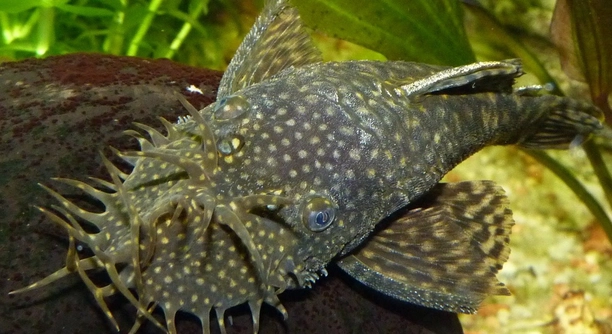
Before buying more plecos, learn about their adult size and how to tell males from females. Males often develop bristles on their heads, while females stay smoother and rounder. Use this as a guide when selecting fish. If your tank is already established, adding more females instead of males is a safer option. Avoid introducing another male into a small tank, especially if the current male already controls the space. When housing multiple males is necessary, the tank must be large with multiple caves and visual breaks. In rare cases where males are compatible, they still require careful monitoring. Adjust feeding times and territory spaces to lower competition. Getting the ratio right from the start prevents many problems and helps plecos live together more peacefully.
Feed Them Separately
Feeding time can trigger aggression, especially if food is limited or hard to reach. Spacing out food in different areas of the tank helps prevent competition and gives each pleco enough time to eat peacefully.
Use sinking pellets or wafers to make sure food reaches them quickly. This reduces chasing and territorial behavior.
Reduce Lighting and Activity
Plecos are nocturnal and prefer dim environments. Bright lighting or sudden movement can make them feel exposed, which increases stress and defensive behavior. Use low lighting or floating plants to reduce intensity and mimic natural conditions in the tank.
Plecos often come out more at night, when they feel safer. Try feeding them just after lights go out. Lowering tank activity during the day also helps, especially in high-traffic areas of the room. Avoid tapping the glass or making frequent changes to their layout. Small changes in the environment can help reduce tension over time. Some plecos may take longer to adjust, but keeping their routine consistent encourages calmer behavior. If aggression seems linked to stress, creating a quieter, darker space often improves things quickly. Watch how they respond to lighting changes and adjust based on their comfort level.
Choose Compatible Species
Some pleco species are naturally more aggressive than others. If you’re housing multiple plecos, make sure they’re known to tolerate tank mates. Avoid mixing species that are territorial or have similar space and food needs.
FAQ
Why are my plecos fighting?
Plecos can become aggressive for various reasons, including territorial disputes, overcrowding, or competition for food. In a small tank, plecos may feel the need to defend their space, which often leads to fighting. Males, in particular, are more territorial and may engage in aggressive behavior to establish dominance. Providing enough hiding spots, increasing the tank size, and ensuring a proper male-to-female ratio can help prevent these conflicts.
How can I tell if my plecos are stressed?
Stressed plecos often show signs like erratic swimming, hiding more than usual, loss of appetite, or fading color. If your pleco is darting around the tank or rubbing against objects, it could be a sign of stress. Poor water quality, incompatible tank mates, or improper tank conditions can all contribute to these symptoms. Regular water changes and a stable environment can reduce stress and help your pleco feel comfortable.
How do I prevent pleco aggression?
The best way to prevent aggression is by creating a comfortable and spacious environment. Ensure your tank has enough hiding spots, use a proper male-to-female ratio, and avoid overcrowding. Additionally, ensure the water conditions, such as temperature and pH levels, are stable. Regular tank maintenance, like removing waste and debris, can also help maintain a peaceful environment. Reducing the amount of light and limiting disturbances in the tank can also reduce aggression.
Can I keep multiple plecos in the same tank?
Yes, you can keep multiple plecos, but it depends on the species and tank size. For example, some species of plecos are more peaceful and tolerate tank mates, while others are highly territorial. Male plecos, in particular, can be very aggressive towards each other, so it’s essential to ensure you have enough space and hiding spots for them to establish their territories. Generally, it’s safer to keep one male with several females in a large tank or keep plecos of different species together.
Do plecos need a large tank?
Yes, plecos require a relatively large tank to thrive, especially as they grow. A small tank can lead to stress and aggression. A minimum of 75 gallons is recommended for most species of plecos, but larger tanks are preferable, particularly if you plan to house more than one. In a spacious tank, plecos can find their own space and avoid conflicts with others.
Why is my pleco chasing other plecos?
Chasing is a common behavior among plecos, particularly males, as they try to establish dominance. This is more likely to occur in tanks where there is limited space, hiding spots, or resources. Plecos may chase each other to assert their territorial claim or to compete for food. Ensuring a larger tank with multiple hiding spots can help reduce this behavior.
Can plecos live with other fish?
Most plecos are peaceful bottom dwellers, but they can be territorial, particularly when they mature. They often get along well with other fish that don’t compete for the same food or space. However, it’s important to avoid keeping plecos with overly aggressive species or other bottom dwellers that might trigger competition. Researching compatible tank mates and keeping the tank well-maintained can help ensure a peaceful environment for all fish.
Do plecos fight when they are hungry?
Yes, plecos may fight over food, especially if they feel competition for limited resources. Feeding your plecos regularly with enough food spread out across the tank can help reduce fighting during feeding time. Consider feeding sinking pellets or algae wafers that allow plecos to eat peacefully at the bottom of the tank without battling for the food.
What is the best way to introduce new plecos to the tank?
Introducing new plecos to a tank requires careful planning. Start by placing the new pleco in a quarantine tank to observe for a few days. Once the pleco is ready to be introduced, do so slowly, ensuring the tank has plenty of hiding spots. Adding decorations or rearranging the tank layout before introducing the new fish helps prevent existing plecos from seeing it as an invasion of their territory. Monitor their behavior closely after introduction to ensure they’re getting along.
Why is my pleco hiding all the time?
Hiding is typical behavior for plecos, especially during the daytime when they prefer to rest. If your pleco is hiding more than usual, it could indicate stress or poor water quality. Check the water parameters and ensure the tank is clean and the conditions are suitable. It’s also possible that your pleco is simply adjusting to new surroundings, but prolonged hiding may require attention to environmental factors or tank mates.
How often should I feed my plecos?
Plecos are primarily nocturnal and graze on algae and detritus. You can feed them once a day, but be sure to provide a variety of foods such as sinking pellets, algae wafers, and fresh vegetables. Overfeeding can lead to water quality issues and may result in aggression. Monitor your plecos and adjust feeding schedules based on their activity and size.
What are the signs of pleco injuries?
Injuries in plecos often manifest as torn fins, visible wounds, or changes in their swimming behavior. If a pleco has been in a fight, it may have damaged fins or scales. It’s essential to separate the injured fish from the others to prevent further harm. Make sure to keep the water clean and at the proper temperature to promote healing.
Can I keep different types of plecos together?
Different types of plecos can be kept together if they are compatible, but it depends on their species and temperament. Some plecos are more social, while others are more territorial. Make sure there’s plenty of space, hiding spots, and food sources to reduce competition. Keep in mind that large plecos may become more territorial as they mature, so regular monitoring is essential to avoid aggression.
Final Thoughts
Pleco fighting is a common issue in aquariums, but with the right approach, it can be minimized or avoided altogether. Understanding the root causes of aggression, such as territorial behavior, overcrowding, or competition for food, allows you to create a better environment for your plecos. When setting up your tank, it’s important to provide enough space, hiding spots, and resources to keep your plecos from feeling stressed or threatened. A large tank with plenty of hiding places helps to reduce aggression and gives each pleco their own space to establish territory. This approach promotes a peaceful atmosphere, allowing your plecos to thrive without constantly competing for resources.
Another key factor in reducing pleco aggression is ensuring proper tank conditions. Plecos, being sensitive to water quality, require stable and clean conditions to stay healthy. Regular water changes, proper filtration, and monitoring of temperature and pH levels help keep the tank environment ideal. Stress caused by poor water quality can lead to aggression, making it essential to maintain the right conditions for your fish. In addition to clean water, keeping the tank free from too many disturbances, like sudden movements or excessive lighting, can also play a role in calming plecos and reducing stress-induced aggression.
In some cases, aggression is simply part of the pleco’s natural behavior. Certain species, especially males, are more territorial and may fight to establish dominance. However, if you take steps to minimize stress, such as providing enough food, space, and hiding spots, you can help reduce these territorial disputes. Being mindful of the species you choose to keep together also plays a large role in preventing fights. By carefully selecting compatible tank mates and creating a peaceful tank environment, you can enjoy watching your plecos peacefully coexist.

Hello,
If you enjoy the content that we create, please consider saying a "Thank You!" by leaving a tip.
Every little bit helps us continue crafting quality advice that supports the health, happiness, and well-being of pets around the world, for pets of all shapes, sizes, and species.
We really appreciate the kindness and support that you show us!