
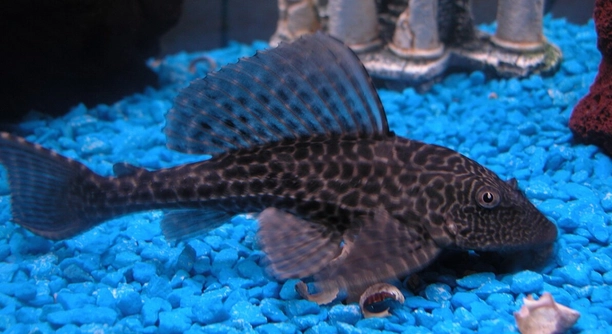
To support the healthy growth of your plecos, it’s important to create a tank environment that caters to their specific needs. The right features can promote their well-being and encourage natural behaviors. Here’s what you should consider.
Providing the proper tank setup is essential for pleco growth. Key features include a stable water temperature, proper filtration, hiding spots, and sufficient space for swimming. The addition of live plants can also contribute to a more natural habitat.
Each of these tank features plays an important role in ensuring your plecos thrive. Understanding their requirements will help you create the ideal space for them to grow and flourish.
Stable Water Temperature
Maintaining a stable water temperature is crucial for the health of your pleco. Plecos thrive in warmer water, typically between 74°F and 80°F. Significant temperature fluctuations can stress them, leading to health problems. A reliable heater will help ensure the water stays within the ideal range. It’s also important to monitor the temperature regularly with a thermometer to avoid any sudden changes. When setting up your tank, invest in a quality heater that can maintain a steady temperature, especially if you live in an area with varying room temperatures.
A stable water temperature ensures your pleco remains active and healthy. Stress caused by temperature fluctuations can impact their growth and overall well-being.
When selecting a heater, consider the size of your tank and the specific needs of your pleco. A heater with an adjustable thermostat is the best choice, as it allows you to fine-tune the temperature based on the environment and the species of pleco you’re keeping.
Proper Filtration
A strong filtration system is essential for keeping the water clean and oxygenated, both of which are vital for pleco health. Plecos produce a significant amount of waste, so you need a filter that can handle the tank size and keep the water clear.
The best filters for plecos are those that provide both mechanical and biological filtration. Mechanical filtration removes physical debris, while biological filtration helps break down waste. Choose a filter with adjustable flow to avoid strong currents that could stress your pleco. Regular maintenance is key to ensure the filter continues working effectively.
A high-quality filter also helps maintain water clarity and balance the essential water parameters like ammonia and nitrate levels. Clean the filter regularly to prevent clogs and keep the tank environment healthy. This will support your pleco’s growth and reduce the risk of disease, ensuring they stay active and vibrant.
Hiding Spots and Decor
Plecos are nocturnal creatures, so they require places to hide during the day to feel safe. Providing various hiding spots will help reduce stress and encourage natural behaviors.
Use caves, driftwood, and dense plants to create hiding spots that mimic their natural environment. Plecos enjoy having a retreat where they can rest undisturbed. Be sure that the hiding spots are large enough for the pleco to fit comfortably. You can also place some decorations that help to break up the tank’s open space while offering more shelter.
In addition to creating hiding spots, adding plants provides a natural environment for plecos. Live plants not only offer shelter but also help improve water quality by absorbing excess nutrients. Plecos also enjoy grazing on plant matter, which provides a more stimulating and enriching environment.
Tank Size
A larger tank provides more space for your pleco to grow and thrive. While smaller tanks may seem easier to maintain, plecos require room to swim and explore.
For a single pleco, a tank size of at least 75 gallons is recommended. This allows ample space for them to move and access food. The size of the tank will also help maintain more stable water parameters, making it easier to manage the aquarium’s ecosystem.
Having enough space prevents overcrowding and reduces stress. A spacious tank promotes natural behavior, providing plecos with room to graze, hide, and explore. In the long term, this helps ensure their healthy development and growth.
Water pH Levels
Maintaining the right pH level is essential for the health of your pleco. They prefer slightly acidic to neutral water, with a pH range of 6.5 to 7.5.
Regularly test your tank’s water to ensure it stays within the ideal pH range. Sudden fluctuations can stress your pleco and affect its health. A consistent pH level promotes a stable environment for all your tank’s inhabitants.
For those struggling with pH imbalances, consider using a water conditioner or adjusting the substrate. Both approaches can help stabilize pH levels, contributing to a healthier and more thriving tank.
Tank Lighting
Plecos are nocturnal creatures, so they do not need intense lighting. Too much light can cause stress, disrupting their natural behaviors.
Low to moderate lighting works best for plecos, with periods of darkness that allow them to rest during the day. Consider using a timer to control the light cycle and maintain a consistent day-night pattern. This helps replicate their natural habitat.
In addition to creating a comfortable environment, proper lighting supports plant growth in the tank. Healthy plants further improve water quality, contributing to a more balanced ecosystem for your pleco.
FAQ
What do plecos eat to support their growth?
Plecos are primarily herbivores, but they do eat some protein-based foods, especially in their younger years. To support growth, feed them a balanced diet that includes algae wafers, fresh vegetables like zucchini and spinach, and occasional protein such as shrimp or fish pellets. Some plecos will also graze on algae in the tank, so make sure there is plenty of natural food available for them. Avoid feeding them too much protein, as this can lead to poor health.
How often should I feed my pleco?
Feed your pleco once or twice a day, depending on their size and the amount of food they consume. It’s best to give small portions that they can finish in a few hours to avoid excess food decaying in the tank, which can affect water quality. Overfeeding can lead to water pollution and obesity in plecos, so it’s important to monitor their food intake.
Can plecos live with other fish?
Yes, plecos can live with many types of fish, but they do best in community tanks with peaceful species. Avoid keeping them with aggressive or very small fish, as plecos are large and could unintentionally harm smaller tankmates. Some pleco species may become territorial, especially during breeding, so ensure there are enough hiding spots and space for everyone. Plecos are generally peaceful and tend to spend most of their time hiding or grazing on algae.
What is the best substrate for a pleco tank?
A fine, sandy substrate is ideal for plecos, as it allows them to forage and graze naturally without harming their delicate barbels. Avoid sharp gravel, as it can scratch their sensitive skin and barbels. Additionally, sandy substrates make it easier to vacuum waste and keep the tank clean. You can also add smooth rocks and driftwood to give plecos more places to hide and feel secure.
Do plecos need a heater in their tank?
Yes, plecos need a heater to maintain a consistent water temperature, especially if you live in a colder climate. A steady temperature between 74°F and 80°F is essential for plecos to stay healthy and active. Even slight temperature fluctuations can cause stress, affecting their growth and immune system. A good quality aquarium heater with an adjustable thermostat will help you maintain this range.
How do I know if my pleco is stressed?
Stressed plecos may display certain behaviors such as hiding more than usual, a lack of appetite, or increased aggression. Physical signs of stress can include faded coloration or jerky, erratic swimming patterns. It’s important to identify the cause of the stress, such as poor water quality, inappropriate tank mates, or unsuitable temperature. Providing a stable environment with adequate hiding spots and regular water changes can help reduce stress levels.
Can plecos live in a tank with only plants?
While plecos do enjoy eating algae and plants, they require other food sources to thrive. A tank with just plants may not provide them with enough nutrition. Plecos also need a variety of foods, such as vegetables and algae wafers, to meet their dietary needs. Having a well-planted tank, however, is beneficial as it mimics their natural habitat and provides them with grazing material.
How do I maintain water quality for my pleco?
Maintaining good water quality is crucial for your pleco’s health. Regular water changes of 20% to 30% every week help remove toxins and keep the water fresh. Test the water regularly for ammonia, nitrites, nitrates, and pH levels to ensure they remain within the ideal range. Use a high-quality filter to keep the water clear, and avoid overfeeding to prevent waste buildup. Adding live plants also helps absorb excess nutrients, contributing to better water quality.
Can plecos survive in a smaller tank?
Plecos grow large, and while some species can live in smaller tanks temporarily, they require more space as they mature. For most plecos, a tank size of at least 75 gallons is ideal to support their growth. A smaller tank can lead to poor water quality, overcrowding, and stunted growth. If you plan to keep a pleco in a smaller tank, make sure you choose a species that stays relatively small, such as the bristlenose pleco.
Why is my pleco not eating?
If your pleco is not eating, it could be due to several factors, including poor water quality, stress, or health issues. Check the water parameters and make sure everything is within the proper range. If there are any signs of illness or abnormal behavior, such as lethargy or swollen abdomen, consider consulting an aquarium professional. It’s also possible that the pleco simply prefers certain types of food, so try offering different vegetables or algae wafers to stimulate its appetite.
Final Thoughts
When setting up a tank for your pleco, it’s important to create an environment that meets their specific needs. Proper tank size, water conditions, and a balanced diet all play a role in supporting their growth and health. Plecos can thrive in a well-maintained tank with a stable environment, but they do require regular care and attention. They need space to swim, hiding spots to feel secure, and clean water to stay healthy. By providing these basic needs, you can help ensure that your pleco grows to its full potential and lives a long, happy life.
Understanding pleco behavior and habits is also key to maintaining a healthy tank. These fish are nocturnal and often hide during the day, so it’s important to set up their tank with plenty of places to retreat when they feel stressed. Having a mix of natural decorations like plants, rocks, and driftwood will help mimic their natural environment and provide them with a comfortable space. Regular water testing and maintenance are essential to keeping the tank conditions optimal. Clean water is crucial for plecos, as poor water quality can lead to health problems.
With the right care, plecos can be a valuable and interesting addition to your aquarium. They help keep the tank clean by grazing on algae, and they can live peacefully with other non-aggressive tank mates. It’s important to remember that they grow large, so be prepared for the long-term commitment of maintaining a suitable tank environment. By focusing on their needs, you’ll be able to provide them with the best conditions to grow and thrive.

Hello,
If you enjoy the content that we create, please consider saying a "Thank You!" by leaving a tip.
Every little bit helps us continue crafting quality advice that supports the health, happiness, and well-being of pets around the world, for pets of all shapes, sizes, and species.
We really appreciate the kindness and support that you show us!