
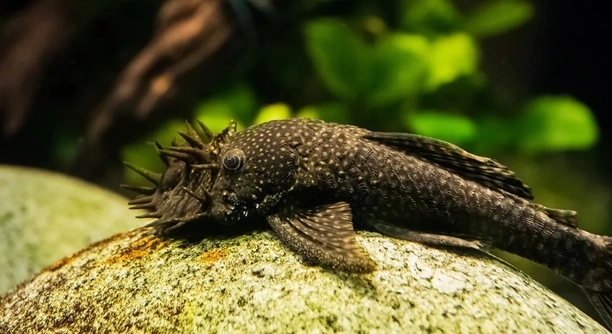
Aggressive Plecostomus can pose challenges for aquarium owners. These fish, typically peaceful, may act out in certain situations. Understanding their behavior is essential for managing them effectively in your tank.
To handle an aggressive Plecostomus, ensure their environment is stable and well-maintained. Providing adequate space, hiding spots, and a balanced diet will reduce stress and aggression. Monitoring water parameters is crucial to their well-being.
Learning how to manage aggression in Plecostomus can make aquarium ownership more enjoyable and less stressful.
Identifying Stress Triggers in Plecostomus
Plecostomus fish can become aggressive when they feel stressed. Stress can arise from overcrowding, poor water conditions, or inadequate food. These factors can lead to defensive behaviors such as chasing, hiding, or even attacking tank mates. When a Plecostomus is not comfortable, they may react in ways that are not typical of their usual peaceful nature. It is important to observe their interactions and environment closely to pinpoint what might be causing the aggression. A tank with too many fish or one without enough hiding spaces can lead to heightened stress and behavioral issues.
A stressed Plecostomus will show signs such as constant hiding, loss of appetite, or unusually aggressive behavior. These behaviors can often be linked to poor water quality, tank mates, or an overcrowded environment.
Addressing the stressor is crucial. First, check the water temperature, pH, and filtration system to ensure they meet the Plecostomus’ needs. Next, provide more hiding spots and consider reducing tank population. A calm environment will lead to fewer aggressive behaviors. When you notice the stressors, act quickly to prevent escalation.
Providing a Balanced Diet
Plecostomus may also become aggressive if they are not properly fed. A balanced diet is essential for maintaining their health and peace. Offering a variety of foods will keep them from becoming frustrated or agitated, reducing the likelihood of aggression.
Feeding Plecostomus a mix of algae wafers, fresh vegetables, and occasional protein will help meet their dietary needs. Avoid overfeeding, as this can lead to water quality issues and even further stress. A hungry or malnourished Plecostomus is more likely to become aggressive, either toward tank mates or out of frustration.
Tank Size and Space
An appropriately sized tank is vital for reducing aggression in Plecostomus. If they do not have enough room to swim, they may become territorial. Ensure your tank is large enough to accommodate the size of the Plecostomus as it grows. A 75-gallon tank is often recommended for adult Plecostomus.
Inadequate space can lead to Plecostomus becoming stressed and territorial, especially if they feel crowded by other fish. Aggression is more likely when they do not have enough room to establish their own space. When providing plenty of space, ensure there is a balance between tank mates to avoid territorial disputes.
Make sure your tank is not overcrowded with fish that could compete for the same space or food. Providing ample room allows Plecostomus to thrive and reduces the chance of unnecessary conflicts. Space, along with proper tank maintenance, plays a key role in promoting peace within the aquarium.
Hiding Spots and Decorations
Hiding spots are essential to help Plecostomus feel secure. When these fish have a safe place to retreat to, they are less likely to become aggressive. Rocks, caves, and driftwood provide excellent hiding spots that mimic their natural habitat.
These hiding spots allow Plecostomus to escape when they feel threatened, reducing the likelihood of stress-induced aggression. Make sure the hiding places are spread throughout the tank so they can retreat to a place that feels safe. Decorate the tank with natural elements like plants and rocks for a more secure environment.
Plecostomus are nocturnal and enjoy a peaceful, secluded spot during the day. They are more likely to interact peacefully with their tank mates when they feel safe and secure. Offering a variety of hiding places will reduce stress and improve their overall well-being.
Tank Mates and Compatibility
Choosing the right tank mates is essential for preventing aggression in Plecostomus. Avoid pairing them with overly aggressive fish that may trigger defensive behavior. Peaceful, non-competitive species are the best companions.
Plecostomus can coexist with other bottom dwellers as long as there is enough space. It’s important to ensure that their tank mates do not compete for food or territory. Plecostomus are generally peaceful but may act aggressively if stressed by their surroundings or tank mates.
Water Quality and Parameters
Water quality is one of the most important factors for preventing aggression in Plecostomus. Regular water changes and proper filtration are essential to maintaining good water parameters. Plecostomus thrive in clean, well-filtered water with stable conditions.
Monitoring the water’s temperature, pH, and ammonia levels will ensure your Plecostomus remain calm and healthy. Poor water quality can cause stress, leading to aggressive behavior. Keeping the water conditions in check will reduce aggression and support their well-being.
Observation and Response
Carefully observing your Plecostomus is crucial to identifying potential aggression early. Look for signs like fin nipping, hiding, or chasing. These behaviors indicate that something in the environment may be bothering them.
Quickly addressing any issues, such as water quality or overcrowding, will help prevent escalation. It’s important to be proactive when you notice changes in behavior to avoid serious conflicts.
FAQ
What causes aggression in Plecostomus?
Aggression in Plecostomus is typically caused by stressors in their environment. Overcrowding, poor water quality, and lack of hiding spots are common triggers. Additionally, aggression can arise if there are tank mates that threaten their territory or compete for food. When Plecostomus do not have enough space or feel unsafe, they may act out.
How do I know if my Plecostomus is stressed?
Stressed Plecostomus may exhibit signs such as hiding for extended periods, chasing tank mates, or becoming more territorial. They may also lose their appetite or swim erratically. Monitoring their behavior closely can help you spot stress early. A lack of activity and an unwillingness to interact with tank mates are also indicators of stress.
Can Plecostomus live with other fish?
Yes, Plecostomus can live with other fish, but it’s important to choose compatible tank mates. Peaceful species that don’t compete for territory or food work best. Avoid pairing them with overly aggressive fish that might trigger defensive behavior. Bottom-dwelling fish that are non-competitive are ideal companions.
How much space do Plecostomus need?
Plecostomus require a spacious tank to thrive. A minimum of 75 gallons is recommended for adult Plecostomus, as they can grow large. Without enough space, they can become stressed, which leads to aggressive behavior. More space allows for better socialization with tank mates and reduces territorial disputes.
Do Plecostomus eat plants?
Yes, Plecostomus may nibble on plants, particularly algae. While they primarily feed on algae and other plant matter, they do not usually cause significant damage to well-established plants. However, if their diet lacks sufficient algae or other food, they might start grazing on decorative plants.
What should I feed my Plecostomus?
Plecostomus are omnivores, so a varied diet is best. Algae wafers, fresh vegetables (like zucchini or spinach), and occasional protein sources like shrimp or worms should be included. It’s important to feed them a balanced diet to prevent malnutrition and aggression. Avoid overfeeding, as this can lead to water quality issues.
How can I reduce aggression between Plecostomus and other fish?
To reduce aggression, ensure your Plecostomus has plenty of space and hiding spots. Monitor the tank’s water quality, as poor water conditions can increase stress and aggression. Additionally, avoid overcrowding the tank, and choose tank mates that are peaceful and non-competitive. Creating a calm environment is key to maintaining harmony.
Why is my Plecostomus always hiding?
If your Plecostomus is constantly hiding, it may be stressed or not feeling secure in its environment. It could also be due to water quality issues, insufficient hiding spots, or incompatible tank mates. Plecostomus are nocturnal and may hide more during the day, but constant hiding could indicate a problem.
Can I keep multiple Plecostomus together?
It’s possible to keep multiple Plecostomus in the same tank, but they require plenty of space. If the tank is too small or overcrowded, they may become territorial and aggressive toward each other. It’s best to ensure there are plenty of hiding spots and to monitor their behavior closely.
How can I improve my Plecostomus’ environment?
Improving your Plecostomus’ environment involves ensuring stable water conditions, providing plenty of hiding spots, and reducing tank overcrowding. Maintain a good filtration system and perform regular water changes to keep the tank clean. Additionally, provide a varied diet and ensure compatible tank mates to reduce stress and aggression.
Is it normal for Plecostomus to be aggressive toward other fish?
Plecostomus are generally peaceful, but they can become aggressive if stressed or if their space is invaded. They are territorial creatures and may defend their area from other fish. Ensuring proper tank size, water quality, and peaceful tank mates can help minimize aggression.
Final Thoughts
Handling an aggressive Plecostomus requires a combination of proper tank management and understanding of their behavior. One of the most important factors in preventing aggression is ensuring that the tank size is large enough for the Plecostomus to swim freely. A cramped environment can cause stress and territorial behavior. When there’s not enough space for the fish to establish their territory, conflicts arise. Providing sufficient room for them to move around will help reduce any aggressive tendencies. Additionally, incorporating plenty of hiding spots, such as rocks and driftwood, can make them feel secure, allowing them to avoid stress-inducing encounters.
Tank mates play a significant role in the behavior of Plecostomus. Some fish species are more aggressive than others and can lead to confrontations. It’s essential to select peaceful tank mates that won’t compete for space or food. When choosing tank mates, consider species that do not invade the bottom areas where Plecostomus prefer to spend their time. Peaceful fish that swim at different levels of the tank are ideal companions. Avoid overly aggressive fish, as their presence can escalate tension and lead to aggression in Plecostomus.
In addition to tank size and tank mate compatibility, maintaining optimal water quality is crucial for reducing aggression in Plecostomus. Poor water conditions can cause stress, making these fish more likely to become aggressive. Regular water changes, proper filtration, and monitoring of water parameters like pH, temperature, and ammonia levels can keep the environment stable and comfortable. A healthy environment allows Plecostomus to thrive without the added pressure of poor water quality, which ultimately helps in preventing aggression. By paying attention to these key factors, you can help create a peaceful environment for your Plecostomus and ensure that they remain calm and healthy in their tank.

Hello,
If you enjoy the content that we create, please consider saying a "Thank You!" by leaving a tip.
Every little bit helps us continue crafting quality advice that supports the health, happiness, and well-being of pets around the world, for pets of all shapes, sizes, and species.
We really appreciate the kindness and support that you show us!