
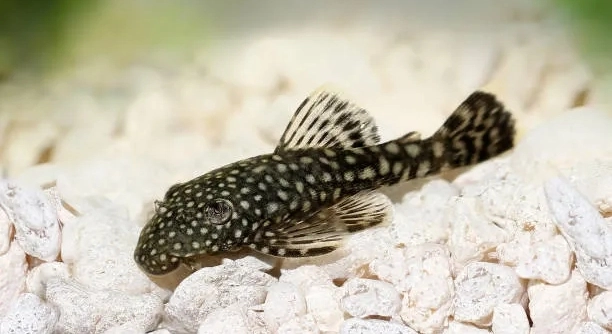
Sometimes, observing your pleco’s behavior can leave you puzzled. Whether it’s hiding or seemingly avoiding interaction, you may wonder if it’s upset with you or just in its usual routine. It’s not always easy to know.
Plecos often hide or appear inactive as part of their natural behavior rather than a sign of distress. They are nocturnal and may seek hiding spots for comfort, but if other unusual symptoms appear, it may indicate stress or illness.
Understanding these habits can help you ensure your pleco stays healthy and happy. By recognizing the signs, you can respond appropriately to its needs and create a better environment for your fish.
Why Plecos Hide
Plecos are naturally shy creatures, especially during the daytime. They’re nocturnal by nature, so you might find them hiding in caves, under plants, or even behind decorations in your tank. This behavior isn’t unusual and is part of their instinct to avoid predators in the wild. If your pleco is hiding, it’s likely just seeking a quiet, secure spot to rest.
While plecos often spend their days hidden, they typically come out at night to feed and explore. If your pleco is hiding during the day and coming out at night, it’s likely just following its natural rhythm. As long as it’s eating and swimming normally at night, there’s no need to worry.
However, if your pleco is hiding constantly, doesn’t eat, or appears to be lethargic, it may be a sign that something isn’t right. Stress, illness, or poor water conditions could lead to such behavior, so it’s important to monitor their environment and look for other signs of trouble.
Signs Your Pleco Might Be Stressed
Stress can be a major reason behind your pleco’s hiding behavior. Factors such as water quality, tank mates, or environmental changes can affect how they feel.
Plecos are sensitive to water changes, and poor water quality is a common stressor. If the water temperature is too high or too low, or if ammonia or nitrate levels are elevated, your pleco might retreat into hiding to avoid discomfort. Keeping the tank clean and maintaining proper water parameters can go a long way in making your pleco feel more secure.
Another cause of stress could be aggression from other tank mates. If your pleco is getting harassed by other fish, it may hide more frequently. It’s important to ensure your tank is well-balanced with peaceful species that won’t disturb the pleco.
When addressing stress, start by checking the water quality and ensuring your pleco has plenty of space to retreat to. Adding more hiding spots or rearranging the tank can also help create a less stressful environment.
Water Quality and Pleco Health
Water quality is crucial for a healthy pleco. Dirty water or poor conditions can stress your fish and cause it to hide. Make sure to monitor levels for ammonia, nitrites, and nitrates, as these can quickly build up and harm your pleco. A regular water change schedule is key.
If your pleco is hiding more than usual, check the water parameters immediately. Sometimes, high levels of waste products in the water are invisible to the naked eye, but they can cause significant stress to your fish. Regular testing kits will help you ensure the water stays safe and balanced.
Additionally, ensure the tank’s filtration system is running properly. Plecos need clean water to thrive, and a malfunctioning filter could be the reason for their behavior. Clean filters, adequate water circulation, and proper aeration are essential for your pleco’s health and happiness.
Tank Size and Space
If your pleco’s tank is too small, it may feel cramped and stressed. Plecos need a lot of space to swim and hide, especially as they grow larger. A tank that’s too small can lead to your pleco retreating more often to find comfort.
Plecos can grow up to 12 inches or more, depending on the species, so providing enough space is crucial for their well-being. A tank that’s at least 75 gallons is ideal for most adult plecos. Crowding your pleco with other large or territorial fish can also increase hiding behavior.
When setting up your tank, think about the long term. A small space might work for a baby pleco, but it won’t support their needs as they mature. Consider the size and growth of your pleco when planning your aquarium setup.
Pleco Diet and Feeding Behavior
Plecos are primarily herbivores and need a balanced diet of vegetables and algae. If your pleco isn’t eating well, it may spend more time hiding. Make sure you’re offering a variety of foods, such as sinking pellets, zucchini, or algae wafers.
A poor diet can cause stress and discomfort, making your pleco hide more often. Try to provide fresh vegetables like cucumber, spinach, or peas, and avoid overfeeding. This will not only support your pleco’s health but may help them feel more active and comfortable in the tank.
Tank Environment and Decor
Plecos enjoy having places to hide, but they also like to explore. Rocks, caves, and driftwood are essential to mimic their natural habitat. Offering a variety of hiding spots and structures can make them feel secure, reducing stress and hiding behavior.
A well-decorated tank encourages your pleco to explore and feel comfortable. These natural elements also provide opportunities for them to clean algae, a behavior that can improve your pleco’s health. Too few hiding places, however, could make your pleco feel exposed, leading to more hiding.
Temperature and Pleco Comfort
Plecos are sensitive to temperature fluctuations. If the water temperature drops too low or rises too high, your pleco might hide to avoid discomfort. Make sure your tank is kept at a consistent, ideal temperature of around 75-80°F (24-27°C).
FAQ
Why is my pleco hiding all the time?
If your pleco is hiding frequently, it’s likely just following its natural behavior. Plecos are nocturnal, so they prefer to rest in hidden spots during the day. However, if the hiding is excessive, it could be a sign of stress, poor water conditions, or illness. Check your water parameters, ensure there are enough hiding places in the tank, and observe your pleco’s behavior closely. If it’s still hiding constantly, consider the temperature and quality of the water. Stress from aggressive tank mates could also make your pleco retreat more often.
How can I make my pleco feel more comfortable?
To make your pleco feel more comfortable, ensure the tank is large enough for it to swim freely. Offer plenty of hiding spots like caves, driftwood, and rocks. A clean tank with stable water quality is crucial for your pleco’s well-being. Regular water changes, maintaining proper filtration, and keeping the temperature stable at around 75-80°F will help prevent stress. Provide a balanced diet, including fresh vegetables and algae wafers, to keep your pleco healthy and active.
Is my pleco sick or just hiding?
If your pleco is hiding, it’s important to look for other signs to determine whether it’s sick. Symptoms like a lack of appetite, discoloration, or abnormal swimming can indicate illness. However, if your pleco is eating and swimming normally at night, it’s likely just hiding due to its natural nocturnal behavior. Always check your water parameters and make sure your pleco has enough space and hiding spots to feel secure. If you notice any other signs of illness, it may be time to isolate your pleco and seek veterinary advice.
How often should I feed my pleco?
Plecos are herbivores and require a steady diet of plant matter. You should feed your pleco once or twice a day, offering sinking pellets, algae wafers, or fresh vegetables like cucumber, zucchini, or spinach. Overfeeding can lead to poor water quality, which can stress your pleco. Make sure to remove uneaten food after a few hours to prevent it from decomposing in the tank. A varied diet will ensure your pleco stays healthy and less likely to hide due to hunger or poor nutrition.
Can plecos live with other fish?
Plecos can live with many other fish species, especially peaceful ones. They are generally non-aggressive, but some plecos may be territorial, especially when they feel their space is being invaded. Avoid keeping them with fin-nipping species or overly aggressive fish. The tank should also have enough space for all residents to thrive. If your pleco is hiding due to stress caused by aggressive tank mates, consider rearranging the tank or moving some fish to a separate tank. Peaceful, compatible fish will help your pleco feel more comfortable and secure.
What should I do if my pleco isn’t eating?
If your pleco isn’t eating, first check the water conditions. Poor water quality or incorrect temperature can cause your pleco to lose its appetite. Ensure your pleco has access to enough algae or plant matter, as they rely on this for nutrition. If you’ve recently introduced new foods, your pleco might need time to adjust. Offer a variety of food like zucchini, cucumber, or sinking pellets. If your pleco still isn’t eating after a few days and shows signs of illness, consult with a vet to rule out health issues.
How do I know if my pleco is stressed?
Signs of stress in a pleco can include hiding more than usual, loss of appetite, or erratic swimming behavior. If the pleco’s color changes to pale or darkens, it may be a sign of distress. Poor water quality, temperature fluctuations, overcrowding, or aggressive tank mates can all contribute to stress. Pay attention to these signs and take action immediately by checking water parameters, ensuring there are enough hiding spots, and addressing any issues with tank mates. Stress can weaken your pleco’s immune system, leading to illness if not managed.
How do I keep my pleco’s tank clean?
Plecos help keep your tank clean by eating algae, but they still require regular maintenance. Perform water changes every 1-2 weeks to ensure the water remains clean and free of harmful toxins. Clean the filter and remove any debris that your pleco hasn’t eaten. Scrub the tank walls to prevent algae buildup and use a gravel vacuum to clean the substrate. Regular maintenance will help keep your pleco healthy and prevent the water quality from declining, which can stress your fish and cause it to hide more.
What size tank does my pleco need?
Most plecos require a large tank to thrive. A tank size of at least 75 gallons is ideal for adult plecos, especially if they are one of the larger species. Smaller tanks can cause your pleco to feel cramped, leading to stress and more hiding. Make sure the tank is well-equipped with hiding spots and swimming areas. A larger tank will provide your pleco with the space it needs to feel secure and reduce the likelihood of stress or illness.
Can I keep a pleco in a tank with low lighting?
Plecos don’t require bright lighting, and in fact, they prefer dimmer settings. Low lighting mimics their natural environment, where they hide during the day and become active at night. However, ensure that your pleco still has enough light for feeding and swimming during its active hours. A light cycle that includes some darkness will help your pleco feel comfortable. Just make sure that the lighting is not too dim to affect the health of plants or algae in the tank, which your pleco might graze on.
Final Thoughts
Taking care of a pleco can be a rewarding experience, but it does require some attention to detail. These fish are naturally shy and nocturnal, so it’s not uncommon for them to spend most of their time hiding during the day. If your pleco is hiding frequently, it’s usually not a cause for concern. They may simply be resting or avoiding light. However, it’s important to understand that there are other factors that could contribute to their hiding behavior. Water quality, tank size, temperature, and even the company they keep can all influence how your pleco behaves.
One of the most important things to keep in mind when caring for a pleco is maintaining a clean and stable environment. Regular water changes, proper filtration, and consistent temperature control will ensure that your pleco stays healthy and comfortable. If you notice that your pleco is hiding more than usual, check the water parameters to rule out any issues. It could be a sign of poor water quality or an unstable environment. Additionally, ensuring that your pleco has plenty of hiding spots and space to swim can help reduce stress and promote natural behavior.
In the end, the key to a happy pleco is understanding their needs and respecting their nature. They are peaceful, low-maintenance fish, but they do require a well-maintained tank with the right conditions. Whether they are hiding to rest or seeking refuge from tank mates, remember that their behavior is often driven by instinct. As long as their environment is healthy, your pleco should thrive, and you can enjoy watching them grow and develop in your aquarium. Regular observation and care will go a long way in keeping your pleco happy and healthy.

Hello,
If you enjoy the content that we create, please consider saying a "Thank You!" by leaving a tip.
Every little bit helps us continue crafting quality advice that supports the health, happiness, and well-being of pets around the world, for pets of all shapes, sizes, and species.
We really appreciate the kindness and support that you show us!