
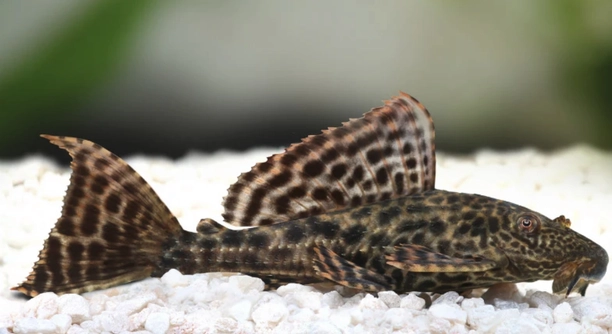
If you have a Pleco tank, you might be wondering about the best way to enhance your aquarium’s look and functionality. River rocks could be a natural option, but are they suitable for your Pleco’s environment?
River rocks can be used in a Pleco tank, but it is important to ensure they are smooth and free from sharp edges to avoid injury to the fish. Additionally, they should be properly cleaned before being added to the tank.
Choosing the right rocks can make a big difference for your Pleco’s health and the overall aesthetic of your aquarium. Keep reading to learn more about the pros and cons of using river rocks in a Pleco tank.
Benefits of Using River Rocks in a Pleco Tank
River rocks can enhance the natural appearance of your Pleco’s aquarium, providing a visually appealing setting. They offer the added benefit of giving Plecos a place to hide and explore. Plecos are naturally inclined to graze on surfaces, and smooth rocks can provide them with a suitable place to scrape algae. The rocks also create a more stimulating environment for your fish, adding texture and variation to the tank.
Adding river rocks can also help with water filtration. When placed correctly, they can create small spaces where beneficial bacteria can thrive, improving water quality. The rocks can also help balance the tank’s pH levels, as some types of rocks naturally release minerals into the water. However, it’s crucial to use the right kind of river rock, as some rocks can alter water chemistry too much, leading to problems for your fish.
While river rocks have these benefits, they need to be handled with care to avoid potential issues. Proper cleaning and ensuring that the rocks are smooth and free of sharp edges will make sure your Pleco’s home stays safe and healthy.
Potential Drawbacks to Consider
Not all river rocks are created equal, and some may have hidden risks for your tank. It’s important to choose rocks that won’t harm the fish or negatively impact the water quality.
In some cases, river rocks can leach harmful substances into the water. Rocks that have not been properly cleaned may carry pollutants, such as pesticides or toxins from the river. If you use these rocks without a thorough wash, these substances can harm your Pleco and other tank inhabitants. Additionally, some types of rocks can cause changes in the pH of the water, leading to an unhealthy environment. Testing the rocks before placing them in the tank can prevent these issues.
Before adding any rocks to your tank, it’s a good idea to do your research. Take the time to clean and test the rocks to ensure they are safe for your fish. It might also help to consult with an aquarium expert if you’re unsure about a particular type of rock. By doing so, you can avoid common mistakes and create a safe and thriving tank for your Pleco.
Choosing the Right River Rocks for Your Pleco Tank
Not all river rocks are suitable for your Pleco’s tank. It’s essential to pick smooth rocks that won’t injure your fish. Sharp edges can cause cuts, leading to infections. Look for rocks that are free of cracks or rough surfaces.
Avoid rocks with high mineral content, as they may affect the water chemistry. Some river rocks can alter the pH levels, which could harm your Pleco and other tank inhabitants. To be safe, ensure the rocks are non-reactive and safe for aquarium use. Testing the rocks by soaking them in water for a few days before placing them in the tank is a good precaution.
If you’re unsure about the type of rock to choose, it’s best to consult an aquarium professional. They can help you select the safest and most beneficial rocks for your tank. Proper selection is vital to keeping your Pleco healthy and happy in its environment.
How to Clean River Rocks Before Adding Them
Cleaning river rocks before introducing them to your tank is crucial. Rocks often carry dirt, algae, and potentially harmful substances that need to be removed.
Start by rinsing the rocks with tap water to remove any surface debris. Avoid using soap or chemicals, as they can contaminate your tank. Once the rocks are free of visible dirt, scrub them with a brush to remove any stubborn particles. After scrubbing, soak the rocks in clean water for at least 24 hours. This process will help remove any hidden toxins or contaminants.
It’s also a good idea to inspect the rocks once they are clean. Make sure there are no sharp edges or cracks that could harm your fish. Clean, smooth, and safe rocks will ensure that your Pleco tank remains healthy and inviting for your fish.
How River Rocks Impact Water Quality
River rocks can affect the water quality in your Pleco tank. Some rocks release minerals into the water, which can change the pH and hardness. This can be beneficial for some fish species but may not be ideal for your Pleco.
If the rocks release too many minerals, they could increase the hardness of the water. This can make it harder for your Pleco to thrive. Regular water testing can help you monitor the water quality and adjust accordingly. If you notice significant changes in pH or hardness, consider removing the rocks or using a different type.
It’s important to find a balance that works for your Pleco’s health. Keeping an eye on water conditions will ensure the tank remains a safe environment.
The Best River Rocks for Plecos
The best river rocks for Plecos are those that are smooth and inert. Avoid rocks that might alter the water chemistry. Slate, quartz, and granite are great choices as they typically don’t leach harmful substances into the water.
These rocks provide a safe, stable surface for your Pleco to graze on. They also create a natural, calming environment in the tank. Using inert rocks reduces the chances of unexpected changes in water conditions. Smooth rocks will prevent injuries to your Pleco and keep the aquarium visually appealing.
Maintenance for River Rocks in a Pleco Tank
Regular maintenance is key to keeping river rocks clean. Over time, algae or debris can build up on the rocks, affecting both appearance and water quality.
Make it a habit to scrub the rocks periodically, removing any algae or buildup. Keep an eye on any changes in water conditions as well. Regular water changes help keep the tank’s environment healthy, especially when using natural elements like river rocks.
FAQ
Can I use river rocks in a tank with other fish species?
Yes, you can use river rocks in tanks with other fish species, but it’s important to consider the needs of all the tank inhabitants. Smooth rocks are the best option to avoid sharp edges that could injure more delicate fish. However, certain species may be more sensitive to changes in water quality, so it’s vital to ensure the rocks don’t negatively affect the tank’s pH or hardness. Regular water testing and maintenance are key to maintaining a healthy environment for all your fish.
Do river rocks help with algae control?
River rocks can indirectly help with algae control. Plecos, for example, are natural algae eaters and often graze on rocks to remove algae. By providing a suitable surface, river rocks can encourage algae growth in certain areas of the tank. However, they should not be considered the primary method for controlling algae. To prevent excessive algae growth, it’s important to keep the tank well-maintained, manage light levels, and perform regular water changes.
How often should I clean the river rocks in my Pleco tank?
The frequency of cleaning river rocks depends on the level of algae or debris buildup. If you notice significant algae or dirt on the rocks, it’s time to clean them. Typically, cleaning every few weeks should suffice to maintain a healthy tank environment. Scrubbing the rocks with a soft brush and removing any visible buildup helps keep the tank’s ecosystem in balance.
Do I need to soak river rocks before adding them to the tank?
Yes, soaking river rocks before placing them in the tank is recommended. Soaking the rocks helps remove any residual dirt, bacteria, or contaminants that may be present. It also allows you to test the rocks for any changes in water chemistry, like pH shifts or mineral leaching, which can affect your fish. Soaking the rocks for 24 to 48 hours is a good practice to ensure they are safe for your aquarium.
What types of river rocks should I avoid for a Pleco tank?
Avoid using river rocks that are sharp or have rough edges, as these can injure your Pleco or other fish in the tank. Also, steer clear of rocks that might alter the water chemistry significantly, such as limestone, which can raise the pH and hardness of the water. Rocks that have been exposed to chemicals or pollutants are also unsuitable. It’s best to choose inert rocks like slate, quartz, or granite, as these are typically safe for Plecos and won’t impact the water quality.
Are there any risks to using river rocks in a Pleco tank?
Yes, there are a few risks to consider when using river rocks in a Pleco tank. If the rocks are not cleaned thoroughly, they may introduce harmful substances or toxins into the water. Some rocks can also alter the pH or hardness of the water, which may not be suitable for your Pleco. Sharp edges on the rocks can cause injuries. To avoid these issues, always clean and inspect the rocks before use, and choose those that are smooth and non-reactive.
Can river rocks harm the filter in my Pleco tank?
River rocks generally do not harm the filter, but larger rocks can sometimes obstruct the flow of water. If the rocks are placed too close to the intake or outflow of the filter, they could cause blockages or reduce the filter’s efficiency. To prevent this, position the rocks away from the filter and ensure they don’t interfere with the water flow. Proper placement of the rocks will help maintain good filtration without causing any issues.
Can I use river rocks in a tank with plants?
River rocks can be used in tanks with plants, but you need to be cautious about their placement. If you choose larger river rocks, they may limit the space available for plant roots to grow. Smaller rocks, on the other hand, can create a beautiful natural look without affecting plant growth too much. It’s essential to make sure the rocks won’t hinder the plants’ access to light or nutrients. Additionally, avoid rocks that could alter water chemistry in a way that harms plant health.
Do river rocks affect the breeding conditions for Plecos?
River rocks can actually be beneficial for breeding Plecos. Plecos often prefer to breed in caves or crevices, which river rocks can provide. These rocks offer a hiding place for the female to lay eggs and a space for the male to guard them. Just make sure the rocks are smooth and clean, as rough or contaminated rocks could negatively affect the breeding process. Ensuring proper water conditions and maintaining the tank will help encourage a successful breeding environment.
Are river rocks a good long-term addition to a Pleco tank?
River rocks can be a good long-term addition to your Pleco tank, as long as they are properly chosen and maintained. They provide natural hiding spots, help with algae control, and can enhance the overall aesthetic of the tank. However, it’s important to regularly inspect the rocks for any signs of wear or changes in water quality. With proper care, river rocks can last for years and continue to provide benefits for your Pleco’s environment.
Final Thoughts
Using river rocks in a Pleco tank can enhance the appearance and create a more natural environment for your fish. Plecos enjoy grazing on the surfaces of smooth rocks, and the rocks can provide hiding spots, which are important for their well-being. They can also offer a place for beneficial bacteria to grow, contributing to better water quality. However, it’s important to choose the right type of rock and ensure that it won’t negatively impact the water conditions. Smooth, inert rocks are the best choice to avoid sharp edges that could harm your Pleco or alter the water chemistry too much.
Before adding river rocks to your tank, make sure to clean them thoroughly. This helps prevent harmful substances or toxins from entering the water. Soaking the rocks for at least 24 hours can also help you test if they affect the pH or hardness of the water. Always choose rocks that are smooth and non-reactive to avoid causing harm to the tank’s ecosystem. Additionally, keep an eye on the water quality by regularly testing the pH, hardness, and other factors to make sure they remain within safe levels for your Pleco and any other fish or plants in the tank.
While river rocks can be beneficial, they also require regular maintenance. Scrubbing the rocks to remove algae or debris buildup will help keep your tank looking clean and healthy. It’s also important to check for any wear or sharp edges that may develop over time. By selecting the right rocks, cleaning them properly, and maintaining the tank, you can create a safe and comfortable home for your Pleco and ensure the long-term health of your aquarium.

Hello,
If you enjoy the content that we create, please consider saying a "Thank You!" by leaving a tip.
Every little bit helps us continue crafting quality advice that supports the health, happiness, and well-being of pets around the world, for pets of all shapes, sizes, and species.
We really appreciate the kindness and support that you show us!